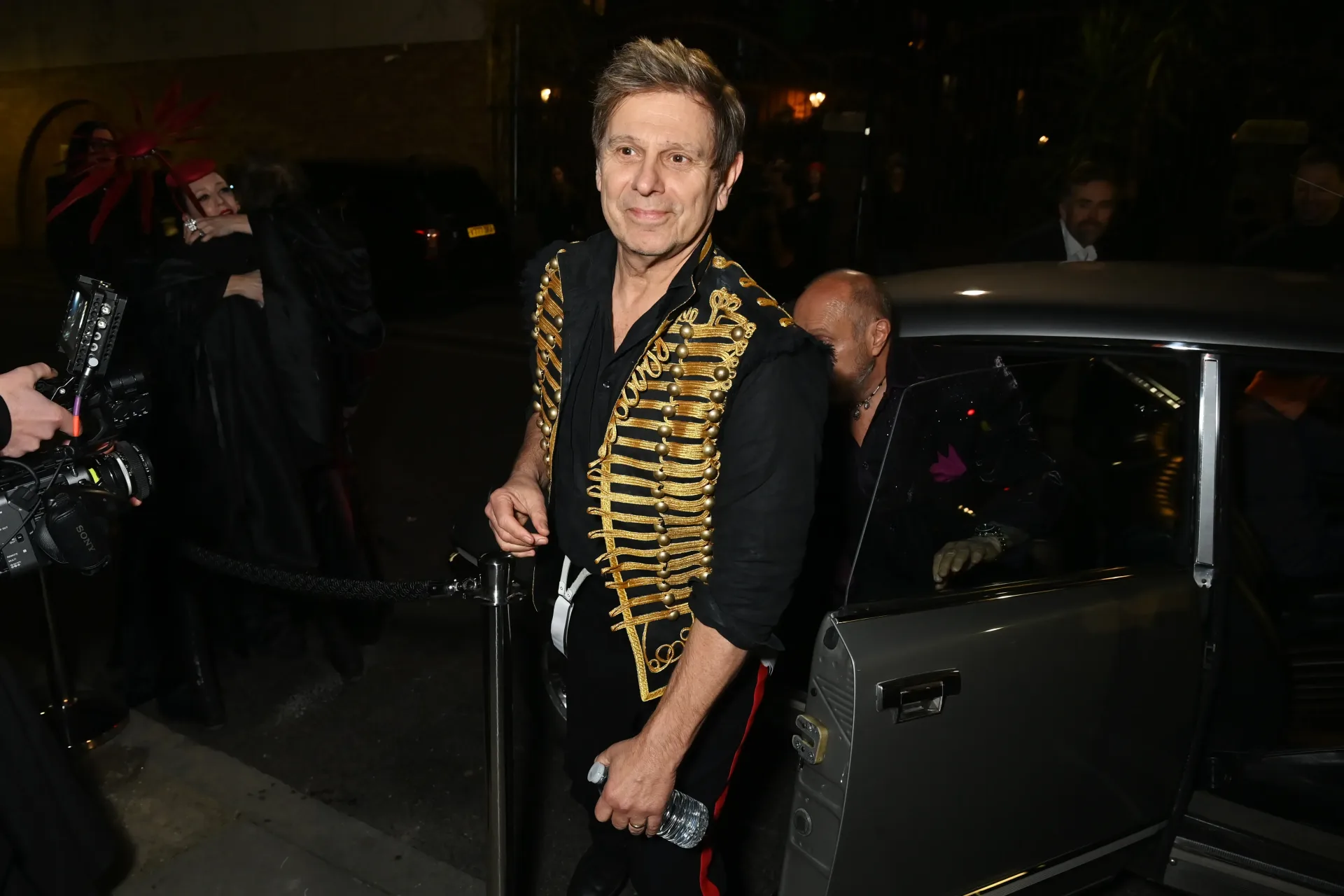
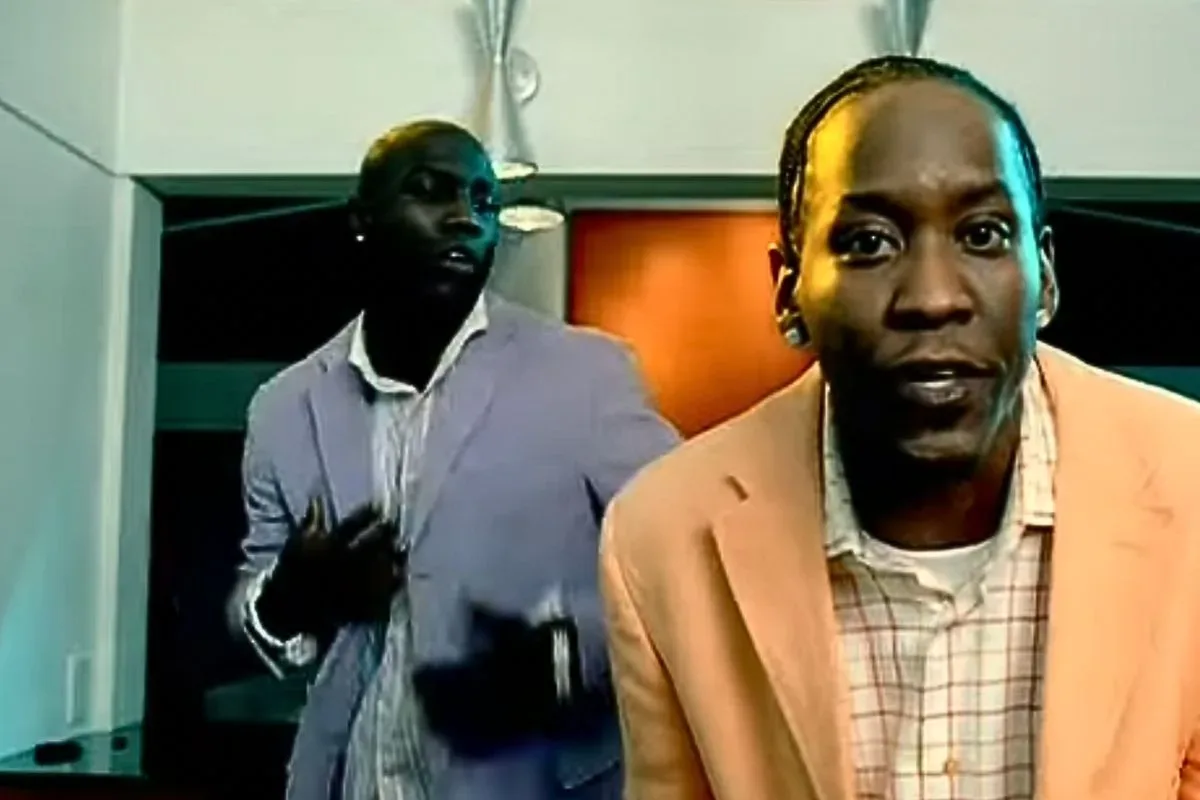
Smoke says he has retired from rap, while also describing a changed relationship with his Field Mob partner Shawn Jay. In a November 15 interview with The Big Facts Network, the Albany, Georgia artist identified himself as a content creator and said plainly, “But I’m retired.”
His comments do not include an announced Field Mob breakup, future release plan, or a detailed account of any dispute. What Smoke did say was that time and adulthood have shifted the pair’s connection: “But now like we just grown. We grew apart from each other. We grew away from each other.”
That distinction matters. “Grew apart” can describe personal and professional distance without necessarily defining the legal or creative status of a group. Based on Smoke’s remarks, the clearest takeaway is that he considers his own rap career retired and sees the longtime partnership differently today. It is not, on the available information, a declaration that Field Mob has formally dissolved.
A long-running partnership shaped by Albany
Smoke and Shawn Jay formed Field Mob in Albany, Georgia. Their debut album, 613: Ashy to Classy, arrived in 2000, establishing the duo’s catalog before later releases expanded their profile. Field Mob’s work includes “Sick of Being Lonely,” from the group’s second album, From Da Roota To Tha Toota, and “So What,” the Jazze Pha-produced track featuring Ciara.
The group’s third album, Light Poles and Pine Trees, was released in 2006. Its title directly reflected the environment the pair associated with their hometown. Smoke once explained the phrase by contrasting Albany with more instantly recognizable regional landmarks: instead of St. Louis’ arch or California’s palm trees, he said, light poles and pine trees were what people saw when they looked up in Albany.
That local framing is useful context for Field Mob’s identity. The group was not merely named after a place or marketed around a Southern association; its music and album imagery were tied to the perspective of two artists from Albany. Ludacris, when Field Mob joined his Disturbing Tha Peace label, said he wanted more people to hear the duo’s Southern lyricism. The comment pointed to the appeal that had already made the pair stand out: two distinct rappers working inside the same regional foundation.
Smoke’s solo ambitions were not initially a split
Smoke had spoken about pursuing individual music long before his recent retirement comment. In 2013, as he prepared the solo mixtape K.A.N.G., he characterized working alone as an opportunity he had delayed rather than a rejection of Field Mob.
“I been wanting to do it, I just never did it because I always put Field Mob first,” Smoke said at the time.
Related coverage includes Smoke Says He Has Retired as Field Mob’s Two Members Grow Apart.
He also described age and changing interests as part of why he wanted to explore a different lane, while listeners’ interest in his individual recordings encouraged the mixtape. In other words, the solo move was presented as an expansion of his work, not an explicit attempt to shut the door on the duo.
That older perspective makes the new comments more notable, even though they should not be overstated. The earlier account centered on balancing a group commitment with personal ambitions. The more recent account centers on retirement and growing apart. Both can be true without supplying a complete chronology of the years in between. People’s business priorities, creative interests, and relationships can change independently, and Smoke has offered only a brief public summary of that change.
What retirement means here—and what remains unclear
In music coverage, an artist’s retirement can mean several different things: a decision to stop recording, a decision to stop performing, a break from commercial releases, or a broader shift toward another kind of work. Smoke called himself retired and identified content creation as his current role, but he did not lay out a detailed definition of retirement in the remarks provided.
That leaves several questions unanswered. There is no stated timetable for his last rap recording or performance. There is no stated update from Shawn Jay. There is also no announced plan concerning Field Mob’s catalog, any unreleased material, reunions, or future group appearances. Treating Smoke’s words as a personal status update, rather than reading unannounced outcomes into them, is the most accurate approach.
For listeners, the practical implication is simple: Smoke’s statement signals that any expectation of new rap from him should be tempered unless he provides a further update. It does not erase Field Mob’s existing body of work, nor does it establish what Shawn Jay may choose to do creatively. The duo’s recorded history remains anchored by the albums and songs already released.
Field Mob’s legacy is larger than a single career update
Announcements about distance between members can naturally draw attention toward a group’s best-known records, but they can also flatten a more complicated history into a before-and-after story. Field Mob’s path included a debut in 2000, multiple albums, a major-label association through Disturbing Tha Peace, and prominent songs that placed the group alongside collaborators including Ciara and producer Jazze Pha.
Smoke’s previous explanation of his solo work also shows why “group versus solo” is often too simple a frame. He wanted to make individual music, yet described having put Field Mob first. Those positions are not mutually exclusive. A duo can be a defining artistic home while each member retains separate creative or business aspirations.
Now, Smoke says he has moved away from rap and toward content creation. His description of the relationship with Shawn Jay is similarly personal rather than sensational: they are older, and they grew apart. There is no allegation in his quoted remarks, no declared feud, and no official breakup language. That restraint is worth preserving when discussing an act whose music remains a recognizable part of Southern rap’s early-2000s catalog.
The broader pattern of artists reflecting on group legacies after major personal changes remains a recurring part of music culture. Offset’s recent reflections on Migos’ legacy, for example, similarly show how the public story around a group can continue to evolve long after its defining era.
For Field Mob, the confirmed facts are narrower but meaningful: Smoke says he is retired, he now describes himself as a content creator, and he believes he and Shawn Jay have grown away from one another. Their music—from Albany-rooted albums to “Sick of Being Lonely” and “So What”—is still the clearest record of the partnership they built.