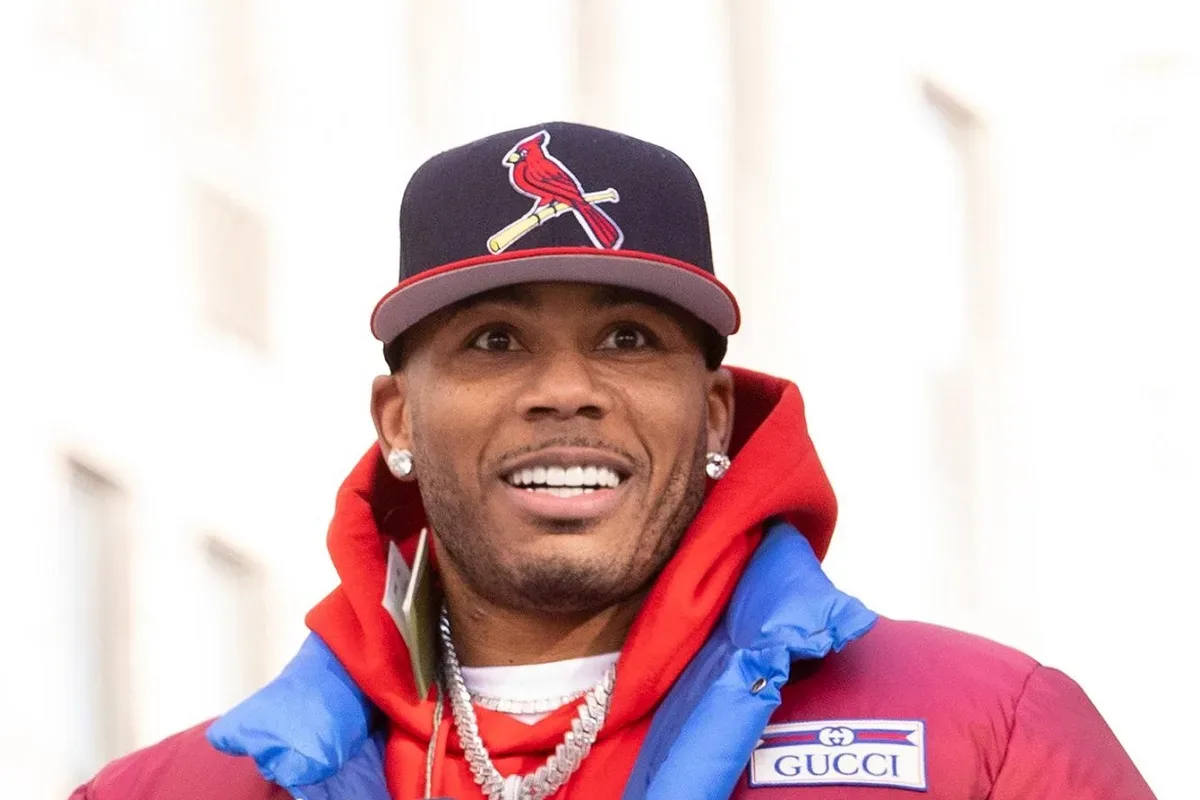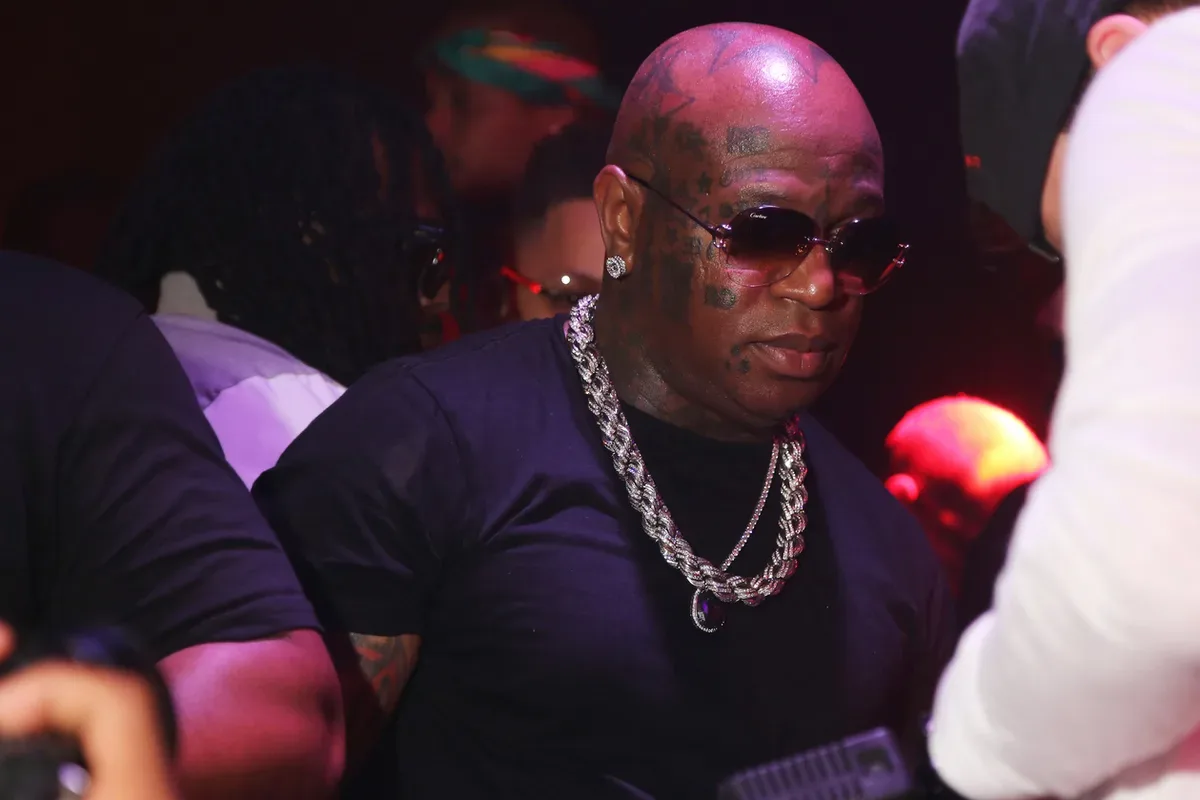
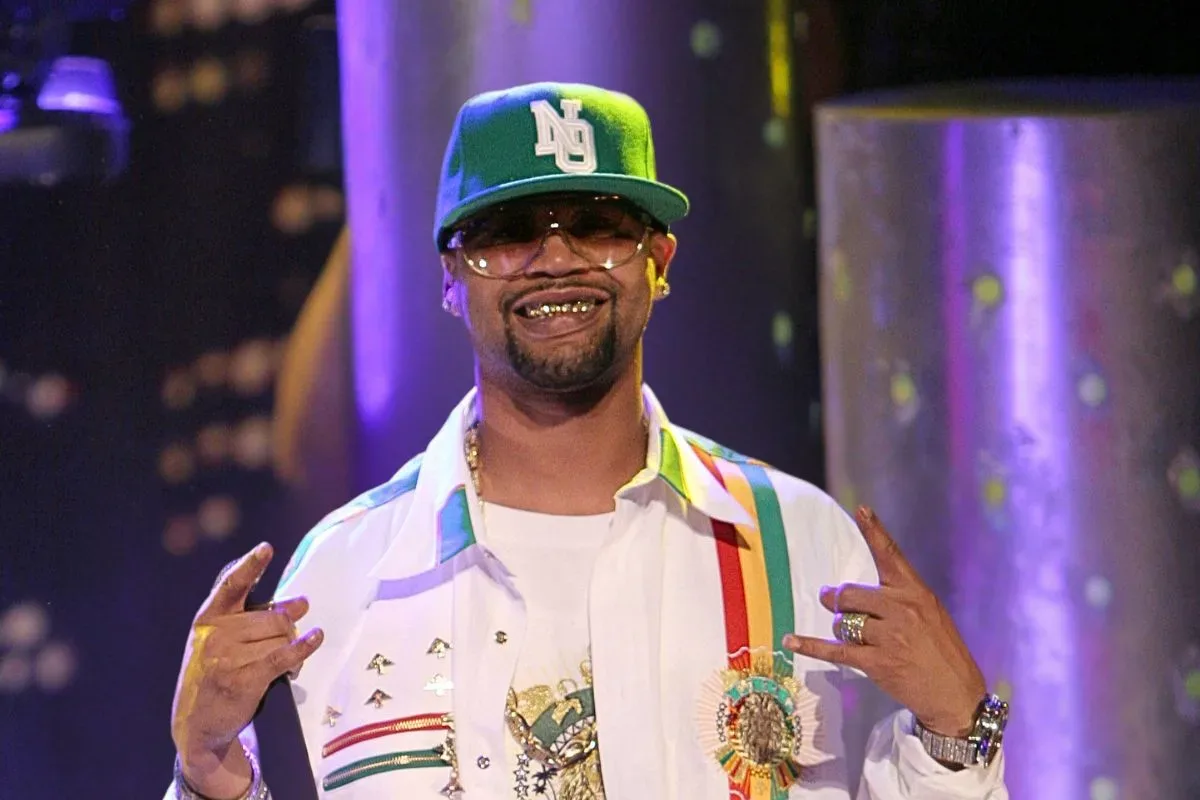
Mannie Fresh, Juvenile and T.I. are set to appear together at New Orleans Jazz Fest in 2027, placing three figures with a real, if differently shaped, history in Southern rap on the same festival bill. Their performance is slated for the event’s second weekend, running April 29 through May 2 at the Fair Grounds Race Course.
The booking connects two artists whose work helped take New Orleans rap from local club settings to a national audience with an Atlanta rapper whose collaboration with Mannie Fresh goes back roughly two decades. It is not simply a collection of familiar names: the artists’ catalogues overlap at a specific point in the story of how Mannie Fresh’s production traveled beyond the scene where he and Juvenile made their most enduring records.
A reunion built around more than one era
For Mannie Fresh and Juvenile, the Jazz Fest appearance follows a recent stretch of shared bills. Both were on the Cash Money & No Limit Tour, an arena tour led by Birdman and Master P that made a September stop at New Orleans’ Smoothie King Center.
Their partnership remains the clearest foundation for this new booking. Mannie Fresh produced Juvenile’s “Back That Azz Up,” and he reworked the drums on “Ha.” The latter had already been played to local crowds before it was recorded for 400 Degreez. Those details matter because they describe a creative process that began in a live local environment rather than arriving fully formed as a national release.
In practical terms, changing the drums is not a minor technical footnote. In hip-hop production, the drum pattern and its sound selection often determine a track’s physical momentum: where the listener feels the accents, how forceful the rhythm lands and how clearly an MC’s cadence sits over the beat. A new drum approach can substantially alter a song’s identity without changing its core vocal performance or concept. Mannie Fresh’s role in that adjustment helps illustrate why producer credits can be central to the remembered sound of an era.
“Back That Azz Up” and “Ha” also establish the New Orleans side of the set’s context. Mannie Fresh helped turn Juvenile’s club records into hits heard nationally, making their work a notable bridge between a regional rap sound and a far wider audience. That local-to-national progression is the important background to a Jazz Fest bill in their home city.
The T.I. connection: “Top Back”
T.I.’s presence expands the evening beyond that New Orleans partnership. Mannie Fresh produced “Top Back” for T.I.’s 2006 album King, tying Fresh’s production to one of Atlanta rap’s major artists.
The song’s route to release was more complicated than a standard producer-and-rapper pairing. Mannie Fresh has said that “Top Back” began as a Juvenile song and that T.I., also known as Tip, recorded the hook before Juvenile entered the studio. The three artists later discussed the beat’s changing path on Mannie Fresh and Juvenile’s Still 400 podcast.
Related coverage includes Mannie Fresh, Juvenile and T.I. Set for Jazz Fest 2027.
That account makes the Jazz Fest grouping particularly interesting. It places the original New Orleans collaborators alongside the artist who ultimately recorded the song for King. The billing therefore reflects a tangible shared creative history, not merely a broad idea of Southern rap solidarity.
It is also a reminder that a beat can have more than one plausible destination before a final version reaches the public. In recording, an instrumental may be considered for different artists, while hooks, verses and arrangements can evolve as people enter the session. The final release is the finished record, but the studio history can reveal alternate possibilities that were never issued. Here, Juvenile’s connection to “Top Back” gives the three-person performance a deeper narrative thread.
What is confirmed for the festival
Jazz Fest’s 2027 lineup places Mannie Fresh, Juvenile and T.I. on the second weekend alongside LL Cool J, Wyclef Jean and Big Freedia. LL Cool J is billed with DJ Z-Trip and Technician The DJ.
The second weekend’s New Orleans representation also includes Trombone Shorty & Orleans Avenue, the Soul Rebels and Rebirth Brass Band. Chaka Khan is scheduled for the opening weekend, April 22 through 25.
No set list, guest lineup or format for the Mannie Fresh, Juvenile and T.I. appearance has been detailed here. That distinction is worth keeping clear. Their histories make songs such as “Top Back,” “Back That Azz Up” and “Ha” relevant reference points for fans, but they do not confirm what will be performed, in what order, or whether the artists will share every portion of the stage.
Why the setting fits
Jazz Fest offers a meaningful setting for this particular combination because the booking puts a New Orleans-rooted rap partnership within a wider New Orleans musical program. Mannie Fresh and Juvenile have already demonstrated that their material can be revisited in a band-oriented setting: for Juvenile’s Tiny Desk concert, Fresh worked with the 400 Degreez Band, joined by Trombone Shorty and Jon Batiste.
That performance should not be read as confirmation that the festival show will use the same musicians or arrangement. It does, however, provide useful context for how songs associated with programmed rap production can be adapted for a different performance framework. A band arrangement generally means instrumental parts are played by musicians rather than triggered entirely from a recording, potentially changing the texture and dynamics of familiar material. The existing Tiny Desk collaboration shows that Mannie Fresh and Juvenile’s catalogue has already been approached through that lens.
The Jazz Fest lineup’s inclusion of brass-band and New Orleans acts makes that context especially resonant, even though the festival has not specified any cross-artist collaborations. The value of the booking is partly its placement: records deeply linked to the city’s rap history will be represented on a program that also includes artists associated with its broader live-music traditions.
A Southern rap timeline in one booking
Mannie Fresh, Juvenile and T.I. bring three complementary positions to the bill. Fresh is the producer whose work helped define key Juvenile records and who later produced for T.I. Juvenile is tied to the New Orleans songs at the center of that earlier partnership, as well as to the initial history of the “Top Back” beat. T.I. is the performer whose version of “Top Back” appeared on King in 2006.
That creates a compact timeline: local New Orleans performance and recording development, nationally successful Juvenile tracks, and a later Atlanta connection built through Mannie Fresh’s production. Jazz Fest has put those lines together at the Fair Grounds rather than presenting them as separate historical chapters.
For attendees, the most reliable expectation is the rare convergence itself. The announced booking has clear historical weight, while the details that often matter most at a festival—specific songs, guests, arrangements and stage dynamics—remain unknown. Until those are confirmed, the strongest case for watching this set is the documented creative relationship behind it.
The appearance also arrives during a period when New Orleans remains a visible home for music-centered events, alongside other local programming such as Nelly’s Black and White Ball. In Jazz Fest’s case, though, Mannie Fresh, Juvenile and T.I. represent a particularly specific intersection: a producer, an early collaborator and the artist who recorded one of their shared beat’s best-known final destinations.