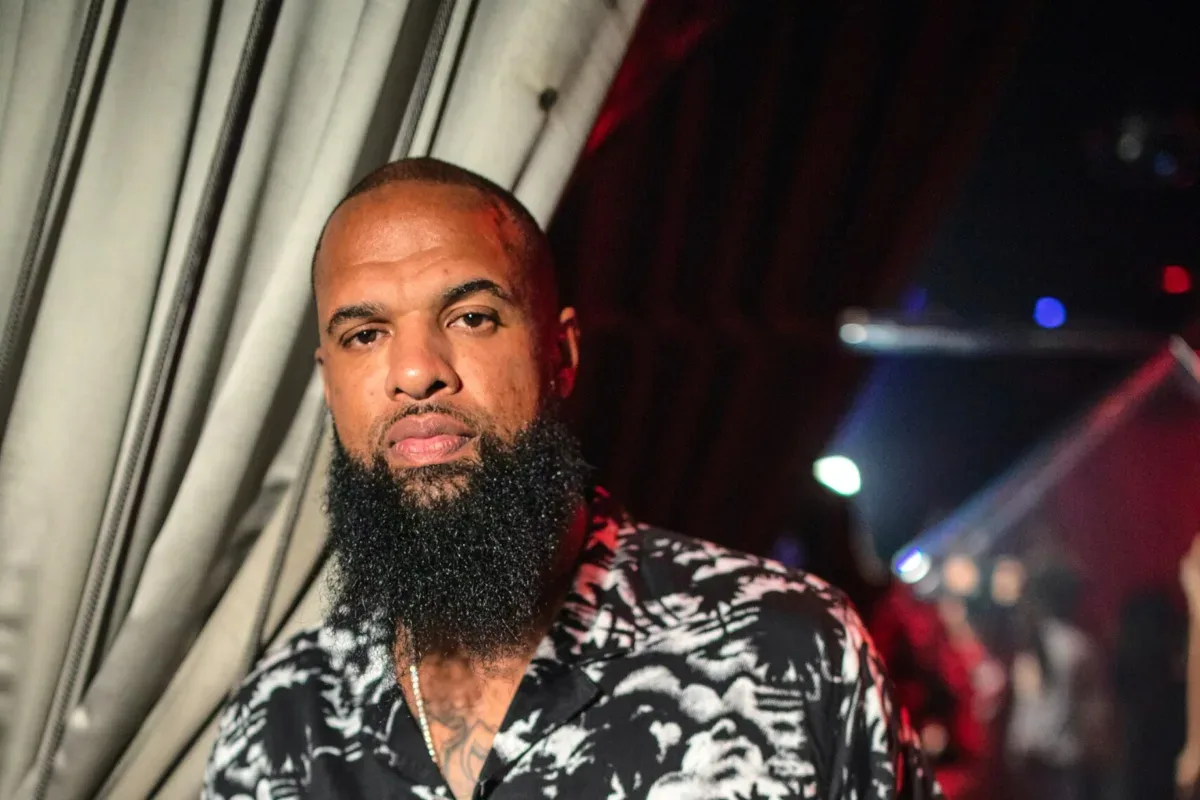
Slim Thug is bringing King of Cars back to Houston after a lengthy break, framing the returning custom-car gathering as more than a place to admire expensive metal, glossy paint and oversized sound systems. Scheduled for Sunday, November 22, the event combines Houston car culture with a marketplace intended for local fashion labels, entrepreneurs and other creators.
The formula matters because the cars are only one part of what King of Cars is trying to put on the same floor. The plan is to make room for vendors and neighborhood-built businesses alongside slabs, imported sports cars and custom trucks. For visitors, that makes the show a culture festival with several reasons to linger rather than a narrowly focused vehicle exhibition.
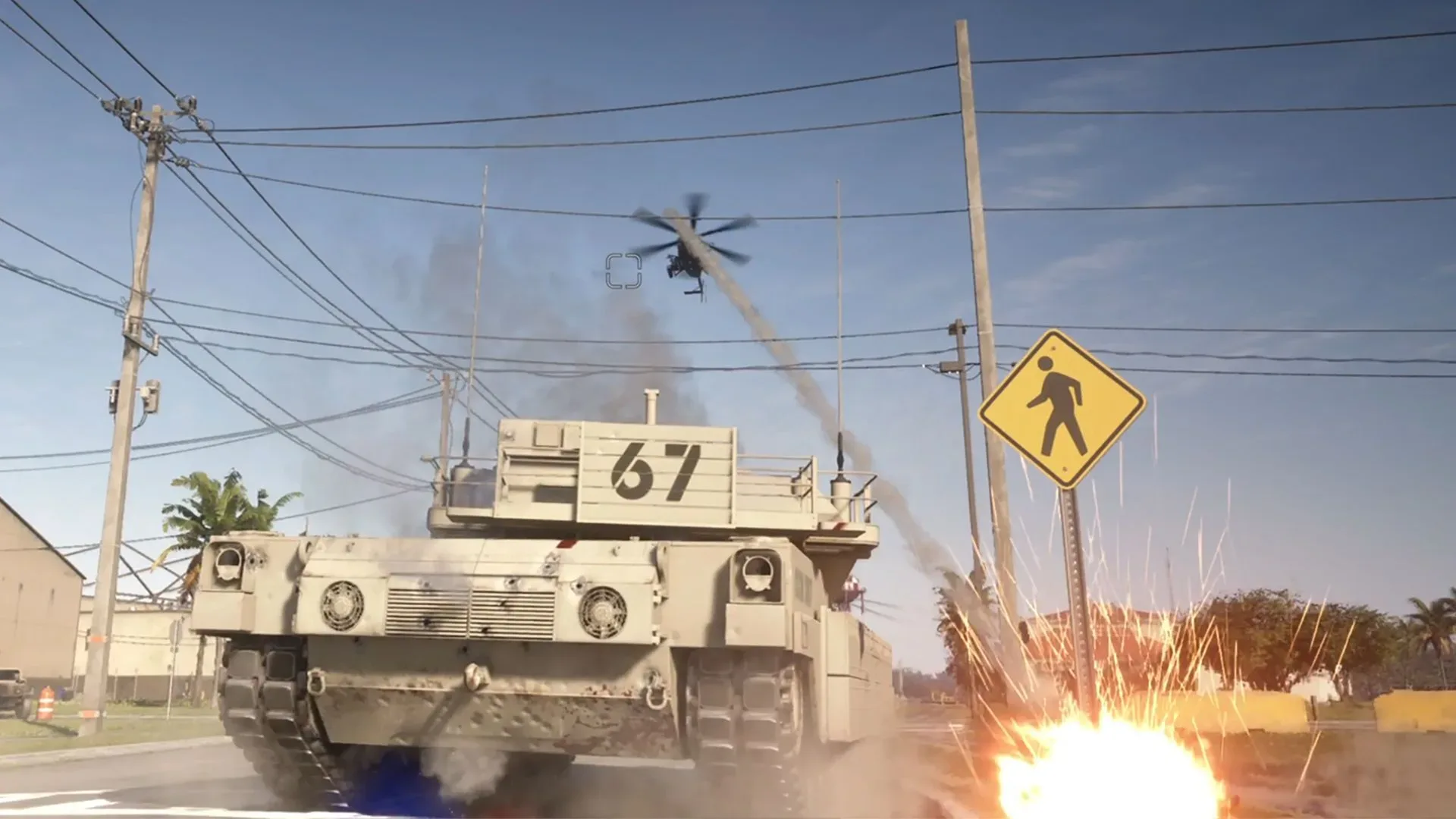
It is also set to include a designated children’s area and a gaming section where attendees can play Grand Theft Auto. No specific game, platform, mode or tournament has been detailed, so visitors should treat the gaming area as an attraction within the wider event rather than evidence of a full esports program. Still, its presence is a sensible connection between a series built around cars, city streets and customization and a Houston show centered on real-world automotive expression.
When and where King of Cars is happening
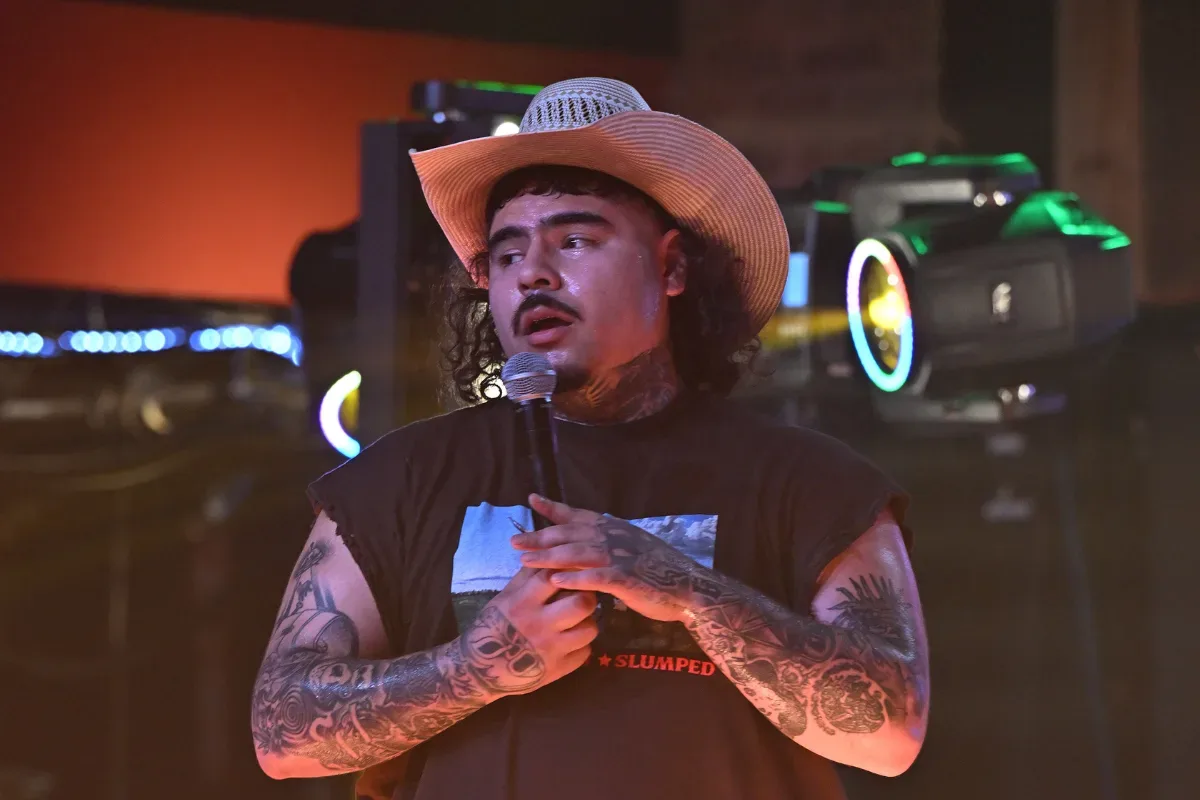
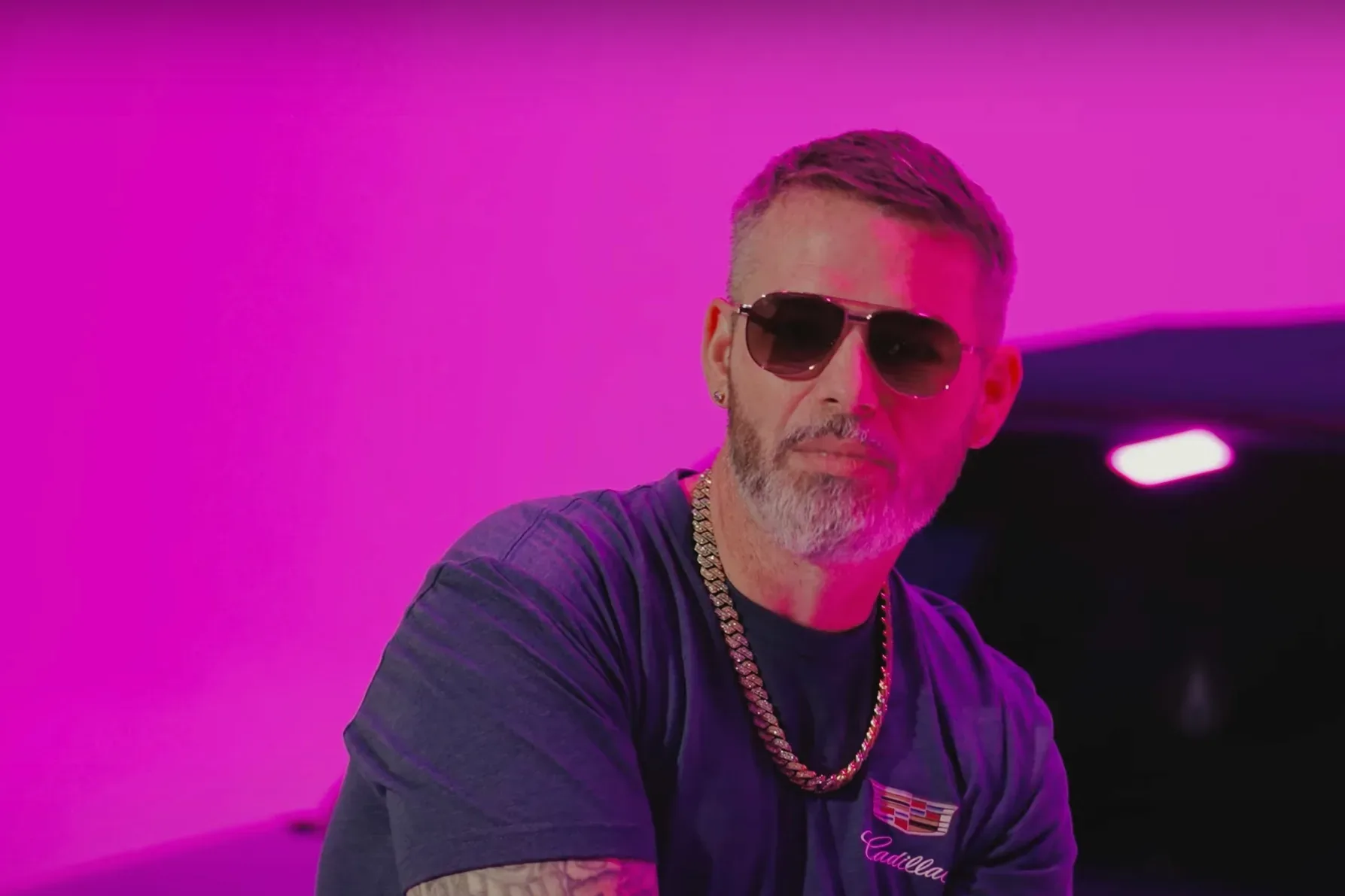
King of Cars is scheduled to run from 1 p.m. to 8 p.m. in Halls D and E at Houston’s Reliant Center. Slim Thug is among the Houston rap names set to be present, joined by Paul Wall, Lil’ Keke, Z-Ro, Kirko Bangz, Lil Flip, DJ XO and Propain.
That roster gives the show a distinctly Houston-facing identity. Rather than treating the music as a generic add-on to an auto event, King of Cars is built around artists whose names sit within the city’s rap landscape and its long-running relationship with car culture. The gathering’s proposed mix of rides, music figures, vendors and family-focused spaces suggests an attempt to bring several local scenes into one venue.
Slabs are central, but not the only cars invited
At the heart of the event are slabs, the customized Houston cars associated with candy paint, powerful audio systems and wire rims. One defining visual feature is the swanga: the protruding element of a wire wheel that extends outward from the vehicle’s side. In practical terms, it is a styling choice that makes the wheel treatment unmistakable even from a distance.
“Candy paint” refers here to the deep, highly expressive paint finishes that form part of the slab look. Along with the sound systems and wheel hardware, it signals that a slab is not simply a factory vehicle with a few accessories. It is a personalized build whose details communicate taste, craft and local identity.
King of Cars is not restricting that display to one automotive tradition. Slim Thug wants slabs shown beside imported sports cars and custom trucks, while leaving room for people who build and drive other kinds of vehicles. That broad approach is important: it avoids turning the event into a contest between car communities and instead makes it a shared display space. A visitor interested in the visual language of slabs can see it alongside entirely different approaches to modification and presentation.
Related coverage includes Slim Thug Revives King of Cars in Houston With Slabs, Vendors and Rap.
A marketplace, not just a showroom
The vendor component is at least as significant as the mixed-car approach. Slim Thug has described the festival as something like a citywide flea market, with people from different parts of Houston able to show what they make. The stated aim is for fashion brands, creators and entrepreneurs to meet attendees who might never otherwise encounter their work.
“I just wanted to do something where everybody can kind of show their brands, whatever they’re working on, and get the city to see it,” Slim Thug said.
That is a useful distinction for anyone deciding what King of Cars represents. A conventional car show can be primarily spectator-driven: attendees walk the floor, photograph vehicles and leave. A marketplace changes the relationship by giving local businesses a purpose beyond sponsorship signage. Vendors can present their own work directly to an audience already gathered around a shared cultural interest.
For small brands, in-person visibility is especially valuable because a product or creative project can be seen in context. The event’s structure brings together people who care about visual customization, fashion, music and local identity. Those interests overlap naturally, even when a person initially arrives to look at cars rather than to shop.
The “Still Tippin’” connection explains the revival
Slim Thug’s motivation to revive King of Cars reaches back to “Still Tippin’,” Mike Jones’ 2004 single featuring Slim Thug and Paul Wall. The song later appeared on Jones’ debut album, Who Is Mike Jones?, and its video memorably put Houston rappers and Houston cars in the same visual frame.
That combination was not incidental. The video was shot in Houston with a street-level Swishahouse feel in mind, connecting its music directly to the city that shaped it. Looking back at that period provided the spark for Slim Thug’s renewed car-show concept: the vehicles, artists and the city’s sense of place were already intertwined in the cultural memory surrounding the track.
King of Cars translates that connection from music-video imagery into a physical event. It does not merely reference a familiar song or nostalgia for a particular era. It makes the automotive side visible through the cars on display, keeps Houston rap figures in the building, and adds local commerce so the floor can showcase current creators as well.
Why the gaming corner fits the event
Grand Theft Auto is a natural reference point at an event where cars are as much about personality as transportation. The series has long made vehicles a central part of how players move through fictional cities, whether they are cruising, collecting cars or simply choosing a vehicle that matches a particular style. King of Cars places that digital car culture beside the real-world builders and drivers who have their own visual vocabulary.
There is an important difference, of course. A game can let a player cycle through cars instantly, while the real vehicles at Reliant Center represent physical work, design decisions and individual ownership. The gaming area does not erase that difference; it creates an accessible entry point for younger attendees and for visitors whose connection to car culture begins on a screen.
For readers looking specifically for virtual vehicle mayhem rather than the Houston event, Joking Joystick’s GTA 6 Rhino tank guide covers a very different kind of automotive objective. King of Cars, meanwhile, is focused on the community and style around actual customized vehicles.
What attendees can reasonably expect
Based on the plans outlined so far, King of Cars offers several distinct reasons to attend:
- Houston slab culture: cars featuring the candy paint, loud systems and wire-wheel styling closely associated with slabs.
- A broader vehicle mix: imported sports cars, custom trucks and other builds alongside the slabs.
- Local vendors: fashion brands, entrepreneurs and creators presenting their work to the event audience.
- Houston rap representation: Slim Thug, Paul Wall, Lil’ Keke, Z-Ro, Kirko Bangz, Lil Flip, DJ XO and Propain are listed as being present.
- Family-oriented additions: a children’s area and a place to play Grand Theft Auto.
What has not been detailed should remain separate from what has. There is no provided information on tickets, vendor application rules, the exact vehicles expected, gaming hardware, playable Grand Theft Auto title, musical performance format or a game competition. Those details should not be assumed from the event’s broad concept.
Even with those specifics still undefined, the core idea is clear. King of Cars is returning as a Houston gathering that treats the slab as a cultural centerpiece without making it a gatekeeping device. Cars, rap, small businesses and games will occupy the same event space, offering a more expansive picture of the city’s creative scene than a standard showroom lineup could provide.