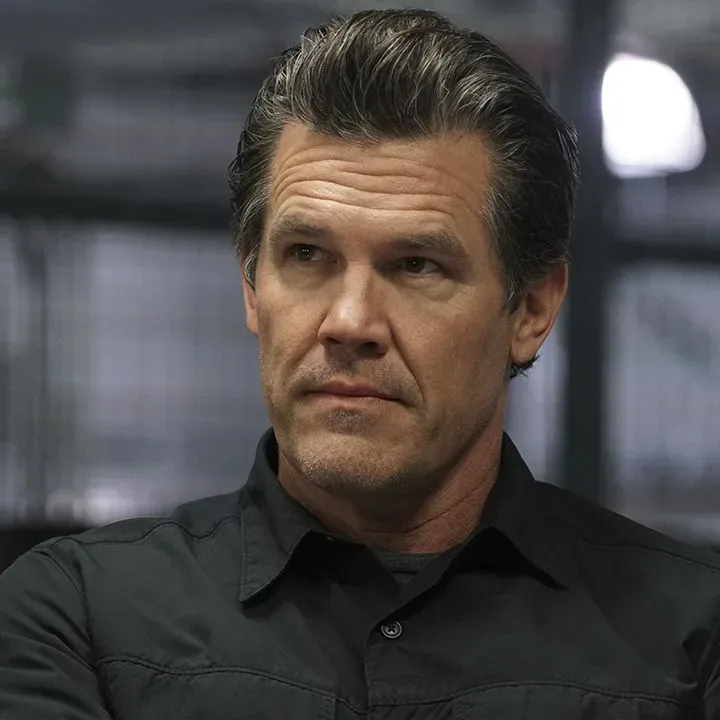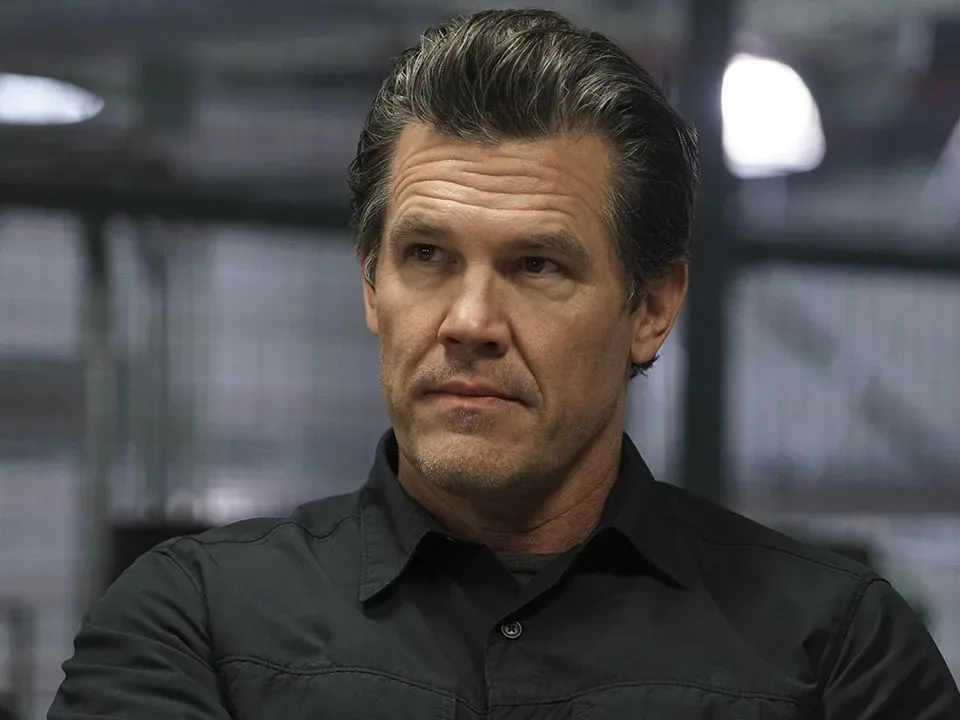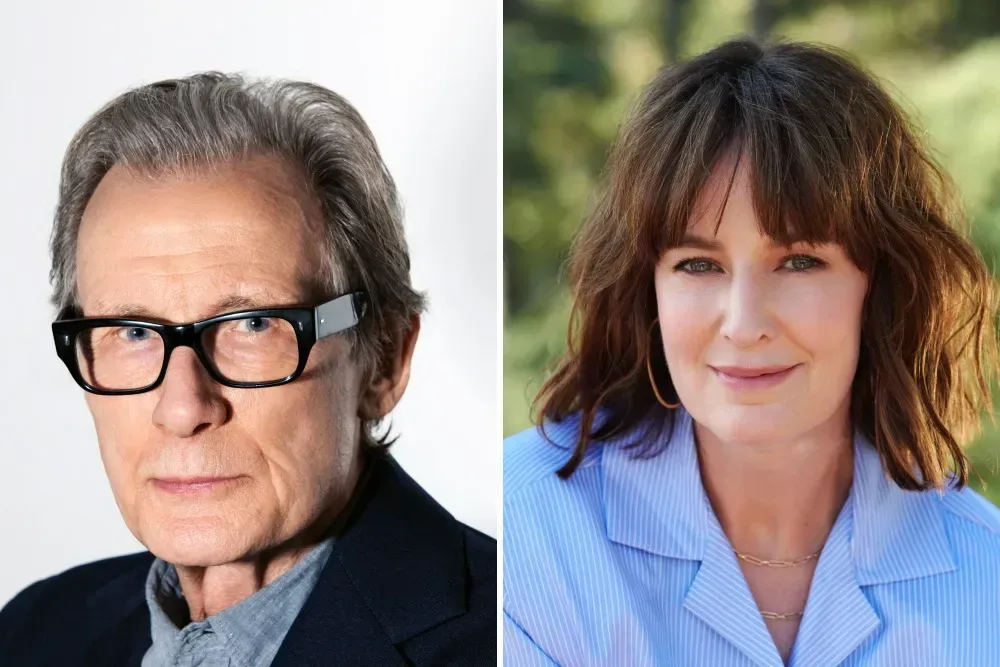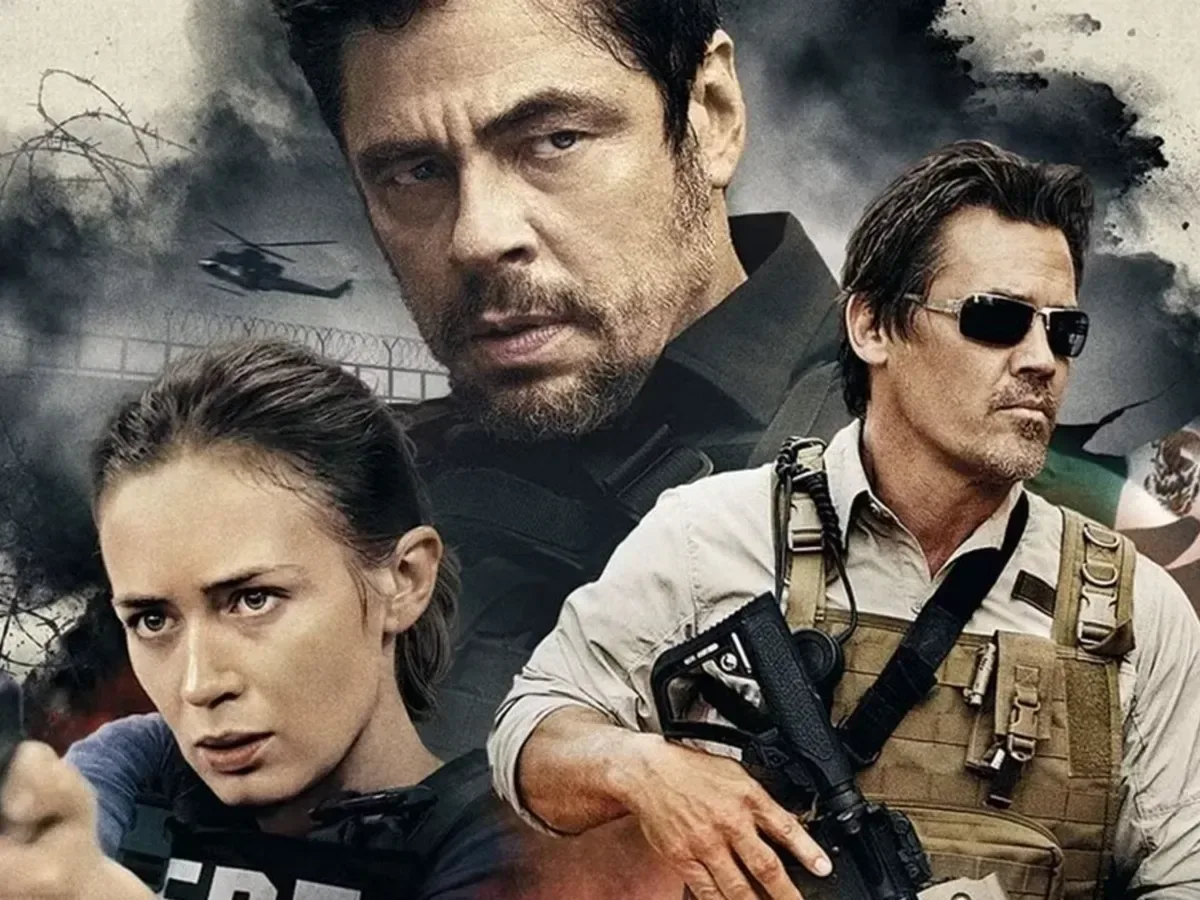
Sicario 3 is moving forward with its central trio intact. Josh Brolin, Emily Blunt and Benicio del Toro are all set to reprise their roles in a third entry in the crime-thriller series. But the project is also entering a meaningful creative transition: Taylor Sheridan, who wrote both Sicario and Sicario: Day of the Soldado, will not write the new film.
Steven Knight will take over screenplay duties, while Padraic McKinley is attached to direct. Brolin has offered an upbeat, if still measured, view of the reunion and the new team, making clear that enthusiasm among the returning cast does not equal an imminent finished film. The project is underway, but no release date, plot details or production timetable have been provided.
The returning cast is the clearest point of continuity
The biggest concrete development is the return of Brolin, Blunt and del Toro. For a franchise built around uneasy alliances and morally fraught work inside a criminal underworld, retaining the principal performers preserves a direct line back to the earlier films even as the writing and directing roles change hands.
Brolin expressed affection for both of his returning co-stars, saying the group was eager to work together again. He also noted that the upcoming picture will be his sixth film with del Toro, a detail that suggests a long-established professional rapport beyond this particular series.
“We all can't wait to get on set anyway. It's been a while. We adore each other, and we've all worked together before,” Brolin said.
He was similarly warm about reconnecting with Blunt, while praising the standard of the work surrounding the project. Those comments should be read as an indication of the cast’s willingness to return rather than a promise about the finished movie’s story or tone. There is no confirmed synopsis for the third film, so any claims about where the characters will go next would be speculation.
Steven Knight replaces Taylor Sheridan on the screenplay
The key behind-the-scenes shift is Sheridan’s departure from the writer’s chair. A screenwriter is responsible for the script: the characters’ actions, dialogue, plot structure and the scene-by-scene blueprint from which the production is made. In a series whose first two installments share Sheridan as a writer, a new screenwriter is more than an administrative change. It creates room for a different storytelling approach.
Knight takes on that responsibility for the third film. He is the creator of Peaky Blinders and is also writing an upcoming Bond movie. Those credits establish that he is not arriving as an unknown quantity, but they do not reveal what his specific Sicario script contains. The available information does not confirm whether the story will continue particular threads, introduce new figures, or substantially alter the series’ focus.
That uncertainty is important. Franchise audiences often treat a returning cast as a guarantee of creative sameness, but it is not. Actors can return to familiar roles while a new screenplay changes the rhythm, emphasis and dramatic questions around them. Equally, a new writer can retain the elements viewers associate with a series. Until story details emerge, neither outcome can be stated as fact.
What a “threequel” means here
“Threequel” is informal shorthand for a third installment. It does not itself explain whether a film is a direct continuation, a soft relaunch or a standalone story sharing characters and a setting. In this case, the returning leads strongly indicate continuity at the casting level, but the precise form of that continuity remains unannounced.
The most reliable description for now is simply a third Sicario film with Brolin, Blunt and del Toro returning, Knight writing, and McKinley directing.
Padraic McKinley will direct
McKinley is set to direct the new film. A director translates the screenplay into the finished production, guiding performances and making the creative decisions that shape how scenes play on screen. That means McKinley’s contribution will be central even though audiences often first focus on the returning actors or the name attached to the script.
Brolin called the changeover a “juggly process,” an apt description for a production that is bringing together returning cast members with new creative leadership. He nevertheless said the team was prepared for McKinley’s arrival, described him as a great filmmaker, and said McKinley had already given strong notes on Knight’s script.
In screenwriting and filmmaking, “notes” are feedback intended to refine a draft. They can address anything from character motivation and pacing to the practical demands of staging a scene. McKinley providing notes does not mean the script is complete or that filming is about to begin. It does show that the director is participating in the script-development process rather than merely waiting for a final document.
Why the reunion matters, even before plot details arrive
There is a practical value in bringing back all three of the best-known cast members. Brolin, Blunt and del Toro give the project recognizable human anchors at a moment when the film’s writer and director are changing. Their presence offers viewers a clear reason to regard the project as the next chapter in the same screen franchise rather than an unrelated crime film using a familiar title.
It also establishes an unusually collaborative starting point. Brolin’s comments repeatedly emphasize personal trust and previous experience among the actors. A supportive working relationship cannot tell audiences whether a film will succeed, nor can it substitute for a screenplay, a director’s execution or a full production. But it can matter creatively: performers with a shared history may arrive with a more immediate understanding of one another’s working methods.
That distinction is especially useful when early sequel news invites overreading. Confirmed facts are significant on their own: the three leads are back; Knight is writing; McKinley is directing; and the director has already commented on the script through notes. Unconfirmed matters include the title, story, further casting, filming schedule and release date.
No timetable has been announced
Brolin cautioned that it will be some time before audiences see the new film. That is the most useful expectation-setter currently available. A project being underway can encompass script work, creative planning and other preparation long before cameras roll, let alone before a completed movie reaches viewers.
For now, the third Sicario film is best viewed as a genuine reunion with an evolving creative identity, not as a near-term release. The returning ensemble provides continuity; Knight and McKinley bring the new variables. How those pieces ultimately fit together will depend on information that has not yet been made public.
For more coverage of screen projects in motion, see our report on new additions to Star Trek: Starfleet Academy.