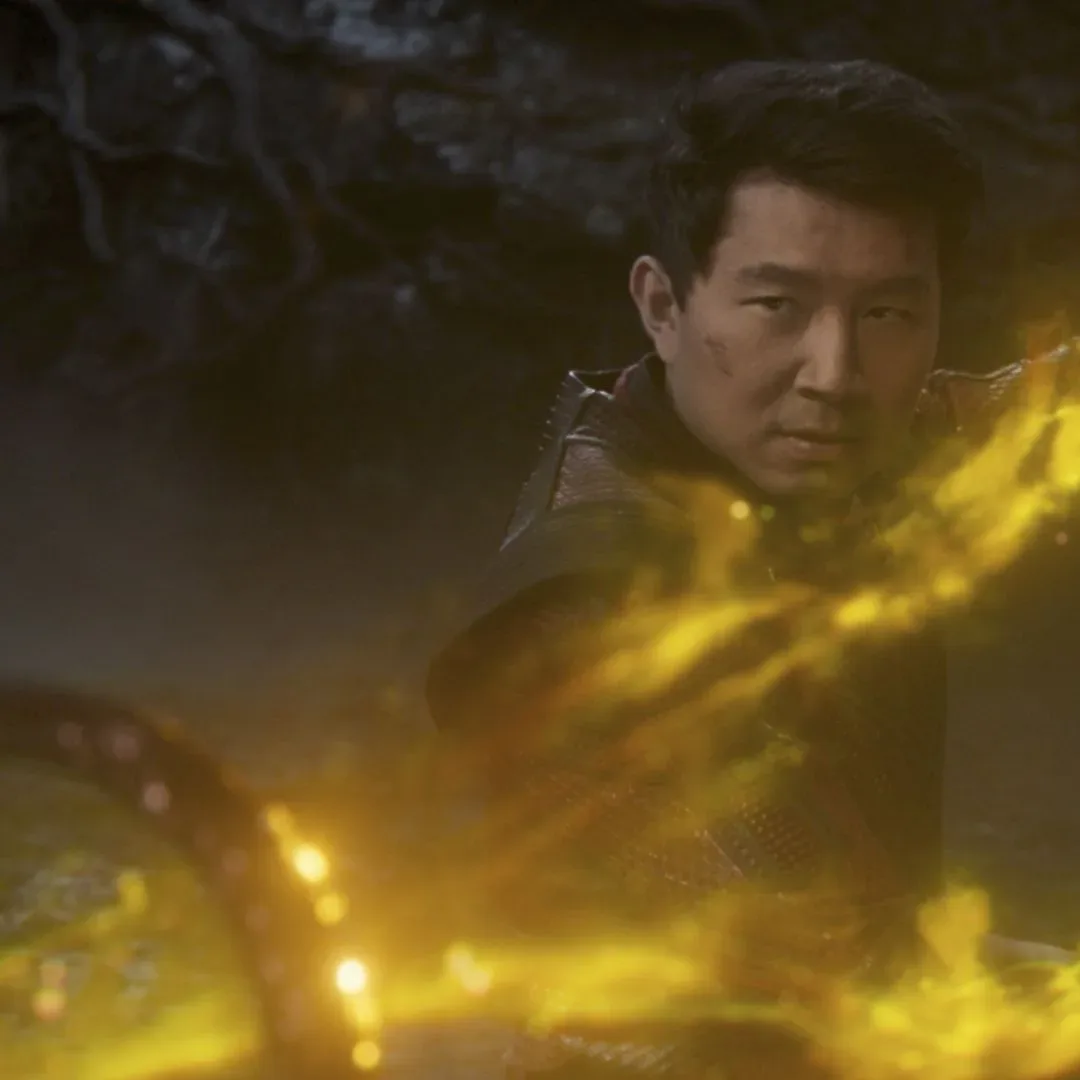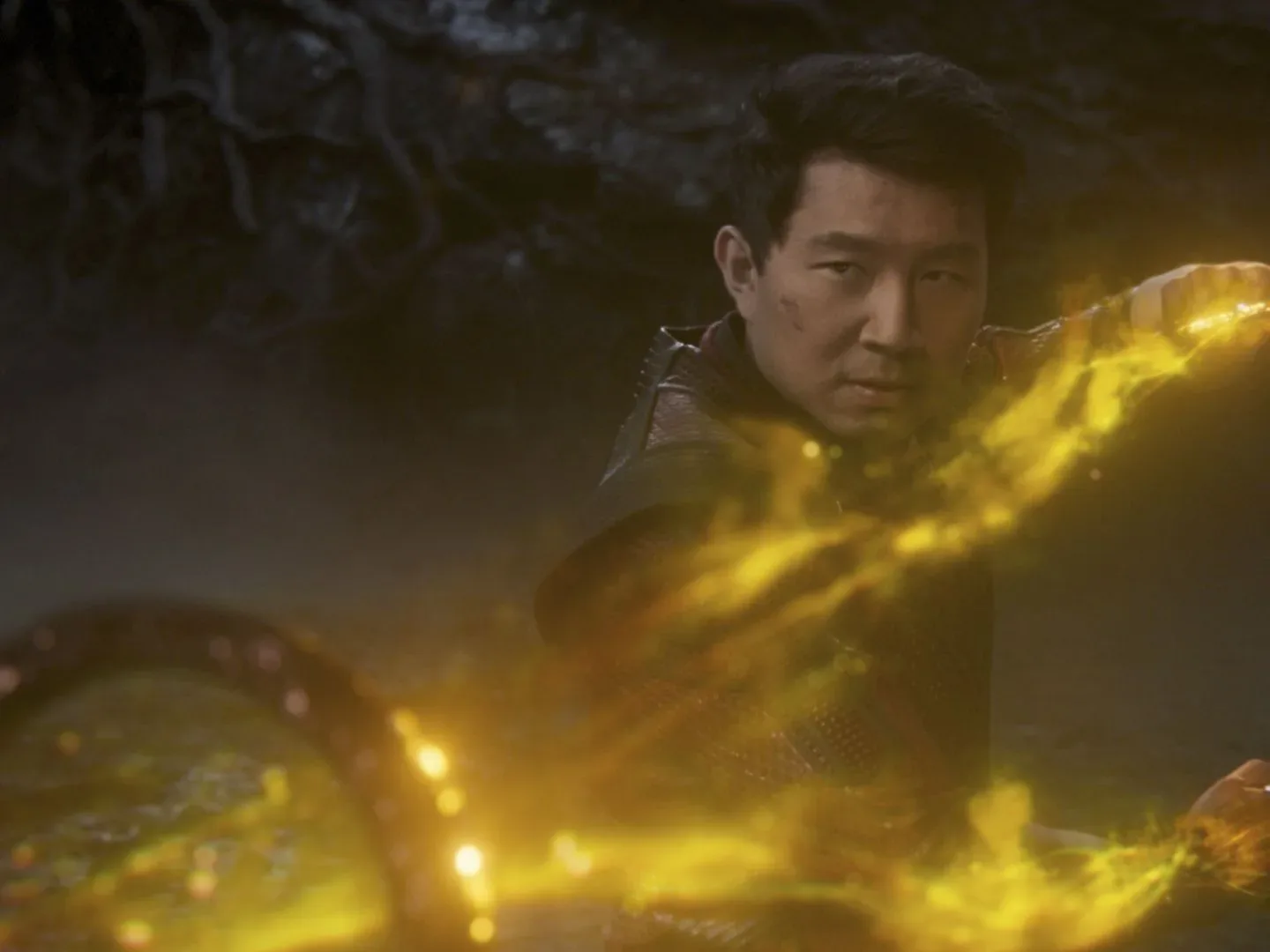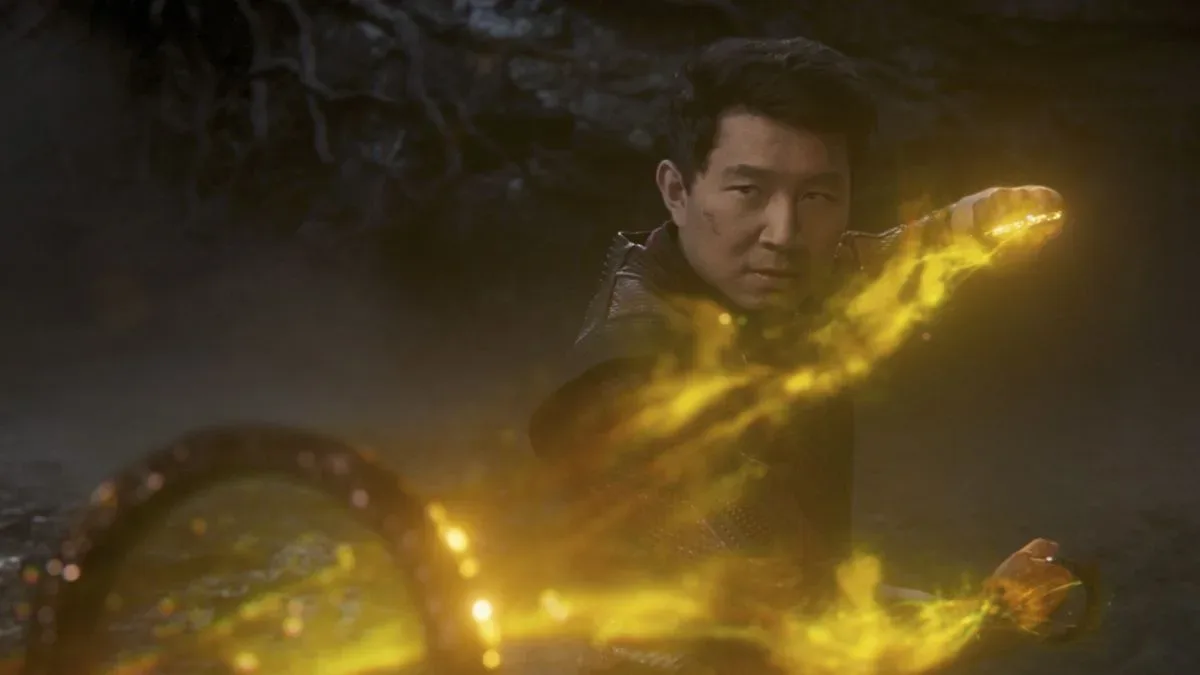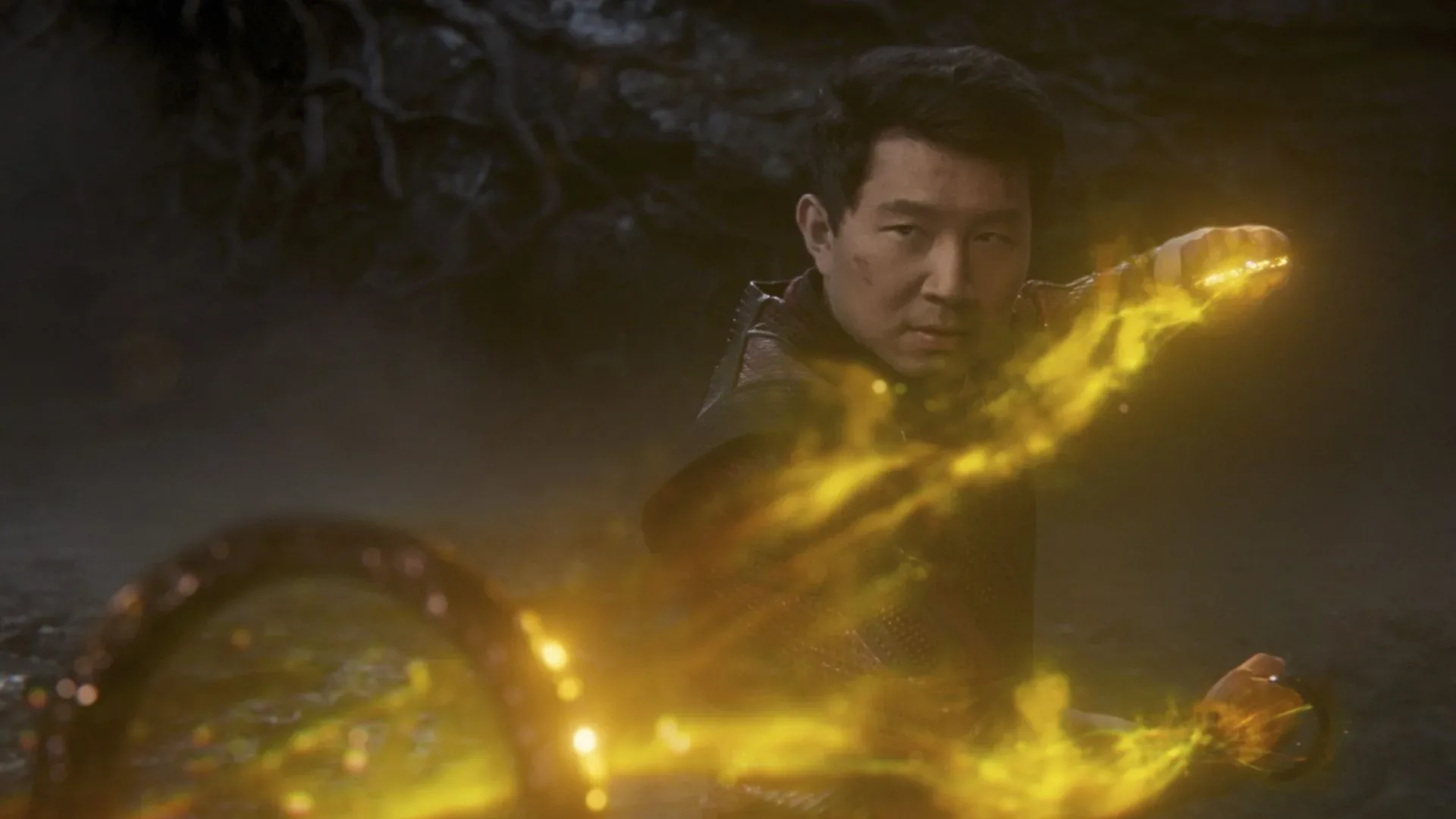
Shang-Chi 2 appears to have moved out of the realm of long-running fan hope and into active early development. Dave Callaham, who co-wrote 2021’s Shang-Chi and the Legend of the Ten Rings with director Destin Daniel Cretton, has said that he is working on the sequel. The key qualifier is important: Callaham describes the project as being in its early stages. Still, he also says there is now “real movement,” a notably firmer status update than a vague assurance that a follow-up remains possible.
That does not establish a release date, production timetable, plot, returning cast list, or director. None of those details have been provided here. What it does establish is that writing work is underway, giving the sequel a tangible creative foothold after a lengthy period without a concrete update on the character’s next solo film.
What Callaham’s update actually confirms
Callaham’s comments should be read as a development update, not as a full production announcement. In film terms, a writer working on a sequel means the project is being shaped at the script stage: ideas, structure, character arcs, action needs, and connections to the larger franchise can all be addressed before cameras roll. It is meaningful progress, but it is also a stage where plans can still evolve substantially.
The distinction matters because blockbuster development is not a straight line from a writer’s draft to a finished movie. A screenplay can go through multiple revisions, and its eventual schedule depends on decisions beyond the writing process. Therefore, “real movement” is encouraging news for Shang-Chi fans, but it should not be treated as confirmation that filming is imminent or that a theatrical date is locked.
Callaham’s involvement also offers continuity with the first film. He co-wrote Shang-Chi and the Legend of the Ten Rings, which introduced Simu Liu’s Shang-Chi to the Marvel Cinematic Universe in 2021. Continuing with a writer who helped establish the character’s cinematic voice could give the sequel a direct link to the emotional and world-building foundations of that debut.
The long wait has not gone unnoticed
The gap since the first film has been conspicuous, especially because Shang-Chi’s debut left major pieces of its world open for future stories. Cretton has previously reflected on the broader disruption facing the film industry, suggesting that under different circumstances the character might already have received more follow-ups. His comments do not provide a specific cause or production history for the delay, but they do make clear that the sequel’s pace has not matched the expectations that can follow a successful franchise introduction.
For audiences, a long interval can create two competing pressures. It can increase anticipation for a return, particularly when a hero has not had another solo adventure. At the same time, it raises the practical storytelling question of where that hero has been and how a new film reconnects viewers with his supporting cast, family ties, and unresolved responsibilities.
That is one reason Shang-Chi’s imminent larger-franchise appearance is significant. Before the proposed sequel arrives, Shang-Chi is due to appear in Avengers: Doomsday, opening December 18. Trailers have shown him in action against the threat posed by Robert Downey Jr.’s Doctor Doom, although the movie’s overall plot remains undisclosed.
Related coverage includes Shang-Chi 2 Has ‘Real Movement,’ Says Dave Callaham.
His Avengers appearance can serve as an important bridge. It puts Shang-Chi back on screen, confirms that he remains part of the active MCU ensemble, and could potentially leave the character in a different position for a subsequent solo story. That last point is analysis rather than confirmation: no link between the events of Avengers: Doomsday and the sequel’s plot has been announced. But the timing makes it reasonable to watch the Avengers film closely for where Shang-Chi may be headed next.
There are already plenty of questions surrounding that Avengers chapter, including the franchise’s broader timeline mechanics. The current trailer discussion around Steve Rogers underlines just how guarded details about the film remain.
Ta Lo remains a natural emotional destination
Simu Liu has offered his own thoughts about where Shang-Chi may be most inclined to go after the events of his first film: Ta Lo. His reasoning is character-driven rather than based on a revealed sequel outline. Shang-Chi experienced Ta Lo only briefly before events escalated, and Liu has pointed to the setting’s sense of peace, its remarkable creatures, and the opportunity it offers Shang-Chi to reconnect with his aunt and family.
Ta Lo is consequently more than an exotic setting in this reading of the character. It represents a place where Shang-Chi can encounter a side of his family history that is not defined solely by conflict. The first film positioned him between profound personal loss, the legacy of the Ten Rings, and a newly recovered connection to maternal relatives. Returning to Ta Lo could offer room to explore belonging and healing rather than simply treating the location as a backdrop for another fight.
That possibility remains speculative. Liu is sharing an idea about the character, not revealing a confirmed story beat. Yet it illustrates why a Shang-Chi sequel has narrative territory available to it beyond escalating stakes. A sequel could examine what it means for Shang-Chi to maintain bonds with Ta Lo while confronting the responsibilities attached to the Ten Rings and his father’s legacy. Whether Callaham’s developing script goes in that direction is unknown.
Why early-stage movement is still worth watching
For a major franchise film, early-stage writing may sound modest. In practice, it is the point at which a sequel begins to become a specific movie rather than an abstract intention. The creative team needs to determine which questions from the original are central, what role its hero should occupy after an Avengers-scale story, and how the new film can justify returning to a world viewers last visited in 2021.
Callaham’s statement is especially useful because it avoids overselling that process. He expresses enthusiasm while plainly identifying the work as early. That creates a clear expectation: there is reason for optimism, but not enough information yet to draw conclusions about casting, story, production dates, or release plans.
For now, the immediate certainty is Shang-Chi’s December return in Avengers: Doomsday. The new writing update means that return is no longer the character’s only visible future. A second solo adventure is being worked on, even if the road from development to the screen is still largely unwritten from the public’s perspective.
What has and has not been confirmed
- Confirmed: Dave Callaham says he is working on a Shang-Chi sequel.
- Confirmed: Callaham characterizes the project as early-stage work with “real movement.”
- Confirmed: Shang-Chi will appear in Avengers: Doomsday, due December 18.
- Confirmed: Trailer footage has shown Shang-Chi facing the threat of Doctor Doom.
- Not confirmed: A title, release date, filming schedule, plot, or full cast for the sequel.
- Not confirmed: That Ta Lo will return, despite Liu’s interest in the possibility.
- Not confirmed: How the sequel will connect to the events of Avengers: Doomsday.