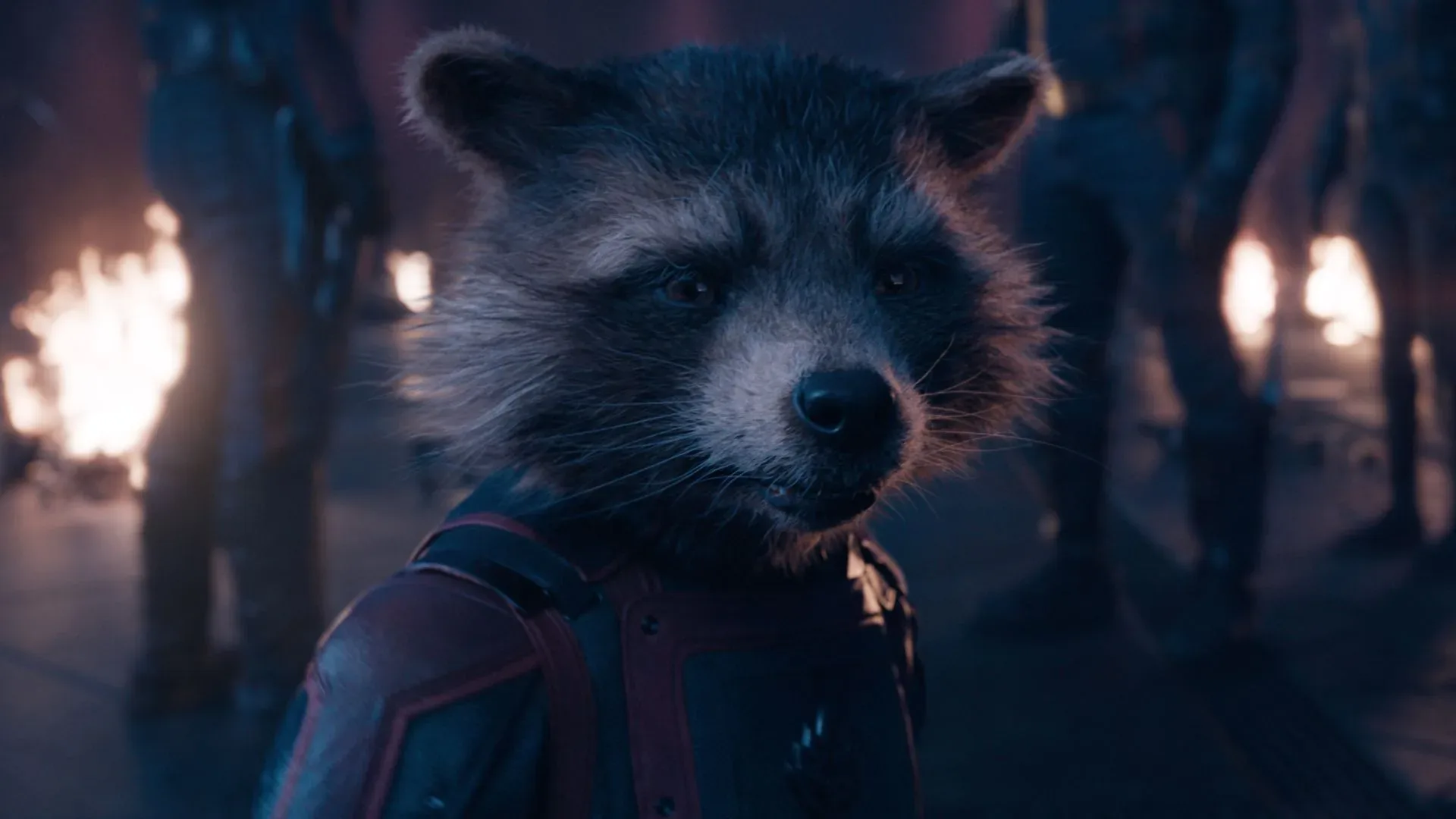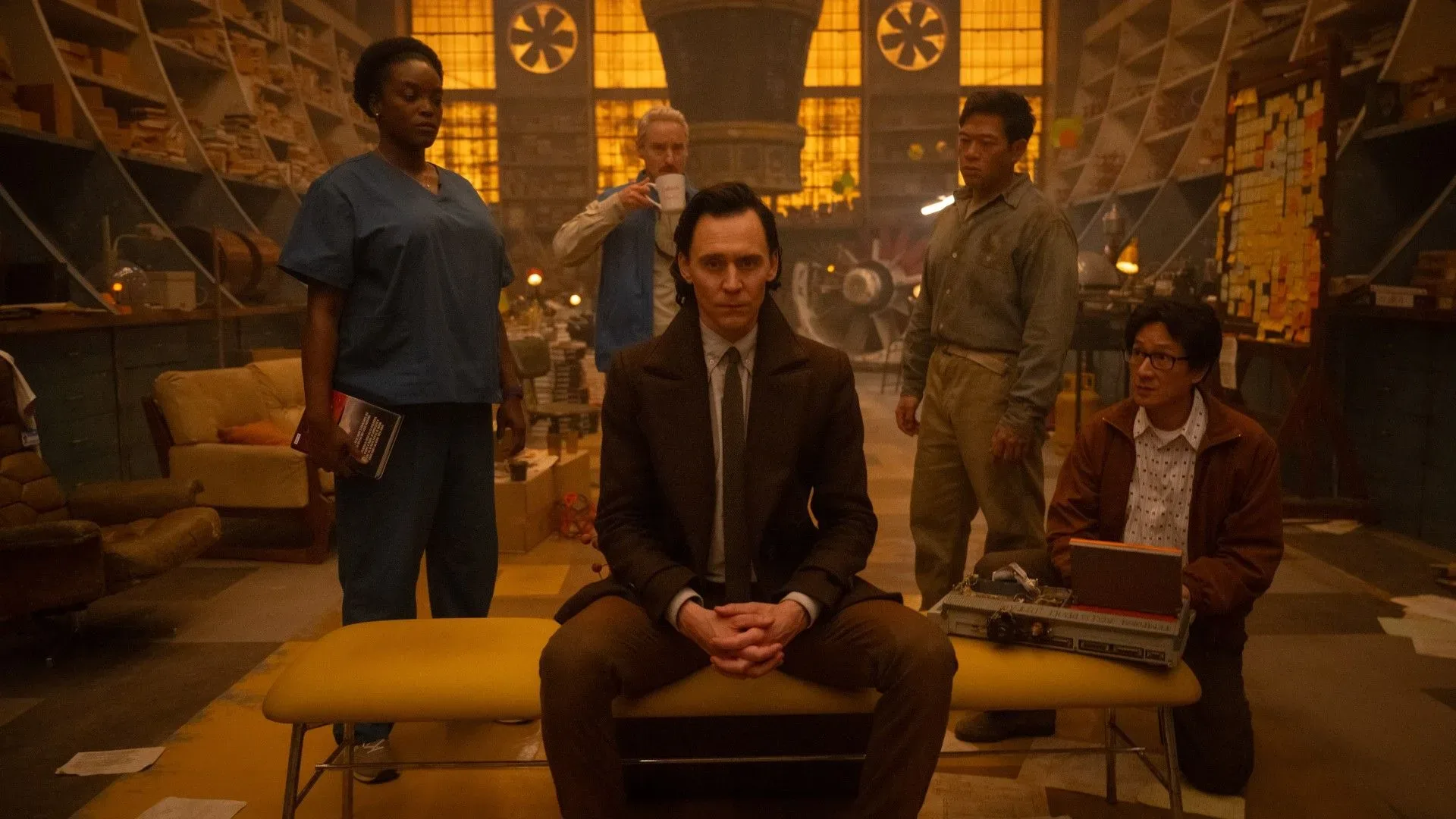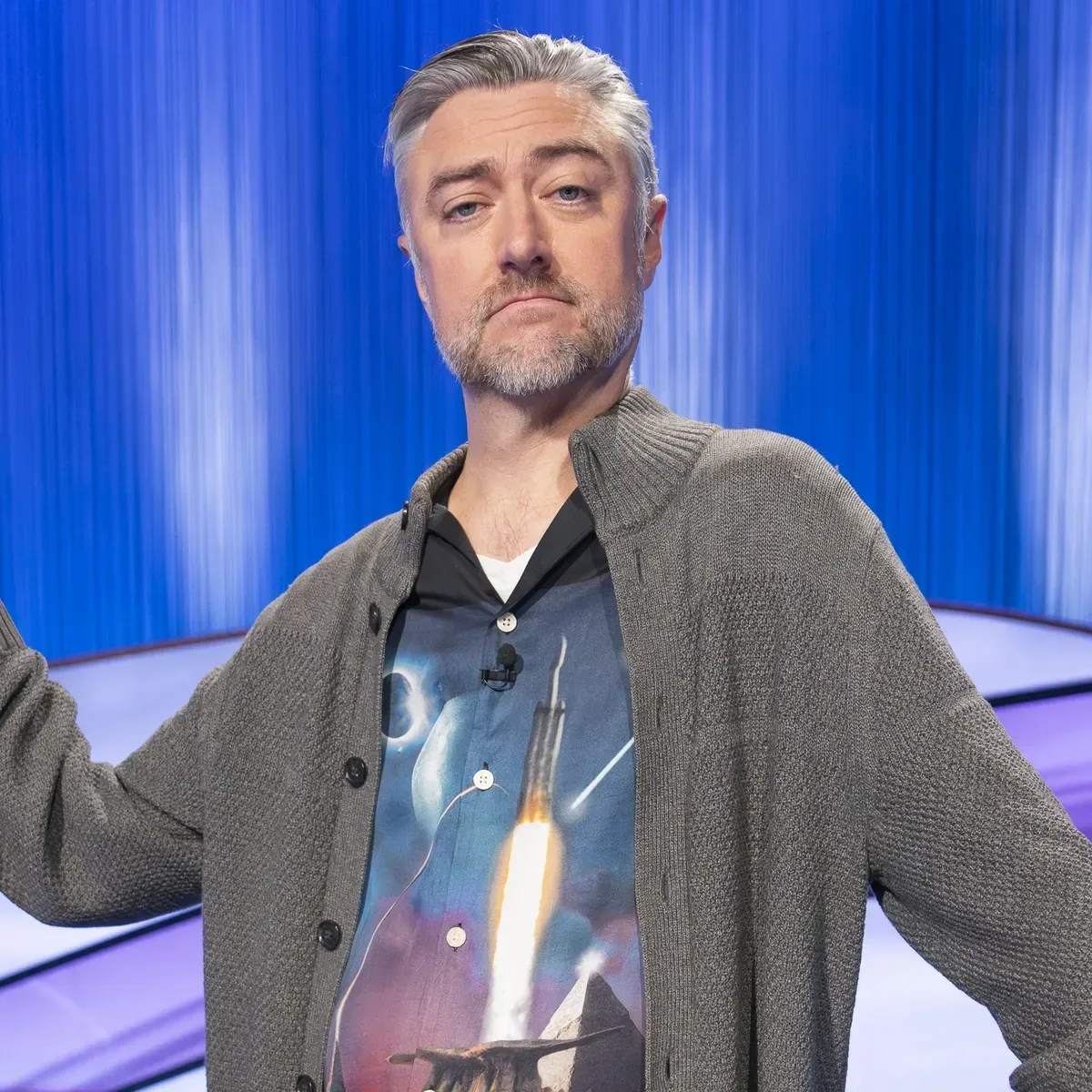
Rocket Raccoon may be a genetically modified, weapon-loving space mammal with a famously stubborn refusal to slow down. The performer helping give him physical life, however, has drawn a line under the low crouch.
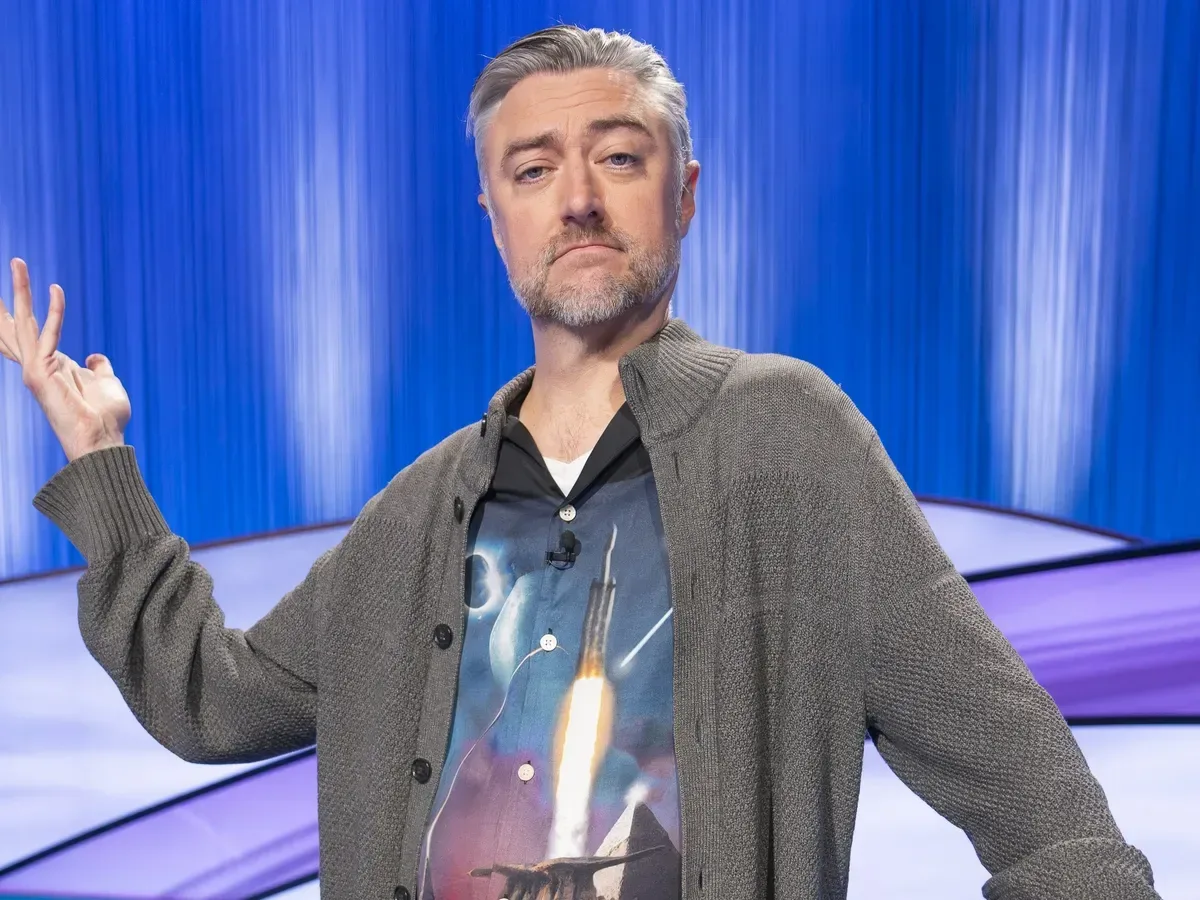
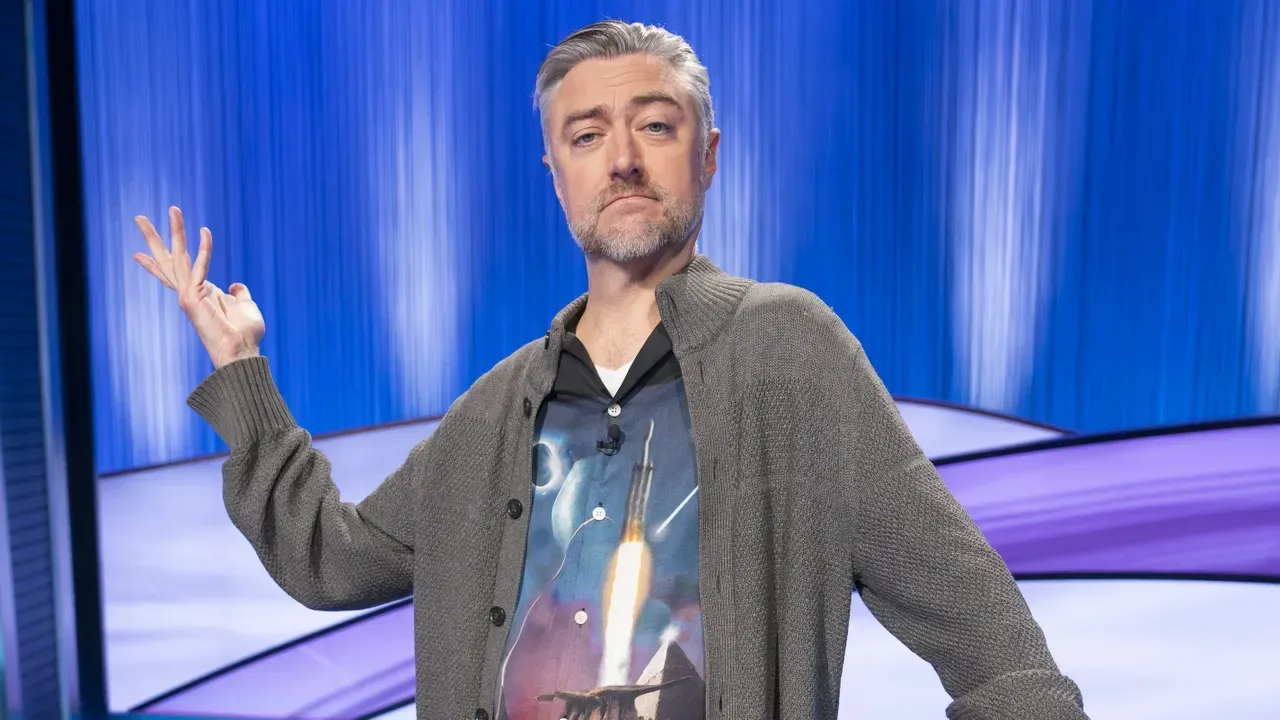
Sean Gunn says he has retired from performing motion reference for Rocket, the Guardians of the Galaxy character he has helped bring to the screen across five films and a holiday television special. Gunn, who recently turned 50, explained that years spent moving in a deep squat had begun to affect his physiology—particularly his feet and ankles rather than, as people might assume, his knees.
That distinction matters because Rocket has never been created by a single performer doing a single job. Bradley Cooper provides Rocket’s voice in post-production, while Sean Gunn has supplied the on-set physical reference: the movement, placement and interaction that give other actors something tangible to play against and give filmmakers a grounded performance to develop.
In other words, Cooper’s vocal performance is not what Gunn is retiring from. Gunn is stepping away from the physically demanding work of portraying Rocket’s scale and body language on set.
Why a small character can be a big physical assignment
Gunn has described the pose required for Rocket as a catcher’s crouch. Behind-the-scenes footage has shown him moving among the legs of his fellow cast members while staying low to the ground, a practical way to establish Rocket’s eyeline, position and energy in scenes before the finished digital character is added.
The strain, Gunn said, came from repeated pivots at his contact points with the floor. His knees are fine, but working in that crouched position put pressure on his feet and ankles over time. He said the cumulative effect had changed his decision about returning for more motion-reference work, even if he were asked.
“My knees are fine but since I turned 50 a couple of years ago I am retired from Rocket,” Gunn said, adding that he did not think he could perform the motion reference again.
It is an unusually direct reminder of the physical labour that can sit behind a character audiences chiefly experience as a digitally realized animal with an instantly recognizable voice. The finished result can make the process look seamless. It is not weightless work, particularly when a performer is repeatedly asked to maintain an unnatural stance and still move quickly, pivot, react and stay connected to a scene’s timing.
Motion reference, performance capture and the work audiences do not see
Motion reference is a useful term here. In this context, it means a performer supplies physical guidance on set for a computer-generated character: where the character is, how they move, how they relate spatially to props and fellow performers, and how a scene’s action plays in real space.
It overlaps with the broader idea of performance capture, in which an actor’s movements and expressions are recorded to inform a digital character. The supplied details describe Gunn as providing Rocket’s performance capture and motion reference, but the important practical point is clear: his work involved sustained physical acting, not merely a marker of Rocket’s height.
Rocket’s voice is then dubbed by Cooper in post-production. That division of labour helps explain why Gunn’s retirement does not automatically answer every question about Rocket’s future. It concerns one essential part of the character’s production process, but it is separate from the vocal role.
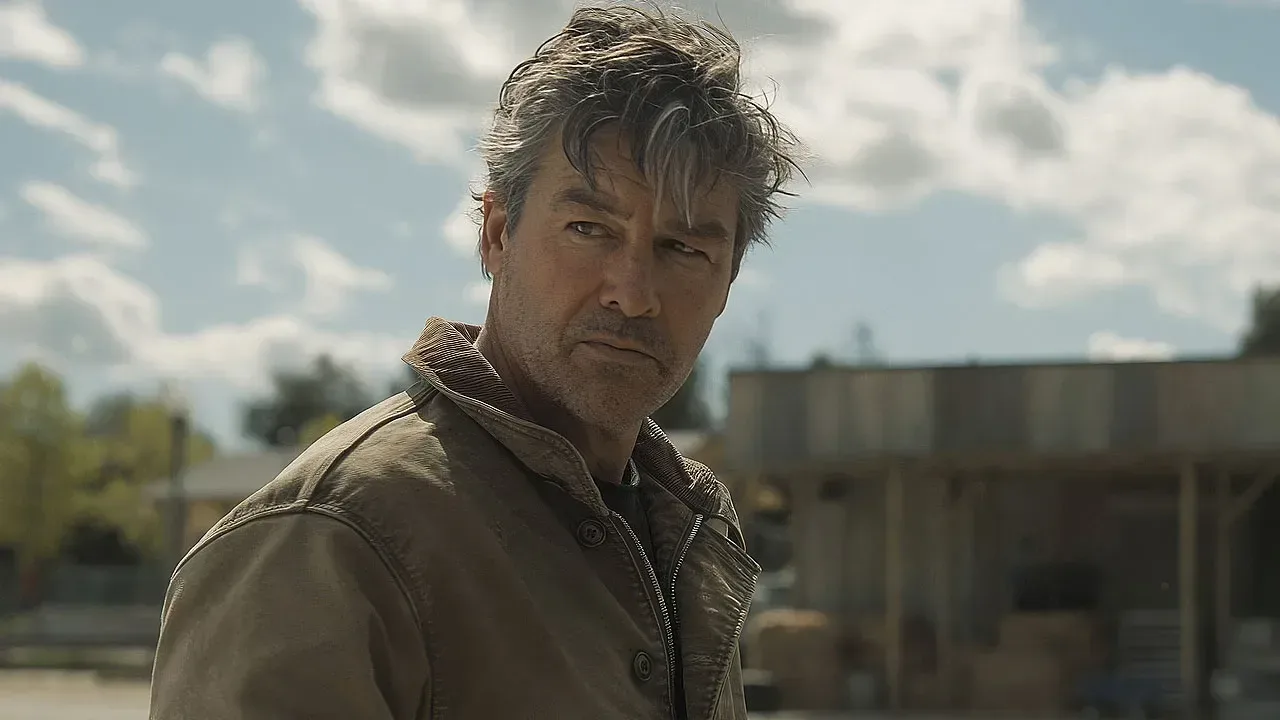
Gunn also portrays Kraglin, the Ravager who becomes a fully fledged member of the Guardians by the end of Guardians of the Galaxy Vol. 3. Playing Kraglin allowed him to stand upright and stretch his legs—an obvious contrast with Rocket’s low, mobile on-set performance.
What this means for a possible Rocket return
At present, there is no confirmed future plan for the Guardians of the Galaxy in the Marvel Cinematic Universe. That uncertainty is important. Gunn said he had not been called to return as Rocket, so this is not confirmation that a project is in development, nor proof that Rocket has been removed from Marvel’s plans. It is a personal retirement from the motion-reference role should such a request arrive.
The third Guardians film leaves the original team in a changed position. Gamora is with the Ravagers. Drax and Nebula are caring for a group of children. Mantis has departed to find her own path. The film also establishes a new Guardians lineup comprising Rocket, Groot and Kraglin alongside Adam Warlock, Cosmo the Space Dog and Phyla.
That ending leaves room for stories featuring Rocket and the newer team, but room is not the same thing as a confirmed plan. It remains unclear whether any of those characters will return, and there is no indication of another Guardians of the Galaxy movie arriving soon.
Marvel has said Chris Pratt’s Star-Lord will appear again at some point. Beyond that, specific possibilities remain speculation. A future Rocket appearance could theoretically use another motion-reference performer, but no replacement has been announced and no project requiring one has been confirmed.
A franchise transition with a production-level consequence
Sean Gunn’s decision lands at a moment when the Guardians’ screen future is already in transition. The group’s third film functions as a substantial endpoint for several familiar characters while deliberately putting a different configuration on the board. That means a future appearance would not necessarily resemble the earlier trilogy’s setup even before accounting for a new person doing Rocket’s physical reference work.
There is also a notable family connection in the background. Sean Gunn’s brother, James Gunn, wrote and directed the Guardians of the Galaxy films, but now leads the DCU. That makes another immediate Guardians film seem less likely, though it does not by itself establish what Marvel will or will not make. For more on the shifting DC-side conversation around James Gunn’s work, see the ongoing discussion around his comments on Lanterns.
For Rocket, the key takeaway is narrow but significant: the character can still exist as a Marvel character, and Cooper remains identified as Rocket’s voice performer, but Sean Gunn no longer intends to endure the crouch-and-pivot routine that supported Rocket’s physical presence on set.
It is a sensible boundary from an actor whose contribution is easy to overlook precisely because it was designed to disappear into the final illusion. Rocket’s sarcastic edge, emotional arc and visual credibility have depended on multiple crafts working together. If Marvel calls on the character again, that collaboration may continue—but the person doing the scuttling at ankle level would need to be someone new.