Major spoilers for Lanterns through Episode 6 follow.
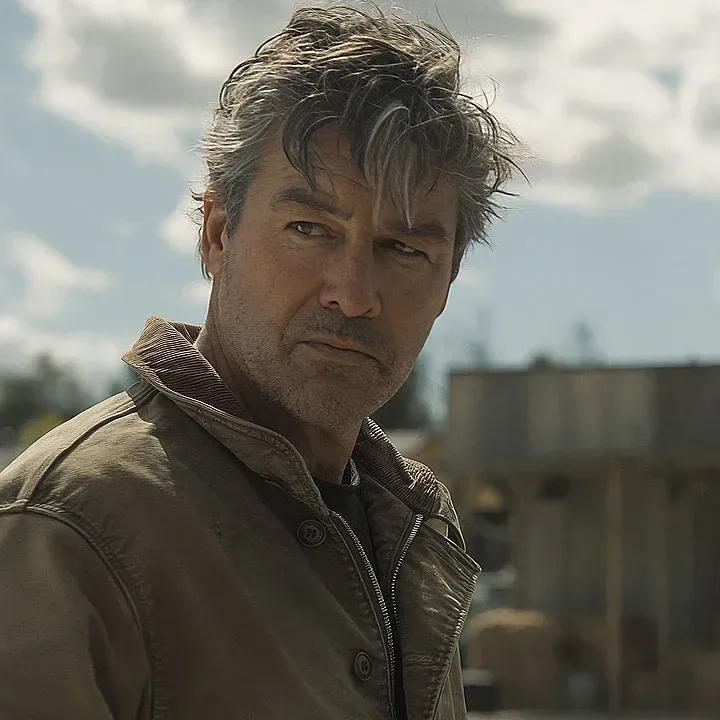
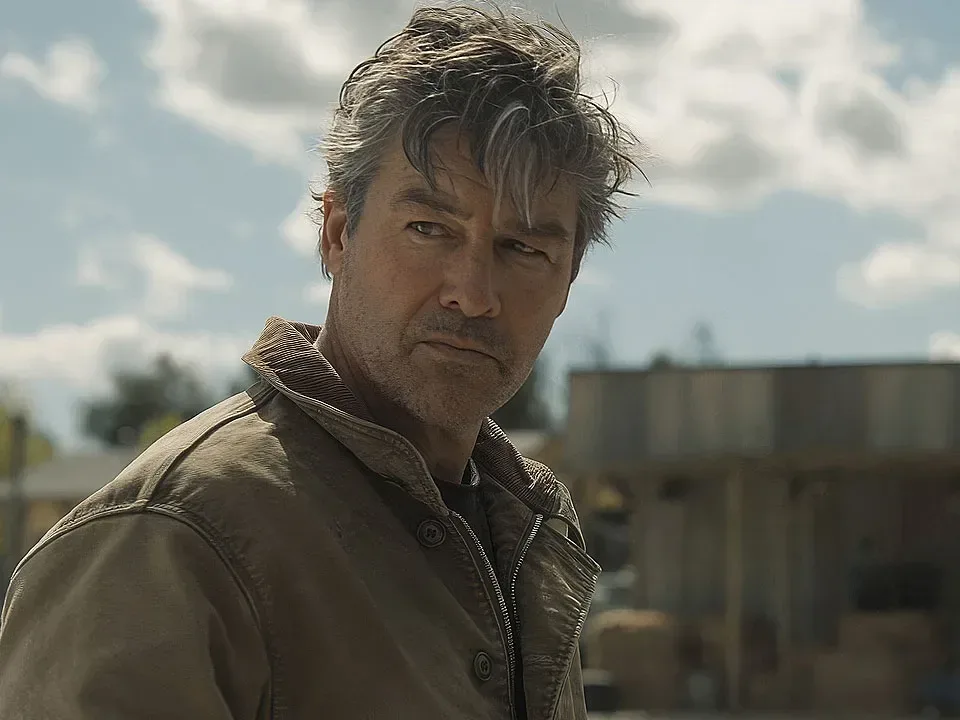
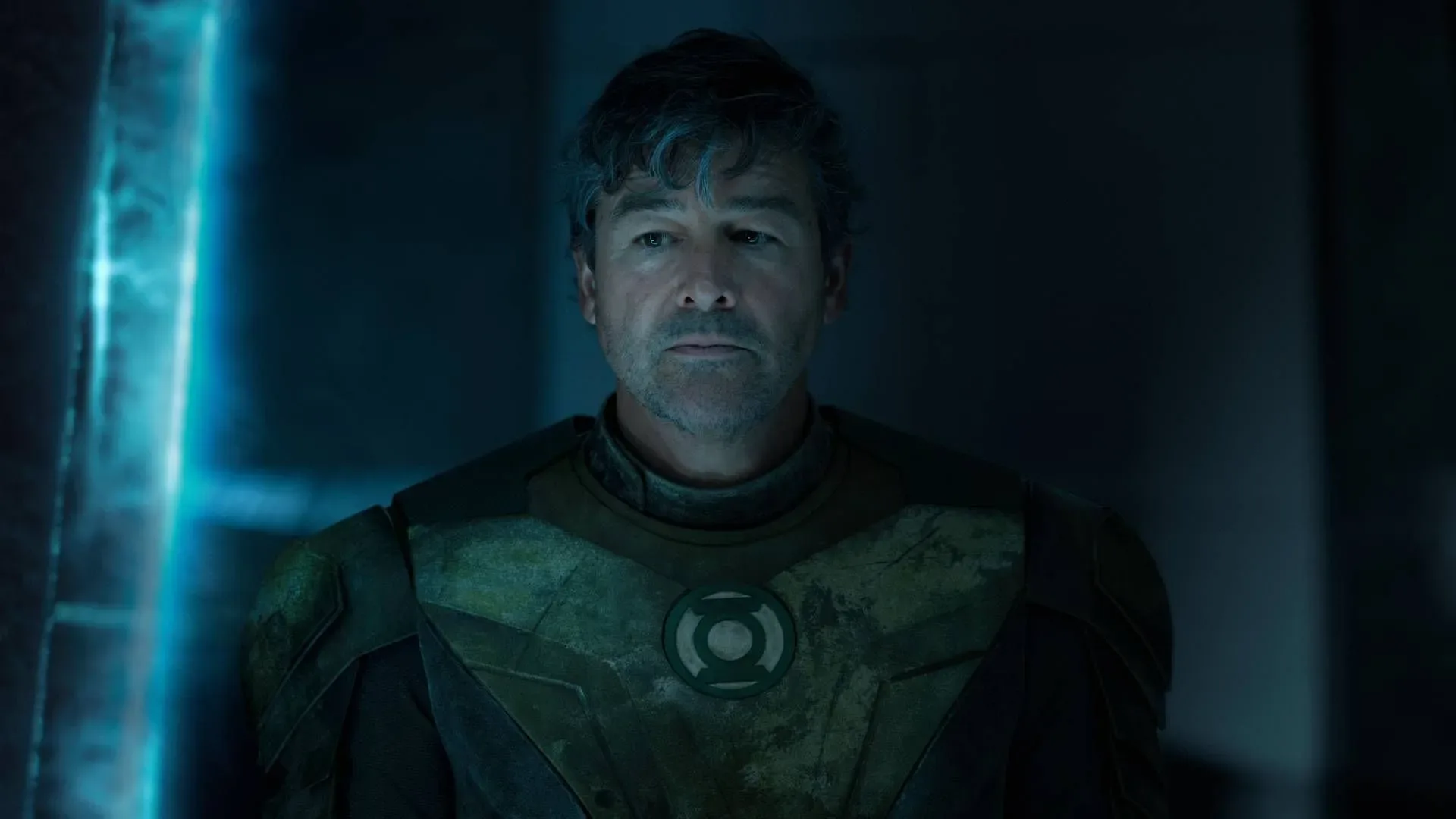
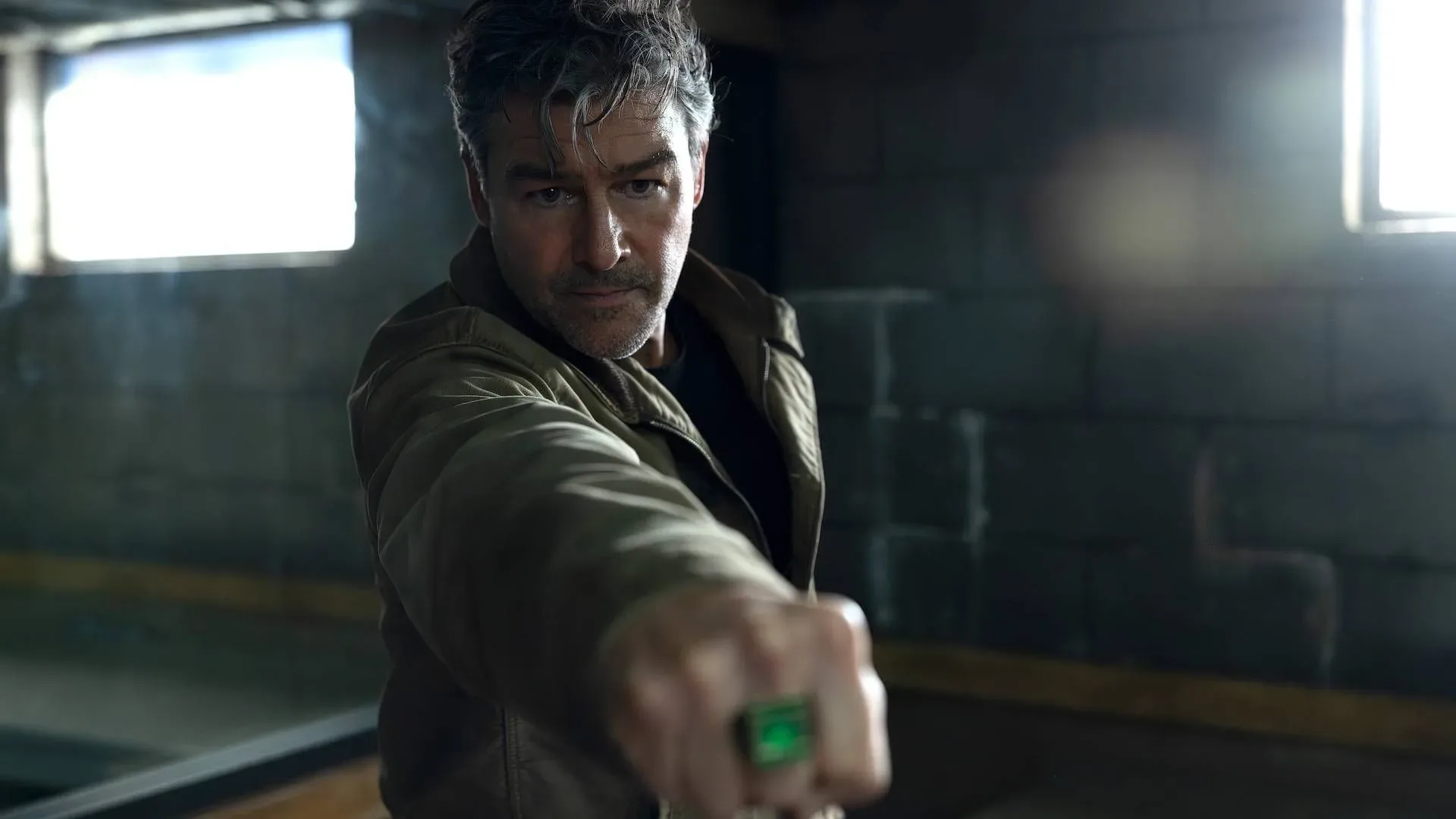
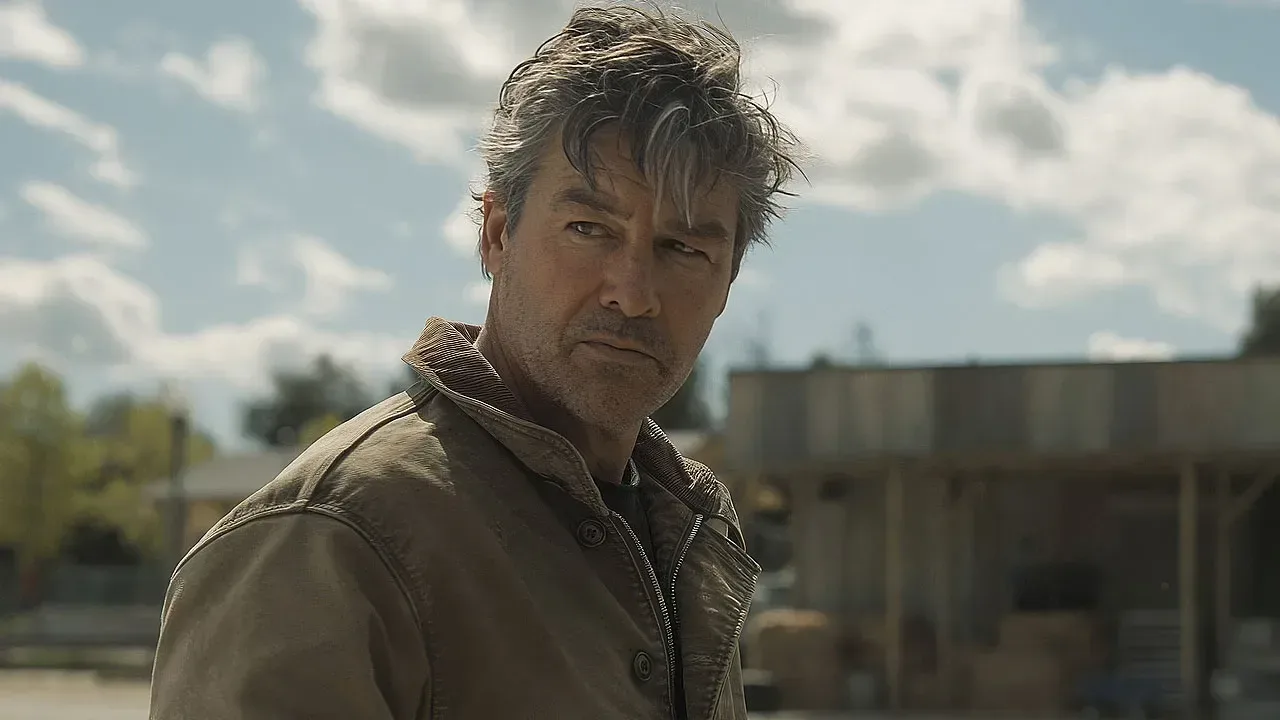
Lanterns opened with a startling proposition: Hal Jordan, played by Kyle Chandler, appears to have been murdered in 2026. The series then moved back to 2016, putting viewers into a story that initially seemed separate from that image. It is a structure built to create suspicion, and it has worked a little too effectively for some fans. For an audience that had waited a long time to see Hal in a major DC live-action role, beginning with his apparent corpse felt less like a mystery hook and more like a premature farewell.
DC Studios co-chief James Gunn has now addressed that frustration directly. His response argues that viewers have not been deprived of Hal Jordan at all: Hal has been a star of the series and has appeared in every episode so far. More intriguingly, Gunn declined to treat the opening scene as the final answer some viewers believe it to be.
“Us knowing the time of his death, if that’s exactly what that is, is absolutely not the same thing as killing him off right away.”
That conditional phrasing—“if that’s exactly what that is”—is why the response has become a focal point for the show’s speculation. It is not a confirmation that Hal survived. It is, however, a conspicuous refusal to definitively confirm that the frozen body seen in the premiere is the real Hal Jordan or that the audience fully understands the event.
The difference between a death reveal and a character exit
The criticism aimed at Lanterns rests on a reasonable emotional distinction. A story can show viewers that a character dies at a specific point in the future, but that does not necessarily mean the character has left the present-tense drama. In this case, much of the series unfolds in 2016, and Hal remains a major presence in that earlier timeline.
Gunn’s response is centered on exactly that difference. Knowing the apparent date of a death is not identical to eliminating a character from the story at the start. The show can still explore who Hal is, what choices lead to the later crisis, and how his relationship with John Stewart connects to the case. Chandler’s performance has also evidently landed well with audiences, making the concern less about a lack of material in the episodes already released and more about whether this version of Hal has a future beyond the series’ central mystery.
Episode 6 added another layer of certainty on the surface by showing Hal’s funeral. Yet a funeral is a powerful dramatic statement, not automatically a complete factual explanation in a mystery series. The show has made the circumstances of the apparent murder the point of its 2026 plotline, rather than simply using Hal’s death as a fixed piece of backstory.
Lanterns is now playing as a whodunnit
After Episode 5, the narrative returned to 2026 and shifted into a whodunnit centered on John Stewart’s effort to solve Hal’s murder. A whodunnit is a mystery format in which the audience is invited to assess the evidence, motives, suspects, and assumptions alongside the investigator. The key word there is “assumptions.” A successful whodunnit often withholds not just the perpetrator’s identity, but some part of the underlying truth of the crime.
That does not mean every suspicious detail is a twist waiting to happen. It means the series has presented an unresolved case, and viewers are reading its early scenes through that lens. The gap between the 2016 material and the 2026 investigation is especially important: it lets the audience watch Hal in one period while seeing the devastating outcome supposedly awaiting him in another.
One theory circulating among viewers is that the body from the premiere may be a copy rather than Hal himself. At present, that is only a fan theory, not an established plot fact. Still, Gunn’s choice not to describe the apparent death in absolute terms gives the idea more room than a flat denial would have. With two episodes remaining, the show has time to either validate that suspicion or reveal a different explanation for why the opening was framed with such apparent finality.
Why Gunn’s answer matters without resolving anything
Gunn did more than leave a grammatical escape hatch. He also defended the creative treatment of Hal as a character, calling Chandler “amazing in the role” and saying the team loves Hal despite his imperfections. That matters because the social-media criticism was not simply a request for a plot clarification. It accused the series of failing to respect a character who helped make the comics popular.
His answer rejects the premise that mystery equals disrespect. The creative argument is that Hal’s value to the series comes from his sustained presence and narrative importance, not solely from whether he makes it out of the 2026 storyline alive. Gunn also said Hal is a major reason the show has connected with both fans and newcomers. In other words, the series is asking viewers to see Hal as central to its identity even while it places his apparent fate in doubt.
That approach carries a risk. Audiences are generally comfortable with a mystery when it feels like the story is deliberately building toward an answer; they are less forgiving when they feel a beloved character has been used only for shock value. The remaining episodes will determine which reading has more weight. A clear resolution could reframe the premiere as a carefully planted question. A less satisfying answer could leave the opening death and funeral feeling like an unnecessarily confrontational way to introduce a long-awaited live-action Hal.
What is confirmed, what is inference, and what remains unknown
The conversation around this plot has moved quickly, so separating what the series has shown from what fans hope it means is useful.
- Shown in the series: Episode 1 depicts a murdered Hal Jordan in 2026 before moving back to 2016. Episode 6 shows his funeral.
- Confirmed by Gunn: Hal has been a starring presence across the episodes released so far, and Chandler’s work has been praised by the DC Studios co-chief.
- Not confirmed: Whether the body is truly Hal, whether his apparent death is exactly what it seems, and whether Chandler will continue as Hal in a future DC project.
- Fan inference: The body may be some form of copy and the real Hal may still be alive. The language in Gunn’s response supports continued uncertainty, but it does not prove that theory.
It is also worth separating a possible survival reveal from broader franchise plans. There has been no indication that Chandler’s Hal will appear in next year’s Man of Tomorrow, and a second season of Lanterns has not been presented as a certainty here. Those remain possibilities fans may discuss, not announced outcomes.
Guy Gardner is the clearer DCU throughline
While Hal’s status is the immediate mystery, Nathan Fillion’s Guy Gardner has a more plainly established position across the current DCU. Guy appears in Superman, Peacemaker Season 2, and Lanterns, and is expected to return in Man of Tomorrow. That makes him a visible connective thread between projects, regardless of how the Hal investigation ends.
The contrast is useful. Guy’s ongoing appearances show that DCU continuity can be carried by a character whose place in the wider slate is overt. Hal, meanwhile, has been positioned as the dramatic center of a contained mystery: constantly present in the story, but surrounded by questions about his future. Neither role diminishes the other, but they create very different viewing experiences for fans of the Green Lantern corner of DC.
Comic-book adaptations often have to balance two audiences at once: viewers who want a self-contained television mystery and longtime fans who are watching for the character’s long-term place in a shared universe. Lanterns has deliberately placed Hal at the point where those expectations collide. The series has provided substantial time with him, as Gunn notes, while putting an apparent endpoint in front of viewers from its first episode.
For now, Gunn’s message is best read as a request not to confuse an apparent future death with a lack of Hal Jordan on screen—and as a reminder that the show has not necessarily explained all that it has shown. Whether that ambiguity is a clue to survival, a different trick in the case, or simply careful wording will depend on the final two episodes.
For another look at how screen adaptations can reshape the stakes around an established franchise, see how Sonic’s film revival changed Sega’s outlook on the franchise.