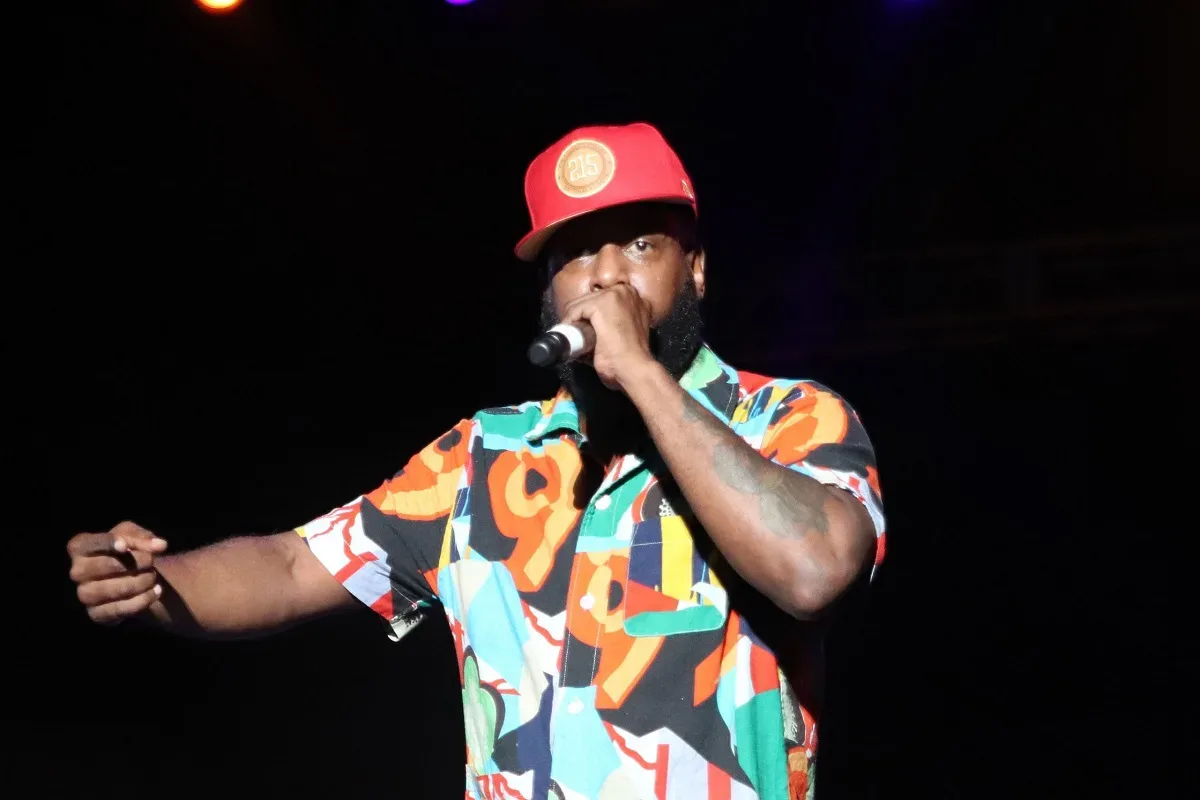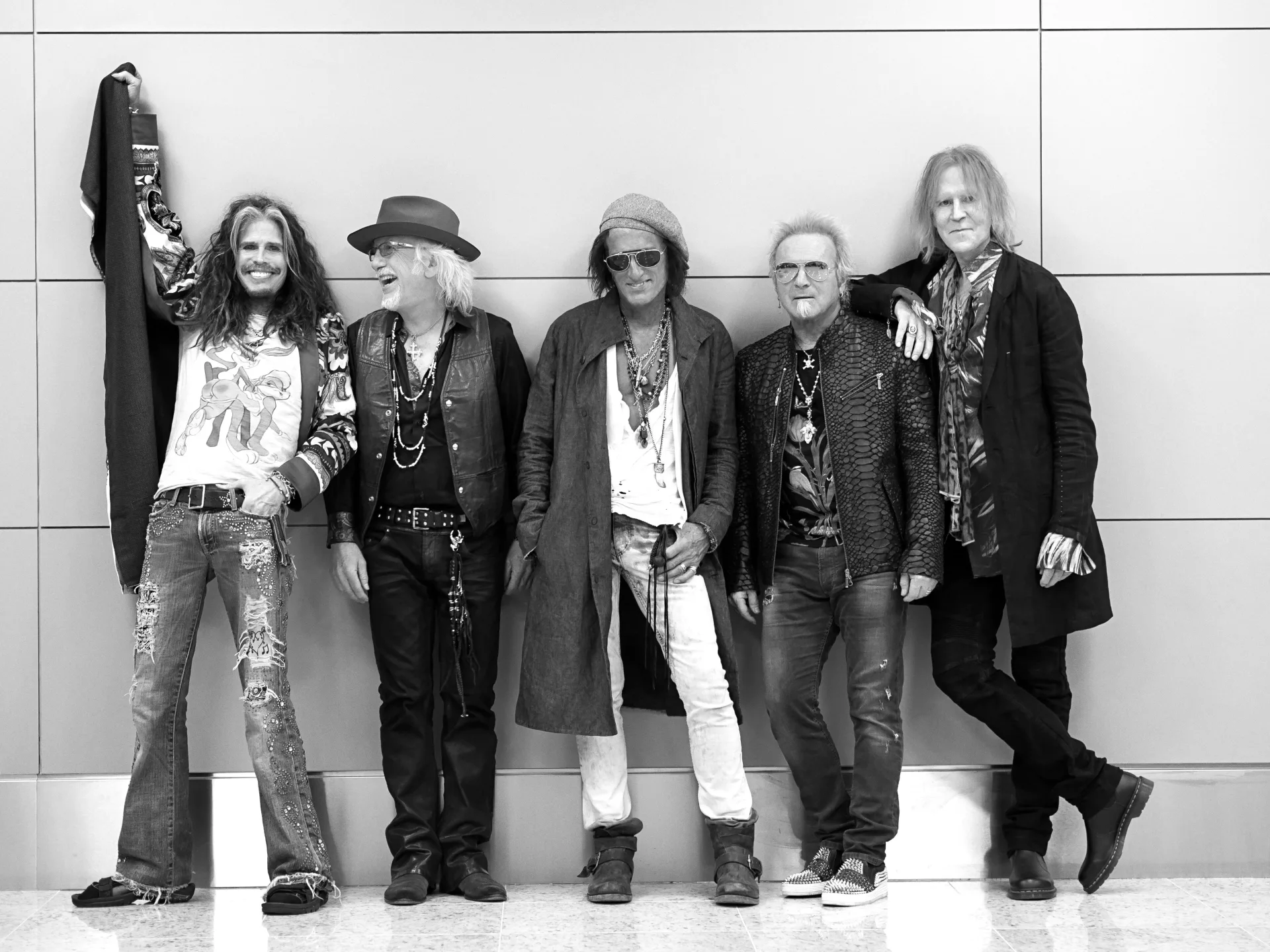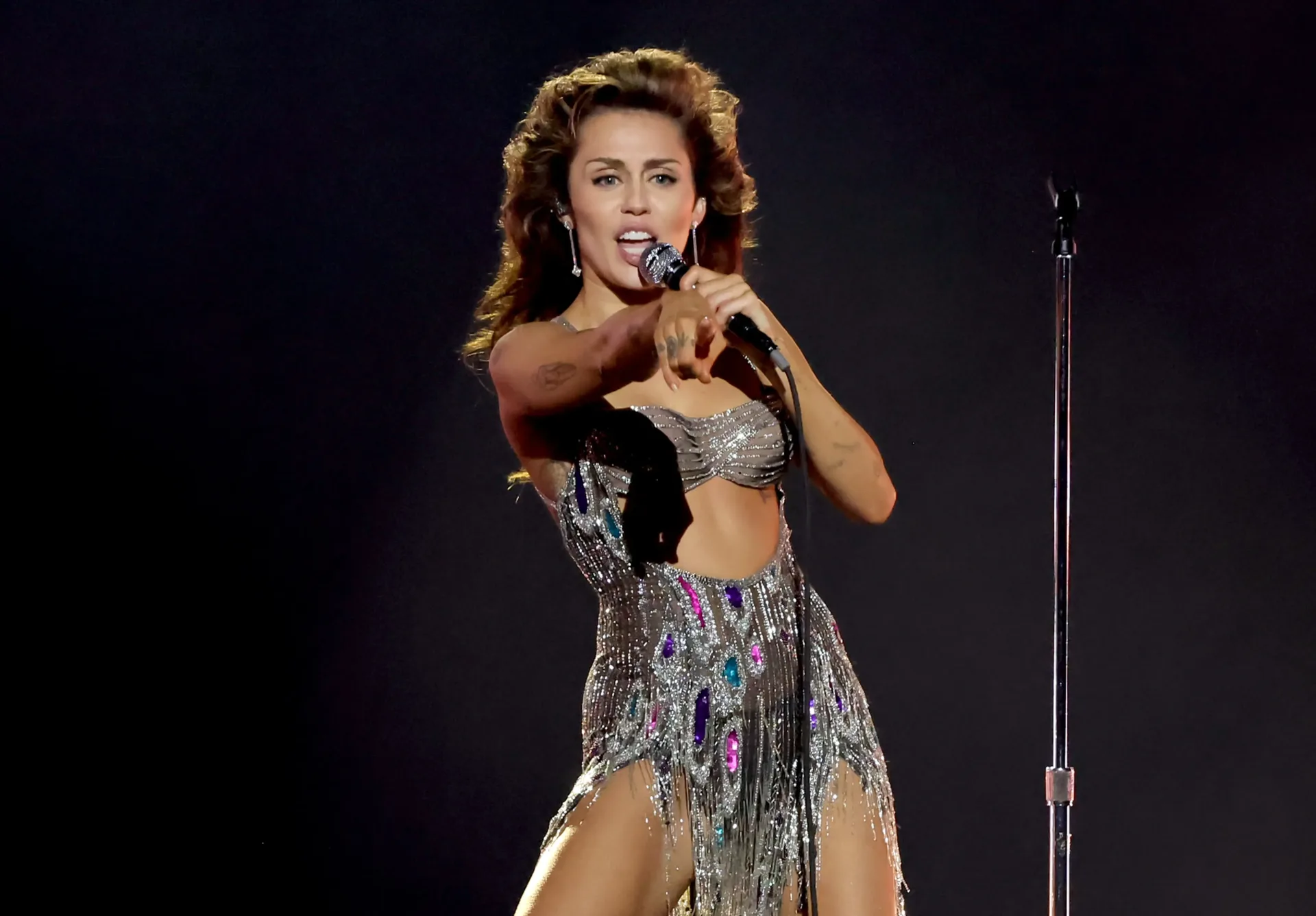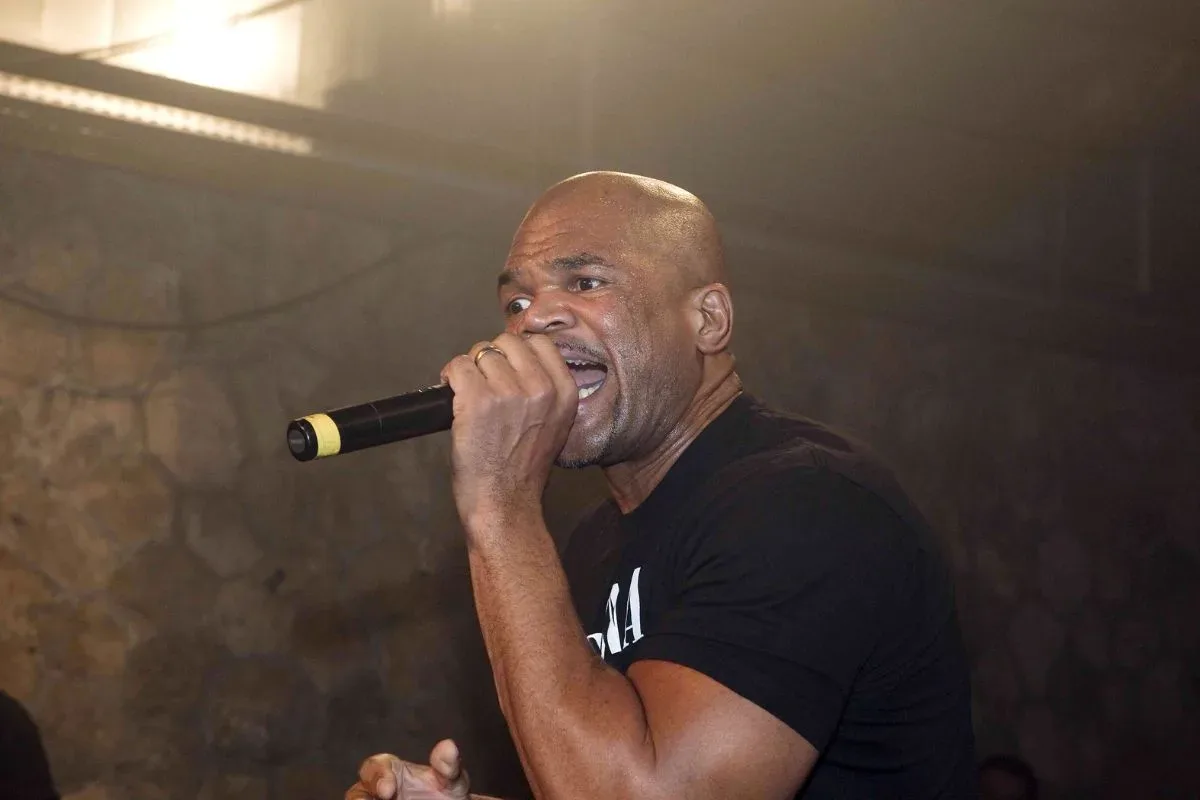
Run-DMC joined Aerosmith onstage for “Walk This Way” at the Hollywood Bowl on November 1, delivering a live reunion tied directly to the pair’s landmark 1986 collaboration. The appearance came two days after DMC was involved in a collision on a Los Angeles freeway, an incident in which his management said that he and the other people involved were okay.
The timing gave the performance an extra note of relief. DMC had been involved in a crash with a garbage truck on October 30. The collision call was received at 11:43 a.m. on the eastbound 105 Freeway near the 110 Freeway. DMC reportedly complained of minor pain, while video from the scene showed him standing and speaking with fire department personnel.
By Sunday night, however, DMC and Rev Run were both onstage as part of Aerosmith’s closing set at the second of two California, Dream On: Aerosmith & Friends concerts. Their place on the Hollywood Bowl bill had already been confirmed weeks earlier, on October 7, meaning the crash did not create the collaboration—it simply placed an unexpected question mark over an already scheduled return.
A performance built around a shared song
Aerosmith began “Walk This Way” before pausing to introduce Run-DMC. Steven Tyler told the audience that the song required some particular people, then Rev Run and DMC entered from opposite sides of the stage. The staging made the entrance feel like a formal reunion rather than a casual guest cameo: Aerosmith opened the song, and the rap duo arrived to complete the version audiences associate with their partnership.
Both Aerosmith drummers, Joey Kramer and John Douglas, played during the performance. That detail underscores the scale of the closing-set moment. This was not a stripped-back tribute or an abbreviated appearance; it brought together the featured vocalists with two drummers and the band’s full concert presentation.
Tyler explicitly connected the performance to the groups’ prior work together, saying they had broken through a wall together and shown listeners what they had been missing. The remark is best understood as an onstage reflection on the cultural reach of their 1986 “Walk This Way” collaboration—not a new claim about any future studio project or tour plans.
One especially specific piece of visual continuity came from guitarist Joe Perry. He played the same Guild X-100 Bladerunner guitar used in the original “Walk This Way” video. For fans who follow the physical details behind famous performances, that is more than a piece of stage gear: it links the Hollywood Bowl rendition to the earlier collaboration through an identifiable instrument with a documented connection to that video.
Why the guitar detail matters
In concert coverage, instruments can be easy to treat as decoration. Here, the Guild X-100 Bladerunner functions as a deliberate historical reference. Perry did not merely play a guitar resembling one from the video; he used the same instrument. That makes it a tangible through-line between the 1986 visual performance and the 2026 stage reunion.
It is also a reminder that musical history is often carried by objects as well as recordings. A guitar can retain meaning because of the songs, videos and performers associated with it. The value of that connection is historical and emotional, not something that can be reduced here to a price or a claim about ownership beyond the performance detail itself. What is clear is that the instrument’s use added another layer of recognition for an audience watching artists revisit a well-known collaboration.
That kind of material continuity can matter in the wider culture around music, memorabilia and archives. Fans interested in hip-hop’s ongoing cultural record may also find related context in this look at a Bed-Stuy hip-hop and books celebration. In both cases, the larger point is preservation: performances, objects and community spaces can all help keep creative histories visible.
The crash and what is known
The freeway collision occurred on Friday, October 30, before the November 1 show. It involved a garbage truck, and management confirmed that everyone involved was okay. The available information also indicates that DMC reported minor pain after the crash.
Those facts should not be expanded into assumptions about injuries, treatment, fault or the circumstances of the collision. No such details are established here. Likewise, the subsequent Hollywood Bowl appearance shows that DMC performed two days later, but it does not offer a medical assessment or settle any questions beyond what was publicly reported.
The most practical takeaway for attendees and fans was straightforward: the scheduled Run-DMC appearance went ahead. Rev Run and DMC both took part in “Walk This Way,” preserving the intended connection between the guests and Aerosmith’s own set.
How the Hollywood Bowl bill came together
The two-show Hollywood Bowl run took place on October 29 and November 1 under the California, Dream On: Aerosmith & Friends banner. The advance bill said that guests would vary by night, so the announced lineup should not be read as a promise that every artist would appear at both concerts.
Guns N’ Roses, the Black Crowes and Heart performed songs from Aerosmith’s catalog before Aerosmith took over for its own set. On November 1, Aerosmith played seven songs to close the show, with Run-DMC’s “Walk This Way” appearance part of that finale.
The format matters because it frames the evening as more than a standard Aerosmith concert. Other established rock acts played material from Aerosmith’s catalog, after which Aerosmith delivered its own closing stretch and brought on Run-DMC for the song most clearly identified with the groups’ shared history. The programming gave “Walk This Way” a natural climactic position without requiring any claim that it was the only important moment of the evening.
No settled answer on Aerosmith’s future
The event also produced conflicting language about whether the two concerts represented Aerosmith’s final shows. Host Bill Burr described them that way, but Tyler rejected that characterization on November 1. The Hollywood Bowl dates therefore ended the two-show run without providing a definitive answer about the band’s future live plans.
That distinction is important. A host’s description can reflect the mood or framing of an event, while a band member’s response can point in a different direction. Based on the information available, it would be inaccurate to declare the Hollywood Bowl performances a final farewell—or, conversely, to claim that additional shows have been confirmed. Neither conclusion is established.
For now, the confirmed record is narrower and more memorable: Aerosmith closed its November 1 Hollywood Bowl show with a seven-song set, Run-DMC joined for “Walk This Way,” Perry played the Guild X-100 Bladerunner associated with the 1986 video, and DMC made the appearance shortly after a freeway crash in which management said everyone involved was okay.
A reunion with careful context
There is a temptation to turn any high-profile reunion into a sweeping statement about a band’s future, a rapper’s health, or the long-term plans of everyone involved. The evidence supports something more focused. Run-DMC’s appearance was announced before the October 30 collision. DMC was reportedly okay after the incident, though he had minor pain. And the planned performance proceeded on November 1.
Within those boundaries, the moment carried real significance. The artists returned to “Walk This Way” together, Tyler acknowledged their shared history, and Perry brought a historically connected guitar back into the performance. It was a reunion constructed not just around a song title, but around the people and physical details that made the earlier collaboration enduring.