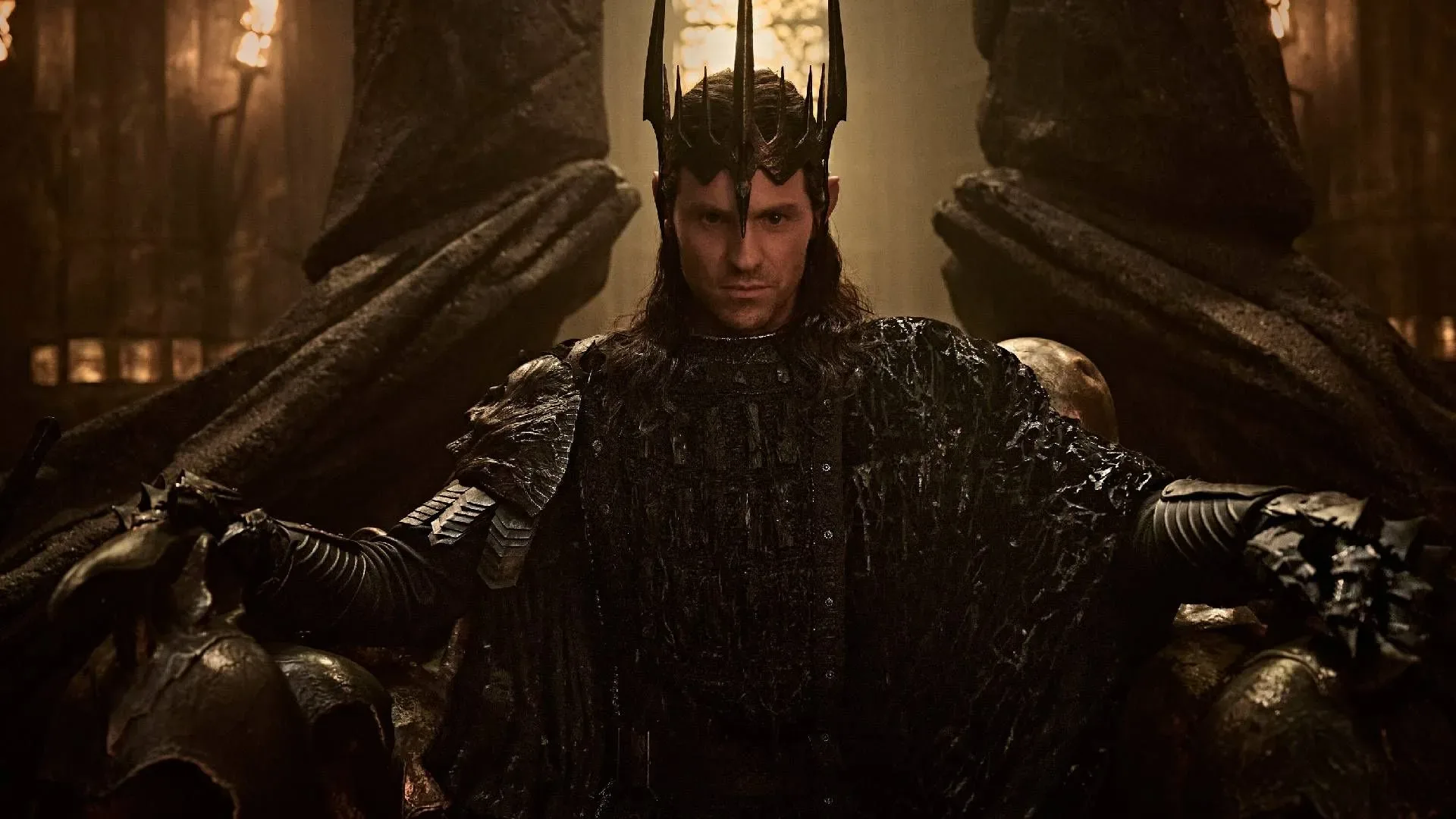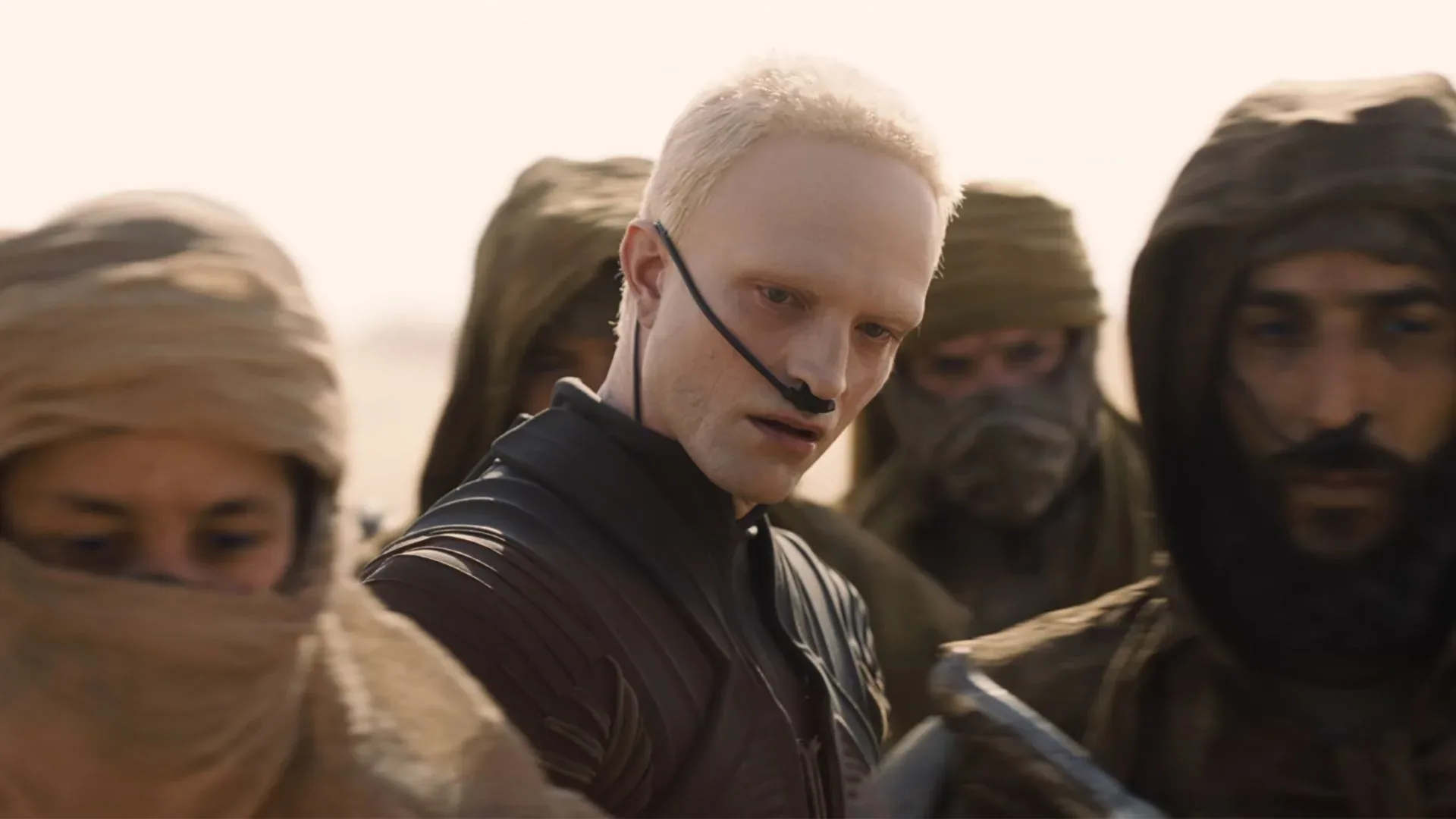

Robert Pattinson has been selected as the 40th recipient of the American Cinematheque Award, with the organization set to celebrate him on Feb. 9, 2027, at the Beverly Hilton in Beverly Hills. The recognition puts a spotlight on a career that has moved deliberately between blockbuster franchises, filmmaker-driven dramas, thrillers and major studio productions.
The 40th honoree had previously been Ryan Gosling. A scheduling conflict for Gosling, whose gala had originally been planned for Nov. 2, led to the event being postponed into 2027. Pattinson will now receive the award at the rescheduled ceremony.
American Cinematheque board chair Rick Nicita described Pattinson’s work as marked by dedication, bold creative choices and versatility. That is the central case for the selection: Pattinson’s screen career has not stayed in one commercial or critical lane. He became internationally recognizable through franchise work, then repeatedly sought projects whose styles, scales and directors vary sharply from one another.
What the American Cinematheque Award recognizes
The American Cinematheque Award is a career honor rather than an award for one individual performance or film. In Pattinson’s case, the organization is recognizing a two-decade body of work and the impact of choices made across it.
That distinction matters. A performance prize usually asks voters to weigh a particular role within a specific year. A career recognition instead looks at the larger pattern: the kinds of films an actor helps make, the creative collaborators they return to, their ability to work in different modes, and their continuing place in the industry.
The annual gala is also a fundraiser for the nonprofit organization’s year-round programming at the Aero Theatre in Santa Monica, the Los Feliz 3 Theatre in Los Feliz and the Egyptian Theatre in Hollywood. In practical terms, the event connects a high-profile acting honor to the organization’s ongoing exhibition work at those venues.
Pattinson joins prior recipients that include Michael B. Jordan, Eddie Murphy, Steven Spielberg, Martin Scorsese, Jodie Foster, Denzel Washington, Nicole Kidman and George Clooney. Washington is also set to co-star with Pattinson in the upcoming film The Take.
From franchise breakout to a deliberately varied filmography
Pattinson’s early mainstream profile was shaped by the Harry Potter and Twilight franchises. Franchise acting can create a remarkably durable association between a performer and a single character or world, especially when audiences encounter that work repeatedly over several installments. Pattinson’s subsequent career is notable because it has consistently pushed beyond that early identity.
His credits include the Safdie brothers’ Good Time, Robert Eggers’ The Lighthouse, Christopher Nolan’s Tenet, Bong Joon Ho’s Mickey 17 and Die, My Love, in which he appears with Jennifer Lawrence. Those titles do not represent one uniform genre or production model. They point to an actor working across high-concept science fiction, tense crime drama, psychologically intense material and director-led projects with distinctive tonal identities.
That range is the term most often attached to Pattinson, but it is worth defining plainly. In this context, range does not just mean changing accents, costumes or character types. It means moving between stories with very different audience expectations and production demands: a global franchise has different pressures from an intimate independent-minded drama; a Nolan-scale spectacle asks something different of an actor than an unsettling two-hander such as The Lighthouse.
The Batman/Bruce Wayne role illustrates how Pattinson has continued to balance those lanes. He is currently in production on Matt Reeves’ The Batman: Part II, returning to the character after the earlier blockbuster. Superhero roles can become a performer’s dominant public identity, but Pattinson’s broader slate gives the role a place within a much wider body of work rather than making it the sole definition of his career.
A particularly busy 2026 slate
The award arrives after a year in which Pattinson’s work spans several more contrasting parts. In 2026, he starred opposite Zendaya in the dark romance The Drama; played the villainous Atinuous in Christopher Nolan’s epic The Odyssey; and portrayed To Catch a Predator journalist Chris Hansen in Primetime.
Primetime additionally marks the debut feature from Pattinson’s production company, Icki Eneo Arlo. A production company’s role is distinct from an actor’s on-screen credit: it is part of the structure that develops, organizes and brings a film forward. The available details do not outline Icki Eneo Arlo’s wider plans, but the debut establishes Pattinson’s involvement in filmmaking beyond acting.
He closes the year in Denis Villeneuve’s Dune: Part Three as a shape-shifting assassin. Put beside the Batman sequel now in production, the year’s work gives a concise picture of why a career-wide honor is being applied here. Pattinson is moving from romance to epic filmmaking, a real-world media figure, science fiction and superhero cinema without settling into a single screen persona.
There is a broader cultural appeal to that kind of filmography. Audiences may first know an actor from the largest possible franchise, then encounter them in projects that demand different attention. The result is not simply a list of credits; it can change what viewers expect when the actor’s name appears on a cast list. Pattinson’s path from Twilight to filmmakers including Eggers, the Safdies, Bong and Nolan has made unpredictability part of that expectation.
Why the honor’s timing fits
Award ceremonies often celebrate careers at moments when their subjects are especially visible, and Pattinson’s current schedule supplies that visibility. He has major projects connected to Nolan, Villeneuve and Reeves, alongside a producing milestone. At the same time, the selection is explicitly grounded in the accumulated work that preceded this moment, including the shift from his breakout franchises into more eclectic material.
Nicita’s remarks emphasized both sides of that equation: collaborations with major filmmakers and an ability to engage audiences in large studio releases. Neither side cancels the other out. For Pattinson, it is the coexistence of those two modes that makes the recognition coherent.
That balance is increasingly relevant to franchise-focused movie culture. A familiar character can bring viewers into theaters, while director-led work can broaden an actor’s creative reputation and introduce audiences to less conventional films. Pattinson’s career has repeatedly operated at the meeting point between those models. Elsewhere in franchise film conversation, the relationship between connected properties and their creative teams remains a live topic, as seen in discussion around how separate Middle-earth projects may be in conversation with each other.
The change from Gosling’s planned gala
Gosling had been chosen for the 40th American Cinematheque Award before the date change. His conflict with the originally scheduled Nov. 2 gala prompted the postponement to 2027, and Pattinson is now the named honoree for the 40th ceremony.
The shift should not be read as a competitive judgment between the two actors; the stated reason is scheduling. Instead, it gives the 2027 gala a new focal point at a moment when Pattinson is simultaneously working on a Batman follow-up, appearing across several prominent 2026 films and beginning a producing chapter through Icki Eneo Arlo.
The ceremony on Feb. 9 will therefore recognize both the established arc of Pattinson’s career and a present period that keeps expanding it. From the franchises that introduced him to worldwide audiences to the filmmakers and genres that complicated that image, the through line is a willingness to avoid the easy repeat.