Major spoilers for the VisionQuest finale follow.
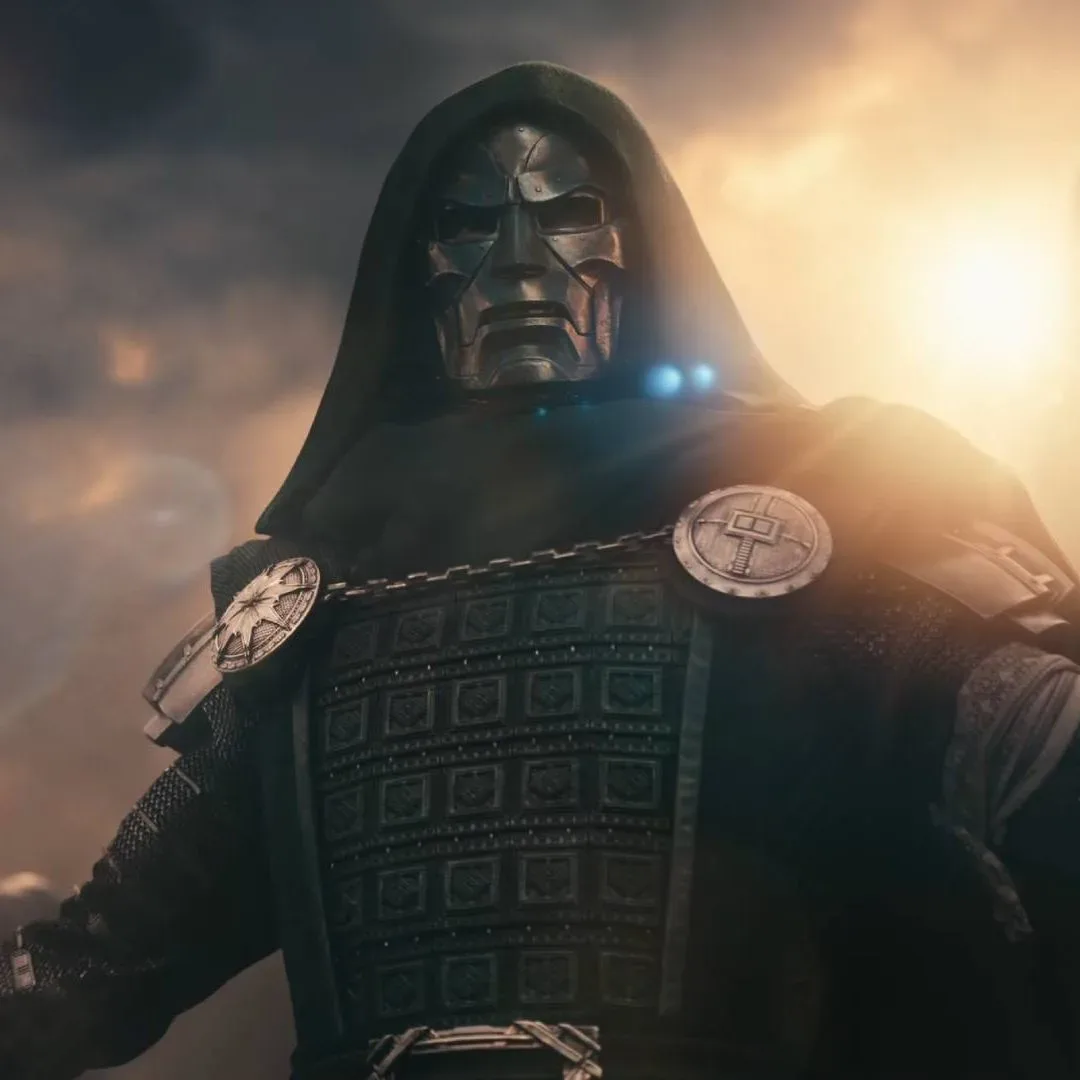
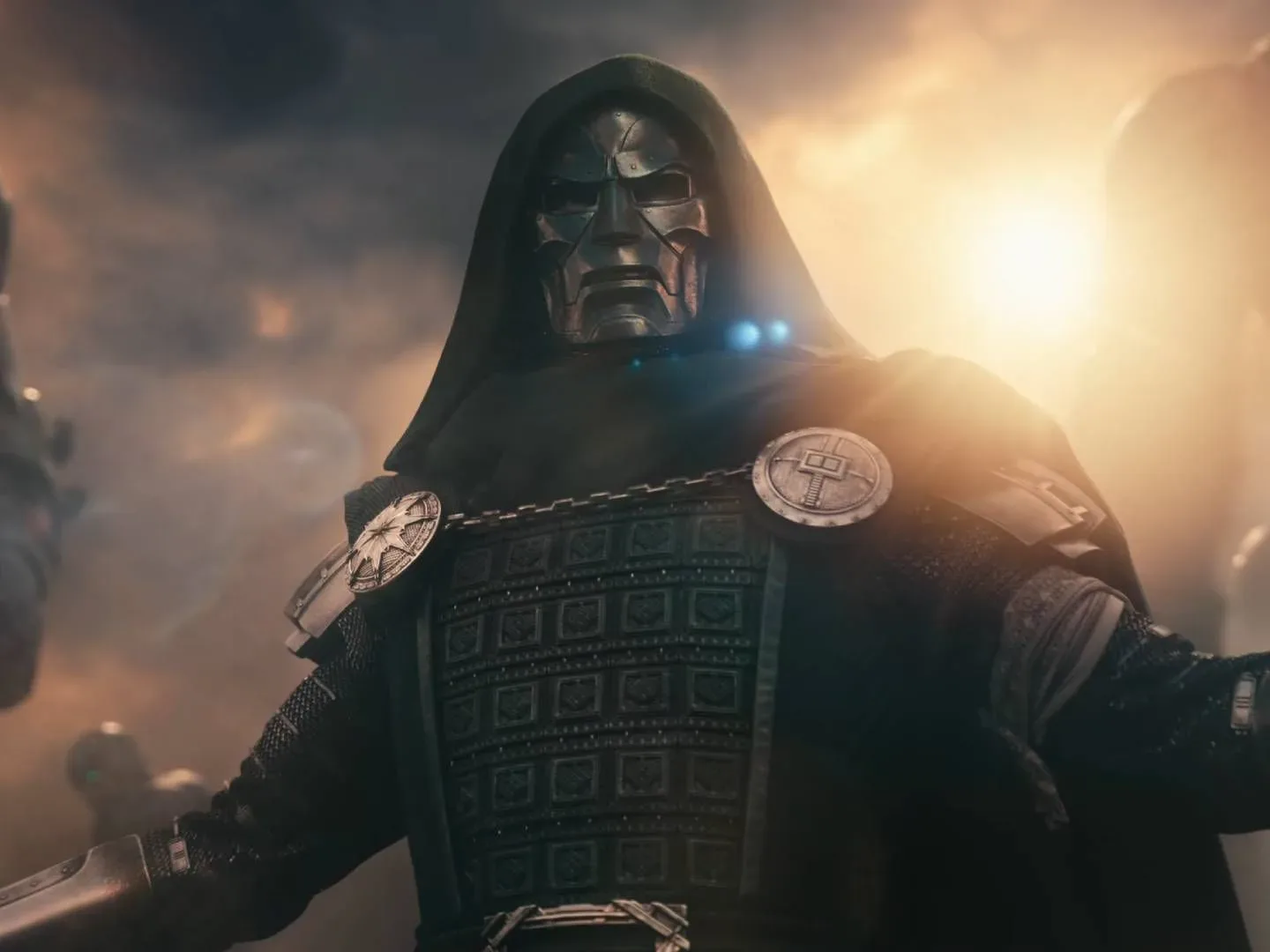
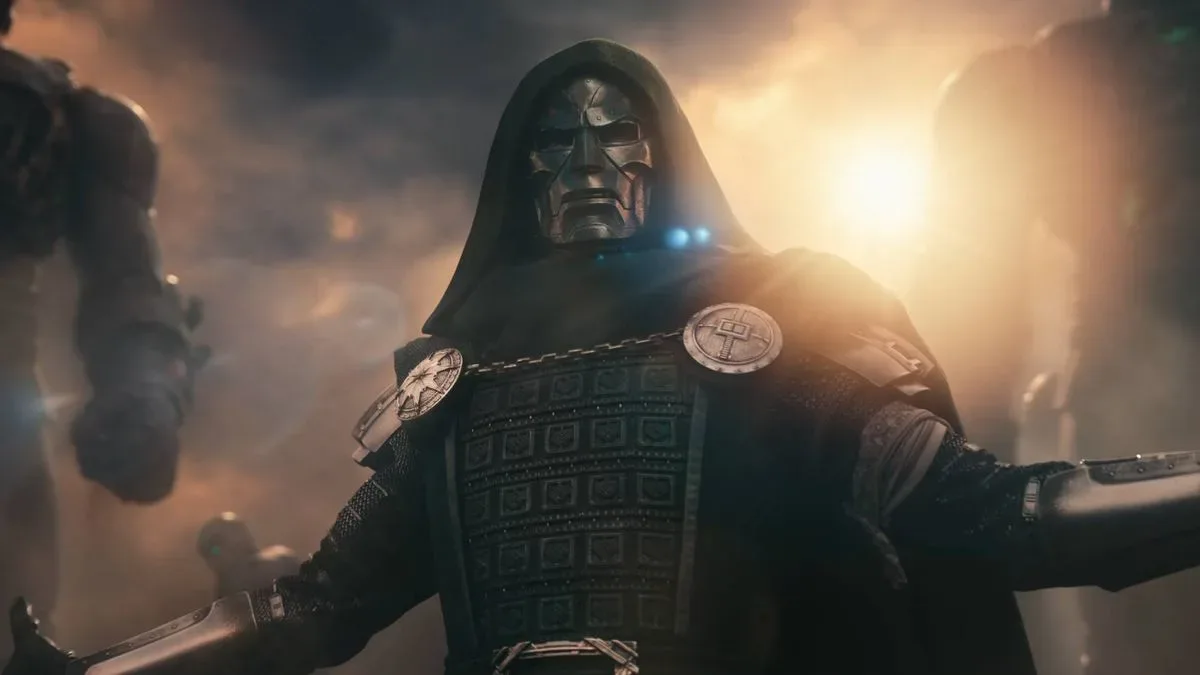
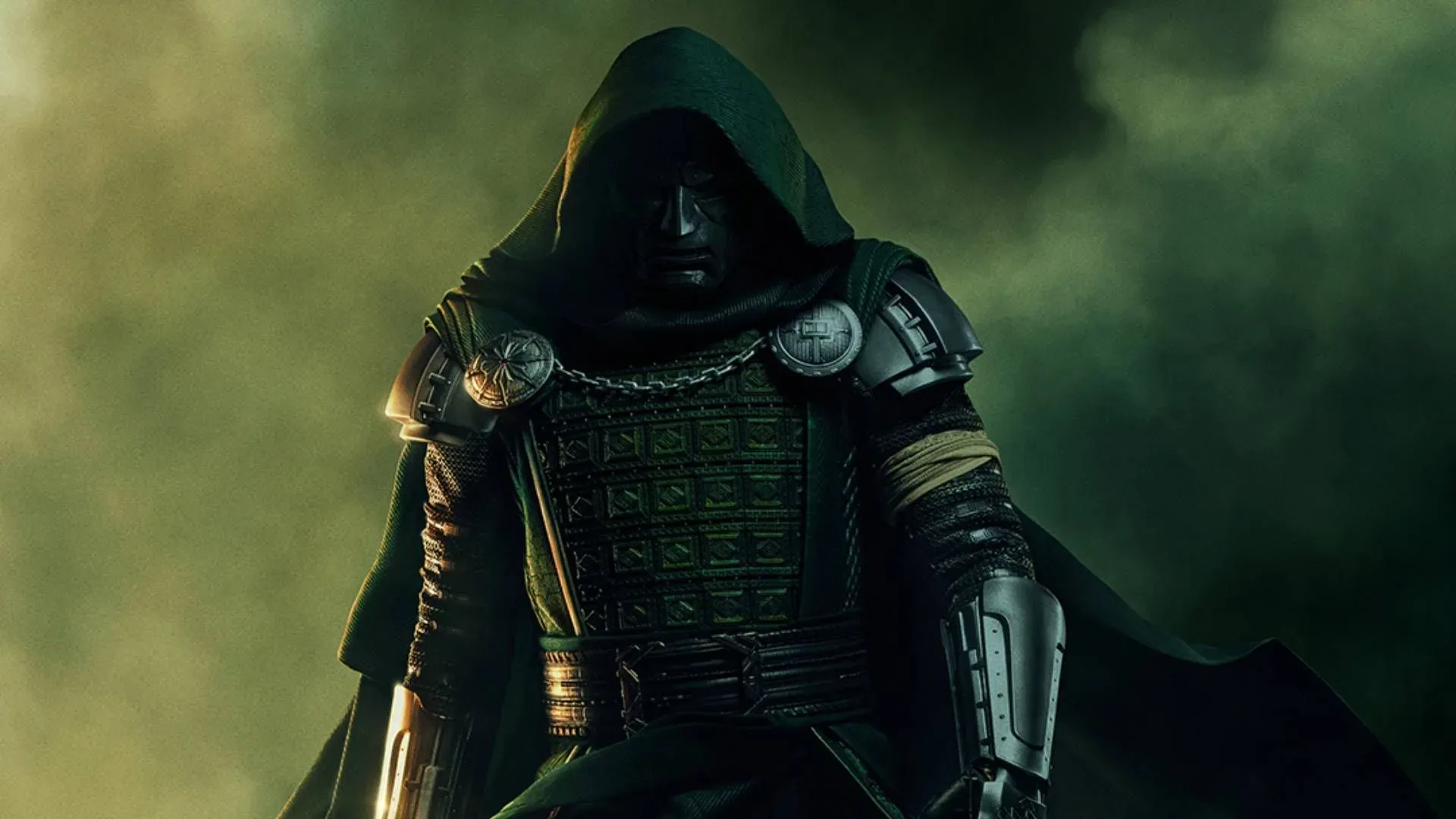
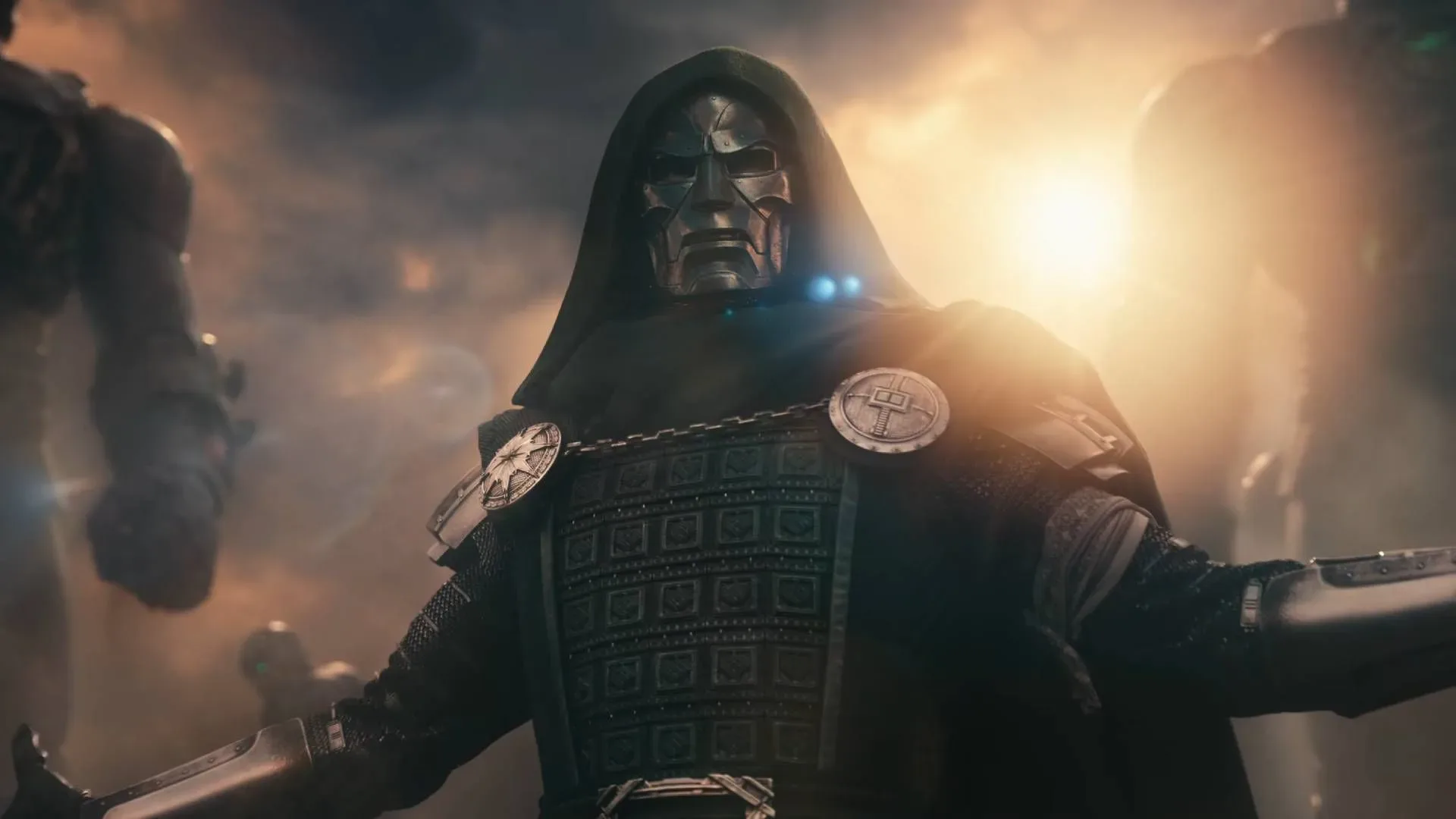
The voice calling to Wanda Maximoff in VisionQuest’s post-credits scene is Robert Downey Jr., showrunner Terry Matalas has confirmed. The brief sequence has substantial implications: Doctor Doom revives the Scarlet Witch, tells her that her power will be his, and positions both characters directly on the road to Avengers: Doomsday.
Matalas also made a point of saying he did not direct the scene himself, and declined to explain too much about how it was put together. That restraint matters. Rather than merely settling a piece of fan speculation about a recognizable voice, the confirmation leaves open a bigger question about what the scene is concealing and how Doom’s arrival, Wanda’s awakening, and Downey’s performance fit into the film still to come.
What happens after VisionQuest’s finale
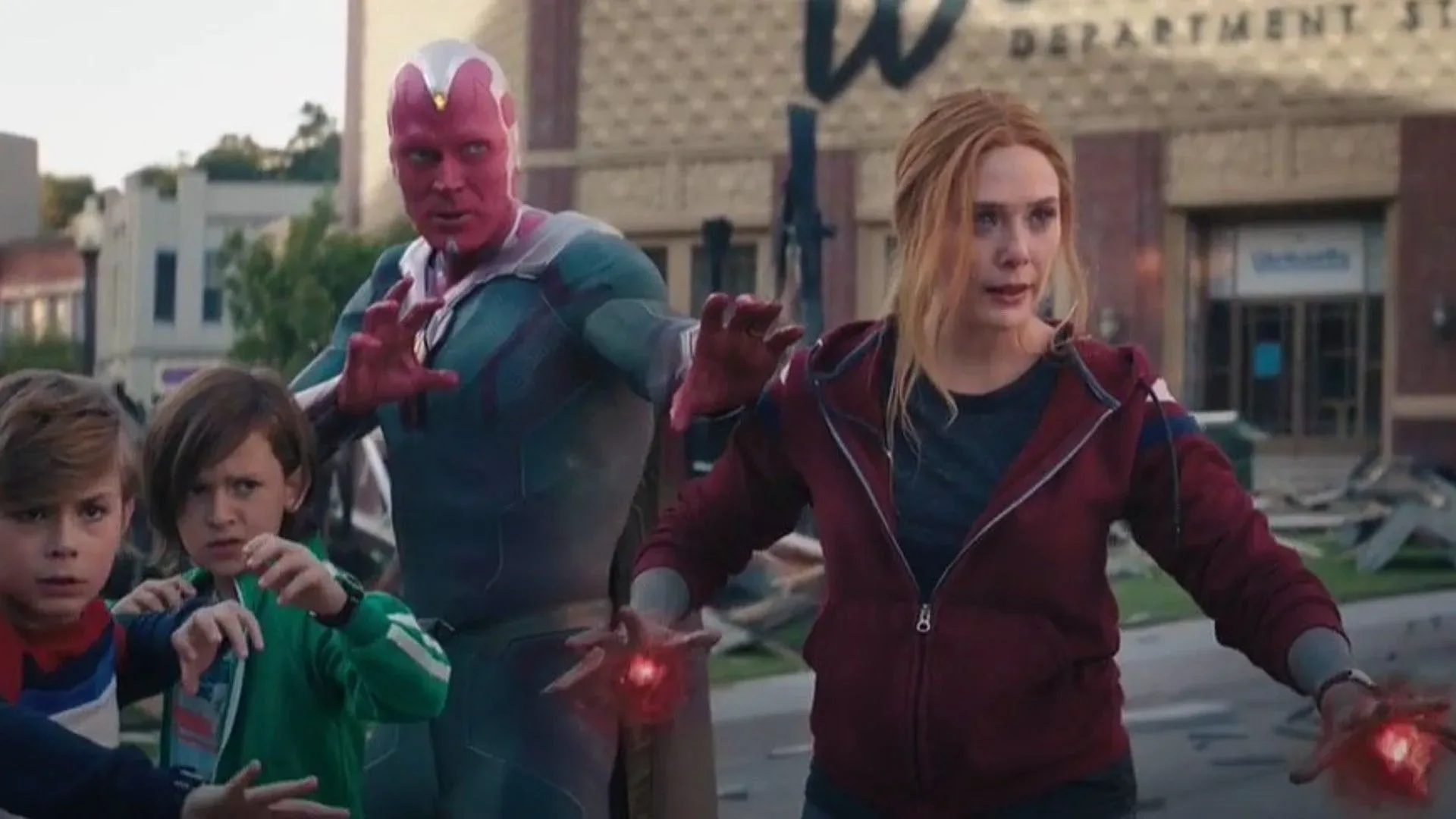
The post-credits scene brings Doctor Doom and Wanda together in a deliberately direct fashion. Doom addresses the previously unresponsive Wanda with the command, “Scarlet Witch, awaken,” followed by the declaration, “Your power will be mine.” Wanda then gasps and opens her eyes.
It is not a vague allusion or a background Easter egg. The moment establishes an active relationship between Doom and Wanda, with Doom framing her extraordinary power as something he intends to possess. Since the scene is said to lead into Avengers: Doomsday, its function is clear even if the exact mechanics are not: it moves Wanda into Doom’s orbit and gives the forthcoming movie a specific conflict to develop.
In shared-universe terms, a post-credits scene is a short tag placed after the main story that often acts as a bridge to a later installment. The device can range from a joke to a major plot setup. This one belongs firmly to the second category. It does not simply confirm that Doom exists; it makes his goal explicit and gives Wanda an immediate role in the larger storyline.
Matalas confirms Downey’s voice, but not every detail behind it
Matalas confirmed that the voice belongs to Downey, while stressing that the line had been designed specifically for this scene. He added that he could not discuss much about the sequence’s construction because doing so could reveal something that has not yet been disclosed.
“That’s Downey’s voice.”
The wording is worth separating into two parts. The first is a straightforward confirmation of the performer. The second is not a confirmation of any particular fan theory. Matalas did not explain what would be spoiled, identify an additional character, or define a twist in the scene. The responsible reading is therefore narrow: the dialogue was purpose-built for this moment, and there is information surrounding its creation or story purpose that the production is intentionally withholding.
That still makes the scene more interesting than an ordinary vocal cameo. If the line were only intended as a surprise identification game, there would be little reason to emphasize that its construction could give something away. The ambiguity encourages viewers to revisit the scene, but it does not yet support a definitive claim about what Doom’s relationship to Wanda will become.
Why the distinction matters
Franchise discussion often turns confirmation into certainty faster than the evidence permits. Here, several facts are established: Downey voiced Doom, Wanda awakens after Doom addresses her, and the scene leads toward Avengers: Doomsday. What remains unconfirmed is equally important. There is no stated explanation for Wanda’s condition before the awakening, the means of her revival, the extent of Doom’s control, or the precise secret Matalas says he cannot reveal.
Keeping those categories separate allows the tag to retain its intended tension. Doom’s language is possessive and threatening, but the scene does not reveal whether Wanda is willingly recruited, manipulated, coerced, or simply awakened into an unfinished situation. Those are the practical story questions Doomsday now has to answer.
An unused Tony Stark idea shows the limits of television budgets
The Doom scene was not the only instance in which Matalas considered using Downey’s voice in VisionQuest. He described an earlier idea involving Tony Stark speaking to Katerina Wells, Mary McDonnell’s character. In that proposed scene, Stark would have demanded access to code, telling her that her time was up and pressing her to sell the code to him.
Matalas characterized that version of Stark as the “old Tony,” specifically Tony before the Jericho missiles. The description establishes that the abandoned concept was not simply an attempt to insert a familiar voice for its own sake. It was conceived as a version of the character from an earlier point in his life, with the dialogue shaped around his interest in acquiring technology for his own purposes.
But the idea did not happen. Matalas explained the core reason in plain terms: VisionQuest had a television budget, and bringing Downey in for that extra material would have been a major ask.
That comparison gives useful context to the completed post-credits moment. The production was willing to consider the dramatic value of a Stark voice appearance, but did not treat every possible callback as affordable or necessary. The Doom line made the final cut because it was crafted for this specific forward-looking scene; the Tony concept remained an unused possibility. In other words, the confirmed appearance should not be read as evidence that every imaginative legacy-character interaction was filmed somewhere offscreen.
Doctor Doom, Wanda, and the next Marvel handoff
The completed tag chooses escalation over nostalgia. The discarded Tony Stark idea would have looked backward to an earlier version of a familiar character. The Doom scene instead moves forward by attaching Wanda to the central threat of the next film. Downey’s presence is still part of the moment, but the narrative emphasis is Doom’s ambition and the Scarlet Witch’s return to consciousness.
That makes Wanda’s response especially significant. She does not speak in the described scene. Her gasp and opened eyes are the entire reply. The economy of that beat prevents the series from resolving her position too quickly. It hands Avengers: Doomsday a character whose power has been explicitly targeted by Doom, while preserving uncertainty over her agency.
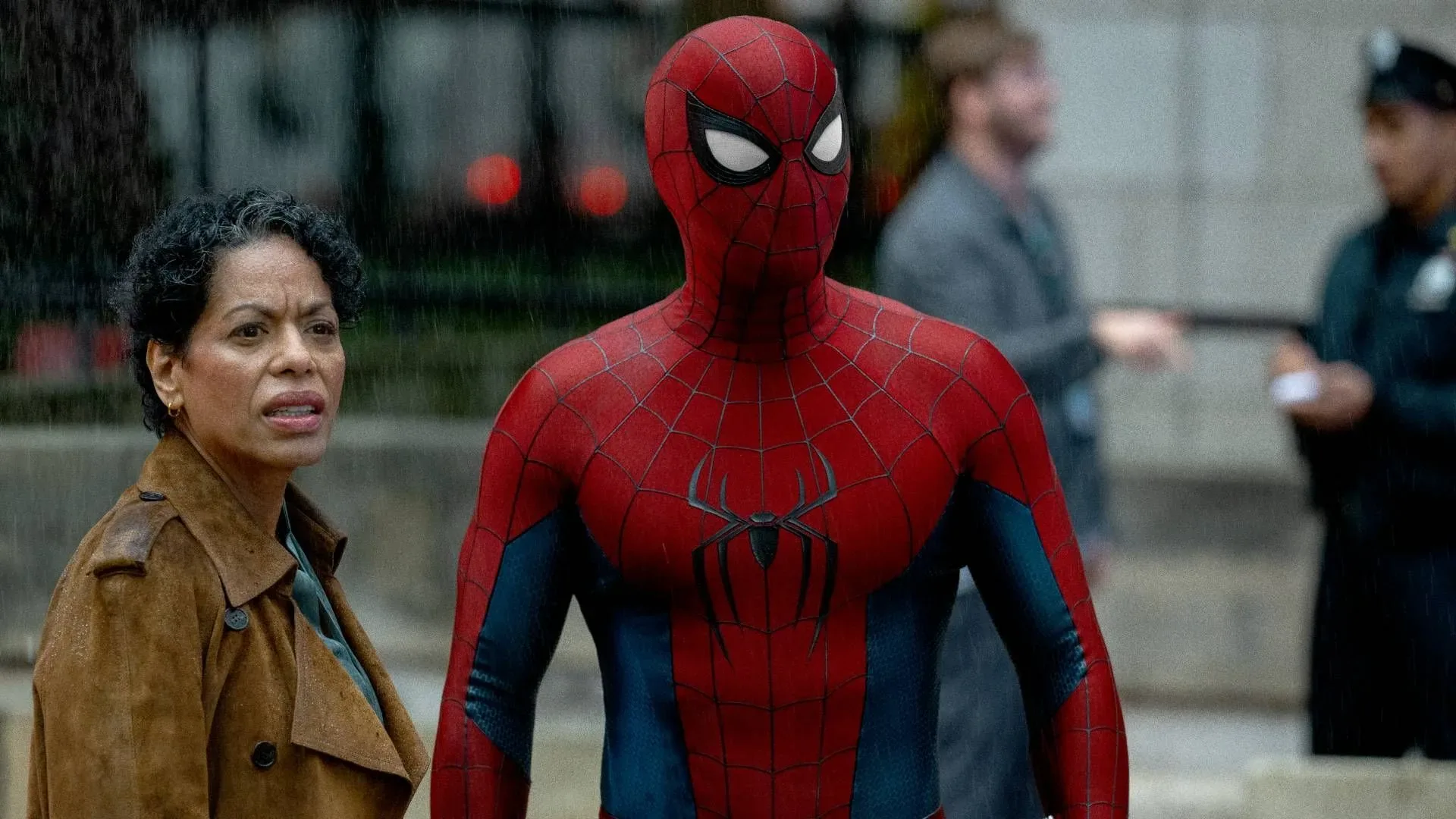
It is also a reminder that major Marvel developments can be staged in television episodes before being paid off theatrically. Viewers who have finished VisionQuest have a direct piece of the next film’s setup; viewers waiting for Doomsday will encounter the consequences of that setup later. For another recent example of how Marvel projects are being discussed in the run-up to the wider slate, see the conversation around Spider-Man: Brand New Day’s ending.
What viewers can take from the scene now
- Robert Downey Jr. is the voice of Doctor Doom in the post-credits sequence.
- Doctor Doom revives Wanda Maximoff and states that he wants her power.
- The sequence is intended to set up Avengers: Doomsday.
- Matalas says the line was designed for this moment, but has not explained every aspect of the scene’s construction.
- An additional Tony Stark voice appearance was considered for VisionQuest but did not proceed because of the show’s budget constraints.
All episodes of VisionQuest are streaming on Disney Plus. Avengers: Doomsday is scheduled to arrive on December 18. Until then, the post-credits scene has accomplished its central job: it confirms a pivotal Doom appearance, puts Wanda in immediate danger, and leaves the most consequential details unresolved.