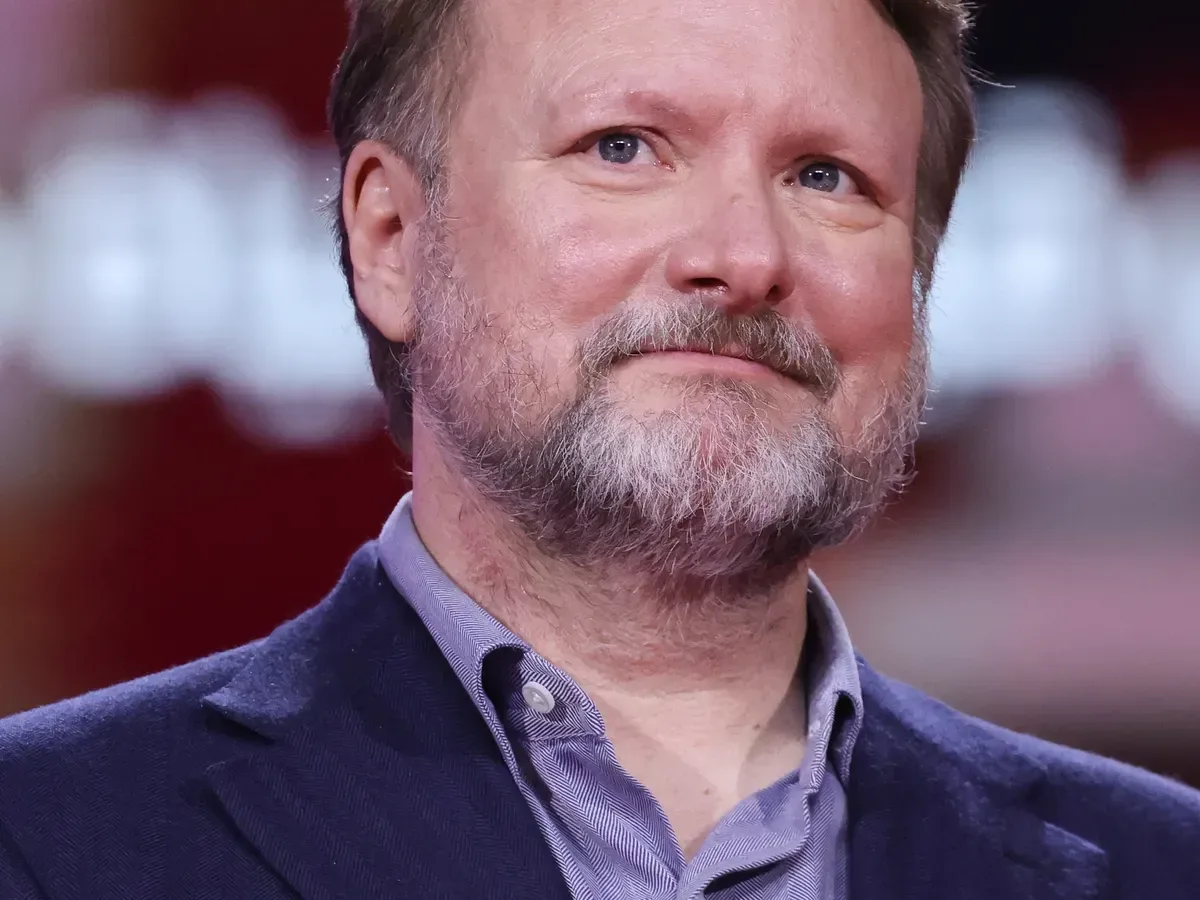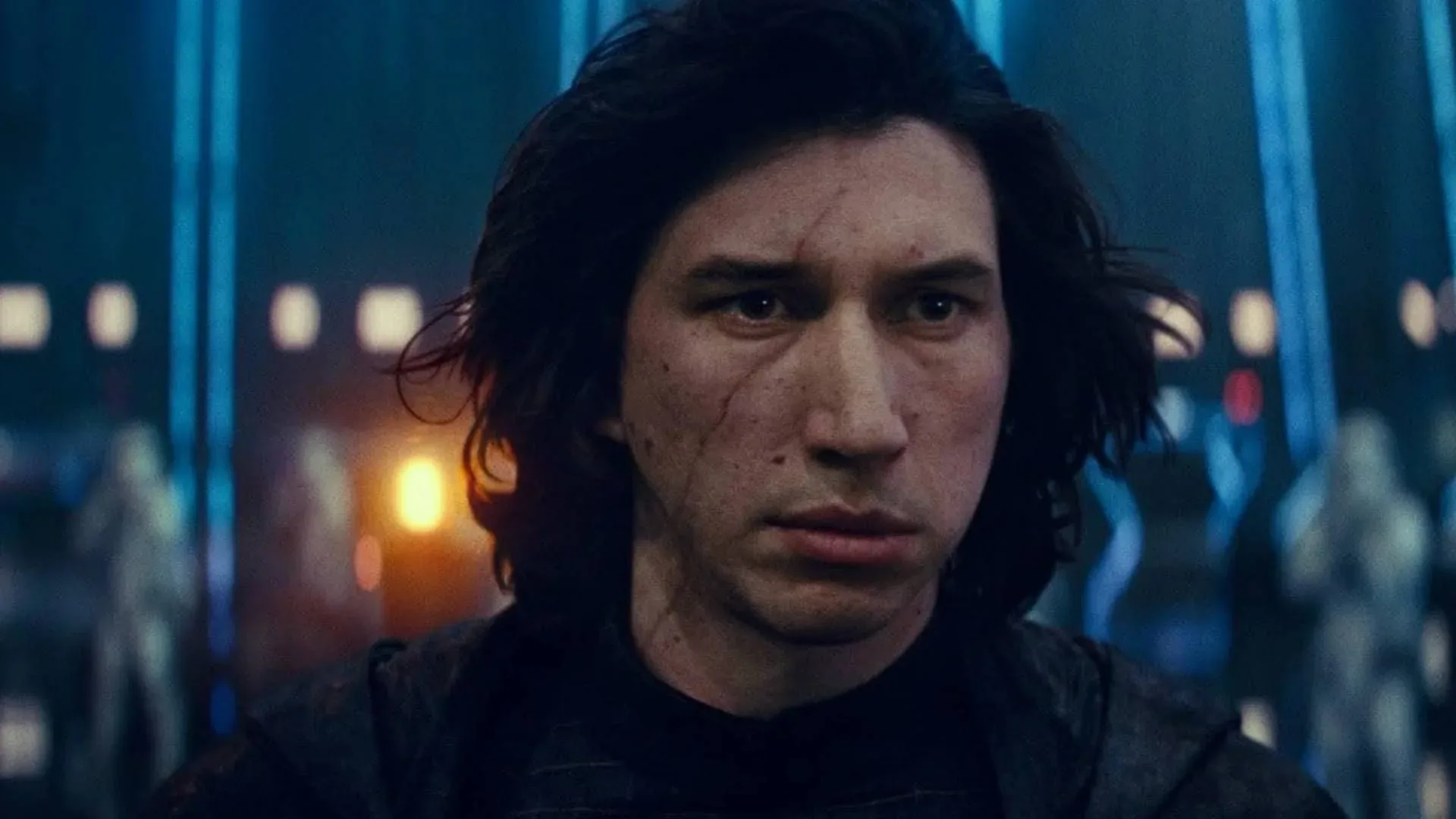
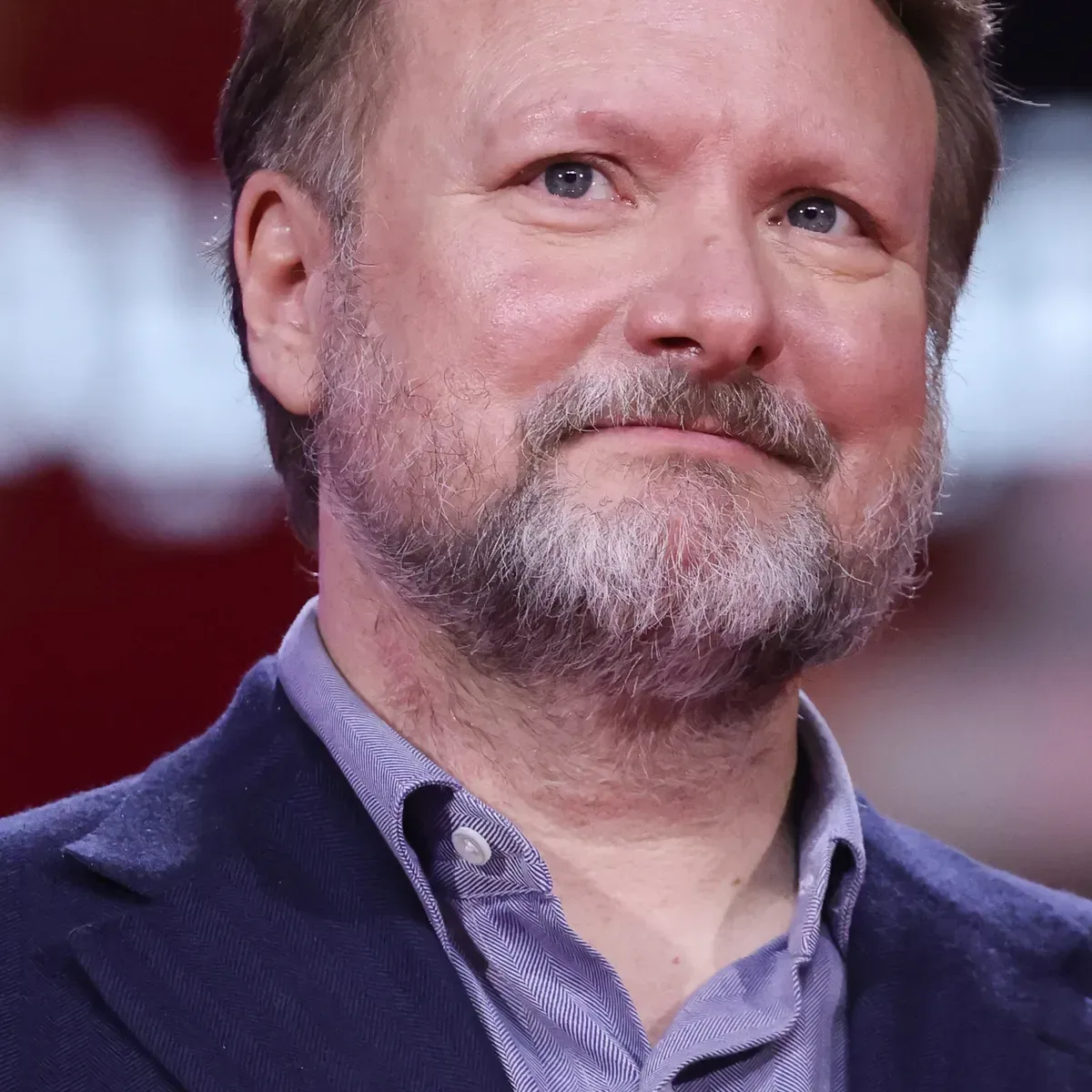
Rian Johnson has not shut the door on returning to Star Wars. Speaking at the Marrakech Film Festival, the filmmaker said his immediate next project will not be tied to either Star Wars or Knives Out, but made clear that he would consider another trip to the franchise if the right opportunity arrived.
“I love Star Wars more now than I ever have,” Johnson said, adding that he is enthusiastic about the number of distinct creative voices working in the setting. It is a notably warm answer from the writer-director of Star Wars: The Last Jedi, whose 2017 release became one of the most vigorously debated films in the franchise.
Johnson’s position is best read as openness, not confirmation. There is no announced Johnson-directed film, no announced production date, and no indication that Lucasfilm has revived the previously discussed trilogy associated with him. His comments establish that he remains willing in principle; they do not establish that a deal, story, or schedule is in place.
What Johnson actually said about a possible return
Johnson said he is already writing his next project, and that it is “not a Star Wars thing or a Knives Out thing.” He also stressed that he is enjoying making original work. Still, he described the franchise as a world he loves deeply and said he would be interested should an appropriate opening emerge.
That distinction matters. Creative interest and an active development project are very different stages in major film production. A filmmaker can be attached to an idea, discussing an idea, or simply receptive to an idea without a film entering a studio’s public slate. Johnson’s comments place him in the last category based on the available information.
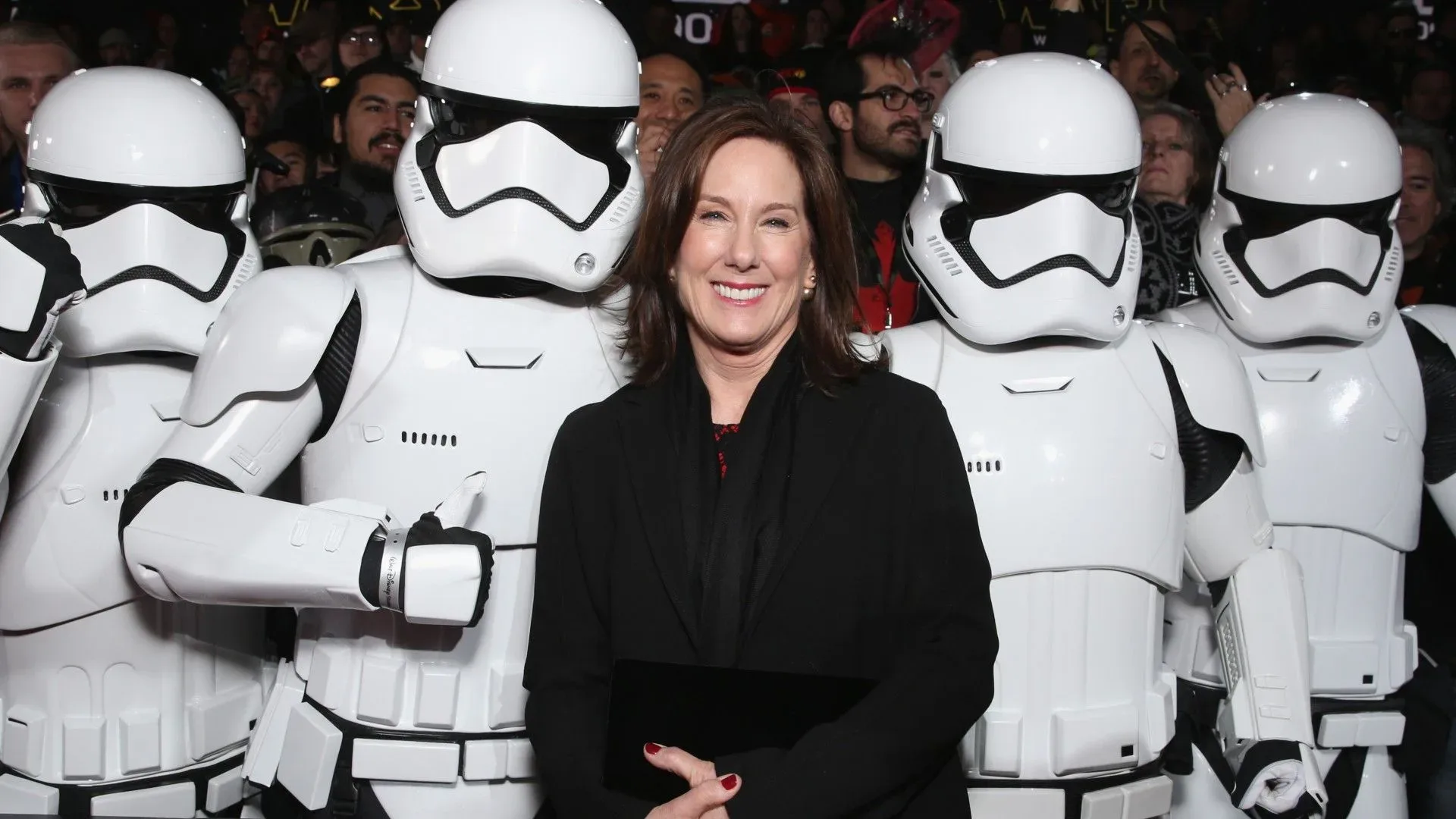
He also spoke positively of Lucasfilm co-president Dave Filoni, whom he got to know while making The Last Jedi. Johnson called Filoni someone with the spirit of Star Wars, and praised the people at Lucasfilm more broadly. That collegial tone suggests that the turbulent public conversation around his film has not soured his feelings toward the people who made it with him.
Why The Last Jedi remains such a major point of discussion
Released in 2017 as the middle chapter of Disney’s sequel trilogy, The Last Jedi earned strong critical notices before drawing substantial criticism from parts of the fan base. The intensity of the disagreement was unusual even for a property with a long history and highly engaged audience.
The core of the divide was not simply whether viewers enjoyed the movie. It centered on what many viewers believe a continuing franchise should do. Johnson’s film took prominent characters and ongoing conflicts in directions that challenged some familiar expectations. Supporters saw that approach as a deliberate effort to add uncertainty and thematic ambition to a saga built on mythology. Detractors felt the choices clashed with character arcs, story setups, or the emotional promises they associated with earlier entries.
Johnson has previously indicated that he expected some resistance and that he was proud to have made bold narrative choices rather than a film designed only to satisfy anticipated demands. That outlook helps explain why the conversation has endured. The disagreement was about creative philosophy as much as individual plot points.
In franchise terms, a retcon—short for “retroactive continuity”—is a later story decision that alters, reinterprets, or moves away from an earlier piece of canon. Subsequent choices in Star Wars: The Rise of Skywalker were widely viewed as revisiting or redirecting some story paths established in The Last Jedi. Whether one regards those decisions as corrections, compromises, or simply a new creative direction depends heavily on one’s view of the trilogy itself. What is clear is that the three films did not maintain one unbroken creative voice from beginning to end.
A return would happen in a different Lucasfilm landscape
Johnson’s original proposed Star Wars trilogy faded from public view after its earlier discussion. In the intervening years, Lucasfilm’s screen strategy has shifted repeatedly, with streaming series, announced film projects that have not reached release, leadership changes, and an uncertain longer-term theatrical plan all shaping the conversation.
The next named theatrical release is Star Wars: Starfighter, scheduled for May 28. Beyond that, the picture is less settled. A project or trilogy written by Simon Kinberg has been reported as moving forward, while several other previously announced movie ideas have either stalled or disappeared from the active conversation. This is why Johnson’s willingness is interesting without being immediately actionable: the franchise’s broader film roadmap is still being defined.
The big-screen outing featuring The Mandalorian and Grogu also reportedly recorded the lowest theatrical gross for a live-action Star Wars film. That result adds commercial pressure to a franchise already deciding what it wants its cinema identity to be alongside television. It does not prove that any one creative approach will be chosen, but it does make clarity of direction more important for future projects.
Lucasfilm’s upcoming 50th-anniversary year is widely expected to be a moment when the company provides a clearer sense of what comes next. Until that happens, individual names should be treated carefully. Filoni has an important leadership role and Johnson retains interest, but neither fact amounts to a newly announced Johnson film.
Johnson’s career has changed since 2017
Since The Last Jedi, Johnson has built another major franchise of his own through the Knives Out films. He has served as writer, director, and co-producer on the murder-mystery series, with Daniel Craig leading the ensemble as detective Benoit Blanc. Three films in the series were released between 2019 and 2025, and a fourth entry is expected at a later date.
That success is significant because it gives Johnson a visible, ongoing platform outside legacy intellectual property. Rather than needing a return to a galaxy far, far away, he can choose between continuing a successful original screen series, developing entirely new material, or eventually revisiting a pre-existing universe. His remarks at Marrakech underline that priority: he is writing something new now.
For audiences, that may be the most practical takeaway. Anyone hoping for a Johnson Star Wars project should not interpret the comments as a timetable. Anyone worried that the experience of The Last Jedi permanently ended his relationship with Lucasfilm can take them as evidence of the opposite. The working relationship appears to remain respectful, and the director still feels affection for the setting.
What a future Johnson project could mean—and what cannot be assumed
There is no factual basis yet to predict characters, era, format, or story for any hypothetical Johnson return. It could be a film, it could be something else, or it might never materialize. Importantly, his remarks did not say that the older trilogy proposal is being restarted.
What can be said is that Johnson’s enthusiasm aligns with an idea he explicitly highlighted: Star Wars can accommodate multiple voices. For a property spanning generations, that is both a strength and a recurring source of friction. Different tones, genres, and points of view can keep a shared universe from becoming mechanically repetitive. They can also create sharper disputes among viewers who want continuity in style as well as continuity in plot.
Johnson has already been through that pressure once. His latest comments suggest it did not extinguish his desire to tell stories in the universe. Whether Lucasfilm sees a place for another such collaboration will depend on decisions that have not been publicly announced.
For now, the status is straightforward: Johnson’s next screenplay is not Star Wars, he remains open to returning someday, and Lucasfilm’s post-Starfighter plans are still incomplete in public. As the franchise approaches a milestone year, that small opening is enough to restart a familiar question—but not enough to call it a comeback.
For more on the industry conversations shaping entertainment and games, read our coverage of Shinji Mikami’s criticism of AI and the wider game-development debate.