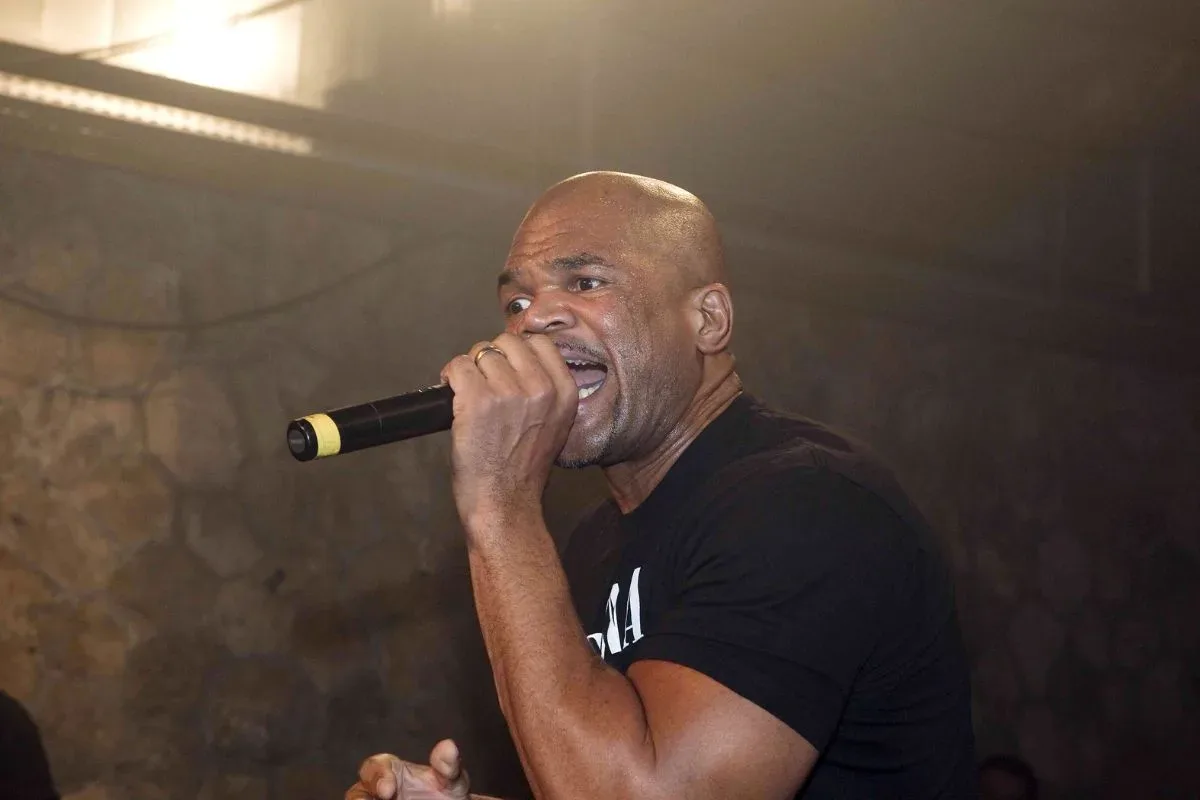

Rev Run will headline CORE’s Afterglow fundraiser on December 3 at the Delano Miami Beach, placing a Run-DMC legend at the center of an event focused on what happens after the immediate disaster response has passed. DJ Ruckus and Mia Moretti are also set to perform, while the program will include a live auction of art, designer goods and experiences.
The fundraiser is designed to support families rebuilding after fires and other disasters. Its proceeds are intended for home repairs, direct financial assistance and rebuilding work that cannot be completed quickly. CORE plans to use the money across the United States, Haiti, Jamaica, Venezuela, Sudan and Syria.
“The people we are raising money for are families who’ve lost everything and are still fighting to rebuild,” Rev Run said in a statement.
What the Afterglow benefit is funding
Benefit concerts are often associated with a single emergency, but CORE’s stated plan for Afterglow is broader: it pairs a public event with recovery work in several places affected by different kinds of disasters. The practical focus matters. Emergency response can mean immediate shelter, food or other urgent assistance; recovery work includes the slower, less visible process of making damaged homes livable again and helping households stabilize financially.
In this case, the organization has identified three main uses for proceeds: repairs to homes, direct aid to people affected by disasters and longer-running reconstruction efforts. Those categories overlap, but they address different gaps. A repair can make a damaged house safer or weather-resistant. Direct financial support can give a family flexibility when it faces urgent expenses. Rebuilding projects can take longer because they involve more extensive damage and a longer route back to stable housing.
CORE’s recent work offers concrete examples of the distinction. In St. Elizabeth Parish, Jamaica, Hurricane Melissa made landfall as a Category 5 storm in October 2025. CORE installed tarps on 200 damaged homes, providing families with a dry place to sleep while they awaited permanent roof repairs. Tarps are not a finished rebuilding solution, but they can be an important bridge between the initial damage and a durable repair.
The organization also launched a campaign in July after two earthquakes struck Venezuela in June. Its planned work there included helping displaced residents clear debris and find safe shelter. In the United States, recent relief activity has included communities affected by the 2025 Los Angeles wildfires. Those fires were among the causes supported by the first Afterglow event, held in September at the Wiltern in Los Angeles.
Why Miami is a meaningful stop for the series
The Miami Beach event follows the Los Angeles launch of the Afterglow benefit series. Foreigner performed at that first show, which Garcelle Beauvais hosted. Beauvais is returning as part of the Miami host committee, joined by Dakota Johnson, Brad Pitt and Leonardo DiCaprio.
Related coverage includes Rev Run to Headline CORE’s Miami Beach Disaster Relief Benefit.
Miami adds a specific community connection to the fundraiser’s international recovery work. The city has a large Haitian community, and CORE CEO Ann Lee has pointed to that connection in discussing the event. Haiti is one of the places where CORE intends to direct proceeds from the Miami benefit.
CORE itself was founded by Lee and Sean Penn after Haiti’s 2010 earthquake. That background gives the organization’s presence in Miami a clear link between its origins and the communities it says it aims to support. The evening will also recognize Haitian-Italian fashion designer Stella Jean with CORE’s first Global Heritage & Impact Award.
Recognition at a fundraising event can serve more than a ceremonial role. It gives the program an additional way to foreground cultural ties alongside the practical purpose of raising money for recovery. Here, Jean’s heritage and the city’s Haitian community sit alongside an initiative formed in response to an earthquake in Haiti, while the money raised is intended for work in several countries as well as the U.S.
Rev Run’s place on a charity-minded bill
The choice of Rev Run also creates a music-history link for an event built around public benefit. Run-DMC was inducted into the Rock & Roll Hall of Fame in 2009 by Eminem. The group had previously contributed to a charitable project in 1987, when the Special Olympics benefit album introduced “Christmas in Hollis.”
That history does not turn a performance into disaster recovery by itself, of course. The significance is in how the event turns visibility, live music and auction activity into fundraising for specific forms of aid. Rev Run’s role is to headline a bill that also includes DJ Ruckus and Mia Moretti; the organization’s stated role is to channel the proceeds into repair, assistance and rebuilding work.
It is also another notable point in the wider cultural story around Run-DMC, a group whose influence extends across hip-hop and rock recognition. Readers interested in another chapter of rap-business history can also explore the story behind Roc-A-Fella and Jay-Z’s Reasonable Doubt.
What attendees and supporters should understand
The key point behind the Miami Afterglow fundraiser is that disaster recovery does not end when the immediate crisis leaves headlines. The examples from Jamaica, Venezuela and Los Angeles illustrate different needs: temporary protection from rain after roof damage, debris removal and safer shelter following earthquakes, and assistance for communities affected by wildfires. The common thread is the need for support after people have lost homes, safety or financial stability.
That is why the stated funding priorities are worth reading closely. “Home repairs” refers to physical restoration of damaged residences. “Direct financial aid” means support that can go straight toward families’ needs rather than being limited to a single repair task. “Rebuilding projects” describes the longer horizon, where recovery requires more than a temporary fix. The available details do not specify how the Miami proceeds will be divided among countries or programs, so the event should be understood as a multi-region fundraiser rather than a benefit exclusively tied to one disaster.
The live auction broadens the night beyond the performances, using art, fashion-adjacent designer goods and experiences to generate additional contributions. Combined with the host committee and the award presentation, that structure makes Afterglow a cultural event with a recovery-focused purpose: bring together performers, public figures, designers and bidders, then direct the proceeds toward families trying to regain secure housing and stability.
For CORE, the December 3 gathering is both the next Afterglow date and an opportunity to carry the series from Los Angeles to a city with close ties to Haiti. For Rev Run, it is a headline slot attached to a clear cause: supporting people who are still rebuilding long after a disaster’s first, most visible phase.