Claims about Sean Combs’ prison conditions have generated a predictable, if uneasy, internet spectacle: attention-grabbing details, fast-moving jokes and a debate that is much broader than one celebrity’s alleged possessions. The central claims involve alleged access to prison luxuries, including a phone said to contain intimate images sent by a former girlfriend. A representative for Combs rejected the overall framing of the reporting and said the significant development remains his incarceration while he awaits a decision on an appeal.
That denial is essential context. The claims described here are allegations, not independently established findings in the material available. The reported details about a phone and private images should not be treated as entertainment fodder or circulated further. Even in a story involving a public figure, intimate material is private, and the underlying issue is not its content but the allegation that a prohibited device may be present in a correctional setting.
What is being alleged — and what is disputed
The allegations describe Combs as spending substantial sums for perks while incarcerated, with items and services said to include massages, special meals, Hennessy and a phone. His spokesperson called the scrutiny of day-to-day prison details frivolous, arguing that routine aspects of incarceration are being portrayed as major news.
Combs’ representative said that he continues to serve his sentence while awaiting the court’s decision on his appeal.
That response does not establish whether every individual allegation is true or false. It does, however, make the limits of the current information clear: there is a reported claim, a forceful rebuttal of its presentation, and no basis here to turn unverified details into settled fact.
There is also a distinction worth preserving between allegations of contraband and claims of a “lavish” prison lifestyle. A phone, alcohol or other prohibited item, if verified, would raise a security and compliance question. Characterizing that as luxury may be rhetorically powerful, but it can blur the more consequential issue: how unauthorized objects allegedly enter a facility, move between people and evade detection.
Why an alleged phone matters more than the online punchline
A correctional representative acknowledged that contraband remains an ongoing concern, specifically naming cell phones, narcotics and weapons. In this context, contraband means an item that is prohibited by facility rules or law, or an item possessed without authorization. The term is not limited to one type of object; it covers a category of security problems with very different potential risks.
Cell phones receive particular attention because they can enable private, unmonitored communication outside the systems a facility has approved. Whether any particular alleged device is real, who possessed it and how it entered would be factual questions requiring evidence. But the broader concern is not unique to a celebrity case. The correctional spokesperson’s statement places phones within a recurring institutional challenge alongside drugs and weapons.
That is why the most sensational detail in the discussion — the alleged intimate images — can also be the least useful one. It shifts public attention toward salacious material rather than the alleged security failure. It also risks treating the privacy of an unnamed former partner as a side plot in somebody else’s notoriety.
The prevalence of phones in everyday life can make this harder to grasp from the outside. A smartphone is a normal personal object in nearly every other setting, used for messages, photos, banking, maps and entertainment. In a controlled environment, though, access and communication are governed by different rules. The question is not whether phones are inherently suspicious; it is whether a device was authorized and, if not, whether safeguards worked.
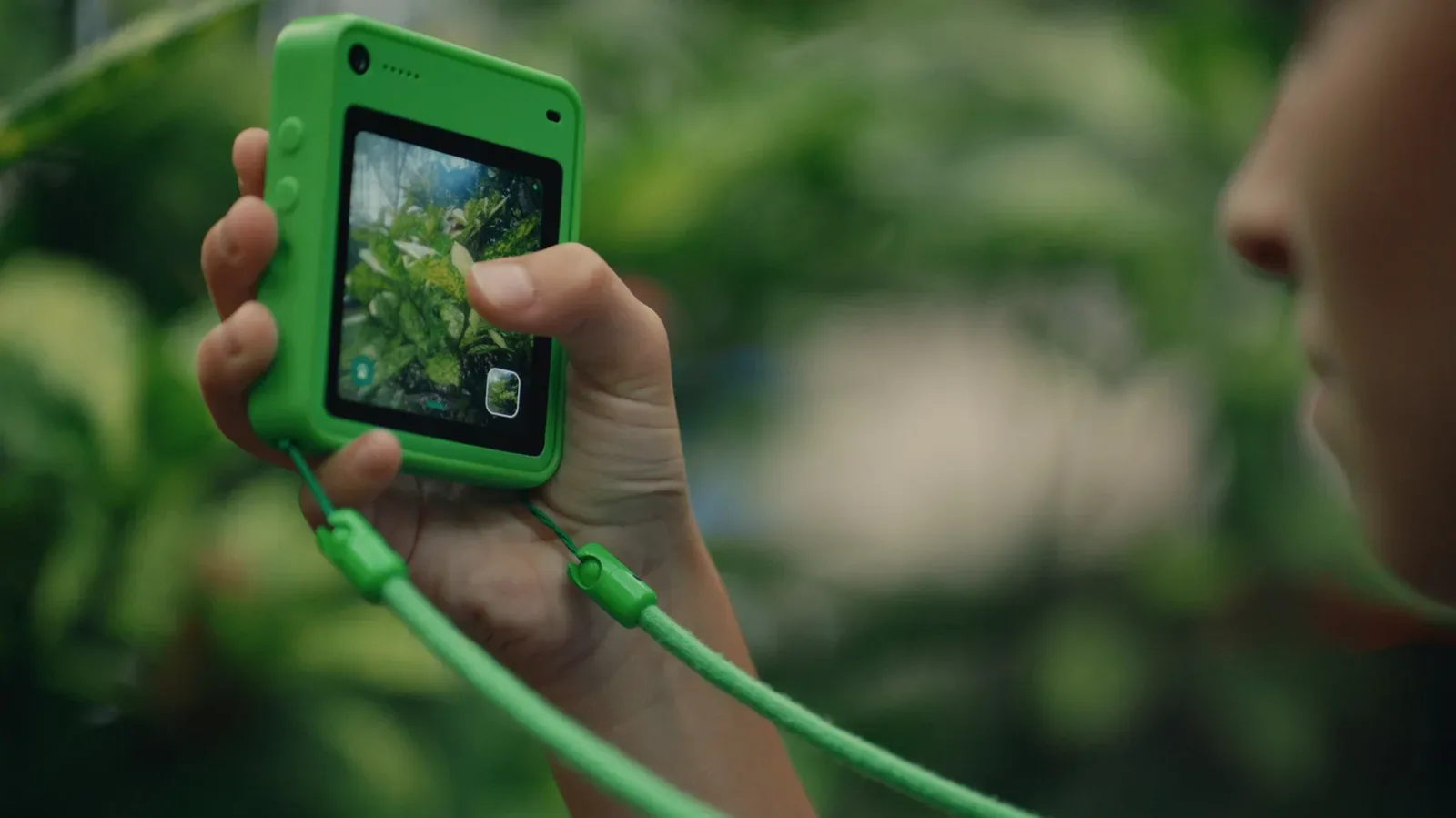
For a wider look at how phone design and screen use can be framed through game-like language in a completely different setting, see Freckle’s kid-focused phone and its side-quest approach to screen time.
Online reaction is not verification
Online responses reportedly ranged from amusement to skepticism, including questions about the timing of the claims in relation to a reported reduction in Combs’ sentence. The material says he is now expected to leave prison on January 21, 2028. That date should be understood in the same careful context as the rest of the story: it is a reported expectation, while Combs’ representative says an appeal decision is still pending.
Social platforms tend to reward the most easily repeatable detail, especially when it involves a famous person and a provocative claim. A headline can become detached from its evidentiary status in a matter of posts. Screenshots, jokes and reaction clips may amplify a narrative, but none of those actions verify the allegation behind it.
The timing skepticism is also understandable without being dispositive. People often read celebrity news through the lens of what else is happening around the subject: sentencing changes, legal proceedings, public statements or prior coverage. That can prompt reasonable questions about emphasis and framing. It cannot, by itself, prove that a claim is accurate, inaccurate or strategically released.
Privacy should not disappear because a claim is clickable
The allegation involving intimate images deserves a more restrained treatment than the internet usually gives it. Reporting that such images allegedly exist is already sensitive; describing, sharing or hunting for them would go beyond the public-interest question presented by possible contraband. The person said to have sent the images is not the subject of a public adjudication in the information provided, and their privacy should not be made contingent on Combs’ fame.
This distinction matters because scandal-driven coverage often turns a private person into an accessory to a celebrity narrative. The relevant public question is limited: whether unauthorized communications technology allegedly existed in a prison. The intimate nature of purported files on that technology does not make them fair game for public consumption.
It is also a useful reminder that the phrase “has on a phone” can obscure several unknowns. The available material does not establish ownership of the device, how it was obtained, when the images were sent, whether the claim was verified by officials, or what enforcement action may have followed. Filling those gaps with assumptions would turn a narrow allegation into a much larger and unsupported story.
How to read a high-heat claim responsibly
Celebrity incarceration stories invite a kind of tabloid scorekeeping: who has special access, what rules are allegedly being bent and whether a famous person is receiving treatment that others would not. The better approach is slower and more specific.
- Separate allegations from confirmed facts. A report, an official acknowledgement of a general problem and a representative’s denial are different kinds of information.
- Do not confuse a broad policy issue with proof about one person. Officials saying contraband is a persistent problem does not independently confirm every claim made about Combs.
- Keep private material private. The fact that intimate images are mentioned does not make their content relevant or appropriate to spread.
- Watch for loaded framing. Terms such as “lavish” can shape a reader’s response before the underlying claims are established.
- Treat reaction as reaction. Amused comments and theories about timing illustrate public response, not the truth of an allegation.
The story beneath the sensational details
The available information supports two parallel realities. First, allegations about Combs’ alleged access to prohibited or privileged items have attracted public attention, and his spokesperson disputes the way those allegations have been framed. Second, correctional authorities recognize contraband — including phones — as a continuing challenge that extends beyond any one incarcerated person.
The second point is the more durable one. If a facility struggles with prohibited devices or other items, the public-interest issue is institutional security, accountability and enforcement. The celebrity angle may bring a burst of attention, but it can also make a serious operational problem feel like a meme.
For readers, the practical takeaway is straightforward: resist the impulse to flatten a disputed claim into a joke or a fact. The most viral version of this story centers on an alleged phone and what was supposedly stored on it. The more meaningful questions concern verification, privacy and the continuing challenge of contraband in correctional facilities. Until clearer evidence is publicly established, certainty would be premature.