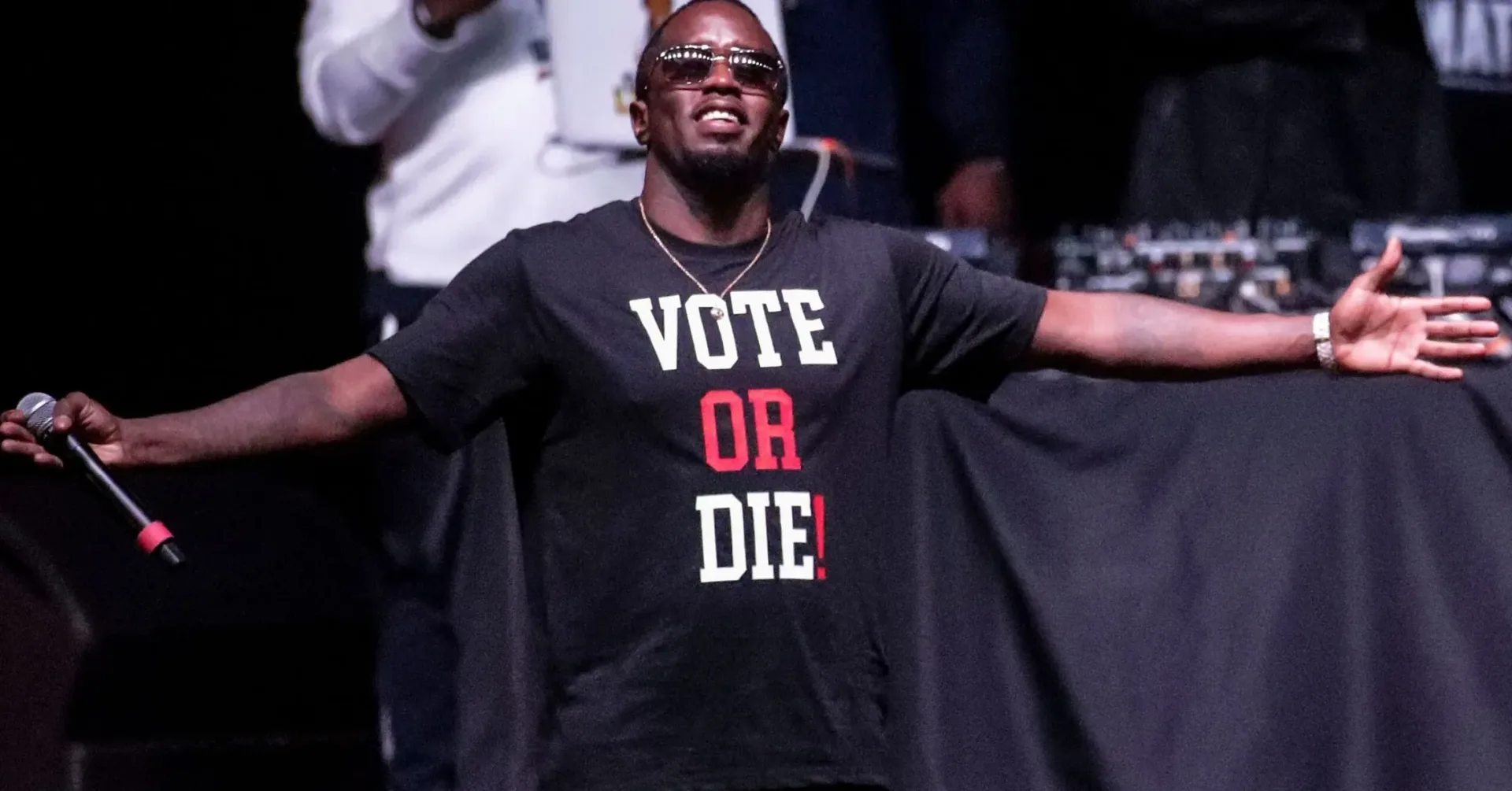
Reports about Sean “Diddy” Combs’ time at FCI Fort Dix have prompted fresh questions about prison oversight, contraband and the difference between a facility’s formal rules and an inmate’s alleged day-to-day experience. Combs is serving a 50-month federal sentence after a jury convicted him in July 2025 on two counts of transportation to engage in prostitution. He was acquitted of racketeering conspiracy and sex-trafficking charges, and his attorneys are continuing to challenge both the conviction and sentence.
The newest claims portray an unusually comfortable setting for the music executive at the low-security New Jersey facility. They include allegations that fellow inmates have given Combs massages and that he has had access to Hennessy, nude photographs and a cellphone. Those accounts should be treated carefully: the reported amenities and the apparent phone use are allegations, not findings of a new court proceeding described here.
The cellphone allegation is the central issue because cellular devices are prohibited contraband in federal prison. Brief footage was said to appear to show Combs using a phone inside Fort Dix. The footage alone does not establish who owned the device, how it reached the facility, whether it was operational or whether the apparent use violated a particular rule. But if it depicts unauthorized cellphone access, it would raise an obvious security concern.
Why an alleged cellphone matters
A contraband phone is not merely an informal convenience. Federal facilities regulate communications so that contact can be monitored and logged under institutional procedures. An unauthorized device can potentially bypass those controls. That is why the question is more significant than reports of creature comforts or favorable social standing within a prison population.
Fort Dix had documented problems involving illicit phones before Combs’ arrival. Federal prosecutors had previously described phone-smuggling schemes involving drones, while other earlier matters concerned inmates’ use of unauthorized devices within the institution. That background does not prove that Combs had a contraband phone, nor does it establish how any device seen in the reported footage entered the prison. It does show that the facility has faced the broader problem before.
The current claim also comes after a separate dispute involving Combs’ communications privileges. In November 2025, officials recommended that he lose phone and commissary privileges following an unauthorized three-way call shortly after his arrival at Fort Dix. Combs maintained that the call involved his legal team, while his representative argued that nothing improper occurred. Prison officials nevertheless viewed it as a rule violation.
That earlier episode matters because it supplies documented context for why another communications question is receiving attention. A recommendation to restrict privileges is not the same thing as proof of later contraband use. Still, the two issues concern the same basic institutional interest: whether an inmate’s external communications follow the facility’s required channels.
Reported privileges versus official placement
It is important not to collapse every detail into one broad claim that Combs is receiving special treatment. The available account contains several different types of information, each carrying a different level of significance.
- Alleged personal favors and luxury goods: massages, alcohol and photographs are reported conditions or items, but the supplied information does not identify a disciplinary finding tied to each claim.
- Facility assignment: Combs was placed at FCI Fort Dix after his legal team specifically sought a low-security placement.
- Institutional work: he obtained a chaplain’s assistant job, described as a sought-after position.
- Treatment: he entered an intensive drug-treatment program.
- Discipline: he was later placed in solitary confinement after a July altercation with another inmate.
Taken together, that is not a simple picture of unrestricted privilege. It is a mixed account of an inmate navigating work, treatment, alleged disciplinary issues and the ordinary pressures of confinement. The reported solitary-confinement placement following the altercation is especially relevant as a reminder that an account of favors or access does not erase institutional penalties or conflict.
The term commissary privileges also deserves clarification. A prison commissary is a controlled system through which inmates may purchase permitted items. Losing access is a potential disciplinary consequence. It is separate from possessing contraband: a product obtained through commissary is authorized under facility rules, while an unauthorized cellphone is, by definition, not. Reports of Hennessy would therefore pose a different question from reported commissary access, as alcohol was described as an alleged perk rather than an authorized purchase.
What the claims do and do not establish
The public discussion around high-profile inmates can move quickly from a reported detail to a much larger conclusion. In this case, the evidence described supports a narrower reading. There is reported footage that appears to show a phone, accounts of alleged perks, and a prior dispute over a three-way call. Those points warrant questions about conditions and enforcement, particularly given Fort Dix’s previous contraband-phone history.
They do not, on their own, demonstrate how frequently any alleged privileges occurred, whether staff were aware of them, whether staff participated in misconduct, or whether Combs received formal special treatment. The supplied information also does not describe a new sanction arising from the reported footage. Those distinctions matter when interpreting a story that is likely to attract attention because of Combs’ fame.
There is also a difference between a low-security facility and a facility without rules. Combs’ legal team requested placement at Fort Dix, and he secured a chaplain’s assistant role and treatment-program entry there. None of those reported facts makes contraband permissible. A low-security designation concerns the facility setting; it is not a waiver of communication restrictions or institutional discipline.
The legal backdrop remains unchanged by the report
The prison-conditions story is separate from the criminal case that resulted in Combs’ sentence. A jury convicted him on two transportation-to-engage-in-prostitution counts in July 2025, while acquitting him of racketeering conspiracy and sex trafficking. His attorneys continue to contest the conviction and sentence.
That procedural status is significant. The current reporting does not alter the verdict, the acquittals, the sentence length or the fact that a legal challenge remains underway. It instead directs attention to how rules are being enforced during the sentence. If authorities determine that a communications rule was broken, that would concern prison administration and potential discipline; it is not described as a resolution of the underlying appeal effort.
For readers following how criminal cases involving entertainment figures develop beyond the initial verdict, Joking Joystick has also covered the separate case in which former American Idol contestant Caleb Flynn was found guilty in the murder of his wife, Ashley Flynn. The cases are unrelated, but both underscore the importance of separating confirmed court outcomes from subsequent reporting and allegations.
What to watch next
The most consequential unanswered question is whether the apparent cellphone footage leads to a confirmed institutional response. A verified determination could clarify whether the object was an unauthorized device, whether prison rules were violated and whether any discipline follows. Without that, the footage remains an allegation requiring context rather than a complete account of misconduct.
Attention may also remain on the earlier three-way-call dispute, the status of any limits on Combs’ phone or commissary privileges, and his ongoing challenge to the conviction and sentence. For now, the reports have intensified scrutiny because they contrast with expectations of tight communication controls in federal custody. But the available facts support precision: Combs’ placement, prison job, treatment participation, reported altercation and past call dispute are distinct matters, while the latest claims about perks and phone access remain the subject of reporting rather than a described final finding.