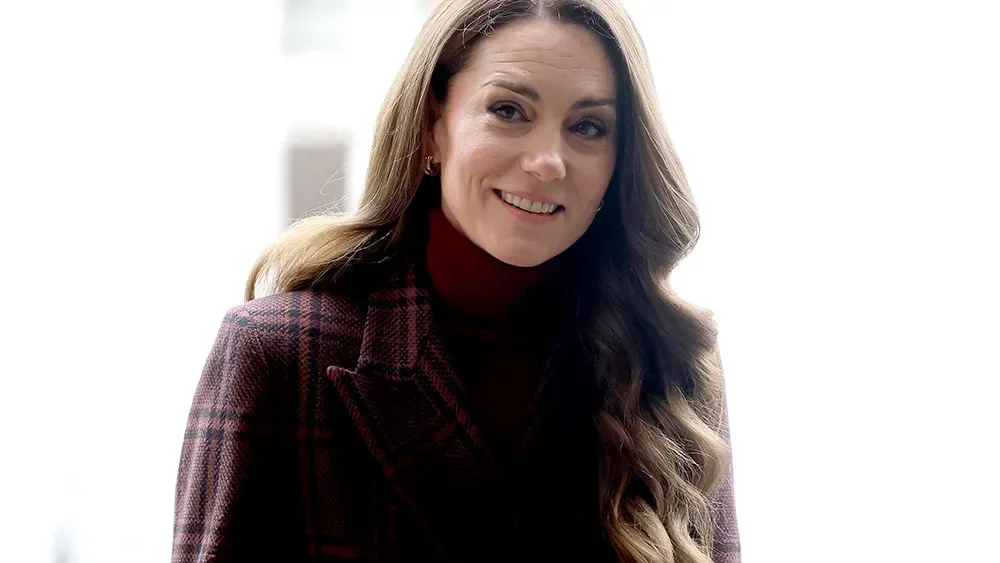
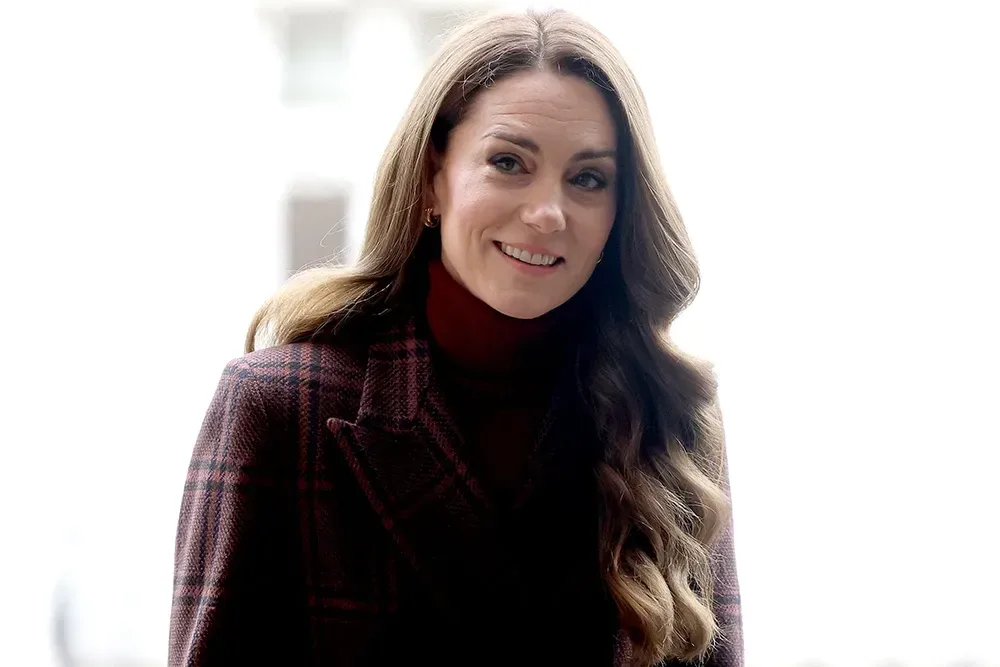
“Heal,” a documentary featuring Catherine, Princess of Wales, will begin its international rollout on Nov. 29. The film addresses her experience with cancer, the difficult realities that can accompany serious illness and the process of living beyond diagnosis. Its release is also tied directly to charitable support: all funds received from the documentary’s distribution have been directed to The Royal Marsden Cancer Charity.
The first broadcast is set for the BBC in the United Kingdom on Nov. 29. U.S. viewers will be able to watch on Nov. 30, followed by Australia on Dec. 1 and Canada on Dec. 7. The documentary was produced by Detail Films and directed by Benji Jackson.
Where and when “Heal” will air
- United Kingdom: BBC, Nov. 29
- United States: NBC on Nov. 30 at 8 p.m. ET/PT; Bravo at 11:30 p.m. ET/PT; streaming the following day on Peacock
- Australia: Channel 9, Dec. 1
- Canada: CTV, Dec. 7
The staggered release gives the project a broad English-language television reach across four countries within just over a week. In the U.S., its NBC placement puts the documentary in a prominent prime-time slot, while the later Bravo airing and next-day Peacock availability give audiences additional ways to watch.
A film built around diagnosis, recovery and life after cancer
The Princess of Wales was diagnosed with cancer in early 2024. After chemotherapy, she announced in January 2025 that she was in remission. “Heal” returns to the emotional and practical territory surrounding a diagnosis, recovery and the period that follows cancer treatment.
That scope is important because the documentary is not presented simply as a record of a single public figure’s illness. It also follows conversations and reflections involving people making their own health journeys. The stated focus includes how illness can affect an individual as well as the people, places and experiences around them.
The word remission is commonly used when signs and symptoms of cancer have reduced or disappeared following treatment. It is a significant clinical milestone, but it is not interchangeable with a universal, permanent outcome. “Heal” appears designed to engage with the less tidy human side of that reality: the experience of moving through recovery and adapting to life after a diagnosis.
Its emphasis on “life beyond cancer” also gives the title a wider frame than treatment alone. Recovery can encompass physical wellbeing, relationships, identity, routine and a person’s ability to regain stability and quality of life. The documentary’s stated mission is connected to improving access to holistic cancer care that supports resilience and quality of life during and after diagnosis.
The National Three Peaks Challenge at the center of the documentary
A major narrative thread follows Princess Kate as she takes on the National Three Peaks Challenge in support of The Royal Marsden Cancer Charity. The challenge involves climbing the highest mountains in Scotland, England and Wales within 24 hours.
Related coverage includes Princess Kate’s ‘Heal’ Sets November and December Premieres.
In the film, the attempt functions as more than an endurance event. It creates a setting for her to reflect on illness alongside others confronting serious health circumstances. A mountain challenge has a ready-made visual language of movement, exertion and difficult terrain, but the documentary’s subject is not being framed as an athletic achievement alone. The stated focus remains the effects of cancer and the conditions that may help people heal.
That distinction matters. Charitable challenges can attract attention through a clear, understandable goal, while the surrounding story can make room for conversations that are harder to reduce to a finish line. Here, the cause is The Royal Marsden Cancer Charity and the distribution proceeds are being directed to that organization in support of people living with and beyond cancer.
What “holistic cancer care” means in this context
“Heal” uses the phrase holistic cancer care in connection with resilience and quality of life during and after diagnosis. In this context, holistic does not mean that one element of care replaces another. It describes a wider view of a person’s needs while they navigate illness and recovery.
The documentary’s own framing points toward the combined impact of people, places and experiences. That is a useful lens for a story about cancer because the consequences of illness are not limited to an appointment or a treatment course. They can shape home life, support networks, emotional health and a person’s relationship with everyday activities.
By centering these elements, “Heal” places attention on the period after a diagnosis as well as the diagnosis itself. That approach may make the film relevant to viewers who have faced cancer personally, supported a loved one or simply want a clearer picture of why recovery is often discussed as an ongoing process rather than a single closing chapter.
A public story with a charitable purpose
The documentary arrives after a period in which the Princess of Wales publicly shared both her cancer diagnosis and her remission. “Heal” gives that experience a more sustained format, connecting personal reflection with people navigating comparable challenges and a fundraising purpose.
All funds received during distribution are being directed to The Royal Marsden Cancer Charity. That detail is central to understanding the project: the broadcasts are not only intended as a documentary event, but are also linked to support for people living with and beyond a cancer diagnosis.
Public discussion of illness can take many forms, from concise personal updates to longer-form storytelling. The wider pop-culture landscape has seen other public figures use their platforms to address health concerns, including a recent post in which Nick Cannon asked followers for prayers from a hospital bed. “Heal,” however, is specifically structured around cancer recovery, charity and the support systems that can matter during and after treatment.
Why the rollout format is notable
Rather than appearing in only one territory, “Heal” is scheduled for a closely timed run across the U.K., United States, Australia and Canada. The releases are spread across established broadcasters and, in the American market, a streaming service. For viewers, the practical takeaway is straightforward: the U.S. premiere is set for NBC on Nov. 30 at 8 p.m. ET/PT, with a Bravo repeat at 11:30 p.m. ET/PT and Peacock streaming the next day.
The film’s format also offers room for a subject that cannot be fully conveyed by headlines about diagnosis or remission. A documentary can connect an individual account to the physical challenge, the charitable organization and perspectives from others on their health journeys. Whether viewers come to “Heal” because of the royal family, cancer-awareness issues or the National Three Peaks Challenge, its announced premise is firmly rooted in care, recovery and life after cancer.