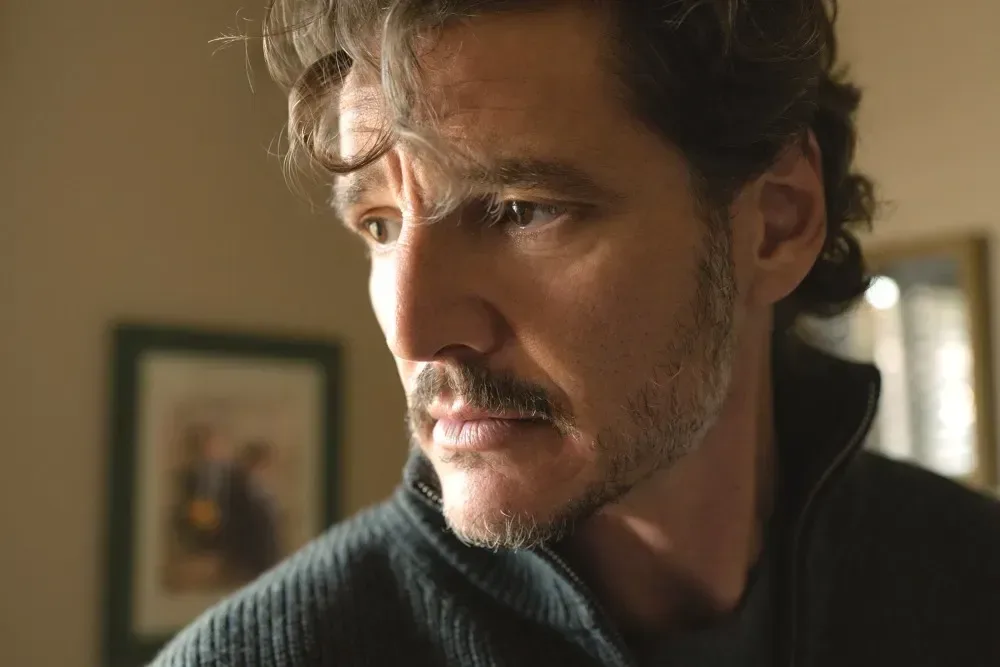
“Behemoth!”, the new film from writer-director Tony Gilroy starring Pedro Pascal, has been selected as the closing-night presentation of the 27th annual Newport Beach Film Festival. The screening is scheduled for Oct. 22, the final day of the Oct. 15–22 event.
Gilroy is expected to attend the closing-night program alongside production designer Jade Healy. The pair will take part in a conversation before the screening, making the event more than a straight festival showing: audiences will have an opportunity to hear from the filmmaker and the department head responsible for translating the movie’s world into physical screen space.
Pascal plays Alex Serian, a gifted cellist who comes back to Los Angeles after spending 20 years performing on the road. That return initiates a life-changing adventure, placing an artist’s long-term relationship with work, home and identity at the center of the story. “Behemoth!” is set to premiere Dec. 4.
The film’s musical premise is especially notable because it features nine composers. That detail suggests music is not merely background decoration for Alex’s profession; it is a substantial part of the project’s construction and, potentially, its dramatic language. The supplied details do not specify how the composers’ work is divided or presented, so viewers should not assume a particular score format. But the number underlines the scale of the film’s musical collaboration.
A closing-night choice built around music and return
Festival closing films carry a particular job. They cap a week of screenings, send audiences home with one last shared experience and frequently place a filmmaker or cast member in front of the crowd. In this case, “Behemoth!” brings together a prominent lead performer, a writer-director attending in person and a story focused on the cost of a life in music.
Alex Serian’s 20 years on the road are the key fact in the setup. A touring career implies sustained movement and a professional life organized around performance rather than permanence. Returning to Los Angeles therefore has clear dramatic weight even without further plot details: it establishes a break from a long-held routine and opens the question of what remains, or changes, when someone comes back after years away.
The description of Alex as a cellist matters too. The cello is not simply a character detail; it situates his work in an exacting performance tradition. The instrument’s physicality and expressive range can make it a potent cinematic focal point, while the character’s talent introduces expectations that can be personally demanding. The festival characterized the film as a personal story about what music requires of the people whose lives are shaped by it.
That focus makes “Behemoth!” a fitting film for a program that combines a screening with an onstage discussion. A pre-show conversation cannot reveal the whole creative process, but it can give audiences a more direct route into questions of intention, visual design and the choices involved in making a music-centered drama.
What Tony Gilroy and Jade Healy’s appearance adds
Gilroy’s attendance is significant because he holds both writing and directing credits on “Behemoth!” In practical terms, those roles cover two connected but separate parts of filmmaking. The writer develops the narrative blueprint: characters, situations, dialogue and structure. The director leads the work of turning that blueprint into a finished film, shaping performances and guiding the creative decisions that determine how the story reaches an audience.
Healy’s presence adds another perspective. A production designer is the department head who develops the visual environment of a film: the overall look of locations, sets and built elements, working with other departments to ensure that spaces suit the story and its characters. For a movie involving a cellist returning home after years on tour, that role could be especially relevant to how the contrast between road life and Los Angeles is expressed. Specific design choices have not been detailed, so that is an area where the conversation may offer insight rather than a conclusion that can be drawn in advance.
A festival Q&A is also distinct from a promotional interview. Its ideal purpose is to connect the finished work with the people who made it, often immediately after or around a screening when the audience can respond to what it has seen. The announcement confirms a conversation before the screening, but does not identify its moderator, runtime or exact subject matter.
For fans following Pascal’s screen work, the role offers a character defined first by musical vocation rather than a genre label. For viewers interested in creative process, Gilroy and Healy’s joint appearance makes the closing event relevant beyond the star casting. And for moviegoers who care about film music, the involvement of nine composers is a concrete reason to watch for how the score and the protagonist’s musicianship relate to the narrative.
The festival’s wider final-week lineup
The Newport Beach Film Festival runs from Oct. 15 through Oct. 22 and is described as coastal Southern California’s largest international cinema event, with attendance of more than 50,000 people. Its lineup includes “A Talent for Murder,” “Ink,” “Josephine,” “La Bola Negra,” “The Only Living Pickpocket in New York,” “Paper Tiger” and “Wild Horse Nine.”
Also on the program is Aaron Burns’ Jimmy Stewart biopic, “Jimmy.” Its cast and crew are slated to attend a Q&A after that screening. Taken together with the “Behemoth!” discussion, those events show the festival leaning into filmmaker-and-audience access as part of its in-person program rather than treating every title as a standalone projection.
Last year’s festival closed with Guillermo del Toro’s “Frankenstein,” featuring Jacob Elordi, Mia Goth, Oscar Isaac and Christoph Waltz. That prior closer establishes that Newport’s final slot has recently been used for a high-profile feature with a major ensemble. This year, “Behemoth!” shifts the emphasis toward Pascal’s musician character and Gilroy’s creative leadership, with Healy joining him to discuss the work.
Why the nine-composer credit is worth watching
Film scoring is often discussed as if a movie has a single musical author, but productions can involve multiple composers for many reasons. Different contributors may be assigned separate sequences, themes, arrangements or other portions of a project. The announcement does not state the precise method used on “Behemoth!,” and it would be inaccurate to assign jobs to the nine composers without more information.
What can be said is that a multi-composer credit has added relevance when the central character is a professional cellist. A film about music faces an unusual balancing act: it must make the audience feel the importance of performance while preserving the needs of story, pacing and character. Music may communicate an emotional condition that dialogue cannot, but it can also define professional stakes for a character whose identity has been built around playing.
Alex’s return after two decades of touring gives that idea a grounded dramatic frame. Rather than treating music as an abstract passion, the setup ties it to a life pattern that has lasted years. The phrase “life-changing adventure” points to a turning point, but it does not identify what causes it or where it leads. Keeping that uncertainty intact is important: the public description establishes the starting premise, not a full plot outline.
The announcement arrives in a broader period of discussion about how music is created, credited and valued. For another perspective on questions surrounding music and human artistry, read this look at Kelly Clarkson’s view on AI music and artist charts. “Behemoth!” approaches music from a different angle, through a fictional performer’s life, but its premise still puts artistic labor at the heart of the film.
Key details for the Oct. 22 screening
- Film: “Behemoth!”
- Lead actor: Pedro Pascal as cellist Alex Serian
- Writer-director: Tony Gilroy
- Closing-night date: Oct. 22
- Festival dates: Oct. 15–22
- Expected attendees: Tony Gilroy and production designer Jade Healy
- Program element: A conversation with Gilroy and Healy before the screening
- Music credit: Nine composers
- Stated premiere date: Dec. 4
The most concrete takeaway is simple: Newport Beach Film Festival’s final night will offer an early festival screening of a Pedro Pascal-led drama about a touring cellist’s return to Los Angeles, accompanied by an in-person appearance from its writer-director and production designer. With its Dec. 4 premiere still ahead, the Oct. 22 event positions “Behemoth!” as both a closing-night attraction and a chance for attendees to hear directly from two of the people who shaped it.