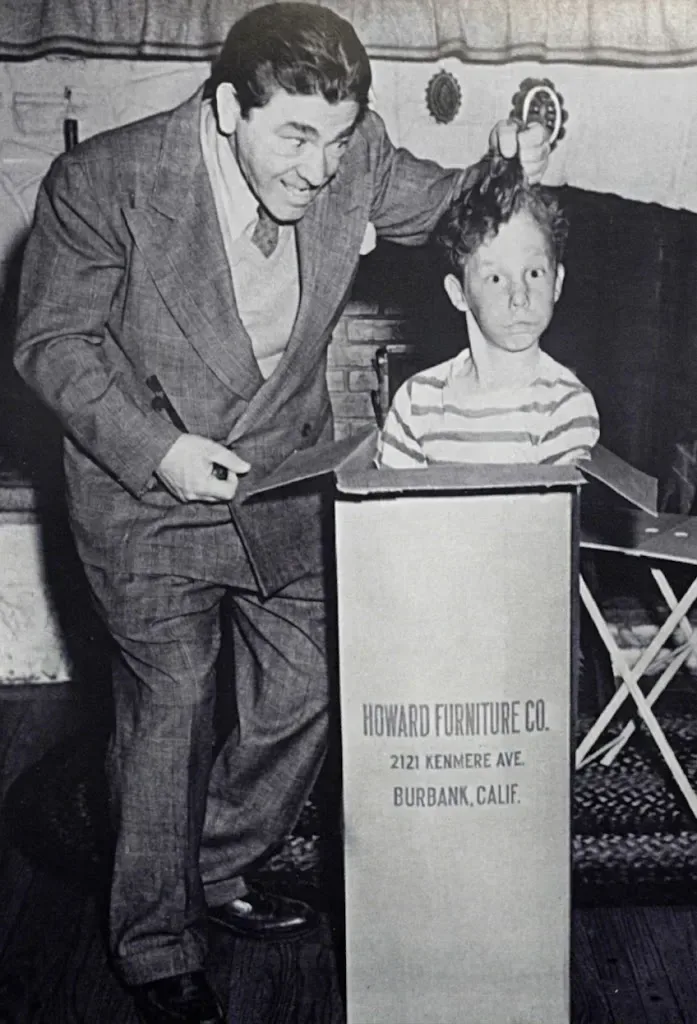
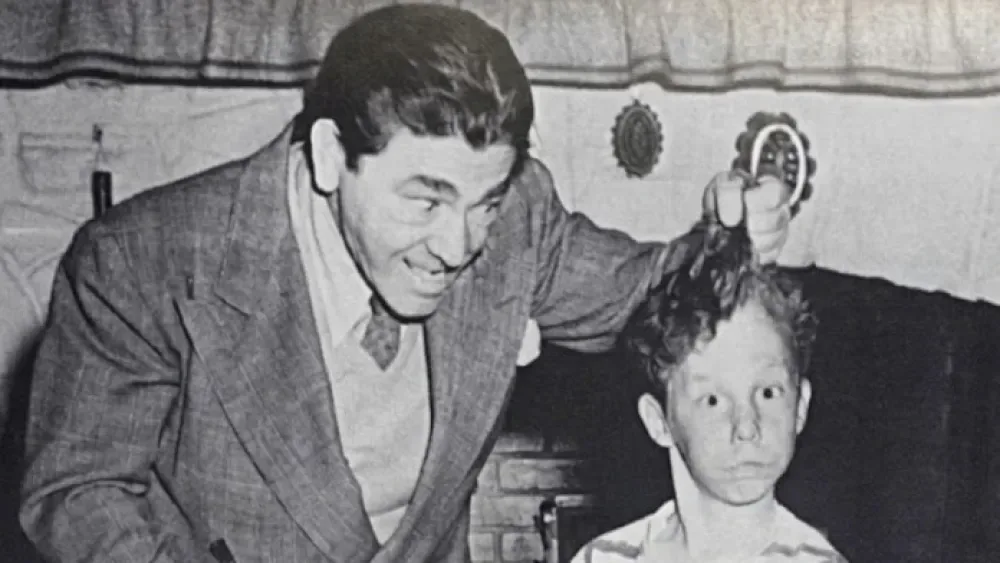
Paul Howard, the son of The Three Stooges leader Moe Howard and a longtime keeper of the comedy team’s family history, has died in Manhattan at age 91.
For generations of Stooge fans, Paul Howard represented a direct connection to the people behind one of comedy’s most enduring acts. He attended conventions and fan events, where he shared family stories and memories of Moe Howard that placed the famously severe on-screen figure in a more personal context: a working performer, a father and a central member of an unusual entertainment family.
His role was not simply one of familial association. Paul Howard helped preserve and communicate a legacy that can otherwise be reduced to familiar sound effects, clipped routines and broad images of slapstick. His appearances gave fans access to recollections that belonged outside the films and shorts: the daily life, relationships and family perspective surrounding Moe Howard and the performers with whom he worked.
A family connection to a comedy institution
The Three Stooges remain identified with their physical-comedy style, including exaggerated falls, comic violence and carefully timed reactions. Slapstick is performance comedy built around physical action and visual timing rather than dialogue alone. The form can look chaotic, but its effect depends on precision: performers need to know exactly where to stand, when to react and how to make a gag read clearly to an audience.
Moe Howard was a defining presence in that format. Paul Howard’s life offered a different angle on the legacy: not the team’s public image, but the family experience around it. That distinction mattered at fan gatherings, where stories passed down by relatives can add texture to the work without treating the performers as nothing more than their best-known screen personas.
Paul was born July 8, 1935, in New York. His older sister, Joan Howard Maurer, recounted the circumstances of his birth in her book Growing Up Stooge. Her account describes Moe Howard performing with Larry Fine and Curly Howard at Boston’s Metropolitan Theatre while Paul’s mother, Helen, gave birth in New York.
The family story carries the kind of sudden reversal audiences associate with a Stooge routine, though its events were real. Several days after Paul’s birth, Moe Howard was driving in heavy Manhattan rain to collect Helen and the new baby when he was involved in a serious crash. He suffered cuts and a black eye after the rented car struck a cement lamppost. Also in the car were Helen’s sister Clarice, who was seven months pregnant, and Clarice’s husband, Harry Seiden. Clarice went into labor following the accident and later delivered Paul’s cousin Carole prematurely.
Joan Howard Maurer’s recollection says Moe responded to the extraordinary chain of events by observing that it felt like something from a Stooge comedy. The family anecdote is striking precisely because it contrasts genuine danger and injury with the comic language audiences knew from his professional work. It also reflects a recurring challenge for families connected to entertainers: preserving the humor of a story without losing sight of the people and circumstances behind it.
Related coverage includes Paul Howard, Keeper of Moe Howard’s Legacy, Dies at 91.
Hey Moe, Hey Dad! documented the family history
In 2015, Paul Howard hosted the nine-episode docuseries Hey Moe, Hey Dad!. Produced and distributed by C3 Entertainment, Inc., the program examined the legacy of The Three Stooges using archival footage, family accounts and interviews with relatives of Moe Howard, Larry Fine, Curly Howard, Shemp Howard and Curly Joe DeRita.
An archival production is one that draws on preserved historical material, such as older footage and records, to provide context. In this case, the format paired that material with family accounts. That combination can be valuable for a subject as familiar as The Three Stooges: archived performance material shows what audiences saw, while relatives can explain how the people involved were remembered by those closest to them.
The series also included celebrity fans Whoopi Goldberg, Billy West and Leonard Maltin. Their participation illustrated the act’s cross-generational reach. The Stooges’ routines are associated with an earlier era of screen comedy, yet the group’s influence has remained visible enough to attract performers, critics and viewers from later generations.
Paul Howard’s place as host was particularly appropriate because the project’s title framed the story through both the public and private versions of Moe Howard. “Moe” points to the performer audiences recognize; “Dad” points to the person remembered by his children. That dual framing is central to the kind of legacy work Paul continued throughout his life.
Why stewardship matters for classic comedy
There is a practical difference between maintaining a famous name and stewarding a legacy. A name may endure through reruns, clips and references. Stewardship involves helping audiences understand the people, relationships and history connected to that name. Paul Howard’s convention appearances and documentary work belonged to the latter category.
For fans, firsthand family testimony can help distinguish established information from the simplified mythology that often surrounds long-running entertainment brands. It can also preserve details that may not appear in performance footage: how a performer approached family life, which stories remained meaningful to relatives, and how descendants understood the work’s cultural importance.
That kind of preservation is especially relevant to physical comedy. The apparent simplicity of slapstick can make it easy to overlook the performers’ craft and the working lives behind it. A Stooge gag may be built to play in seconds, but its creation required performers, collaborators and families navigating the demands of a career in entertainment. Paul Howard’s public conversations provided a route into that human history.
It is also a reminder that fan conventions can serve more than a promotional purpose. They can become informal spaces of cultural memory, particularly when relatives, collaborators or historians share accounts that connect a beloved work to the people who made it. For legacy acts, those exchanges can keep discussion focused not only on catchphrases and iconic moments, but on the artists and families who carried the story forward.
Readers interested in another example of how older entertainment technology and works are kept active can also see this look at efforts to help classic Amiga games use faster hardware.
Remembered by family and fans
Paul Howard is survived by his wife, Joanne, and his daughter, Jennifer.
His death marks the loss of someone who spent much of his life connecting fans with a family history inseparable from The Three Stooges. His contributions did not replace the shorts, performances or public legacy of Moe Howard and his colleagues. Instead, they added a personal record alongside them—one built from stories, events and a willingness to meet the audiences that continued to care about the Stooges across generations.