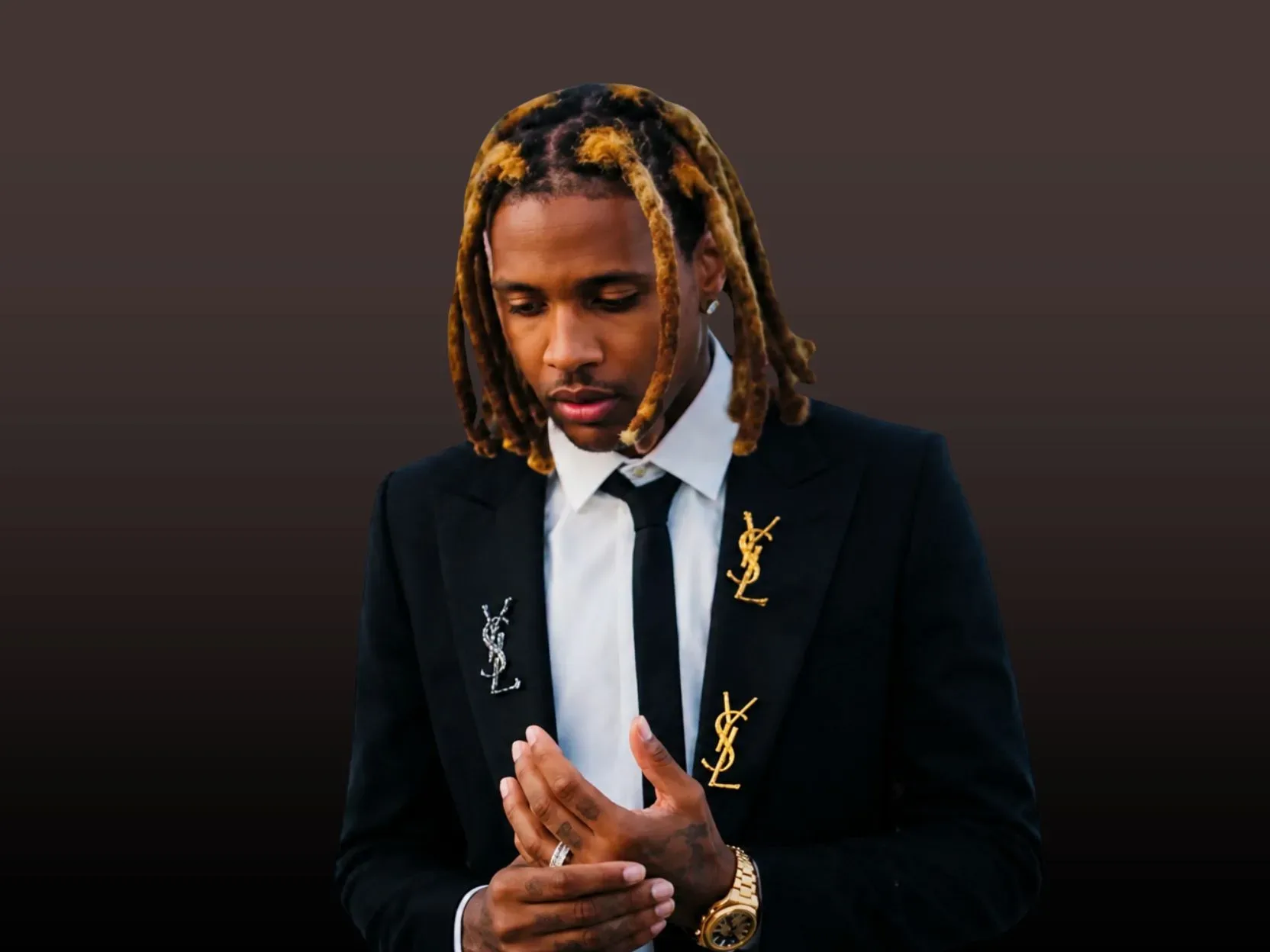

North Richmond rapper Luis “Weez Gotti” Rincon has received a 41-month federal prison sentence after pleading guilty to being a felon in possession of a firearm and ammunition. The sentence amounts to three years and five months in prison and resolves the central count in the federal case without a trial.
Rincon, 30, was charged on April 22. A magistrate judge subsequently ordered him detained following a May 5 hearing. Before sentencing, federal prosecutors sought a four-year prison term. The eventual 41-month sentence is seven months shorter than that request.
What the federal charge means
The charge in this case was not simply a general allegation involving a gun. It was a federal allegation that a person with a qualifying prior felony conviction possessed a firearm and ammunition. The guilty plea is significant because it establishes the basis for the conviction and removes the need for prosecutors to prove that count to a jury at trial.
“Felon in possession” is common shorthand for this kind of charge, but the phrase can obscure the legal elements involved. The supplied case details identify both a firearm and ammunition as part of the allegation. The case was handled federally, and the ultimate sentence was imposed in federal prison.
A guilty plea can bring a criminal case to sentencing more directly than a contested trial, but it does not mean that the sentencing decision is automatic. The court still evaluates the offense and the defendant’s background in determining the prison term. Here, the record described in the case included the court’s concerns about prior conduct and supervision history.
Arrest and pretrial detention
The case began with Rincon’s arrest at his North Richmond home on a federal warrant. U.S. Marshals and Contra Costa County sheriff’s deputies participated in the coordinated arrest.
Authorities reportedly recovered firearms and suspected drugs during the search. The available information also describes an allegation that Rincon attempted to flee through a window before he was taken into custody. Those reported circumstances provide context for the arrest, but the federal count resolved by the guilty plea was the firearm-and-ammunition possession charge.
That distinction matters. Criminal cases can include a broad set of investigative allegations, physical evidence and surrounding events, while a plea and sentence may center on one particular charge. It is inaccurate to treat every allegation connected to an arrest as a separate conviction. The confirmed outcome here is the 41-month sentence following the guilty plea to the firearm charge.
Related coverage includes Weez Gotti Receives 41-Month Federal Sentence in Firearm Case.
Why the court kept Rincon detained
At the May detention hearing, the magistrate judge determined that release conditions would not reasonably protect the community. That is a pretrial decision, separate from the final sentencing decision, but it indicates the court’s assessment of risk while the case was pending.
The detention order cited prior weapons convictions, evading police and violations of post-release community supervision. It also stated that Rincon was on parole when the conduct underlying the federal charge allegedly occurred.
Pretrial detention means a defendant remains in custody while a criminal case proceeds rather than being released under conditions such as monitoring, travel limits or reporting requirements. It is not itself the prison sentence. In this matter, detention came first; the 41-month prison term came later after the plea and sentencing process.
Post-release community supervision generally refers to court- or corrections-administered oversight after a person leaves custody. The available record says the court considered violations of that supervision as part of Rincon’s history. Likewise, parole is a form of supervised release status that can carry conditions and consequences for violations. The record’s reference to parole was one reason the court viewed release conditions as insufficient in the pending federal case.
A sentence below the government’s request
Prosecutors requested four years in prison, or 48 months. The 41-month sentence was lower by seven months. That difference does not erase the seriousness of the outcome: Rincon will serve a federal prison term measured in years. But it does show that the judge did not impose the full term requested by the government.
Sentencing is often the point where competing accounts of a defendant’s conduct, prior record and personal circumstances meet the court’s legal obligations. The supplied record does not provide a full explanation of the judge’s reasoning for selecting 41 months rather than 48, so any claim that one single factor determined the outcome would go beyond what is established.
What is clear is the sequence: a federal firearm charge was filed, Rincon was detained pending the case, he pleaded guilty, prosecutors asked for four years, and the court imposed 41 months.
Rincon’s letter and music’s place in the case
Before sentencing, Rincon wrote a personal letter in which he described music as an outlet and reflected on his extended experience with the criminal justice system. “The streets took everything from me, Your Honor,” he wrote.
Personal letters at sentencing are a way for defendants to address the court in their own words. They can describe family circumstances, remorse, work, creative pursuits or plans for the future. They do not replace the legal case, and there is no basis in the available record to say precisely how much weight the court gave Rincon’s letter. Still, it presents a personal dimension alongside the formal charge and sentence.
For a rapper whose identity and career are rooted in music, the reference to creative work as an outlet is also a reminder that legal outcomes can interrupt much more than a court calendar. A prison sentence can affect recording, releases, performances and the ability to sustain an audience. The record provided does not detail Rincon’s planned music activity, so it would be speculative to forecast what comes next for his career.
The broader entertainment world regularly frames artists through their public output, but a federal conviction is a legal matter with concrete consequences beyond public image. The most responsible reading of this case is therefore a narrow one: Rincon pleaded guilty to the stated firearm charge and received 41 months in federal prison. The other reported elements explain why the case drew heightened concern during detention, but they should not be expanded into claims the documented outcome does not support.
What has been resolved—and what should not be assumed
- Resolved: Rincon pleaded guilty to the federal firearm-and-ammunition possession charge.
- Sentence: The court imposed 41 months in federal prison, seven months below the four-year sentence sought by prosecutors.
- Pretrial ruling: A magistrate judge ordered detention after finding no release conditions would reasonably protect the community.
- Context considered by the court: The detention order cited prior weapons convictions, evading police, supervision violations and parole status.
- Not established here: The available material does not provide a detailed sentencing rationale, a release date, or a complete account of any additional alleged conduct beyond the charge resolved by the plea.
Music and ownership remain recurring themes in artist coverage, including a recent look at Ashanti’s focus on ownership in her next chapter. Rincon’s immediate situation, however, is defined by the much more concrete result of a federal sentence: 41 months following his guilty plea.