Ashanti has attached a striking number to the kind of success she wants to build: at least $5 million for everyone on her team.
The R&B artist’s stated ambition is intentionally bigger than an individual earnings target. It arrives as she places ownership, selectivity and long-term control at the center of her professional plans. Ashanti is re-recording her self-titled debut album, Ashanti, and has made clear why that project matters to her: “Owning my masters is really important to me.”
That makes the $5 million figure less like a stand-alone declaration and more like a public description of the business model she wants around her. The details remain undefined—Ashanti has not identified who is included on “my team,” how the target would be measured, or a timetable for reaching it. But the larger message is unusually clear: build value around the work, retain meaningful control over it, and make the benefits extend beyond the star at the center.
What master ownership means in this context
In music, master recordings, often shortened to “masters,” are the specific recorded performances that listeners hear. They are distinct from the underlying song composition. The supplied information does not outline the ownership structure of Ashanti’s earlier recordings, so it would be premature to make claims about particular rights or deals. What is established is that she is pursuing a re-recording of her debut and views ownership of masters as a major priority.
A re-recording is a newly made version of an earlier project, not merely a repackaging of the original files. The practical importance is that a newly recorded album can become a fresh body of work tied to the artist’s current plans and business decisions. Ashanti’s effort therefore represents both a creative undertaking and a push for greater agency over a pivotal part of her catalog.
Her framing also emphasizes the human side of that agency. A catalog, a show, a partnership or a venture can involve many contributors: creative collaborators, operational staff and business partners among them. Ashanti did not specify which roles her goal covers, so it should not be read as a confirmed compensation plan. Still, the language puts a spotlight on a principle that can get lost when celebrity business stories focus only on headline personal wealth: durable success depends on the people who help organize, produce and sustain it.
A more selective approach to new work
Ownership is not the only part of Ashanti’s strategy. Earlier this year, she described becoming more discerning about brand partnerships, film roles and business opportunities. The direction is toward work that fits her values and longer-range ambitions, with greater control behind the scenes.
That approach has practical implications. Being selective does not simply mean saying yes to fewer projects. It means weighing whether each opportunity supports a larger objective. A brand deal may bring visibility; a film role may broaden a public profile; a business venture may offer a different route to growth. But Ashanti’s stated focus suggests that the deciding question is whether each piece fits a plan she can help steer, rather than being a short-term addition for its own sake.
Related coverage includes Ashanti Sets $5 Million Goal for Everyone on Her Team as Ownership Drive Takes Focus.
The $5 million goal makes that mindset more concrete. It sets a very high bar, while also communicating that the intended outcome is collective prosperity. Ambition of that scale can be aspirational without being a guarantee. There is no indication that the amount has been promised contractually to named individuals. Its significance lies in the priority it establishes: Ashanti is publicly connecting her own next phase to shared advancement.
Reality series will follow family, career and legacy
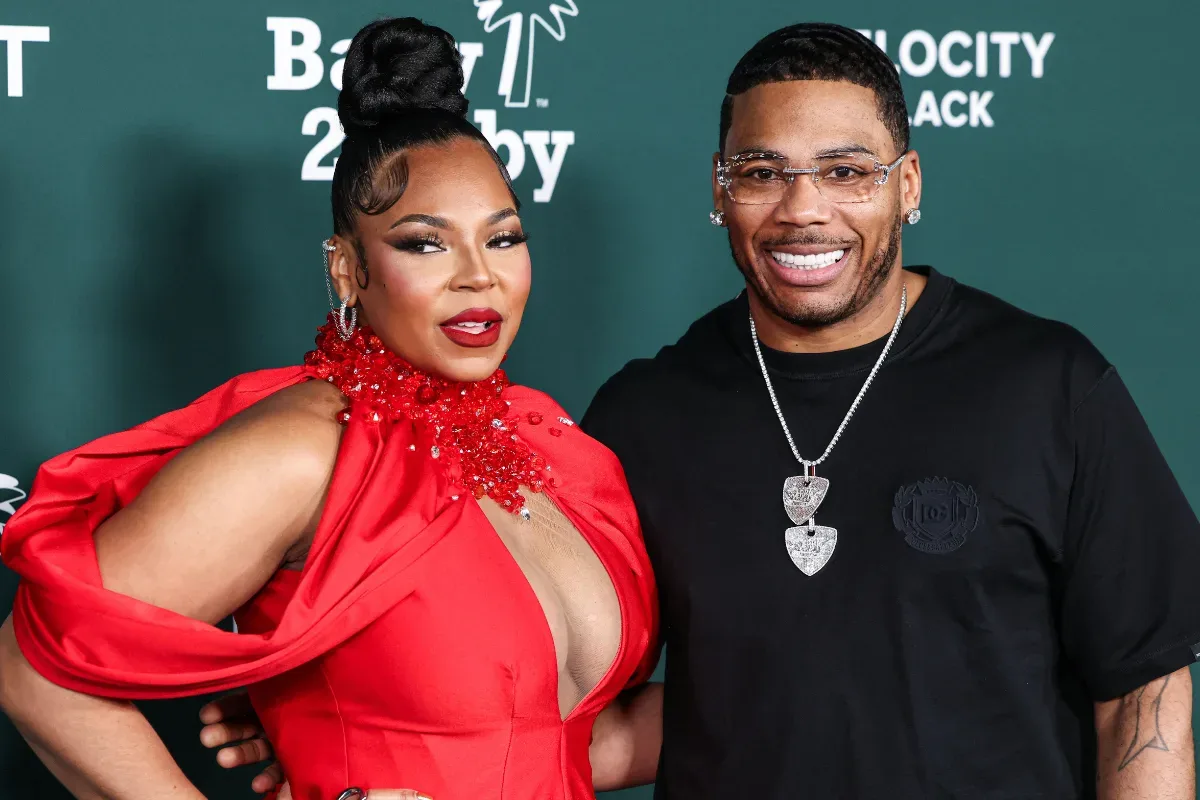
Viewers will see parts of that next phase in Season 2 of Nelly & Ashanti: We Belong Together. The new season premieres November 19 on Peacock and is set to cover the couple’s family life, careers and legacy, including Ashanti’s effort to control her master recordings.
Ashanti has described women’s empowerment and an understanding of ownership as central ideas in the season’s promotional material. That statement gives the series a broader frame than celebrity access alone. The show is positioned to follow business decisions alongside the routines and pressures that accompany them.
The season is also expected to show Ashanti re-recording her debut, making new music, performing live and traveling between St. Louis and New York City. Those commitments unfold while she and Nelly raise their son, Kareem, known as KK. Peacock has said the season will track the pair as they balance touring, expanding businesses and parenting.
That mix of professional and personal demands matters to the ownership conversation. Control is often discussed in abstract terms, but its value is connected to everyday decisions: which projects receive time, when travel is necessary, what partnerships make sense and how career goals coexist with family responsibilities. The series will provide a public-facing window into that balance, though viewers should distinguish what is shown in an edited program from a complete account of the underlying business arrangements.
Why the statement stands out
Celebrity wealth targets are common enough. A target explicitly centered on the wider team is less conventional, especially when paired with an artist’s stated push to control more of the work that drives her career. Ashanti’s message combines two ideas that are often discussed separately: ownership and distribution.
Ownership, in this case, is about having more say over the assets and opportunities connected to one’s creative output. Distribution is about who participates in the rewards when that work creates value. Ashanti’s remarks suggest she sees the two as linked. Greater control can create room for choices that align with her values, her family’s future and the people working alongside her.
There are important limits to what can be concluded now. No roster of recipients has been released. No financial mechanism has been detailed. No deadline has been announced. Nor has Ashanti said whether the figure refers to cumulative earnings, business value or another measure. Those unanswered questions make it best understood as an ambitious vision, not a finalized blueprint.
Even so, it is a meaningful statement of intent at a time when Ashanti is bringing an early-career album into a new recording process and opening a new season of her life to television cameras. It casts the re-recording project as more than nostalgia. The goal is to take work associated with the foundation of her career and connect it to a future built around choice, stewardship and shared upside.
Family visibility and business legacy
The show’s focus on career and home life also reflects a wider pop-culture reality: public figures increasingly present family, creative work and business ambitions as parts of the same story. That relationship can be seen elsewhere in coverage of public family moments, including Ye’s family photo following the Yeezy Season 01 runway show. Ashanti and Nelly’s series is its own project with its own circumstances, but its announced themes similarly place legacy alongside professional visibility.
For Ashanti, the key thread is consistency. The re-recording of Ashanti, a more selective view of outside opportunities, the emphasis on women’s empowerment and the $5 million aspiration for her team all point toward a single priority: building a career structure with more control close to the artist and the people she trusts.
Whether that ambitious financial target is eventually met will depend on factors not yet publicly outlined. What is already evident is the direction Ashanti is setting. Her next chapter is not being framed solely around a comeback, a television season or one new recording project. It is being framed around ownership—and around the possibility that a successful artist-led enterprise can create lasting gains for more than one person.