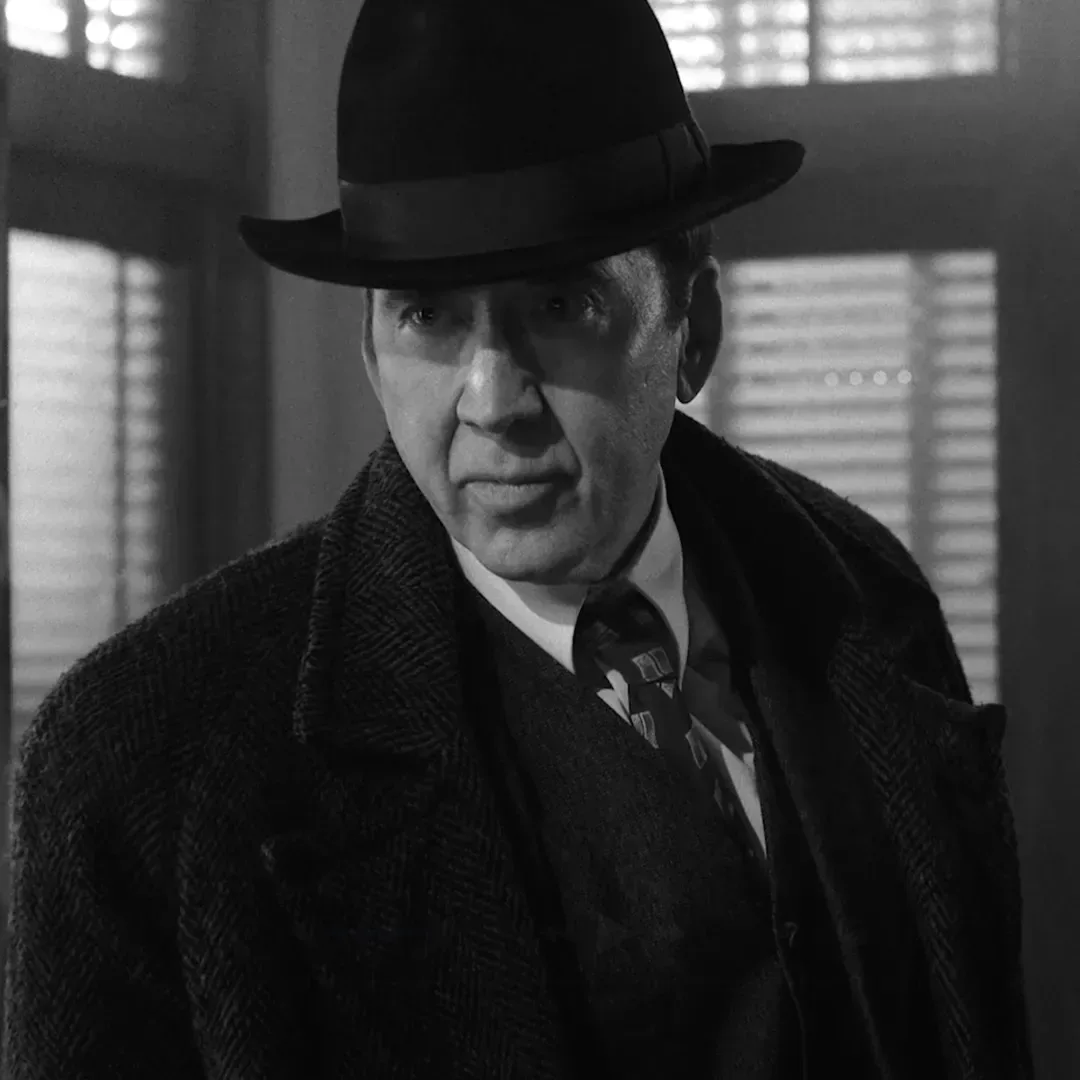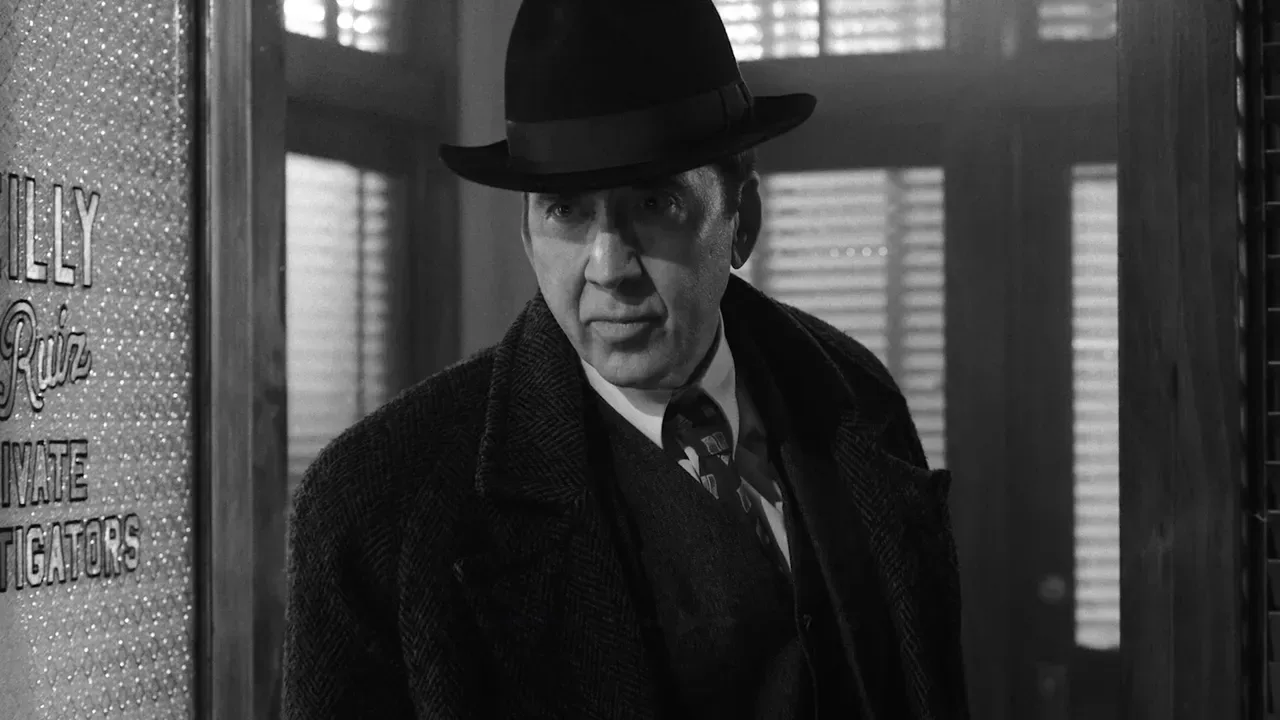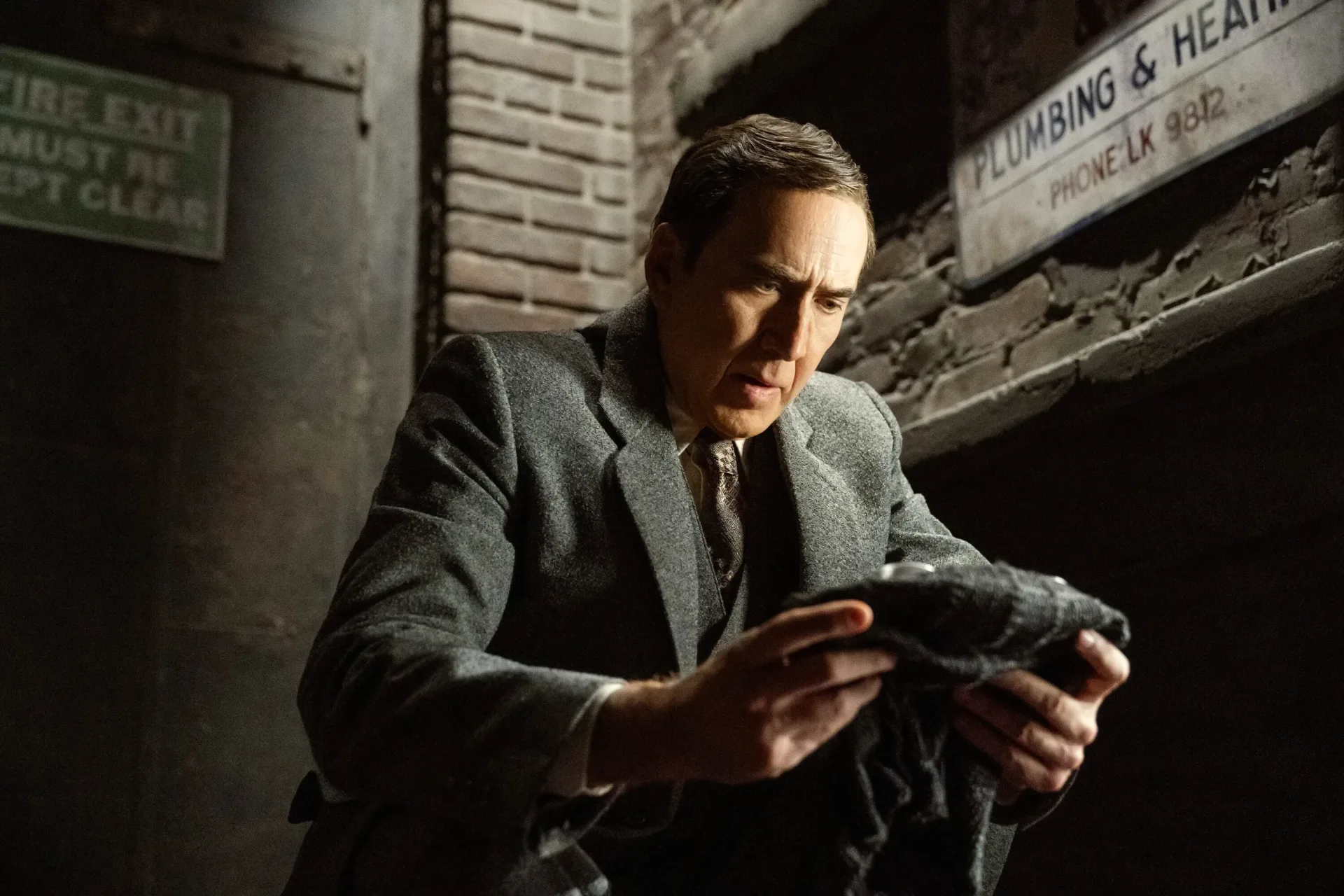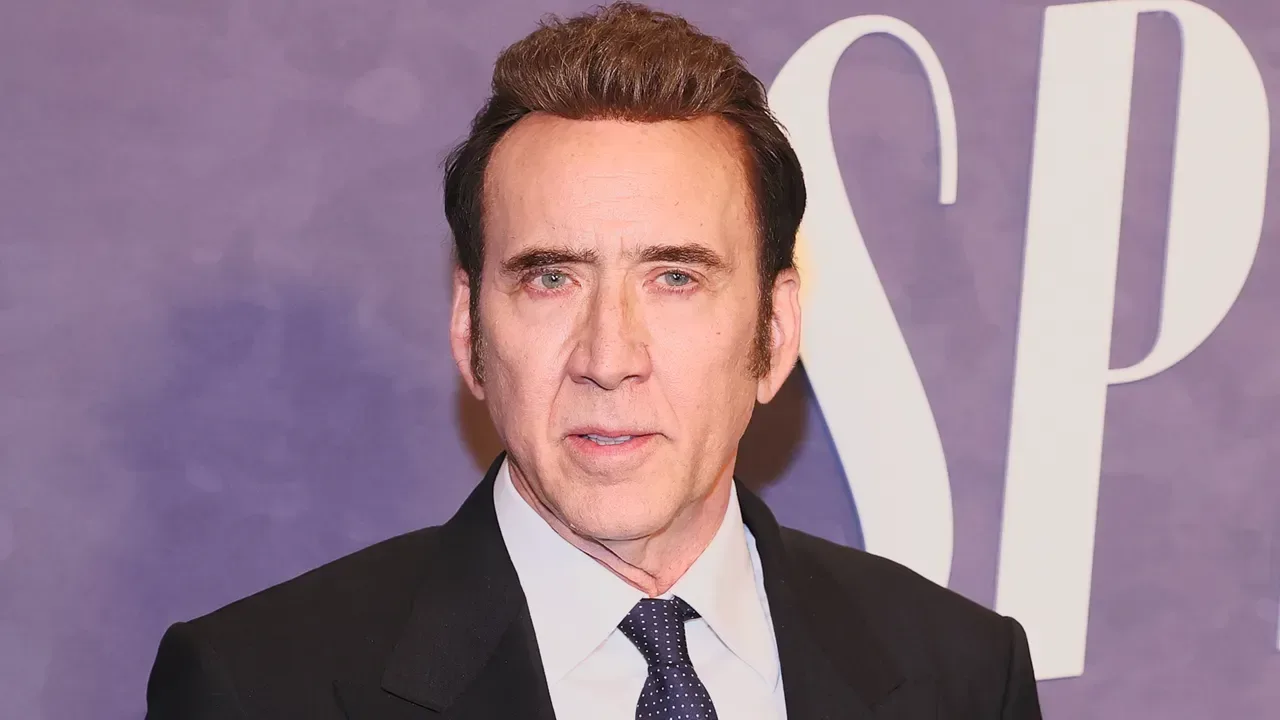
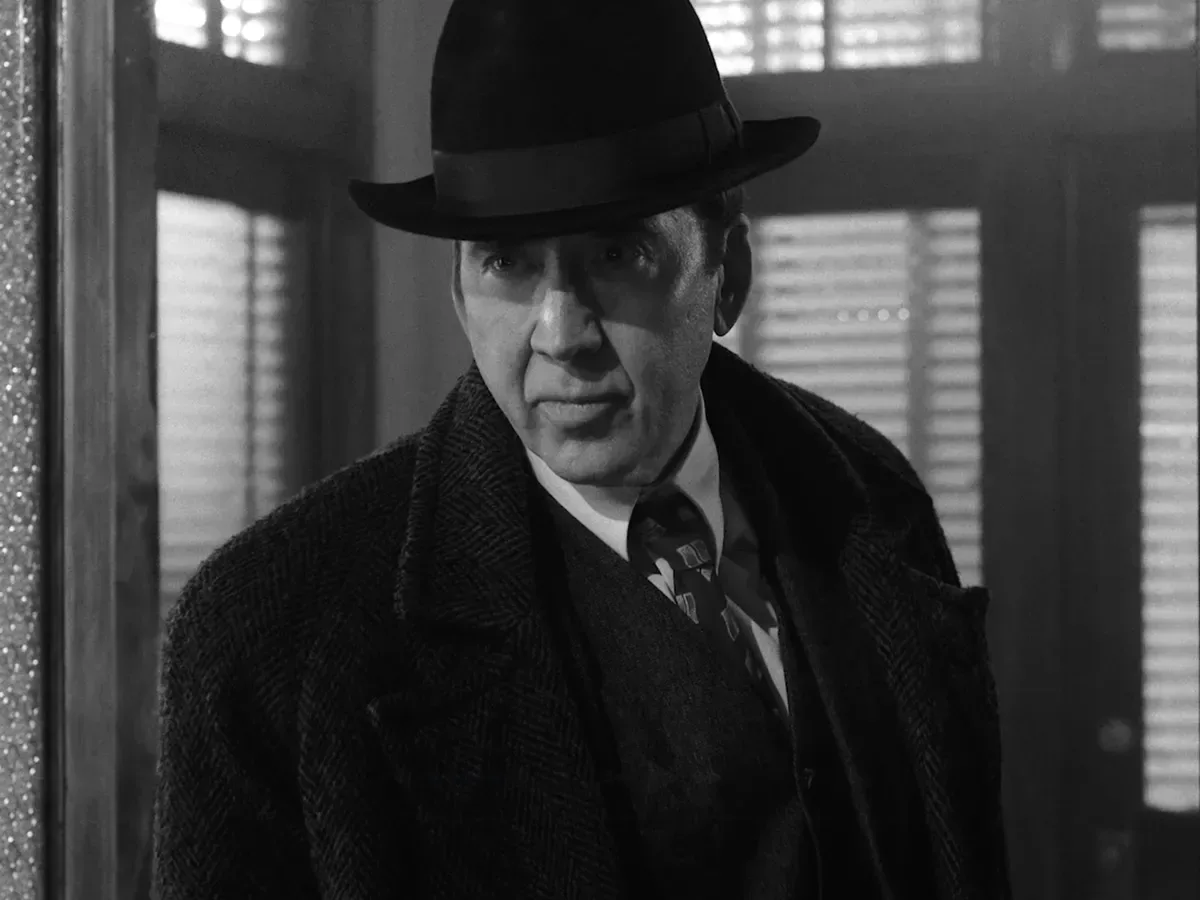
Nicolas Cage is not framing the cancellation of Spider-Noir as an unfinished loss. Instead, the actor says the animated series reached its proper endpoint after a single season—and that the decision spared both the character and the performance from becoming a repetition exercise.
The series, which arrived on Prime Video earlier in 2026, cast Cage as Ben Reilly in an animated Spider-Man story presented in both black-and-white and color versions. It reportedly opened to strong reviews but was canceled in September after dropping out of the platform’s top 10. Where a cancellation normally prompts a campaign for another season or questions about unresolved plot points, Cage’s reaction has been unusually direct: he is relieved it stopped where it did.
“One season is perfect,” Cage said in remarks about the show, describing the series as a chance to say what he wanted to say with a dangerous, innovative, pop-art version of Spider-Man. When asked again in early November whether Ben Reilly had more story left to tell, Cage’s answer was simply no.
“I meant it when I said what I said. It’s a perfect season. You never wanna get stuck repeating a character and wear out your welcome.”
For Cage, the key issue is not whether a fictional universe can generate more stories. It is whether repeating this particular performance would dilute the thing that made it work. He called Ben Reilly “idiosyncratic” and characterized the acting approach as high-risk, tightrope material. That language matters: a tightrope act is compelling partly because it is precarious. Trying to recreate it again and again can turn a daring choice into a familiar routine.
Why Cage sees a clean ending as a strength
Television cancellations are commonly discussed in business terms: rankings, audience retention, budgets, and the strategic priorities of a streaming service. Those factors may determine whether a show continues, but Cage is speaking from an artistic perspective. His argument is that a season can be complete even when the broader setting could theoretically continue.
That is a useful distinction for viewers, especially in comic-book storytelling. A superhero identity often comes with enormous narrative capacity. New antagonists, alternate worlds, supporting characters, and future crossovers can all create obvious reasons to extend a series. But capacity is not the same as necessity. A character may have additional adventures available to them without every additional adventure being essential to the original project.
Cage’s concern centers on diminishing returns. In this context, that means the risk that a distinctive portrayal loses its surprise and precision through repetition. If the performance is built on unusually specific choices, each additional season places pressure on the creative team to escalate, imitate, or soften those choices. Any of those paths can change the quality that initially made the character feel singular.
Related coverage includes Nicolas Cage Says Spider-Noir Ending After One Season Was for the Best.
His response also offers a counterpoint to the assumption that a canceled series must be “saved” in order to be validated. Fans can reasonably wish for more Spider-Noir, and a show’s short run does not erase its appeal. Yet Cage’s view is that the season’s permanence is part of its value. It remains a self-contained work rather than becoming a version of Ben Reilly that he feels compelled to revisit indefinitely.
A one-season format fits Cage’s stated preference
Cage pointed to his upcoming work on True Detective, which he described as another one-season commitment. He also referenced the older television series McMillan & Wife while explaining his preference for a format that does not require him to keep replaying the same character.
The through line is clear even without treating every project as identical. Cage does not appear to object to returning to television or to heightened genre material. He objects to the possibility of becoming artistically stuck. A limited engagement can preserve a performance as a particular moment, with a beginning and end, rather than turning it into an ongoing obligation.
That preference is especially notable because animated work can often make extended returns seem practical. The actor’s physical presence is not required on a conventional set in the same way it is for live action, and recognizable vocal roles can be readily revisited. Cage’s comments suggest that convenience is beside the point. If he believes the character has already been expressed fully, an easier production process does not create a creative reason to continue.
There is also a difference between a character being popular and an actor wanting to repeat that performance. The first is an audience question. The second is a personal and creative one. Cage’s position makes that divide plain: affection for Ben Reilly and confidence in the finished season do not translate into a desire for sequels.
AI is a separate, practical barrier to any return
Even if Cage had wanted a second season, he has identified another major obstacle: his disagreement with Amazon over artificial intelligence. He said he declined to sign a waiver concerning AI use on Spider-Noir and indicated that he would probably not work with the company again.
“I’m not an AI-friendly actor,” Cage said, adding that he was not part of the company’s “club.”
A waiver is a form of permission or legal consent. In the creative industries, a waiver related to AI can raise fundamental questions about what a performer is agreeing to permit: how recorded work might be processed, altered, replicated, or used in the future. The supplied information does not spell out the precise terms of the waiver Cage rejected, so it would be inaccurate to infer details beyond his stated refusal to sign it. What is clear is that he treats the issue as serious enough to affect future work with the studio.
Cage has repeatedly expressed a broader objection to AI’s role in acting. At the 2025 Saturn Awards, he argued that robots cannot reflect the human condition and warned that allowing AI to manipulate a performance—even slightly—could lead to a gradual loss of artistic integrity. His concern is not presented as a narrow dispute about one series. It is a principle about authorship, human expression, and the control performers retain over their work.
That makes the Spider-Noir situation more layered than a simple creative decision. Cage says one season was artistically ideal; separately, he has said his AI concerns make a renewed relationship with Amazon unlikely. Both points lead toward the same practical outcome, but they should not be collapsed into one explanation. One is about not wanting to repeat a character. The other is about a boundary regarding the use of AI.
The question of AI and performance is increasingly relevant across entertainment, including animation, where the voice is central to characterization. Cage’s comments emphasize why audiences may hear more debates about consent rather than only about technological capability. A tool’s ability to alter or reproduce something does not answer whether a performer should be asked to approve it, under what terms, or whether they wish to participate at all. For additional perspective on how AI is being discussed in a very different game-preservation context, see this look at AI-assisted patches for classic Amiga games.
What viewers are left with
For people who enjoyed Spider-Noir, Cage’s position does not change the basic disappointment of seeing a well-received show end quickly. It does, however, provide an unusually affirmative interpretation of its endpoint. He does not describe the season as a failed beginning. He describes it as a finished statement that can remain fresh because it was not extended beyond what he felt the character required.
That reading may prove more satisfying than treating every short-lived series as incomplete by default. It asks viewers to judge the existing season by what it accomplishes, not solely by the number of future episodes it did not receive. Cage’s confidence in the work is inseparable from his confidence in its limits.
His next role shifts from masked animation to sports comedy. Cage is preparing for the November 18 release of Madden, in which he plays John Madden. The performance has already prompted viral discussion among fans. But the message on Spider-Noir is settled: Cage does not see a second or third season as an opportunity missed. He sees the single season as the reason the project can remain exactly what it was meant to be.