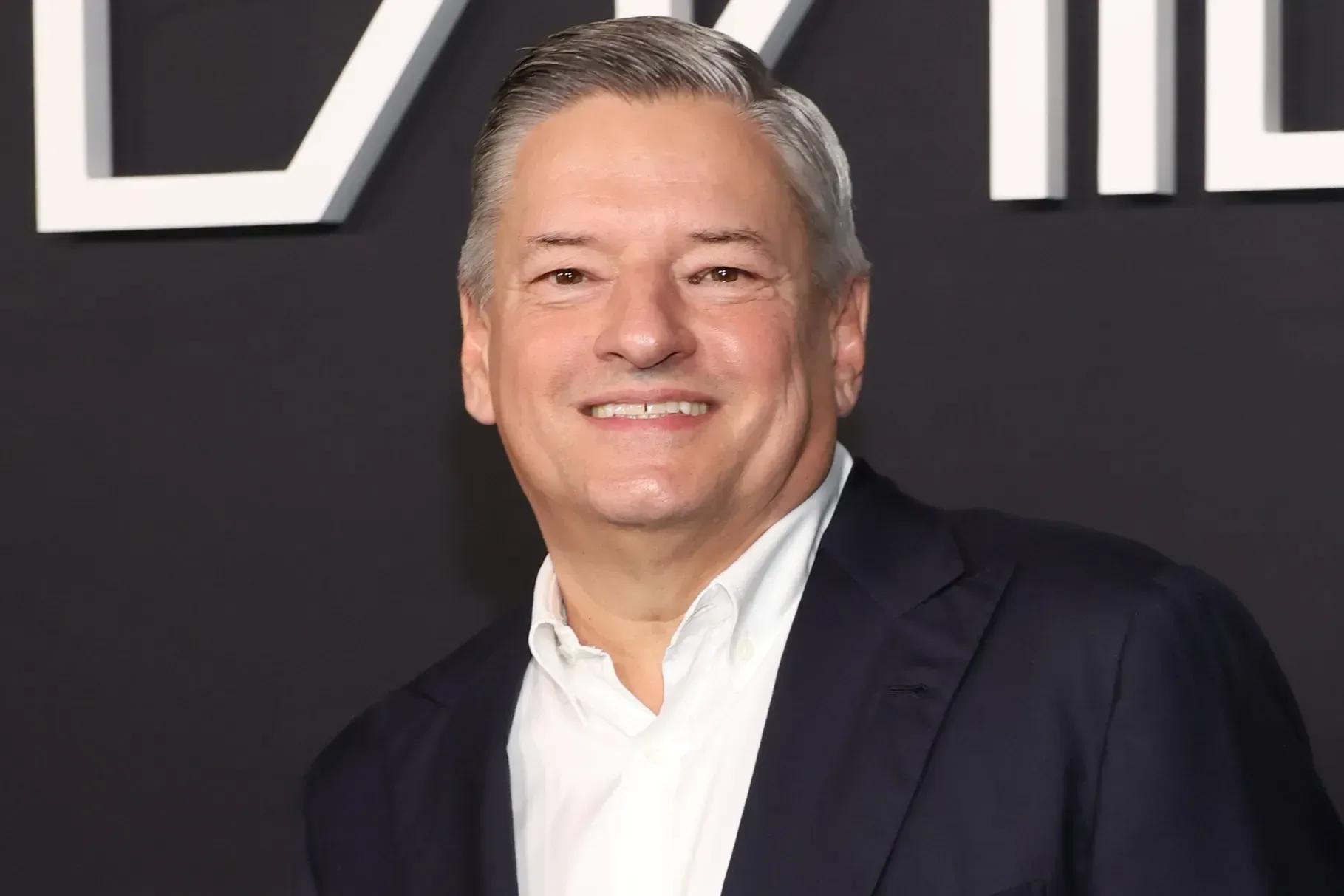
Netflix co-CEO Ted Sarandos is not publicly treating the emerging Paramount-Warner Bros. combination as an automatic streaming superpower. His message is less a declaration that the deal is meaningless than a reminder that combining two services does not, by itself, settle the question of how people will watch them.
Speaking as the merger received final judicial approval, Sarandos framed the competitive equation with deliberate uncertainty: two separate services may become stronger together, weaker in practice, or simply different. That is a neat executive way of declining to award a trophy before the reorganized company has shown how its programming, leadership, distribution and consumer proposition will fit together.
The deal and its prospective management structure remain consequential. Casey Bloys, who oversees content at HBO and HBO Max, is expected to take on responsibility for Paramount+ alongside HBO Max, though that role had not been formally announced at the time of Sarandos’ comments. The possibility puts an experienced programming executive at the center of two recognizable subscription brands—but it also means the merged operation faces the tricky work of turning scale into a coherent service strategy.
For Netflix, Sarandos’ broader remarks outlined a more immediate agenda: improve engagement growth, experiment with content formats, use theatrical runs selectively, and make the United States more competitive as a place to film. The company is not presenting a single answer to every entertainment-business problem. It is instead describing a portfolio of choices, each with its own trade-offs.
A merger is not a finished streaming strategy
Sarandos’ “one and one” formulation gets at an issue often buried beneath merger headlines. Two streaming services can bring together libraries, franchises, talent relationships and technology, but none of those ingredients automatically produces a simple doubling of audience value.
In practical terms, integration can force decisions about branding, app design, pricing, release schedules and the roles each service is supposed to play. A company may gain a larger catalog while still needing to explain why consumers should keep paying, or how its flagship brands differ from one another. Sarandos’ point was that the outcome cannot be calculated only by counting platforms on paper.
That is especially relevant because the new company’s leadership plans are still moving from expectation to formal confirmation. A judge’s approval allows the transaction to proceed, but operational questions remain separate from legal clearance. The value of a combined Paramount+ and HBO Max offering will depend on execution after the paperwork is done.
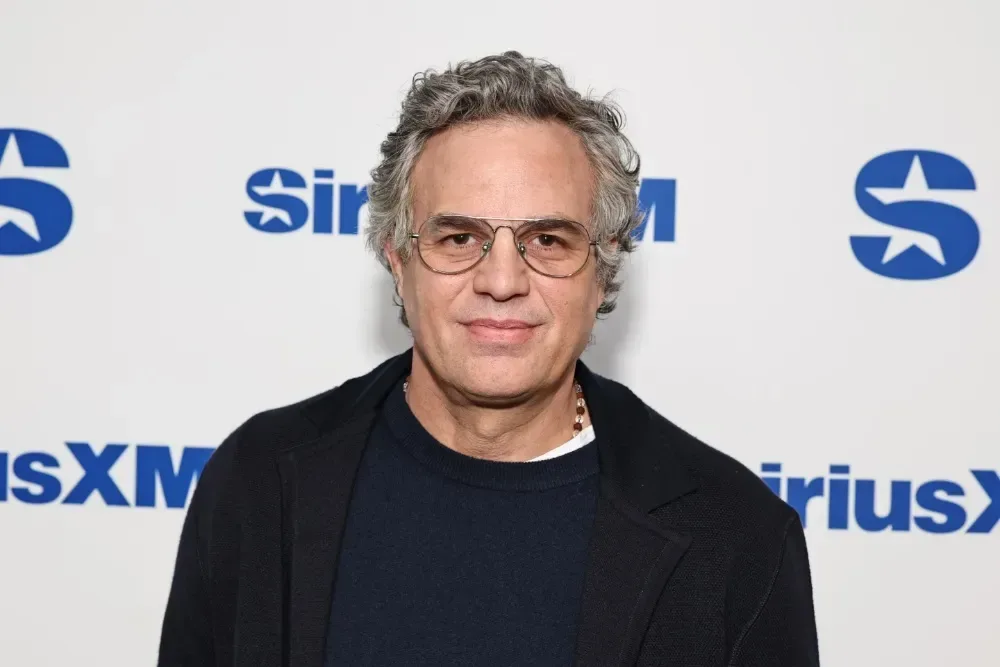
Readers following the wider reaction to the transaction can also see how contentious the approved deal remains in this look at Mark Ruffalo’s response to the Paramount-Warner Bros. deal.
Related coverage includes Ted Sarandos Downplays Paramount-Warner Bros. Threat, Details Netflix’s Theatrical Plans.
Sarandos stands by Netflix’s Warner Bros. Discovery bid
Sarandos also addressed Netflix’s own unsuccessful pursuit of Warner Bros. Discovery, saying he does not regret the company’s approach. His explanation centered on price discipline: Netflix reached what he considered the highest valuation at which the asset could still provide shareholder value at the company’s scale.
That distinction matters. A bidder can believe an acquisition would be strategically useful while also concluding that a higher price would erase the expected financial benefit. Sarandos said Netflix ultimately “won the deal at some point,” meaning it arrived at a price it could justify, even if that was not the price required to take the asset home.
What “return value” means here: the phrase refers to the expectation that an acquisition should produce enough long-term benefit—through revenue, subscribers, intellectual property, efficiencies or other gains—to outweigh its purchase cost and added risk. It is not the same as saying an asset has no value above a company’s preferred bid. It means the buyer believes its own economics no longer support going further.
Sarandos acknowledged that a high-profile deal process can disrupt the narrative around a business for investors, press and observers. But he argued that management has to accept that possibility if an opportunity is judged beneficial over the long run. It is a useful window into Netflix’s posture: willing to explore a major acquisition, but unwilling to treat winning as the only measure of success.
Engagement is growing, just not at the desired pace
Netflix reported 2% year-over-year growth in user engagement for the first half of 2026, a pace Sarandos said was slower than he wants. Engagement generally refers to the amount of viewing taking place on the service, rather than simply the number of accounts or the revenue those accounts produce. It is an important measurement for a subscription platform because sustained viewing can support retention and make the service central to a household’s entertainment habits.
However, Sarandos cautioned against reading the figure without context. Netflix is putting resources into live programming, which he described as relatively new for the service. The company spends about 5% of its content budget on live events, he said, while those events represent about 1% of viewing.
That mismatch does not necessarily mean live programming is a failure. It does mean it currently creates a drag on a simple viewing-efficiency calculation. Live shows may have value outside raw hours watched: they can make a platform feel timely, create moments of shared attention, and broaden what viewers expect Netflix to carry. None of those possible benefits erase the cost, and Sarandos did not claim they do. His point was that a newer category can affect engagement trends before it reaches maturity.
At the same time, he said Netflix achieved double-digit revenue growth in every global region during the most recent quarter. Revenue growth and engagement growth are related but not interchangeable. A service can increase revenue through its mix of plans and other business decisions while viewing grows more slowly. Sarandos’ comments positioned Netflix as a business that is still growing, while openly recognizing that it wants to accelerate audience engagement.
More formats, and a more flexible service
Netflix is also looking beyond its familiar TV-series-and-film foundation. Sarandos mentioned podcasts and pointed to the company’s distribution agreement with French broadcaster TF1 as evidence that Netflix wants to become more nimble in adding ways to watch over time.
The significant word is “nimble.” Streaming services are often judged through the lens of catalog size, but the competitive challenge is also about how quickly they can add or adapt formats without confusing the subscriber experience. Live programming, podcasts and external distribution arrangements each test a different edge of the Netflix model.
Netflix has not said these additions replace movies and scripted television. Rather, they sit alongside those central offerings. For consumers, this could mean a platform with a wider mixture of programming. For Netflix, it presents a familiar balancing act: make the service more useful while preserving clarity about what makes it worth subscribing to.
Theatrical windows become a case-by-case tool
The most concrete experimentation described by Sarandos concerns movie theaters. Netflix plans to give La Bola Negra its longest theatrical runway in the company’s history when it arrives in October. Next year, Greta Gerwig’s Narnia: The Magician’s Nephew is set for Netflix’s first conventional theatrical rollout, with a 49-day theatrical window before its April 2 streaming debut.
A theatrical window is the period in which a film plays exclusively in cinemas before becoming available through another release channel, such as a subscription streaming service. A longer window gives theaters a period of exclusivity; a shorter or specially tailored one can preserve a closer connection between a cinema run and a streaming release.
Sarandos made clear that Netflix does not intend to use a single window for every film. The company put more than 30 movies into theaters last year, each using an individualized approach that considered the length of the run, marketing spend and which cities to target.
That strategy recognizes that movies are not interchangeable products. Sarandos contrasted art-house titles, including La Bola Negra and last year’s Train Dreams, with broadly appealing family films designed for repeat viewing. He suggested the former type can remain in theaters for far longer, while the latter may justify a more expansive theatrical launch with a different timetable.
Netflix is planning wide theatrical releases for Narnia: The Magician’s Nephew and Charlie vs. the Chocolate Factory, which is due at the end of the year. Sarandos also said audiences can expect a very broad theatrical release when the K-pop Demon Hunters sequel arrives.
The underlying goal is not a wholesale conversion into a traditional studio. Sarandos described the question as how to serve moviegoers who want the cinema experience without reducing Netflix’s value. The answer, at least for now, is segmentation: let each title’s audience profile and potential theatrical life shape its release plan.
Production incentives remain a domestic pressure point
Sarandos also used the discussion to argue for a federal production tax credit in the United States. Netflix has filmed in all 50 states, he said, giving the company a broad view of where state-level incentives succeed and where they do not. He identified New Jersey as the country’s most competitive state on incentives, while criticizing California and Los Angeles for falling behind.
Production incentives are government programs designed to encourage film and television work in a particular location, commonly by offsetting a portion of qualifying spending. Their intended effect is to attract productions and the jobs connected to them, from crews and vendors to facilities and related services.
Sarandos argued that state programs compete against one another within the U.S. but lack the unified scale to compete fully with other countries. He cited the United Kingdom as an especially attractive incentive destination and said a federal credit could sit on top of state incentives to help bring production work back to the U.S.
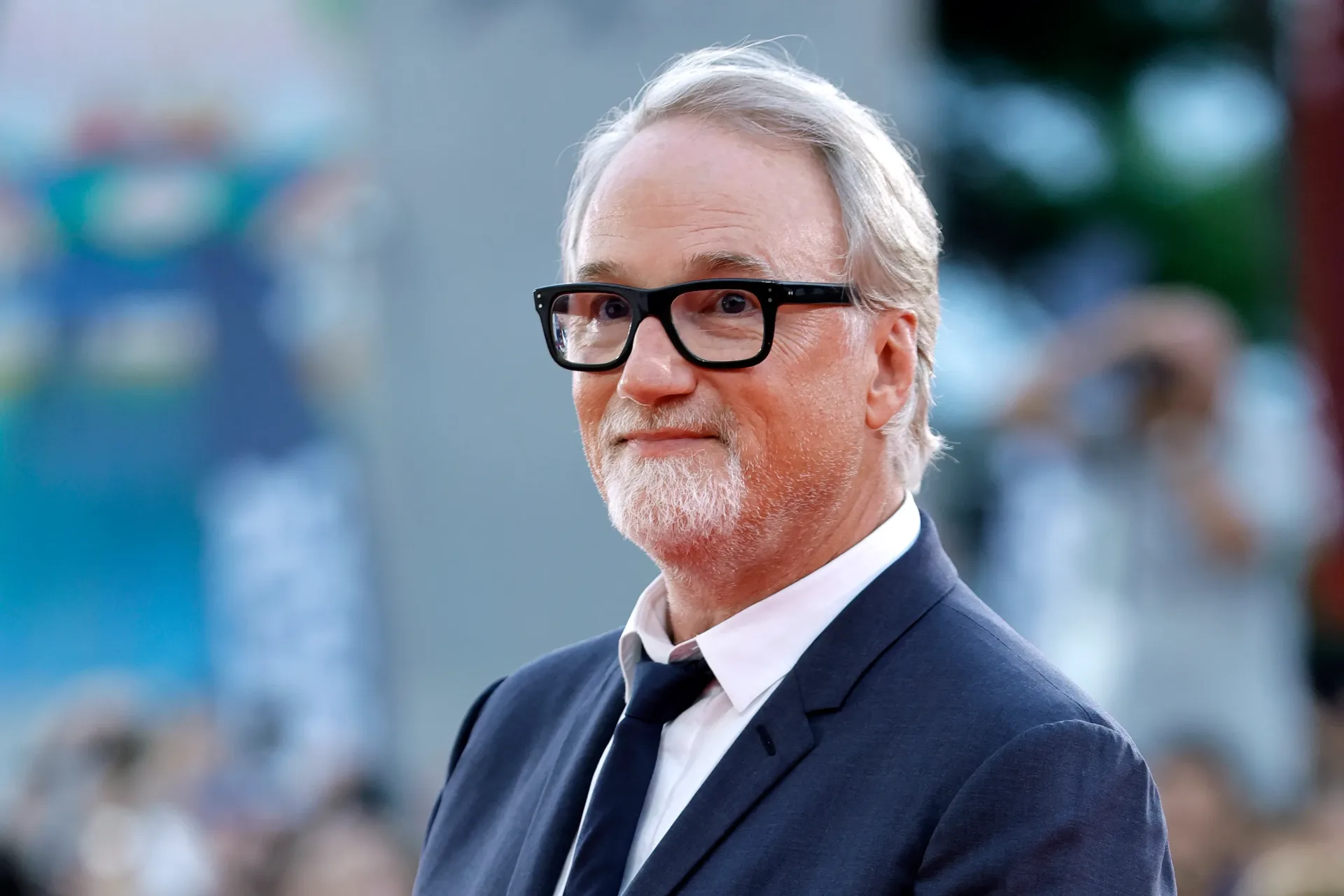
He also said California had grown complacent because much of the talent is already there, while infrastructure has aged and filming in Los Angeles has become difficult. Netflix had just completed David Fincher’s The Further Mis-Adventures of Cliff Booth, which Sarandos said was not easy to make in the city.
That complaint is less about celebrity geography than production economics. Publicly traded entertainment companies must account for costs, and incentives can materially affect where a project is placed. Sarandos’ argument is that local talent alone no longer guarantees production will stay local.
What Netflix’s posture signals
The immediate takeaway is not that Netflix sees no threat from a newly combined rival. Sarandos instead resisted the assumption that corporate scale answers every competitive question. Netflix is responding on several fronts of its own: targeted theatrical releases, new viewing formats, continued global revenue growth and a policy push intended to change where productions can be made economically.
Its movie strategy may be the clearest demonstration of that flexibility. A 49-day window for a major Narnia film, an extended runway for an art-house title, and broad theatrical ambitions for a future K-pop Demon Hunters sequel are not one rigid doctrine. They are experiments built around different kinds of movies and audiences.
Meanwhile, the Paramount-Warner Bros. deal moves from approval toward implementation. Sarandos’ arithmetic joke leaves the central question intact: only the combined company’s decisions—not the fact of combination alone—will show whether one plus one becomes more compelling for viewers.