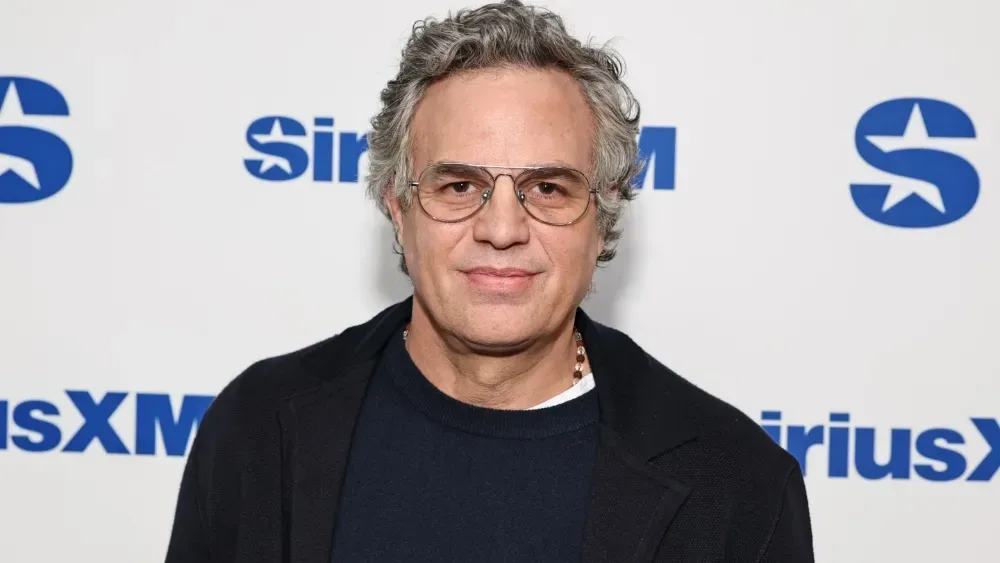
Mark Ruffalo has again criticized the proposed Paramount-Warner Bros. merger, issuing a forceful public statement after news that the transaction had been approved and was tentatively expected to close the following week.
In a post on Threads, Ruffalo said the combination would harm creative work, free expression and employment. He described the approval as deeply disappointing for the people who had mobilized to oppose it, but stressed that he did not see the result as an endpoint for the campaign.
“This merger will stifle creativity, weaken free speech, and cost people their jobs — it is a bad deal for this country and should never have been approved,” Ruffalo wrote.
His objection is deliberately broader than a complaint about one corporate transaction. Ruffalo framed the effort as resistance to what he called wealthy, powerful interests putting financial gain ahead of ordinary people. He encouraged supporters to remain involved, saying the grassroots movement would persist.
What Ruffalo is objecting to
A merger is the joining of two companies or corporate operations. In entertainment, the practical stakes are especially visible because the businesses at issue can influence which films, television series and franchises move forward; which creative teams are retained; and how audiences reach finished work.
Ruffalo’s statement identifies three specific fears: reduced creativity, weaker free speech and job losses. Those are claims and concerns voiced by the actor, rather than confirmed outcomes contained in the available information. That distinction matters. The deal’s approval and tentative closing timetable do not by themselves establish what will happen to any individual job, production slate or editorial decision.
Still, his concerns explain why an acquisition can produce anxiety far beyond corporate boardrooms. A screen-industry deal can be understood not just as a financial event, but as a potential change in who has decision-making power over creative businesses and the people who work within them. For performers, filmmakers and viewers, that makes the question larger than corporate naming or ownership structure.
The entertainment landscape also overlaps with games in ways that make media-company decisions relevant to Joking Joystick readers. Game adaptations, licensed properties and cross-media franchises all depend on studios choosing what to develop and how to distribute it. That does not mean this deal has a stated effect on any particular game or adaptation; none is identified here. It means that ownership battles in screen entertainment are part of the wider environment in which franchise-driven projects are planned. Recent film news, including the Helldivers film’s casting and release-date update, illustrates why film and gaming audiences often pay attention to each other’s industries.
Ruffalo says approval does not end the campaign
Ruffalo acknowledged the setback in direct terms, saying the approval was an “incredibly disappointing outcome” for the people who sought to stop the merger. But the central message of his post was persistence. He said the movement would not “fade away,” and neither would its supporters’ resolve.
That framing is significant because it rejects the idea that public advocacy has value only when it immediately changes a formal outcome. In Ruffalo’s view, opposition to this merger is part of a continuing effort to challenge concentrated power in entertainment and beyond it.
He wrote that the fight was “never about just one merger,” characterizing it instead as a response to what he called corrupt oligarch billionaires “trampling the interests of everyday people” for personal enrichment. That is Ruffalo’s political assessment of the deal and the people he believes benefit from it. The supplied information does not independently substantiate those allegations, but it makes clear that he is presenting the merger as a public-interest issue rather than a private dispute among companies.
His earlier appeal to California’s attorney general
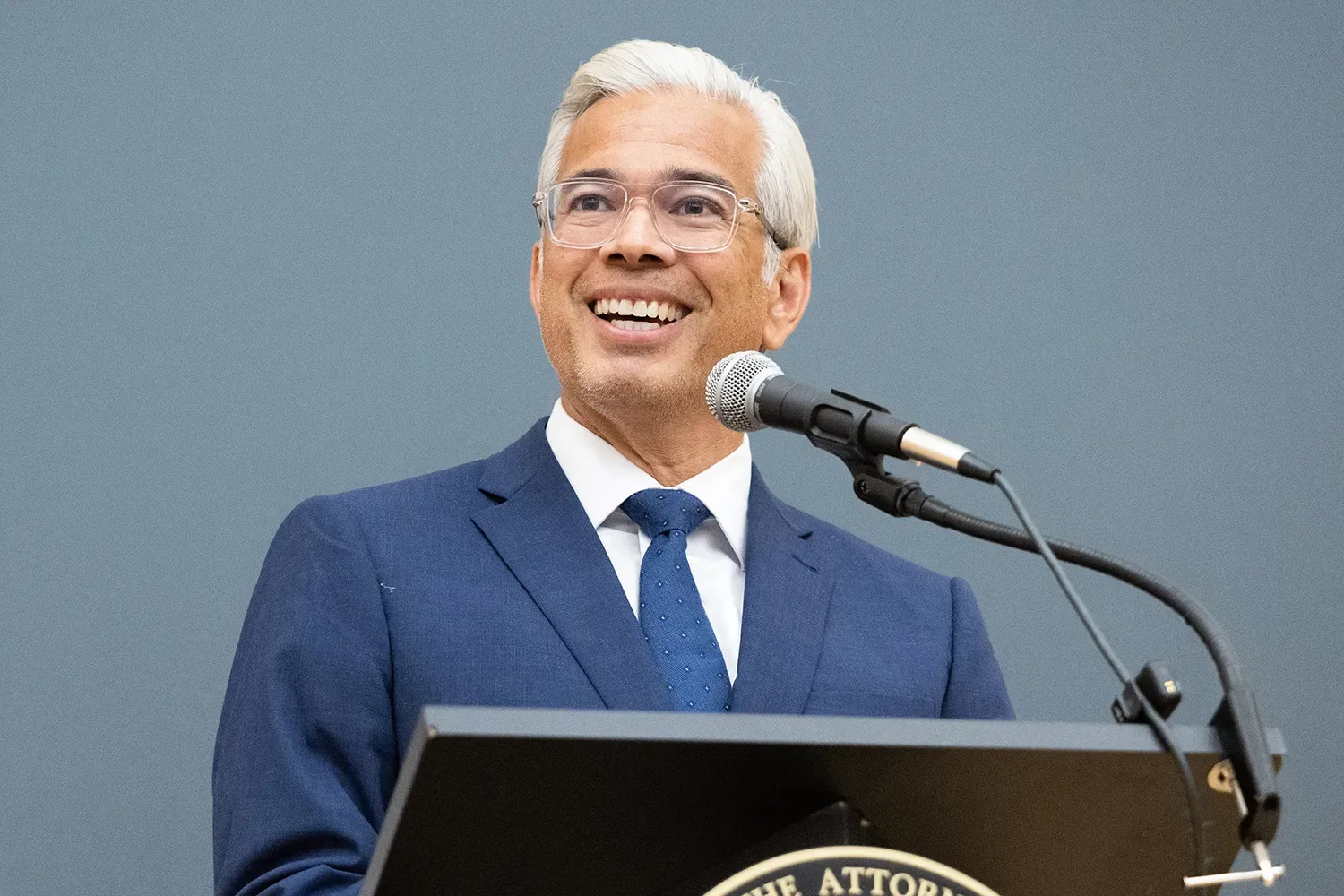
The Threads statement follows Ruffalo’s earlier effort to urge California Attorney General Rob Bonta and a coalition of 11 other state attorneys general not to settle their lawsuit involving Paramount Skydance. The lawsuit was described as a route that could prevent David Ellison from acquiring Warner Bros. Discovery.
Ruffalo’s message on X was notably urgent. He appealed to Bonta not to “cave” and argued that the state officials should continue fighting rather than agree to a settlement. He also pointed to two levels of organizing: 5,670 filmmakers who, he said, had put themselves on the line for the anti-merger effort, and more than 75,000 people who had signed in opposition over three weeks.
Those figures are presented by Ruffalo in his public appeal. They convey the scale he attributes to the campaign, but they should not be treated as an independently verified measure of public opinion based on the information available here. A petition signature count can demonstrate mobilization among people who choose to participate; it is not automatically a survey of the public at large.
His message to the attorney general was rooted in accountability. Ruffalo argued that public officials work for the people who could be affected if the transaction proceeds, rather than for the companies pursuing it. He urged supporters to sign and send a message to the attorneys general and Paramount.
Why the language around jobs and creativity matters
Corporate combinations are often discussed through legal and financial vocabulary: approval, closing, acquisition and settlement. Ruffalo’s intervention shifts the focus to human effects. His argument is that workers and creative communities should be treated as central stakeholders when a major entertainment business changes hands.
Stakeholders are people or groups with something to gain or lose from a decision. In this case, Ruffalo’s comments expressly point to workers, filmmakers and “everyday people.” His view is that their interests could be put at risk by the merger. The available details do not describe a particular staffing plan or identify a defined set of roles that could be eliminated, so it would be premature to state any precise employment outcome as fact.
The same caution applies to creative and speech-related concerns. Saying a merger may “stifle creativity” is an argument about the conditions under which entertainment gets made: who approves projects, what kinds of voices receive support and how much room exists for varied work. Saying it may “weaken free speech” is a still wider warning about power and expression. Ruffalo has made those warnings explicit, but no specific production, creator or editorial policy is named in the information at hand.
That uncertainty does not erase the relevance of the concerns. It simply separates a critic’s forecast from an established consequence. Readers assessing the dispute can hold both ideas at once: the approval is the reported development, while the effects Ruffalo predicts remain contested questions about what follows.
A public fight that continues after a corporate milestone
The reported approval changes the immediate terrain of the debate, particularly with the deal tentatively slated to close next week. It does not, in Ruffalo’s telling, resolve the underlying questions. His comments indicate that he intends to keep organizing and asking others to do the same.
For now, the clearest takeaway is not a promised policy change or a newly detailed legal action. It is Ruffalo’s refusal to treat the approval as a final verdict on the public debate. He remains opposed to the Paramount-Warner Bros. merger, continues to link it to concerns over power, jobs, creativity and speech, and is calling on the coalition that formed around those concerns to remain active.