Netflix is partnering with the British Library on a U.K.-wide reading initiative built around a simple, sensible proposition: a beloved film or series can be the route back to the book that inspired it. The partnership will send collections of adaptation-linked titles to 100 public libraries, support the British Library’s conservation and archive work, and stage events exploring how stories travel from page to screen.
The programme arrives during the U.K.’s 2026 National Year of Reading, an initiative responding to a decline in reading for pleasure. That wider context matters. This is not merely a display of tie-in books beside a streaming promotion; it is an attempt to use the considerable pull of screen storytelling to direct people toward public libraries and longer-form reading.
What the partnership will put in libraries
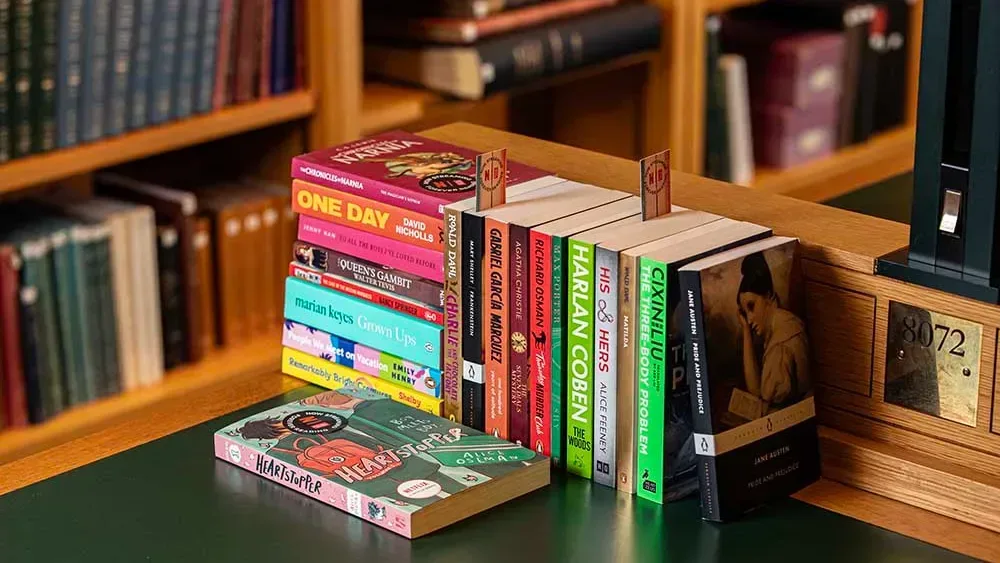
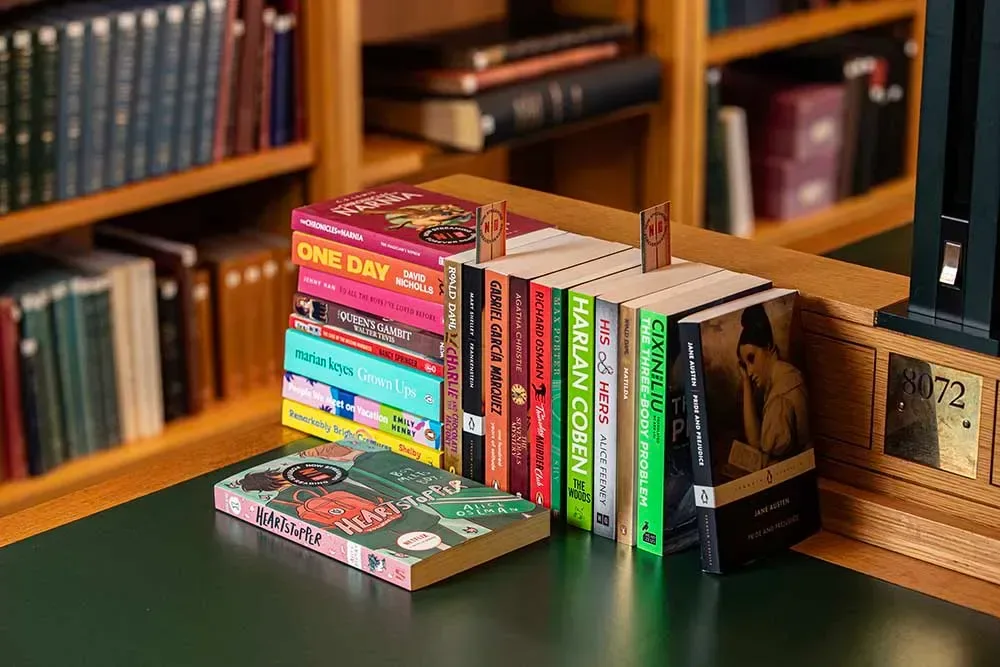
The donated collections will be distributed to 100 public libraries across the U.K. and will include books that have been adapted into Netflix films and series. Named titles include Frankenstein, Pride and Prejudice, Heartstopper, One Day, The Thursday Murder Club, and Charlie and the Chocolate Factory.
That is a deliberately broad shelf. It spans classic literature, children’s fiction, romance, graphic-fiction-rooted contemporary storytelling, and crime. The mix is significant because an adaptation is not a single genre of reading prompt. Someone who encounters a story through a period drama may be looking for something very different from a viewer drawn in by a teen romance or a mystery ensemble. A public-library collection can meet each reader at that entry point without assuming there is one preferred kind of book.
Netflix is also providing funding for literary conservation and archives at the British Library. Conservation, in this context, means the specialist work of protecting material so it remains accessible over time. The partnership does not specify a funding amount or individual archival items, so the practical details of that support remain undisclosed. Still, the involvement of the national library gives the initiative a second purpose beyond circulating popular titles: it supports the preservation work carried out by an institution responsible for cultural holdings.
The events are about adaptation, not just promotion
Alongside the book donations, Netflix and the British Library are running a programme of events that will be streamed to libraries around the country. Their focus is the adaptation process: how a written work becomes a screen production.
That distinction is useful. An adaptation is not simply a book reproduced with cameras. Screen versions must make choices about structure, perspective, character, setting, pace, and what can be shown or implied within a different medium. A novel can spend pages inside a character’s thoughts; a film or series often has to express that interiority through performance, dialogue, imagery, editing, or sound. Conversely, a screen production may give a viewer a vivid visual or auditory experience that words on the page leave to imagination.
Events have already included Q&As with stars connected to Frankenstein, The Thursday Murder Club, and The Seven Dials Mystery. Florence Pugh, Zoe Kazan, Christopher Abbott, and Mike Faist also discussed the making of East of Eden on Monday night. Streaming these conversations to libraries broadens their potential reach beyond people able to attend an event in person.
Related coverage includes Netflix and British Library Launch U.K. Reading Partnership.
For readers, these sessions could be a useful way to frame the book and screen version as companion experiences rather than rivals competing to be declared definitive. The book is the originating work; the adaptation is a new interpretation of it. Differences can become the discussion, whether that means asking why a plot thread changed, how an actor approached a role, or what a screenplay needed to condense. That kind of conversation may be especially inviting for people who first know a story from television or film and feel intimidated by the idea of approaching a classic text.
Why adaptation can be a practical reading gateway
The case for the partnership rests on more than an intuition that watching something encourages reading. The U.K. National Literacy Trust’s 2025 Annual Literacy Survey found that children’s enjoyment of reading had reached its lowest recorded level. The same survey indicated that books connected to favourite films and television series can encourage reluctant readers.
“Reluctant reader” should not be treated as a fixed label or a judgment about ability. It describes someone who may not routinely choose to read for pleasure. Familiarity can lower the barrier to picking up a book: the prospective reader already recognizes the premise, characters, setting, or emotional tone. They have a point of orientation before opening the first page.
Adults show a related pattern. Nielsen BookData found that 12% of adult fiction bought by occasional readers was discovered through, or selected because of, a film or television adaptation. An occasional reader is not necessarily someone who dislikes books. They may simply need a strong prompt to choose one, and a screen adaptation can act as that prompt.
There is an important practical difference between discovering a title and accessing it. A recommendation only helps if the book is obtainable. This is where public libraries become central rather than decorative partners. They make borrowing possible for people who may not wish to buy a book sight unseen, are exploring a genre for the first time, or want to compare a screen version with its source without adding another purchase to the month’s budget.
Libraries are the connective tissue
The British Library will work through its Living Knowledge Network of public libraries. In effect, the partnership’s national scale depends on existing local-library connections rather than asking audiences to travel to a single institution. The 100 receiving libraries will have the adaptation collections, while streamed programming can carry page-to-screen conversations further across the country.
That model also recognizes that the value of a library is not limited to keeping books on shelves. A library can be a place for shared discussion, local programming, discovery, and access. In this case, its role connects a global entertainment company’s adaptations with readers’ local communities.
“Every great adaptation starts with a great story,” said Anne Mensah, Netflix’s vice president of content, U.K., adding that the experience of a film or series need not end with the credits.
Mensah said Netflix hopes the initiative will help audiences find the books behind shows and films they enjoy while supporting public libraries’ work to make reading accessible. Helen Schulte, the British Library’s head of culture programmes, said the partnership would take the company’s literary adaptations to new audiences through the Living Knowledge Network and described the conservation support as needed philanthropic assistance.
What viewers and readers can take from it
The immediate takeaway is straightforward: viewers in the U.K. will have more opportunities to seek out the books associated with familiar Netflix adaptations at participating public libraries. The larger takeaway is that adaptation fandom can become a genuine form of literary discovery. Enjoying a screen version does not require a person to prove their appreciation by reading the original, nor does reading the book obligate someone to prefer it. The two experiences ask different things of an audience.
But the evidence cited by the partners suggests that the bridge is real. Screen stories can supply curiosity, recognition, and a reason to choose a book; libraries provide the access and setting that turn those impulses into reading. With children’s reported enjoyment of reading at a low point, an initiative that treats film and television enthusiasm as a doorway rather than a distraction has a clear rationale.
It is also a useful reminder that major adaptations have a cultural afterlife beyond their credits and release windows. They can lead people toward old favourites, contemporary series, unfamiliar authors, and conversations about what storytelling gains or loses when it changes form. For a broader look at the changing spaces where entertainment audiences gather and discover culture, see this look at a fandom hub’s evolving role.