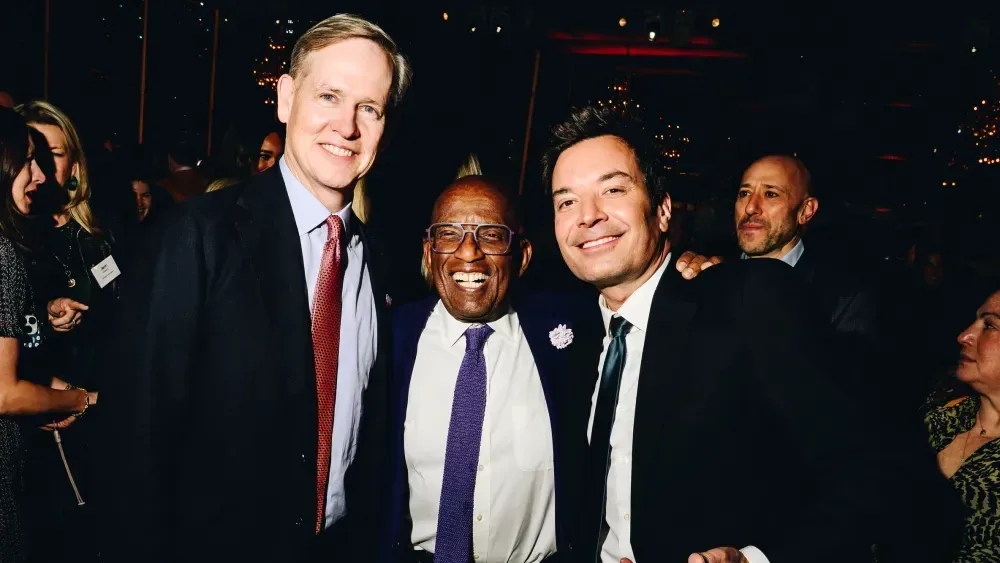
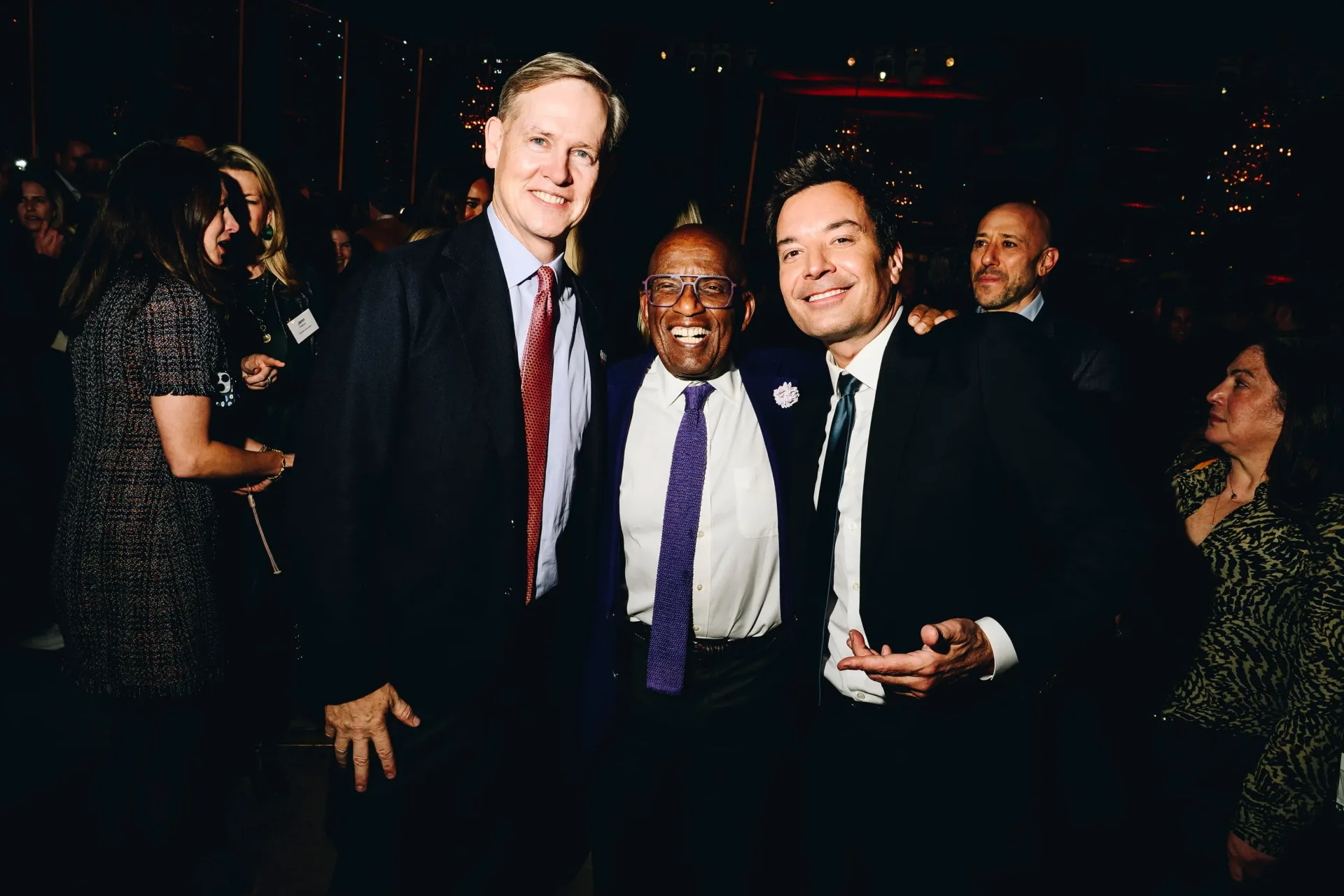
NBC has marked its 100th anniversary with a party at the Rainbow Room in Manhattan, gathering performers, on-air personalities and company leaders at the 65th-floor ballroom inside 30 Rockefeller Plaza. The occasion recognized the National Broadcasting Corporation’s first radio broadcast, described as the first broadcast to reach across the entire United States.
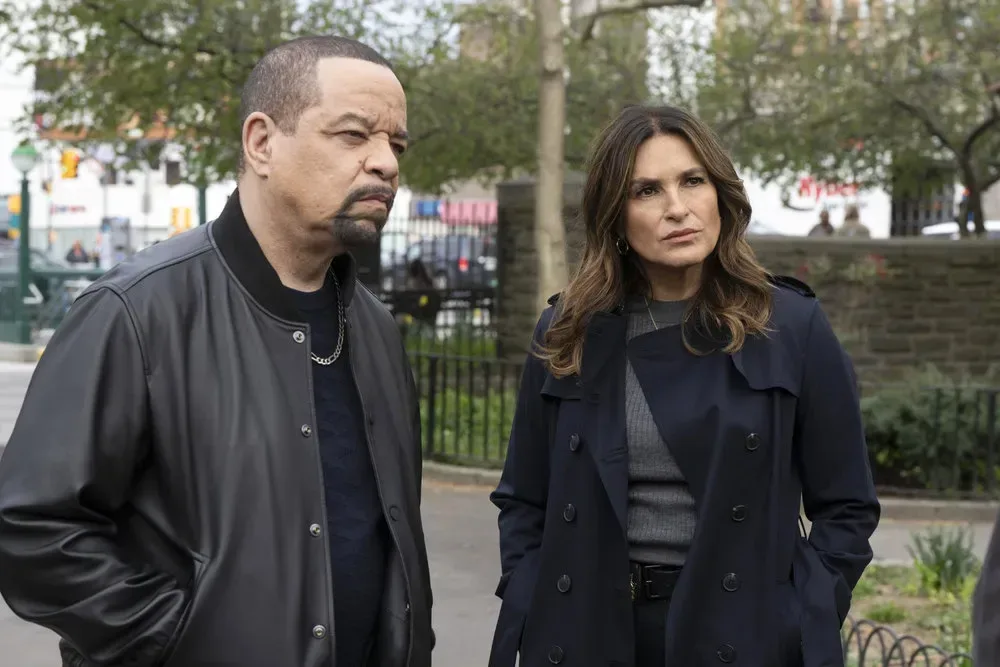
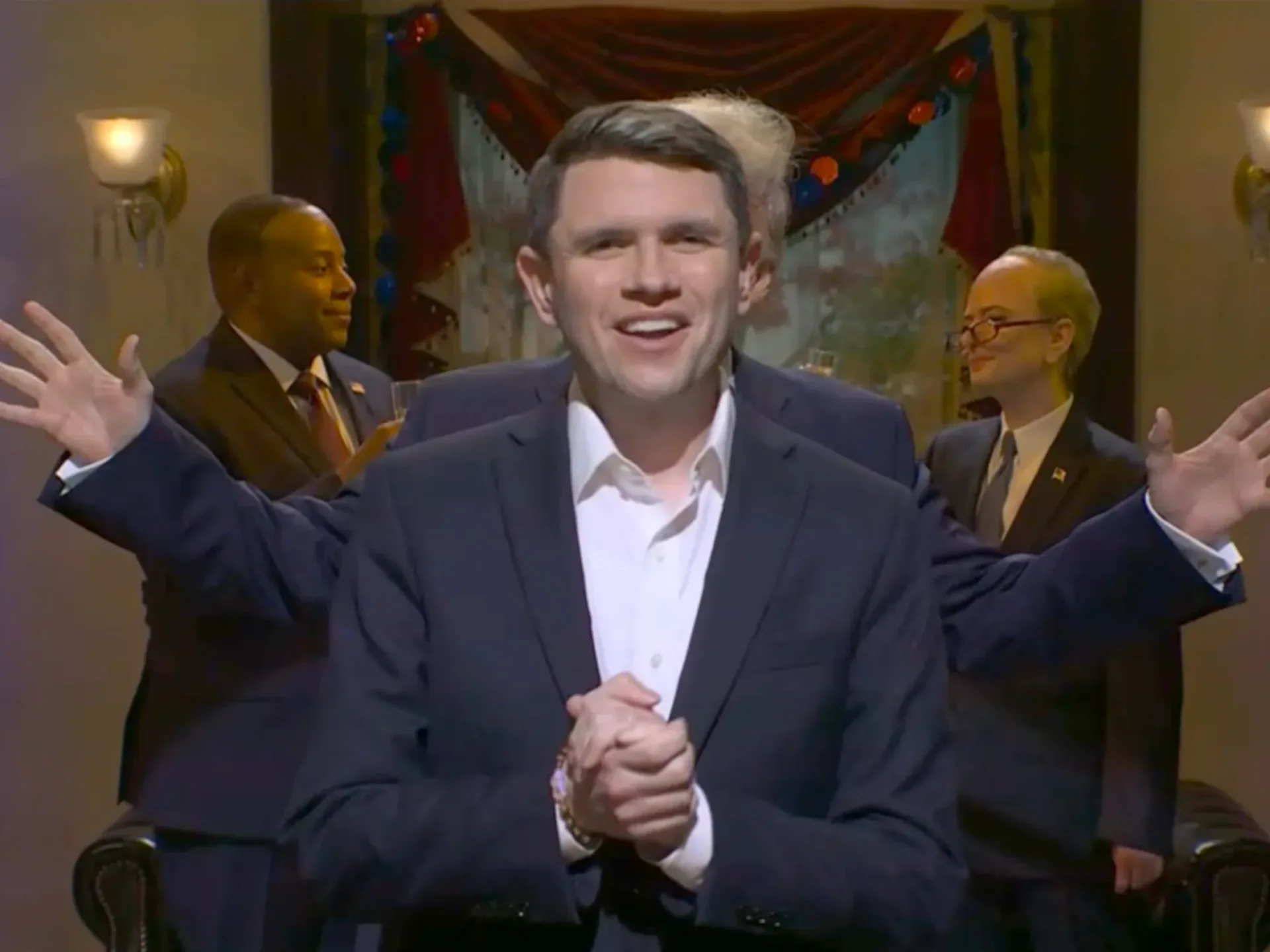
The guest list connected several generations and corners of the network’s present-day output. Amy Poehler, Jimmy Fallon, Andy Cohen, Hoda Kotb, Tracy Morgan and Al Roker were among those attending. Pearlena Igbokwe and Rachel Dratch were also photographed at the event, while Comcast co-CEO Mike Cavanagh joined NBCUniversal executives Frances Berwick, Cesar Conde and Igbokwe.
Sushi, pasta and cocktails were served at the cocktail party, but the central theme was a far larger one: a century-long journey through changing media formats. In remarks at the gathering, Cavanagh framed NBC’s history as a progression from radio into television, from black-and-white pictures to color, and from traditional broadcast distribution to streaming.
“NBC has played a part in shaping American culture and society for 100 years,” Cavanagh said. “We’ve gone from radio to television, black and white to color, broadcast to streaming.”
For more context, explore Kung-Fu Master A500 Edition Rebuilds Irem’s Arcade Climb for Amiga OCS.
A centennial built around media change
That sequence matters because it describes more than a change in screens or signal quality. Broadcast generally refers to a scheduled signal distributed to a broad audience at the same time. Streaming refers to internet-delivered programming, which can be watched live or on demand depending on the service and title. The shift changes how audiences find programs, how networks make them available, and how a brand can maintain a relationship with viewers beyond a single scheduled slot.
The party’s framing did not suggest that new technology simply replaces old technology in a neat straight line. Instead, Cavanagh’s toast emphasized continuity in the people behind the programming while acknowledging that the methods of reaching audiences have changed significantly. He credited the company’s workforce with taking “big swings,” calling that willingness a defining NBC characteristic.
It is a useful distinction for a milestone celebration. A network anniversary can easily become a list of recognizable faces or a nostalgia reel. NBC’s message at this event was broader: its identity has had to persist while its delivery methods, programming practices and consumer habits have evolved. The anniversary’s starting point in radio makes the point especially clearly. The company is celebrating an institution that began before television was its defining medium, and now operates in an environment where streaming is part of the picture.
Familiar faces, and a tribute to live-TV craft
One of the event’s more tangible links to television production came from Wally Feresten, widely known as “Cue Card Wally.” Feresten has worked on Saturday Night Live since 1990 and on Late Night With Seth Meyers since 2014. At the anniversary party, he made personalized cue cards for guests.
That detail is small but fitting. Cue cards are a practical, physical tool associated with live and fast-moving television production: large-format prompts positioned where performers can read them without breaking the flow of a segment. Their continued use alongside contemporary distribution methods is a reminder that a media company’s evolution is not only about what viewers watch on their devices. It also depends on established studio disciplines, crew expertise and behind-the-scenes routines.
Fallon’s presence alongside Feresten naturally evokes the late-night side of NBC, while Poehler, Morgan and Dratch reflect the network’s comedy connections. Kotb and Roker represent a different but equally central element of a broadcast institution: personalities who make recurring programming feel immediate and familiar to viewers. Cohen’s attendance added another major television figure to the room.
None of that turns the party into a programming announcement on its own. Rather, the gathering assembled people associated with different styles of television work—comedy, late night, news-adjacent personalities and corporate leadership—under the shared banner of the centennial. Additional event details likewise place the Rainbow Room celebration at the center of the anniversary activity.
The Dec. 10 live special is the next major event
The Rainbow Room party is one of several plans tied to the anniversary. The most notable public-facing piece still ahead is a primetime special set to air live on NBC on Dec. 10. It is expected to bring together legendary casts, talent and performers for musical performances, comedic tributes and surprise reunions.
Live is an important part of that description. A live broadcast means the program is transmitted as it happens rather than being completed and delivered entirely as a finished recording. For an anniversary special built around reunions and tributes, that approach can give viewers a shared, time-specific event, while also leaving room for the unpredictability and energy that distinguish a live telecast.
The information available does not identify the participating casts, songs, performers or reunions, so expectations should remain limited to the format outlined: music, comedy and surprise appearances from talent connected with the network’s legacy. Still, the promise of a gathering across eras is consistent with the party’s guest mix and the broader goal of showing how a century of NBC has been built through multiple kinds of programming and talent.
Why the anniversary framing is more than nostalgia
There is an inherent challenge in celebrating 100 years of a media brand. The network is honoring a history that started with radio, yet it is doing so at a moment when the terms “network,” “channel” and “audience” carry different meanings than they once did. Cavanagh’s speech confronted that point directly, noting changes both in programming and in the ways consumers and audiences are reached.
The practical implication is that legacy is not just an archive. It is an ongoing responsibility to adapt. A centennial message that focuses only on the past can feel static; one that only celebrates the newest delivery technology can overlook why audiences formed attachments in the first place. NBC’s stated theme attempts to combine those ideas: respect for the scale of its radio-to-streaming history, paired with confidence in future creative risks.
That does not answer every question about what the next century will look like, nor does the party attempt to. It does establish the language NBC wants associated with the moment: technological transition, enduring creative personnel and a readiness to change with audience behavior. The Dec. 10 telecast should offer the fuller on-screen expression of that idea, through performance, comedy and the reunion format.
For now, the Rainbow Room event served as a ceremonial checkpoint. High above 30 Rockefeller Plaza, a group of entertainers, production veterans and executives raised a glass to a company that began with a national radio broadcast and now identifies its future with the continued intersection of broadcast and streaming.