NBC’s forthcoming 100th-anniversary special is being built as more than a three-hour celebration of a broadcast network. It is also a carefully designed advertising event: a chance for major brands to attach themselves to a rare piece of television history, recurring NBC programming and live cultural conversation at the same time.
The centennial program is scheduled to air December 10 from the Dolby Theatre in Los Angeles, with celebrities and other notable figures set to participate. Allstate, Capital One, Purina Dog Chow, Smucker’s, Volkswagen and Xfinity are sponsoring the event. That roster matters because the campaign is not confined to commercials airing inside one prime-time special. The partners are being incorporated into promotional material, character-led advertising, countdown graphics and other programming-adjacent moments ahead of the broadcast.
For viewers, that likely means the anniversary will be visible well before its December airdate. For NBCUniversal and its advertisers, it is a test of whether a network’s history can be treated as an active, multi-platform entertainment property rather than a retrospective package that appears once and disappears.
What makes a centennial special different from an ordinary TV buy?
Traditional television advertising is generally straightforward: a brand buys a spot within a particular show, sports event or time period. A sponsorship, by contrast, is broader. It can involve branding around the event, custom creative, promotional integrations and an association with the programming itself. The value is not solely the number of viewers who see a 30-second commercial; it is the meaning created by appearing around a moment audiences have been encouraged to view as significant.
That distinction sits at the center of the NBC 100 strategy. Alison Levin, a president in NBCUniversal’s advertising sales and partnerships operation, described the aim as creating tailored, high-touch opportunities for brands when audiences are already engaged. In plain terms, the goal is not to find advertisers more inventory. It is to offer them a place in an occasion.
A centennial is especially suited to that approach because it is inherently finite. It does not recur annually like an awards show, and it does not play out over several weeks like a major sports competition. That scarcity can make the connection more noticeable. There will be only one 100th-anniversary celebration of the network, so the participating brands receive a defined claim on a singular entertainment moment.
The strategy also acknowledges an awkward reality of the streaming era: viewers have many options, while advertisers still value occasions that bring a large number of people into the same conversation at roughly the same time. A live special can create that focus. The surrounding rollout is what keeps the association from depending entirely on one night.
Capital One is already using familiar NBC characters
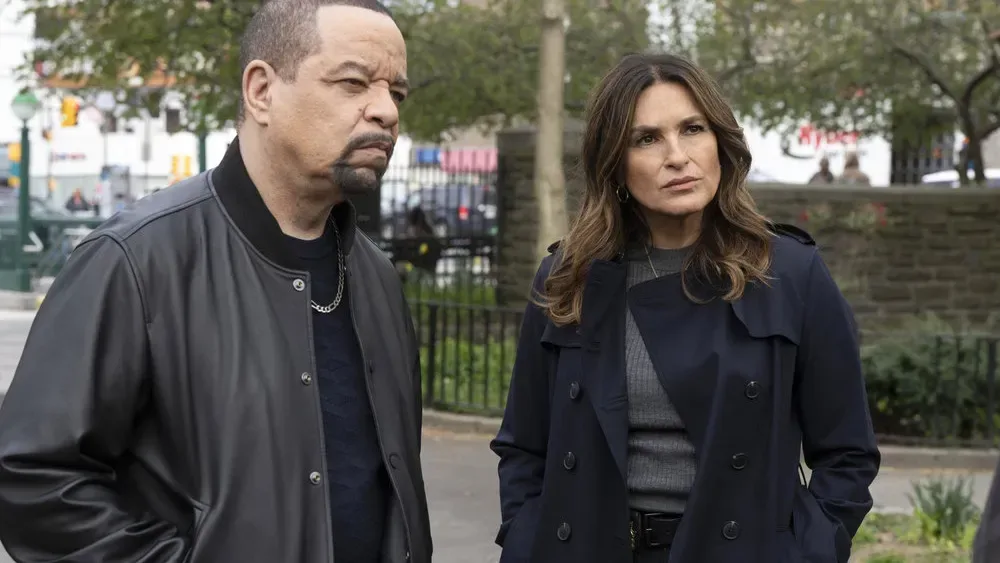
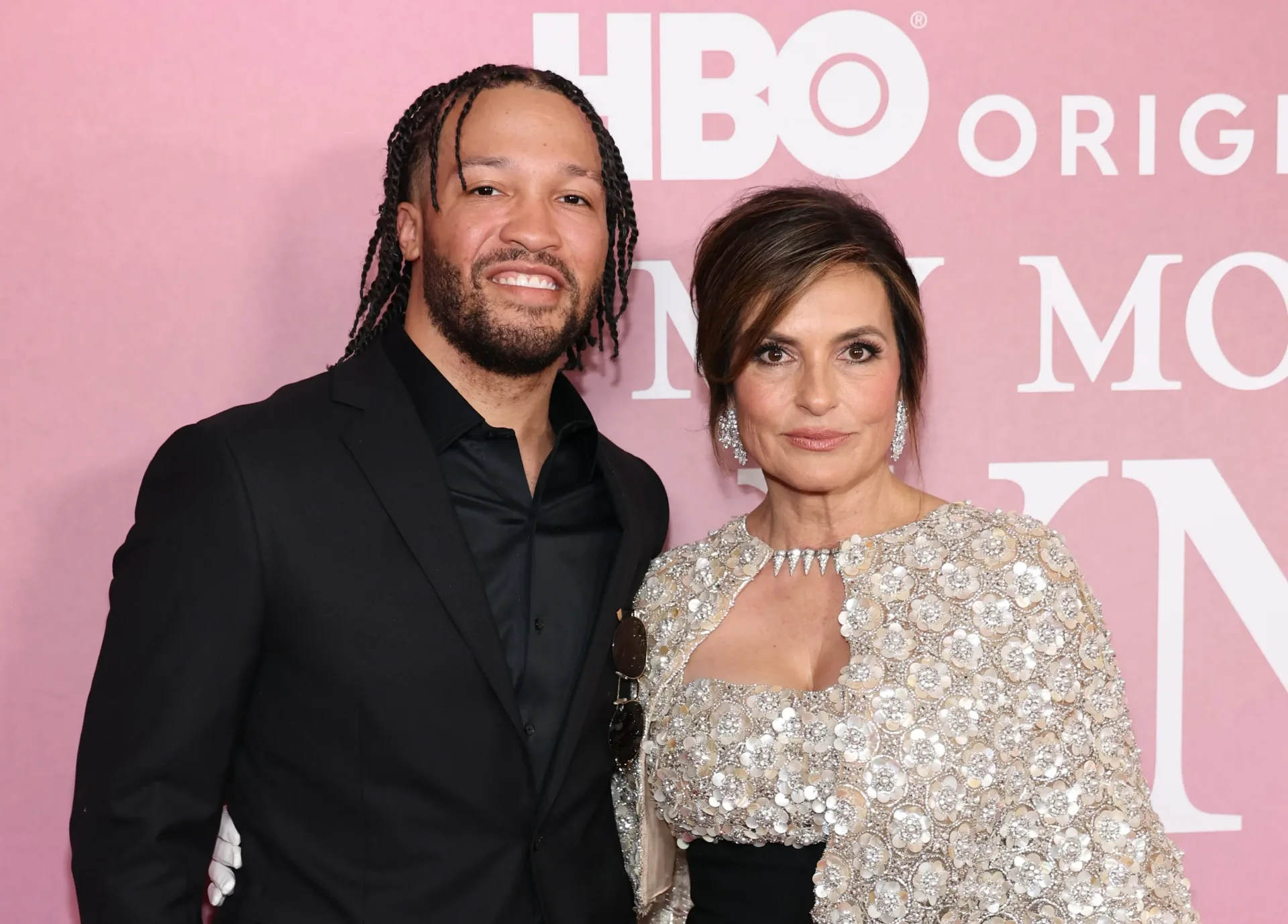
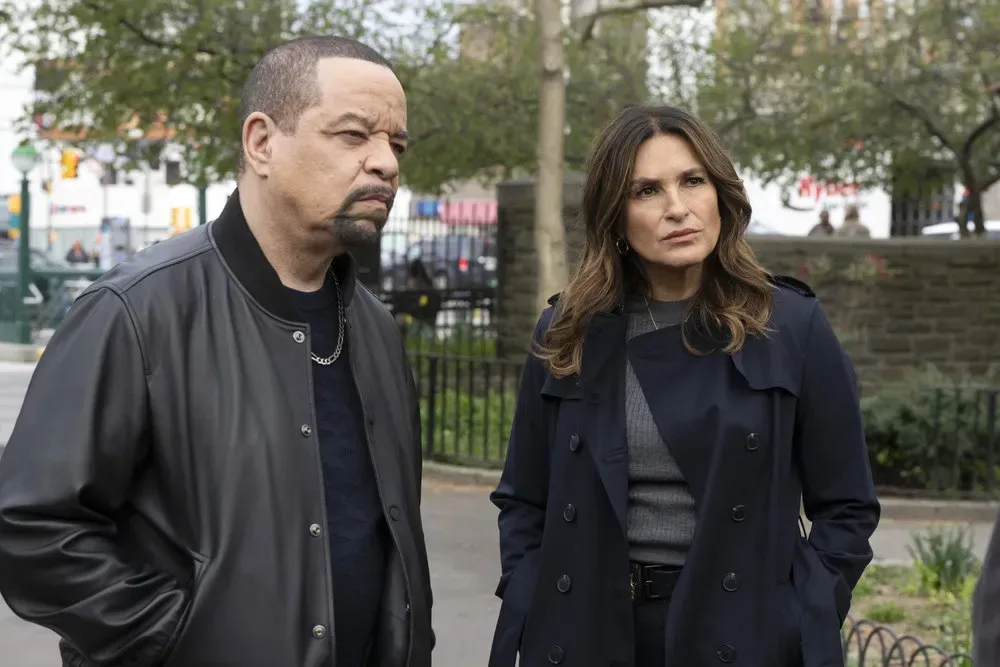
Capital One has already put an example of the model into circulation. Its campaign features Mariska Hargitay and Ice-T as Law & Order: SVU characters Olivia Benson and Fin Tutuola. The spot ends with Benson delivering Capital One’s familiar “What’s in your wallet?” line directly to camera.
Related coverage includes NBC’s 100th Anniversary Special Brings Major Brands Into Its Celebration.
This is a useful example of custom creative: advertising made specifically around an entertainment partnership rather than a standard commercial simply inserted next to a program. The brand borrows immediate recognition from the characters, while the show’s presence makes the commercial feel closer to the broader NBC celebration. It is still an advertisement, but it is constructed to play like a small extension of a television world viewers already know.
The placement of that spot after an SVU-themed segment during a recent Emmys telecast demonstrates another key element: adjacency. In advertising language, adjacency means placing a message near relevant editorial or entertainment content. The particular segment’s details were not known to the brand in advance, but its scheduled position after a special segment still created a high-profile setting for a campaign tied to the NBC anniversary.
That is different from claiming control over a live cultural moment. It is about planning for likely attention and building flexible creative that can benefit when programming context aligns. For an entertainment brand, the practical lesson is that a recognizable character, setting or format can help an ad register as part of the experience instead of an interruption from it.
The Saturday Night Live 50 blueprint is clearly influential
NBCUniversal has a recent precedent. The company used substantial brand collaborations around Saturday Night Live’s 50th anniversary in 2025, and two returning participants—Allstate and Volkswagen—were involved in that earlier effort.
Allstate supported a vignette that brought Dean Winters’ Mayhem advertising character together with Please Don’t Destroy, the comedy trio known for its taped SNL pieces. Volkswagen leaned into sketch nostalgia with a commercial featuring Fred Armisen, Bill Hader and Kristen Wiig reprising characters associated with “The Californians.”
Those executions reveal why anniversary marketing can be attractive to both sides. The advertisers get creative that is designed to be remembered and discussed, not merely viewed. The entertainment brand gets promotions that use its own history, performers and comic language rather than generic sponsor messaging. Volkswagen said the earlier work provided considerable visibility, and it plans another centennial-connected commercial in November.
Volkswagen also plans to recreate sets from NBC programs at the L.A. Auto Show that month. This brings a physical activation into the campaign. An activation is a marketing experience intended to make a sponsorship tangible—often through an in-person installation, demonstration or event presence. In this case, recreating familiar sets could give attendees something visual and participatory before the anniversary special even reaches television.
It is worth separating what is confirmed from what remains an expectation. The November commercial and the planned set recreations have been described, while details of the creative itself have not been laid out. Likewise, the special is confirmed for December 10, but its full celebrity lineup and program structure have not been detailed. The broad shape of the campaign is clear; many of its individual entertainment beats remain to be revealed.
A countdown turns regular programming into promotion
Xfinity, Comcast’s service brand, is taking a different route. Its tie-in is a countdown clock scheduled to appear during important NBC programming in the run-up to the special, including the network’s Thanksgiving Day Parade coverage and the period immediately before the anniversary broadcast.
It is a simple device, but a countdown performs a useful job. It gives audiences a repeated visual cue, establishes a deadline and turns otherwise separate broadcasts into parts of the same promotional runway. The mechanism is familiar from game launches, concerts and sporting events because it translates an abstract future date into visible anticipation. In this campaign, it also means Xfinity’s presence can be repeated without requiring every appearance to be a full conventional commercial.
That repeated visibility is important to the larger plan. NBCUniversal intends to seed bespoke anniversary moments across programming that can include live sports, Love Island and The Traitors. The point is not that every viewer will watch every show. Rather, the campaign can encounter different audiences in the places where they are already paying attention, while each placement reinforces that the anniversary special is approaching.
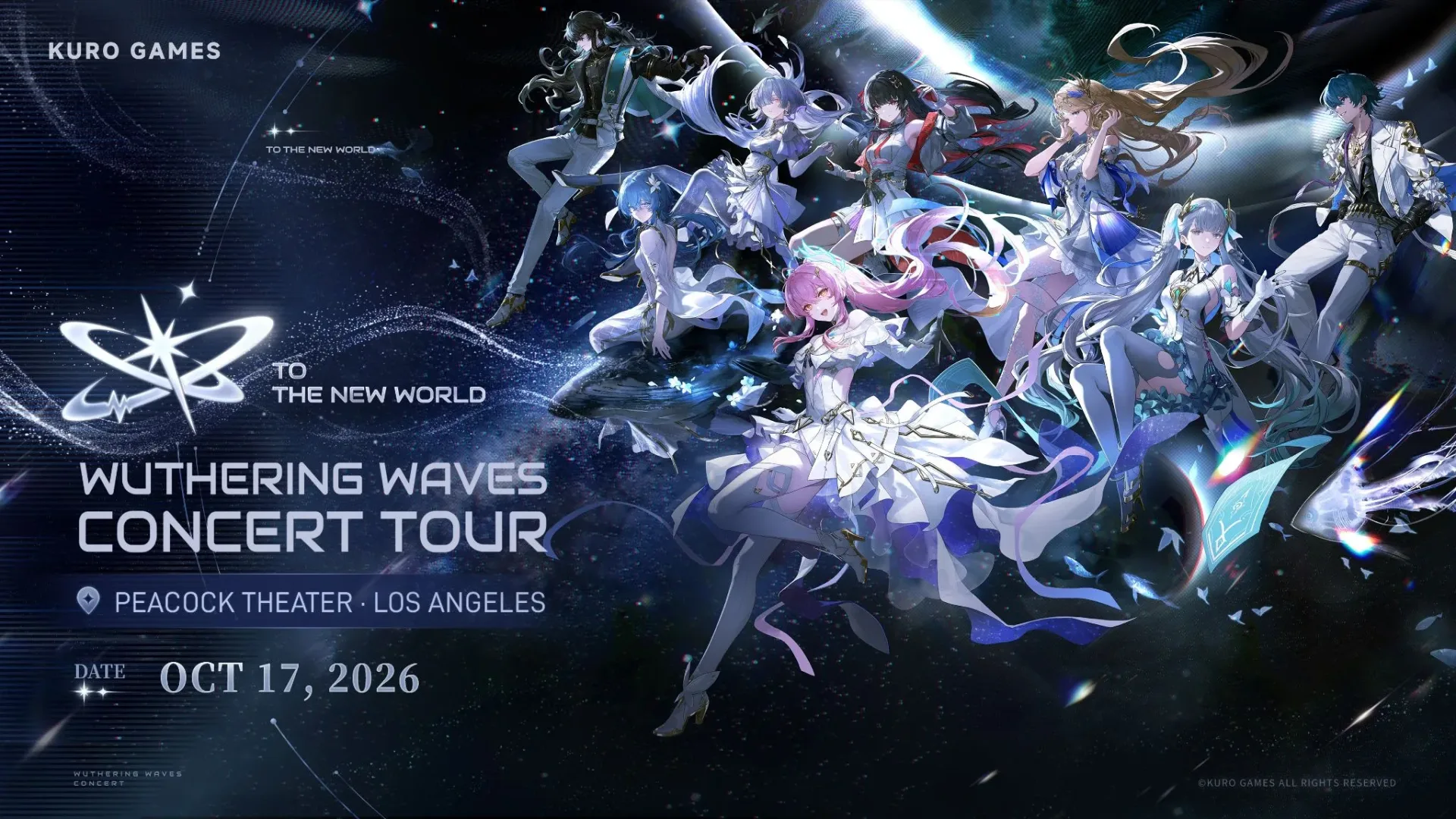
The tactic resembles how other live entertainment events turn a single performance into a wider calendar moment. For example, the speed of demand around the Wuthering Waves concert tour’s Singapore stop illustrates why event-based entertainment can become a focal point well before showtime. NBC’s anniversary has a different audience and format, but the promotional principle is comparable: anticipation is part of the product.
Why advance planning is essential
These partnerships are not assembled overnight. NBCUniversal first indicated in January that it would pursue larger sponsorships around the 100th anniversary. Its earlier SNL anniversary planning started even farther ahead: in March 2023, executive producer Lorne Michaels presented the project’s prospective components to roughly 100 advertisers at Studio 8H in New York. The plans then included retrospectives and at least one documentary alongside the flagship anniversary programming.
That timeline explains why big entertainment sponsorships can look effortless when they finally arrive. Brands need time to choose a property, determine what association fits their identity, negotiate permissions, produce original material and coordinate where the finished work will run. When actors are appearing in established roles or familiar sets are being rebuilt, the creative and logistical work becomes still more involved.
For audiences, the result may be a run of commercials and branded features that feel unusually tied to the shows around them. That can be more entertaining than a generic ad break, although it also makes the commercial relationship more visible. The value proposition relies on the partnership feeling additive: a comic sketch, a character reunion, a set recreation or a simple on-screen timer that helps establish the event as an occasion.
The long-term play is bigger than one birthday special
The centennial is also a trial run for future tentpoles. If the model delivers for participating advertisers, NBCUniversal could apply the lessons to other major occasions, potentially including the Los Angeles Olympics in 2028 and The Tonight Show’s 75th anniversary in 2029.
That does not mean those future efforts will necessarily look the same. An Olympics campaign has a fundamentally different rhythm from a one-night anniversary special, while a late-night anniversary would have its own performers, archive and audience expectations. What the NBC 100 campaign can establish is a process: identify a cultural milestone early, give brands room to create work around it, then distribute that work across the company’s high-attention programming.
For now, NBC’s December special is the central event. The more intriguing story is the campaign orbiting it. Capital One is using a well-known drama duo; Volkswagen is returning after its SNL anniversary work and planning an auto-show activation; Xfinity is helping make the wait visible; and several other sponsors have joined a one-time television milestone. The birthday is for the network. The marketing experiment is for everything that might come next.