Major spoilers for “Volition,” the Season 28 premiere of Law & Order: Special Victims Unit.
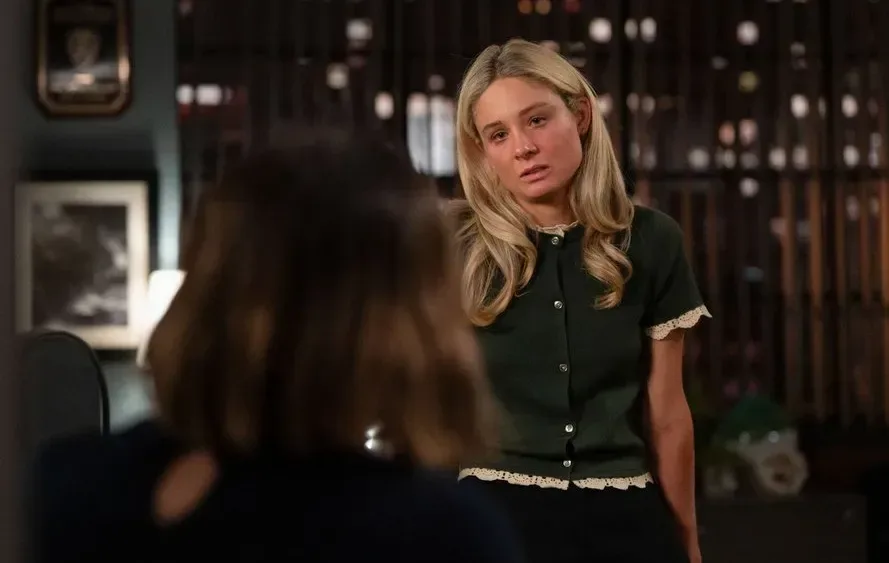
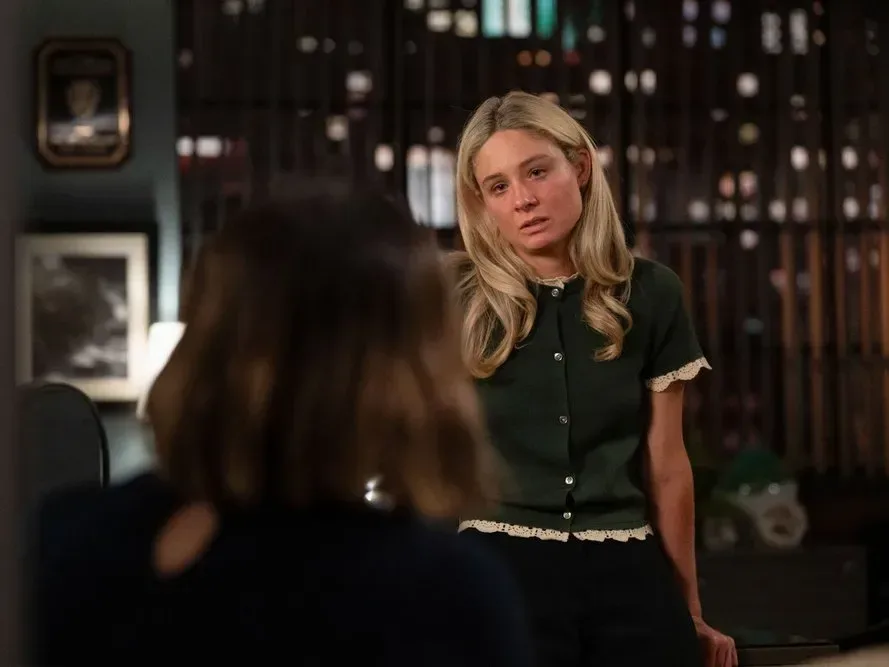
“Volition” begins Law & Order: SVU Season 28 with an investigation that refuses the easy comfort of a cleanly solvable TV case. Emily, played by Lizzy DeClement, is found in a subway car, disoriented after a night of drinking. She believes three men raped her while she was incapacitated, two of them people she knew. Yet the episode’s central tension is not whether the squad can find evidence. It is whether the law, the jury and the people surrounding Emily will recognize what that evidence means.
The episode is a deliberately bruising hour because it puts a gap in consent law at the center of its drama. Olivia Benson, played by Mariska Hargitay, says the applicable legal standard requires a victim to have been physically helpless or to have received an intoxicant without consent. That distinction matters enormously in the story: Emily had been drinking voluntarily. Her alleged inability to consent therefore becomes a question for the courtroom rather than an assumption shared by everyone in it.
The premiere’s title is pointed. Volition means the capacity to make a choice intentionally and willingly. “Volition” examines the frightening distance between that everyday understanding of consent and a legal framework that may demand proof of a particular degree of incapacity. The result is a procedural that is less interested in a traditional whodunit than in the systems that can turn a survivor’s alcohol consumption into ammunition against her.
Emily’s account is not treated as a puzzle to solve
At the hospital, Emily struggles with incomplete memory and self-blame. She suggests she could say she passed out if that would make the case easier. Benson pushes back: she should tell the truth, not reshape her experience to fit what she thinks investigators or prosecutors will accept. That scene establishes the episode’s moral position. A person does not need to present a perfect, strategically useful narrative to deserve to be heard.
Emily’s blood alcohol content is reported as .17, which prompts disagreement among the detectives. Detective Griffin, played by Corey Cott, insists that a person that intoxicated cannot consent. Detective Bruno, played by Kevin Kane, responds from the narrower legal perspective: intoxication alone does not necessarily eliminate legal consent. Benson ends the argument by explaining the law as the episode understands it, then calls the result unacceptable. Griffin does too.
That exchange gives the hour its clearest technical issue. Consent is often used conversationally to mean a freely made agreement. In a legal context, however, a charge may depend on statutory definitions, evidentiary burdens and distinctions between intoxication, unconsciousness and physical helplessness. “Volition” uses the detectives’ argument to show why a plainly troubling event can still become difficult to charge or prove under a specific statute. It does not present that difficulty as vindication for the accused; it presents it as a problem with the system.
The episode’s broader real-world concern is explicitly stated by Hargitay: a voluntary intoxication loophole exists in 19 states. As framed here, survivors who consumed drugs or alcohol themselves may not be able to legally argue that they could not consent unless they were unconscious or unable to speak. The premiere also notes that an attempt to change the relevant law during the summer legislative session did not reach a vote.
Related coverage includes Law & Order: SVU Season 28 Opens With a Consent Case That Tests Benson.
Video evidence changes the investigation, but not the burden of the trial
The three suspects offer variations on the same defense. Scott says the encounter was consensual, even if unusual. Daniel supports that account. Josh, a lab technician who had feelings for Emily, initially refuses to engage with police. Scott’s reasoning is particularly revealing: Emily did not say no, he claims, and appeared interested. The episode presents that rationale as a profound failure to understand consent, especially under the conditions described by Emily.
Then Benson obtains the major piece of corroborating evidence. Josh’s mother eventually turns over footage from home security cameras. In it, Scott and Daniel encourage Josh not to waste an opportunity because Emily is extremely intoxicated and supposedly will not remember what happens. They celebrate and return to the apartment.
This footage does not make “Volition” a simple evidence-driven victory lap. It gives the investigators a horrifying window into the men’s intentions, but the subsequent prosecution still faces the challenge of convincing a jury. That choice is important. Many crime dramas treat a smoking gun as a storytelling switch that immediately settles the ethical and legal questions. Here, the recording increases the stakes while making the jury’s response even more unsettling.
The case also centers a crucial fact frequently lost in public conversations about sexual assault: knowing someone does not create permission. Emily knew Josh and had a prior social relationship with him. The episode shows how the defendants try to turn familiarity, alcohol consumption and an absence of remembered verbal refusal into a substitute for affirmative willingness. None of those things is affirmative consent.
A jury consultant identifies the assumptions facing Emily
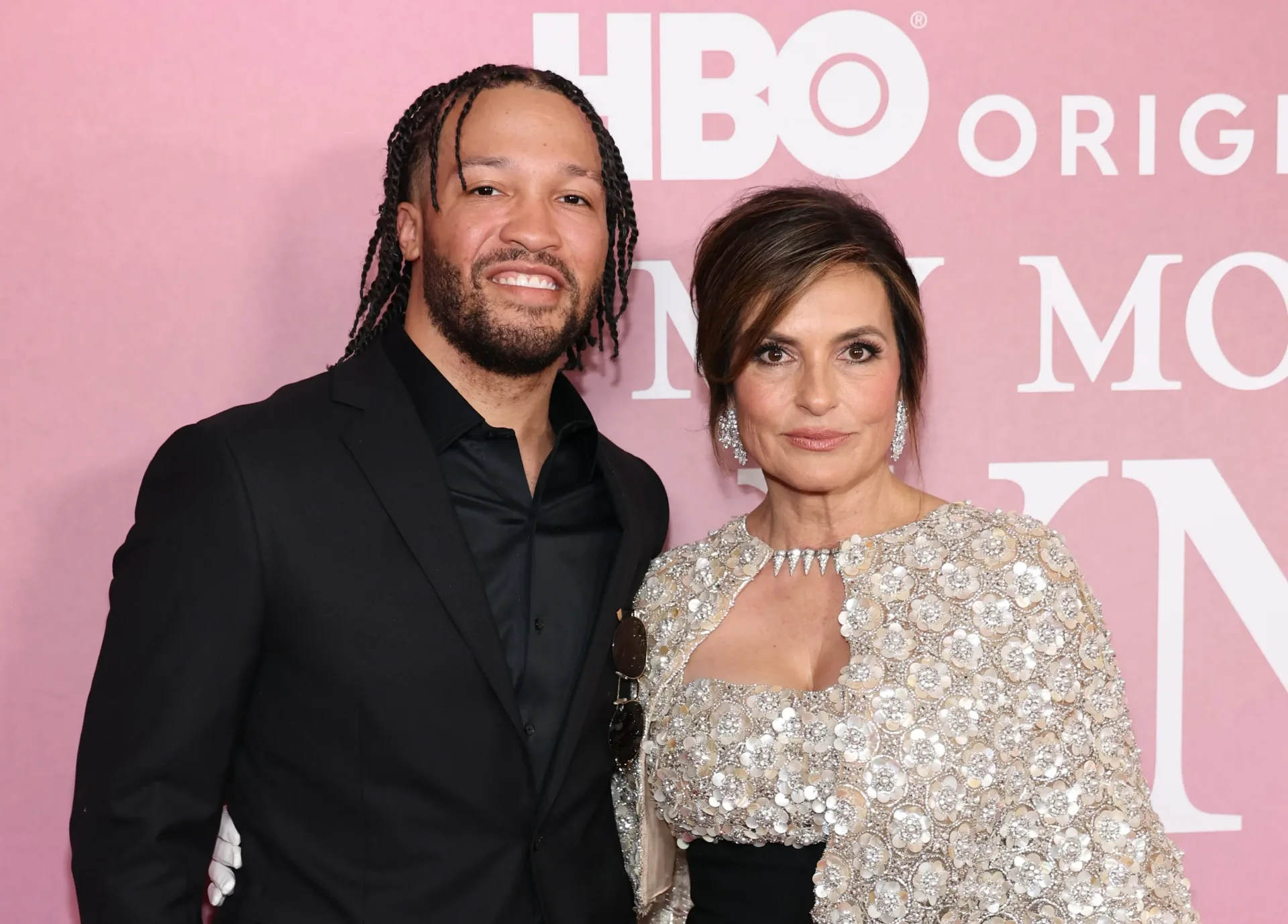
Peter Scanavino’s ADA Carisi is joined in court by ADA Aidan Hawkins, played by Jelani Alladin, a recent Harvard Law graduate. They also bring in Gwen Sharpe, a jury consultant played by J. Smith-Cameron. A jury consultant helps attorneys assess likely juror attitudes and shape jury selection strategy. The role does not determine the verdict, but it recognizes a practical truth: jurors bring lived experience, bias and preconceptions into deliberations.
Sharpe’s warning is especially bleak. She tells Benson that women on the jury may project themselves onto Emily and reason that they would never have put themselves in her situation, so what happened to her could never happen to them. It is an explanation of victim-blaming, not an endorsement of it. Victim-blaming shifts scrutiny from an alleged perpetrator’s choices to the survivor’s drinking, clothes, social behavior, relationships or decisions made before an assault.
The defense attorney, Andrea Vargas, played by Lindsay Mendez, brings precisely that logic into the courtroom. Her cross-examination asks Emily whether she can say she did not consent, whether she resisted and whether she was encouraging the men. It is an agonizing sequence because the questions leverage Emily’s memory gaps as if uncertainty created by incapacitation were proof of permission.
“Volition” does not soften the experience of watching a survivor put on trial alongside the accused. The scene is painful by design, and it clarifies why testimony can be so difficult when a person cannot fully reconstruct events. A lack of memory is not automatically an absence of harm. Yet under the legal standard discussed in the episode, it can become a severe obstacle to achieving accountability.
The first trial exposes a divide over acceptable outcomes
Vargas offers a plea arrangement in which the men would admit to misdemeanor forcible touching, an outcome that would place them on the sex-offender registry without adding jail time. Carisi wants Benson to take it because he believes the alternative is the men walking free. Hawkins and Benson want to continue pursuing the larger case. When the jury hangs, the dispute becomes more than a disagreement over tactics.
A hung jury occurs when jurors cannot reach the required unanimous or otherwise legally specified verdict. It is not an acquittal or conviction. In this case, it leads to a retrial. The procedural outcome carries a human cost: Emily must continue living with public doubts about her account, while Benson is forced to confront the possibility that a case with damning footage and a survivor’s testimony may still fail to persuade a jury.
Carisi’s approach is pragmatic, even painful. A plea deal can secure an admission and legal consequences while avoiding the risk of no conviction at all. Benson’s position is that accepting the offer would fail to match the alleged crime. Neither perspective is presented as emotionally easy, but the episode lets their disagreement become personal because it asks what justice means when the available options are all compromised.
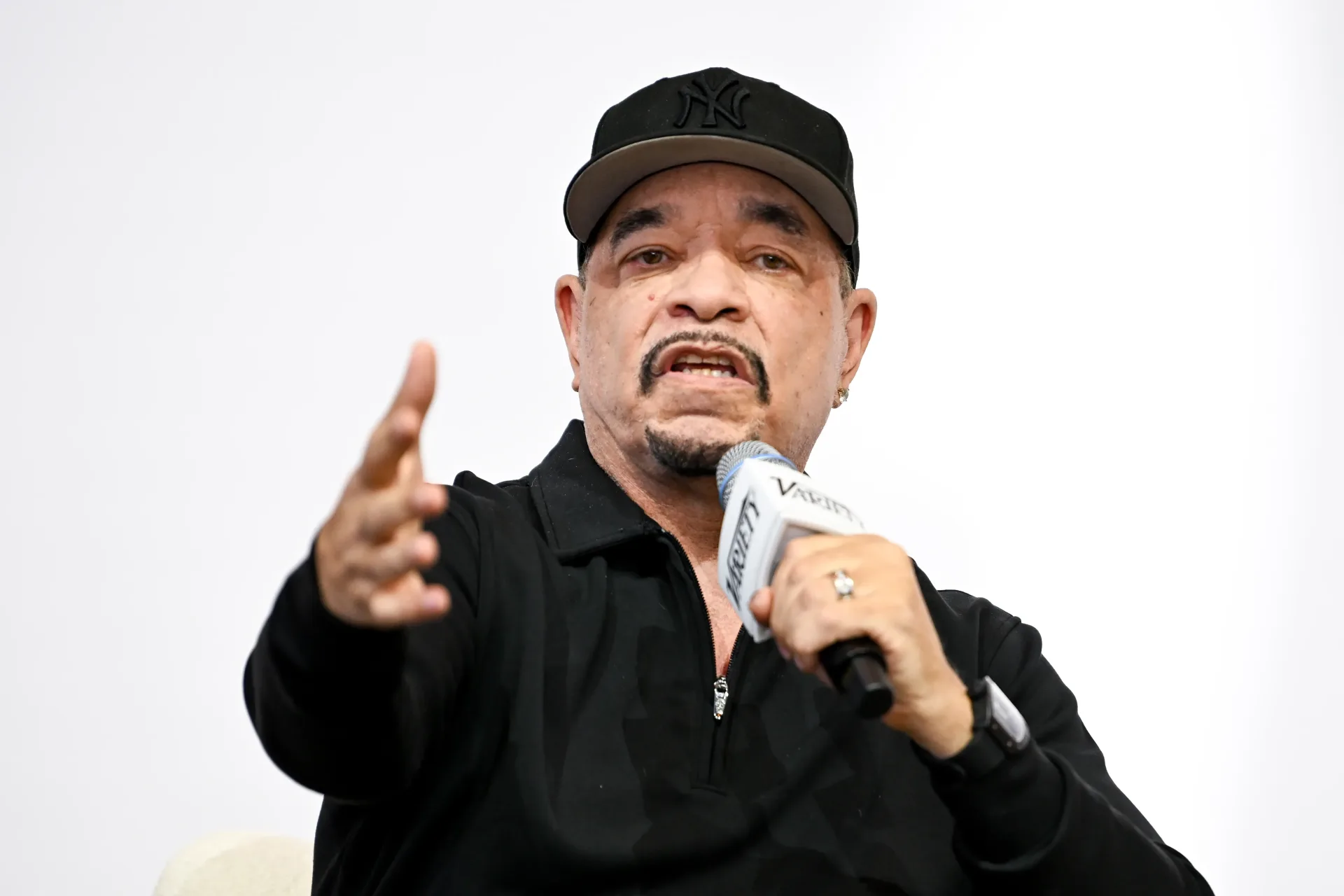
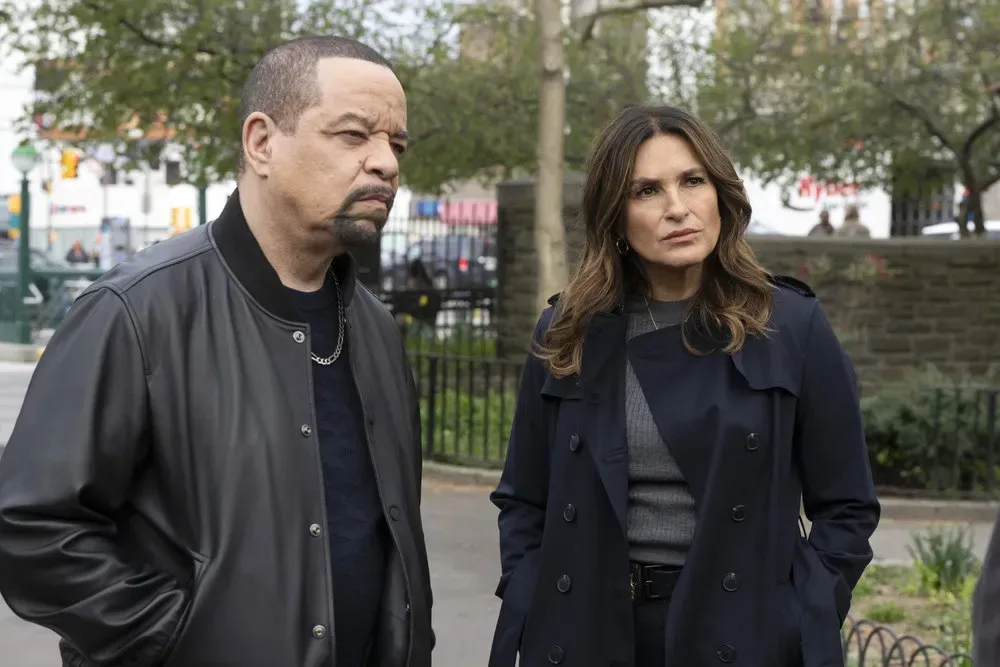
For viewers familiar with the show’s long-running balance of investigation and character drama, the conflict fits a series that has repeatedly looked beyond the mechanics of a case. Ice-T has described the show’s durability as coming from its combination of mystery and personal stakes; that blend remains central to SVU’s identity. In “Volition,” there is no shortage of investigative detail, but the enduring question is what Benson will do when the established rules appear insufficient.
Benson’s response wins the case and creates another problem
After the hung jury, Benson meets Sharpe for drinks and voices one of the episode’s most severe assessments of her work. Police and prosecutors, she says in effect, are left cleaning up after crimes rather than preventing them. She is devastated by the notion that jurors might conclude a woman deserves rape because she drank too much.
Sharpe urges Benson to fight differently. Benson takes that counsel into ethically hazardous territory. With Hawkins’ approval, she has Josh’s mother arrested on allegations including evidence tampering and conspiracy to commit rape, using the pressure of the arrest to make Josh cooperate. The maneuver works: Josh agrees to testify in return for a reduced charge and his mother’s release. But Carisi is furious that Benson made the move without him.
The episode does not disguise the gambit as business as usual. The charges against Josh’s mother are described as trumped up, and Benson’s success comes attached to guilt. That is the point of the final act. “Volition” will not let its lead character have both moral certainty and clean hands merely because the accused men are guilty.
At the retrial, Josh testifies that Emily repeatedly asked for her phone so she could order a ride home, but it had been hidden. He says she was unconscious or drifting in and out of consciousness as he, Scott and Daniel assaulted her. His testimony also exposes the self-serving fantasy at the core of his actions: he had convinced himself Emily would have wanted him if she were awake.
Scott and Daniel are convicted of first-degree rape. On paper, it is a decisive result. Dramatically, however, the premiere ends on Benson and Carisi locking eyes in the courtroom. Benson has achieved the conviction she fought for, but she has also damaged trust with a colleague and crossed a line to get there. The unresolved look matters more than a victorious speech would have.
Why “Volition” lands as an unusually pointed premiere
The Season 28 opener was written and filmed in July, rather than created as an intentional response to a later headline. Its resemblance to the Cornell 7 gang-rape case nevertheless gives the episode additional immediacy. Hargitay has publicly condemned that case and called for justice.
Still, “Volition” functions on its own terms. It is not simply a topical imitation. Its sharper achievement is identifying a legal and cultural contradiction: people may understand that severe intoxication compromises meaningful decision-making, yet institutions can still insist on a restrictive legal threshold before recognizing that reality.
The episode’s final conviction does not resolve that contradiction. It also avoids claiming that individual determination can repair statutory shortcomings. Benson gets an outcome in this case through video, a cooperating witness and a coercive strategy that strains the unit’s internal ethics. The story leaves viewers with a harder proposition: if justice depends on exceptional evidence and compromised tactics, the law may be asking too much of survivors and too little of everyone else.