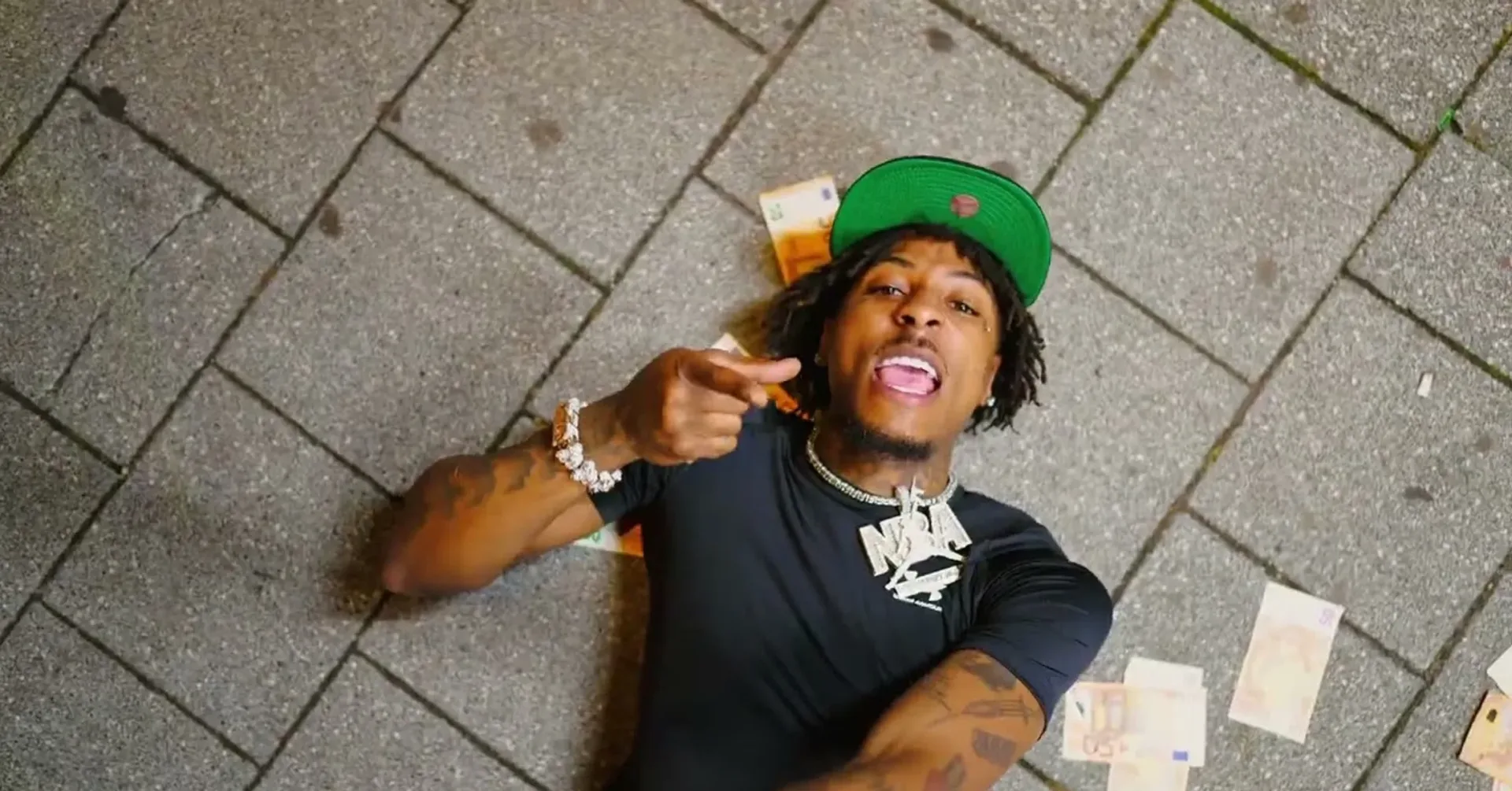
NBA YoungBoy has spoken candidly about wanting to step away from music, placing family, personal purpose and the example he sets for his children above money or career milestones.
In a recent interview, the rapper said,
“I want to quit right now, actually. But all of this… It’s way bigger than me. I just want to make people happy, and if I can’t do that, then I just want to stay out of the way. I feel like my W will be shown through my kids, you know? It’s not about money or any of my own achievements.”
The statement is direct, but it is also more layered than a simple retirement notice. He did not provide a timetable, announce a final release, or lay out a specific next step. What he did make clear is that his definition of success is not currently centered on the usual markers of a recording career: income, public recognition and individual accomplishments.
Instead, he described a wish to make people happy and a desire to see his most meaningful “W” — shorthand for a win — reflected in his children. That places his comments in the space between a public declaration of exhaustion and a broader reassessment of what a life in music is meant to accomplish.
What NBA YoungBoy actually said — and what remains unknown
“I want to quit right now” is an unambiguous expression of how he feels in the moment. Still, it should not be treated as confirmation that he has formally retired from recording, performing, or releasing music. The supplied remarks do not establish whether he means quitting permanently, pausing work, reducing his output, or simply voicing frustration with the pressures around him.
That distinction matters because artists’ public language about stepping back can cover several different realities. A hiatus is a temporary break from releasing or promoting work. Retirement is a decision to stop a career altogether. Neither label was formally used in the remarks available here. The most precise reading is that NBA YoungBoy says he wants to quit now, while also acknowledging that what he is involved in feels larger than himself.
His phrase “it’s way bigger than me” introduces that tension. It suggests he sees responsibilities or consequences extending beyond his personal desire to leave. He did not define exactly what those larger forces are, so it would be wrong to fill in the blanks with claims about contracts, collaborators, fans, business commitments or any other unconfirmed explanation.
What is confirmed is the change in emphasis: his children, not his own achievements, are the priority he chose to discuss.
A recent burst of work sits beside a desire for rest
The comments arrive after NBA YoungBoy spent the earlier part of the year releasing albums, including Slime Cry. That makes the remarks notable not because they settle his future release plans, but because they contrast a period of active output with a stated desire to rest and spend time with family.
Releasing music is only one part of the workload attached to a high-profile career. Even without assuming details about his schedule, the public side of an artist’s life can make every new release part of a continuing cycle of attention, expectations and judgments. NBA YoungBoy’s comments speak less to a specific professional transaction than to the human question underneath it: whether conventional success still feels valuable when measured against parenting and personal wellbeing.
His answer, at least in this interview, is that conventional achievement is not the standard he is using. “It’s not about money or any of my own achievements,” he said. That is not a rejection of the work he has already done; it is a statement about where he wants the deepest impact of his life to be felt.
Family is the measure of impact in these remarks
There is a significant difference between saying children are important and saying they are the proof of one’s victory. NBA YoungBoy chose the latter framing. In doing so, he shifts legacy away from a tally of albums, money or acclaim and toward an intergenerational measure: what his children see, learn and carry forward.
That is a personal philosophy rather than a career update, and it deserves to be read on those terms. It also helps explain why the idea of stepping out of the way appears in the same statement as his wish to make people happy. He presents himself as weighing the value of public work against the value of being present in his family life.
There is no need to force that into a tidy narrative about an artist turning his back on music. The available remarks are more honest and less complete than that. They show someone openly saying that his current priorities may not align with the demands or rewards people typically associate with continued success.
The practical takeaway for listeners
For fans, the immediate temptation may be to interpret the comments as a firm forecast for future releases. The evidence does not support a definite prediction. NBA YoungBoy expressed a desire to quit, but did not announce that a particular album would be his last or state that no more music will arrive.
The responsible takeaway is therefore twofold:
- His remarks signal a real desire for rest and for more time focused on family.
- They do not, on their own, confirm a permanent end to his music career.
That uncertainty is not a weakness in the story; it is part of what he communicated. Public figures are often pushed to present decisive, easily categorized answers. NBA YoungBoy’s words instead describe an unresolved position: he wants to quit, yet feels the situation is bigger than him.
Music news often revolves around releases, reunions and the momentum of what comes next — as seen in a separate report on AZ Chike’s comments about an unrecorded Kendrick Lamar verse. NBA YoungBoy’s comments point in another direction. Rather than adding to speculation over a new collaboration or project, he is talking about the possibility of withdrawing from the cycle altogether.
Why the nuance matters
It is easy for one sentence as stark as “I want to quit right now” to become the entire headline. But the surrounding explanation is the essential part. NBA YoungBoy said he wants to make people happy; if he cannot do that, he would prefer to stay out of the way. He then identified his children as the place where he hopes his ultimate win will be visible.
Those connected ideas make the remarks less about a dramatic career endpoint and more about values. He is questioning whether public achievement is the kind of success he most wants to pursue. He is also stating, plainly, that money and personal accolades are not enough to answer that question for him.
Until NBA YoungBoy offers a clearer update on his plans, the appropriate reading is neither certainty that he is gone nor an assumption that nothing has changed. His words establish that he is contemplating an exit and that family is central to that feeling. Beyond that, the path remains his to define.