AZ Chike has moved to shut down one of the bigger assumptions surrounding No Rest For The Wicked: Kendrick Lamar did not have a verse on the album that was later removed.
Speaking to fans during a concert, Chike directly addressed the idea that Lamar had taken a contribution back. His answer was unambiguous: “He ain’t take a damn thing back,” Chike said. “It was never a verse.”
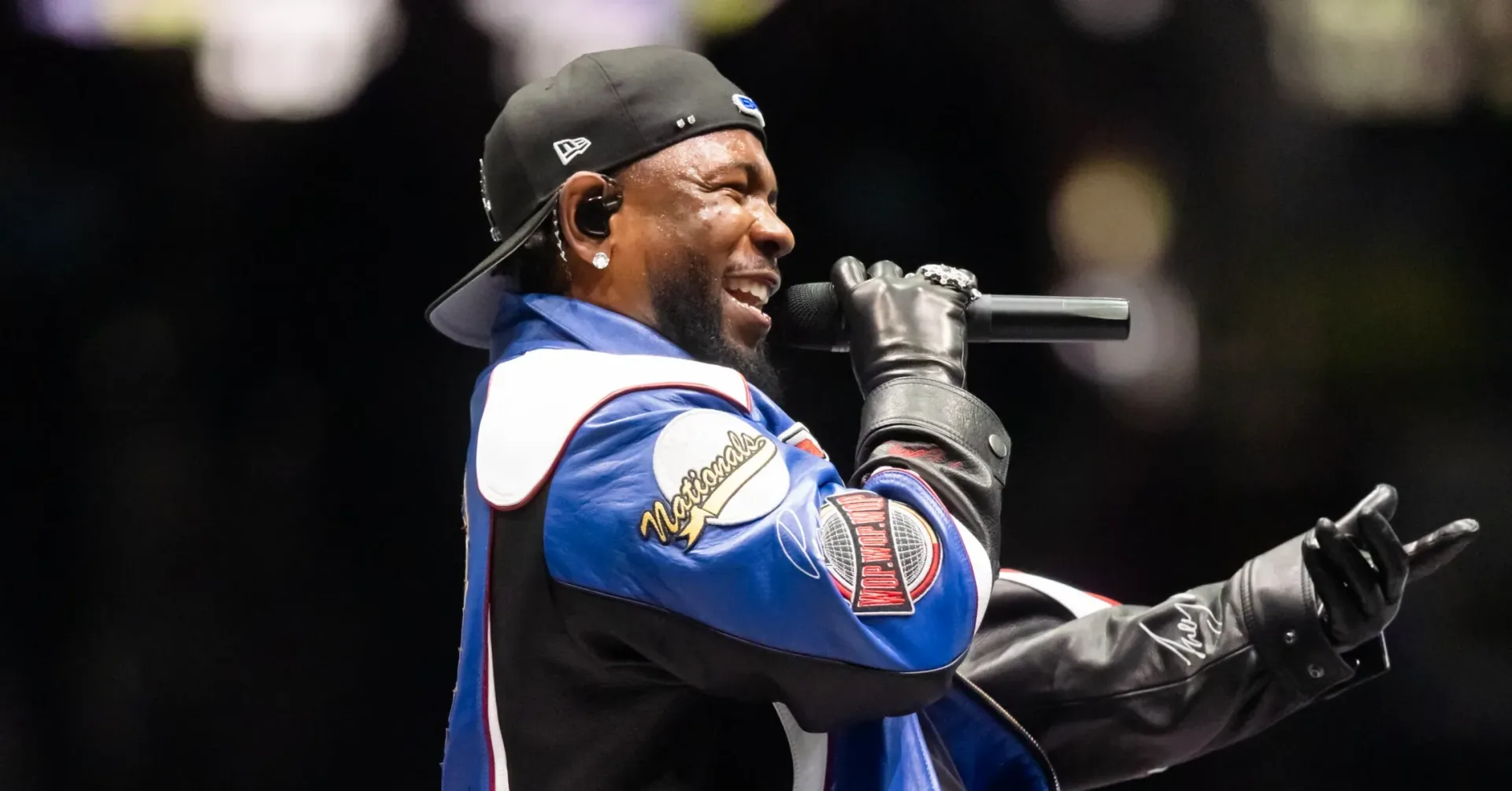
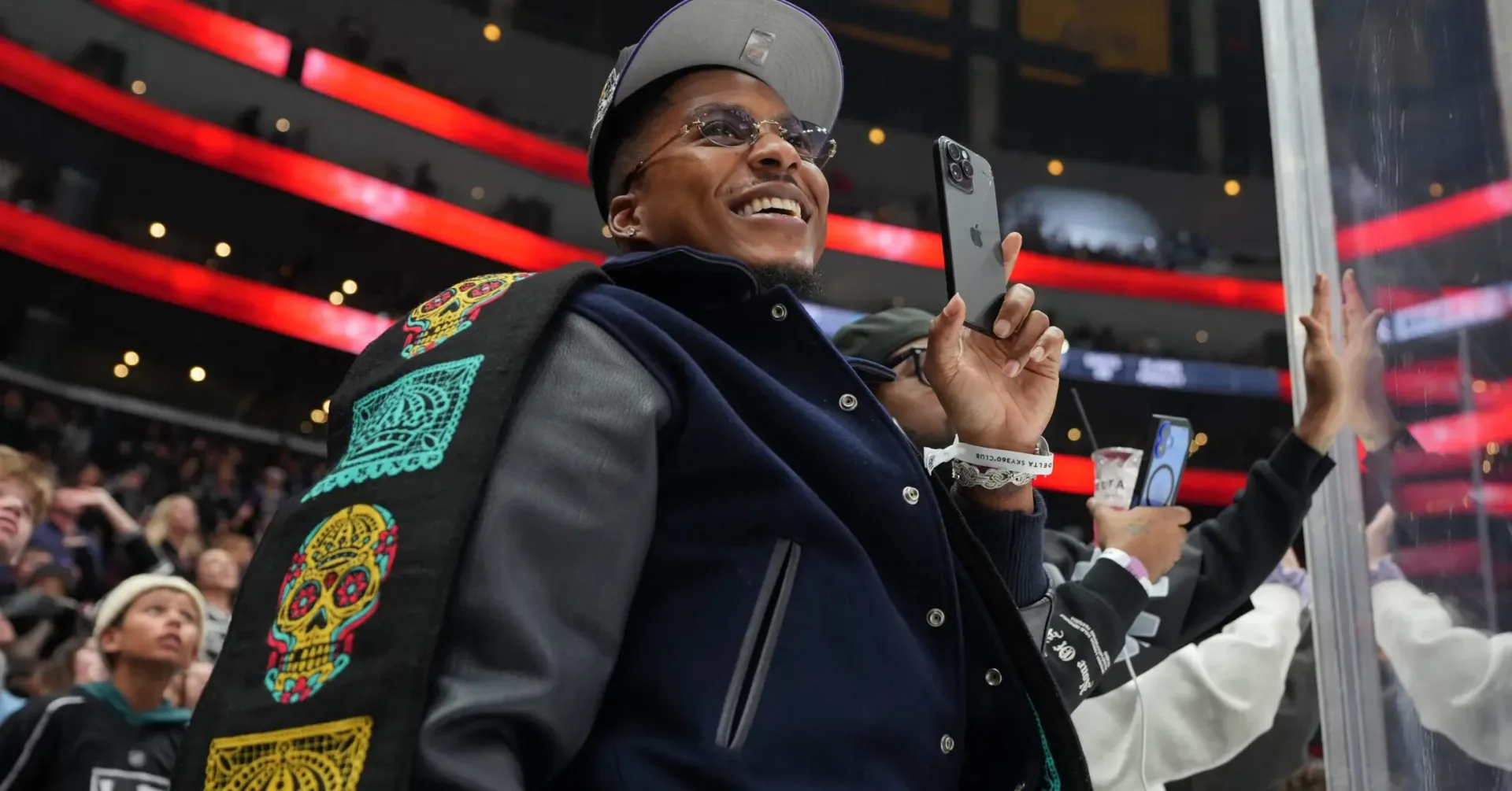
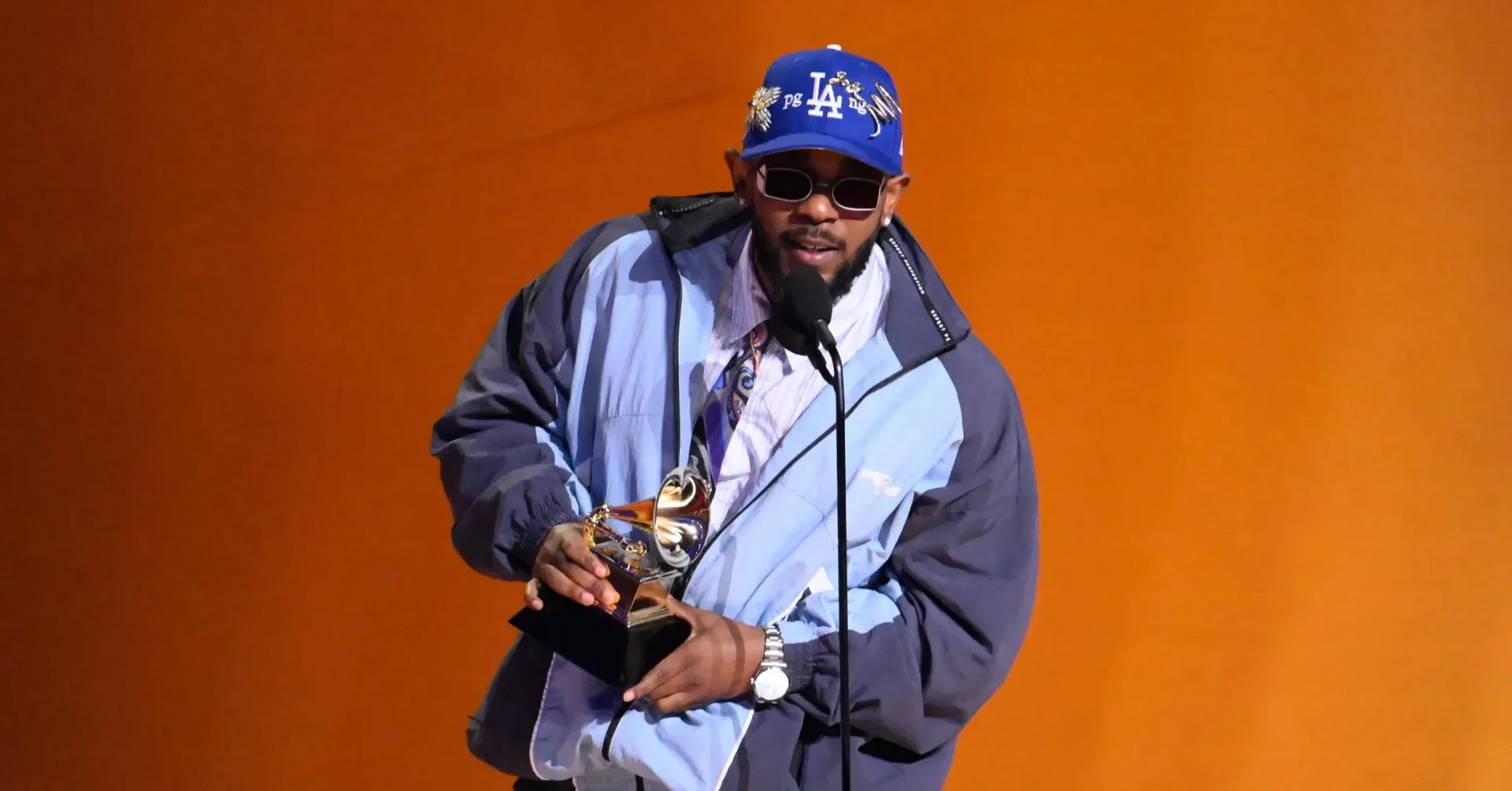
The clarification matters because the rumor had gained momentum around photos Chike shared of himself with Lamar. For fans, the images suggested a potentially natural next chapter after “peekaboo,” and speculation quickly turned a visible creative association into a presumed album feature. Some commentary also framed the imagined verse as something that could stir up further rap-beef discussion. Chike’s comments establish that this was not a case of a finished guest appearance disappearing from the project. There was no Lamar verse there to pull.
What AZ Chike actually clarified
Chike said he had tried not to imply that Lamar was on the record because he understood how easily the photos could be interpreted. That distinction is the center of the story. An artist appearing in a photo, offering encouragement, hearing a project or contributing an opinion does not automatically mean that artist recorded a feature.
In music terms, a feature usually means a credited performance by a guest artist: commonly a verse, vocal hook, ad-libs or another identifiable recorded contribution. Track sequencing, on the other hand, is the decision-making process behind an album’s running order. It is part of how a project is presented, but it is not a performance credit.
Chike’s account places Lamar’s involvement in the latter category. The account also leaves room for a simple reality that can get lost in rapid online speculation: collaborators can advise one another and help shape a project without appearing on its final audio.
Kendrick Lamar’s reported role was advice, not a guest spot
Before the album, Chike shared advice attributed to Lamar: keep building, avoid overthinking, move forward and have fun with it. The message is brief, but it paints Lamar’s role as that of an encouraging peer rather than a surprise name being held for a credits reveal.
“Just keep building the motherf***er. Knock them out, just go. Don’t even overthink it. Just go. Have fun with it.”
That kind of support can be meaningful without producing a marketable “featuring” line. It may help an artist retain momentum or make clearer decisions during an album process that can otherwise be slowed down by revisions and second-guessing. But fans should resist translating motivational advice into proof of a recording session, much less evidence of a track that existed and was subsequently withheld.
The episode is a useful reminder that modern music chatter often runs on fragments. A studio-looking photo, an old connection, a shared social circle or a vague comment can lead audiences to assemble a narrative before the artists involved have said anything definitive. In this instance, the artist at the middle of the discussion has now made the decisive point himself: there was no verse in the first place.
“God’s Favorite” and the difference sequencing can make
Although Lamar did not record a verse for No Rest For The Wicked, Chike has described him as having a hand in the album’s running order. Chike said he sent the project to Lamar and singled out “God’s Favorite” as a song Lamar thought should be moved from later in the album to track three.
Chike recalled Lamar’s view that listeners would want that track from him. Whether or not fans agree with any individual sequencing choice, the underlying logic is easy to understand. Early album slots carry particular weight. The opening stretch is where a project establishes its energy, gives listeners a reason to continue and signals what kind of artist statement is about to unfold.
Sequencing is not just administrative sorting. Placing a track near the front can change how its mood, lyrics and sound are received because it arrives before listeners have formed an overall judgment of the record. A song positioned deep into a tracklist may work as a reset, an escalation or a late reward. At track three, it becomes part of the project’s early promise.
Chike’s description suggests Lamar saw “God’s Favorite” as an early statement rather than a back-half selection. That is a specific form of artistic input, and it is considerably different from the rumor that started circulating. One is an opinion about how an existing song should function within an album; the other would be a new Lamar performance that listeners could hear.
Why the rumor was easy to believe
The speculation did not emerge from nowhere. Chike had posted pictures with Lamar, and fans connected those images with the possibility of a follow-up to “peekaboo.” In popular music, visual proximity often gets treated as a teaser. Sometimes that instinct proves right. Sometimes an artist is indeed previewing a feature or a future collaboration. But it is still an inference, not confirmation.
That gap between inference and confirmation is especially important when a potential feature involves an artist as closely watched as Lamar. A credited appearance from him can become the dominant conversation around another artist’s album, even before anyone knows whether such a song exists. It can also invite unrelated expectations, including theories about conflict and response records. Chike’s clarification removes the foundation for those expectations here.
It also means the absence of Lamar’s voice should not be read as evidence of a creative falling-out, a last-minute removal or a rejected release plan. Chike explicitly rejected the “taken back” framing. The most supportable reading is narrower: there was no guest verse to release on this album.
What remains possible—and what has not been established
Chike had previously indicated that a Lamar appearance was possible. Possibility, however, is not the same as a completed collaboration. Artists can discuss ideas, exchange music or consider creative directions that never become a recording. The information available here does not establish why a feature did not happen, whether one was ever actively developed, or whether the pair will work together again.
That last question remains open. Chike’s remarks make clear that he values Lamar’s contributions to the project, including the advice and sequencing recommendation he described. Appreciation and creative contact may keep the door open, but neither artist has confirmed another collaboration.
For listeners approaching No Rest For The Wicked, the practical takeaway is straightforward: evaluate the record on the music Chike chose to release, rather than on a presumed Kendrick Lamar moment that Chike says never existed. “God’s Favorite” may carry extra interest because of the sequencing story, but it should not be mistaken for a Lamar collaboration.
The broader lesson is equally uncomplicated. Photos can inspire theories; supportive private feedback can be real; and tracklist guidance can shape an album’s experience. None of those things, by themselves, amount to a guest verse. For more music-business context on how artists and companies organize new recording ventures, see this report on Thomas Rhett and Hybe Americas’ Blue Highway venture.
Chike has now drawn the line clearly: Kendrick Lamar’s contribution to the conversation around No Rest For The Wicked was advisory, not vocal.