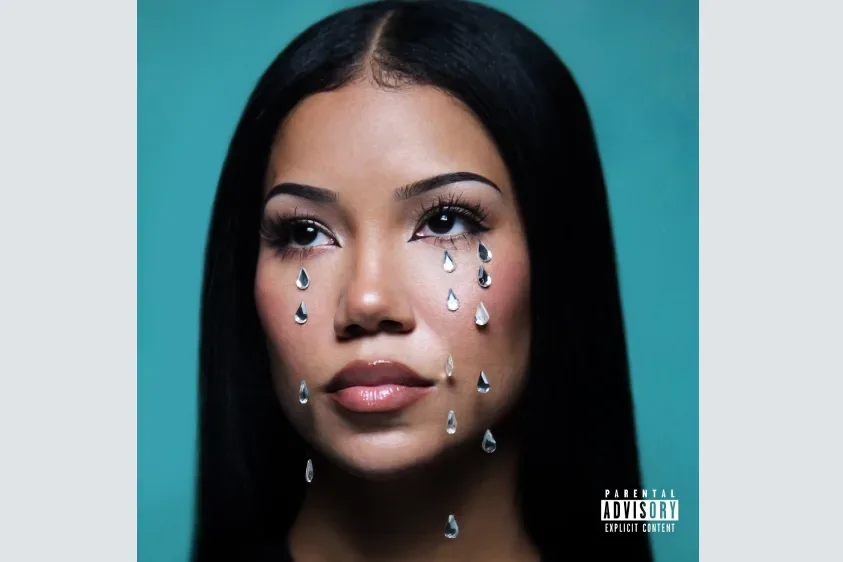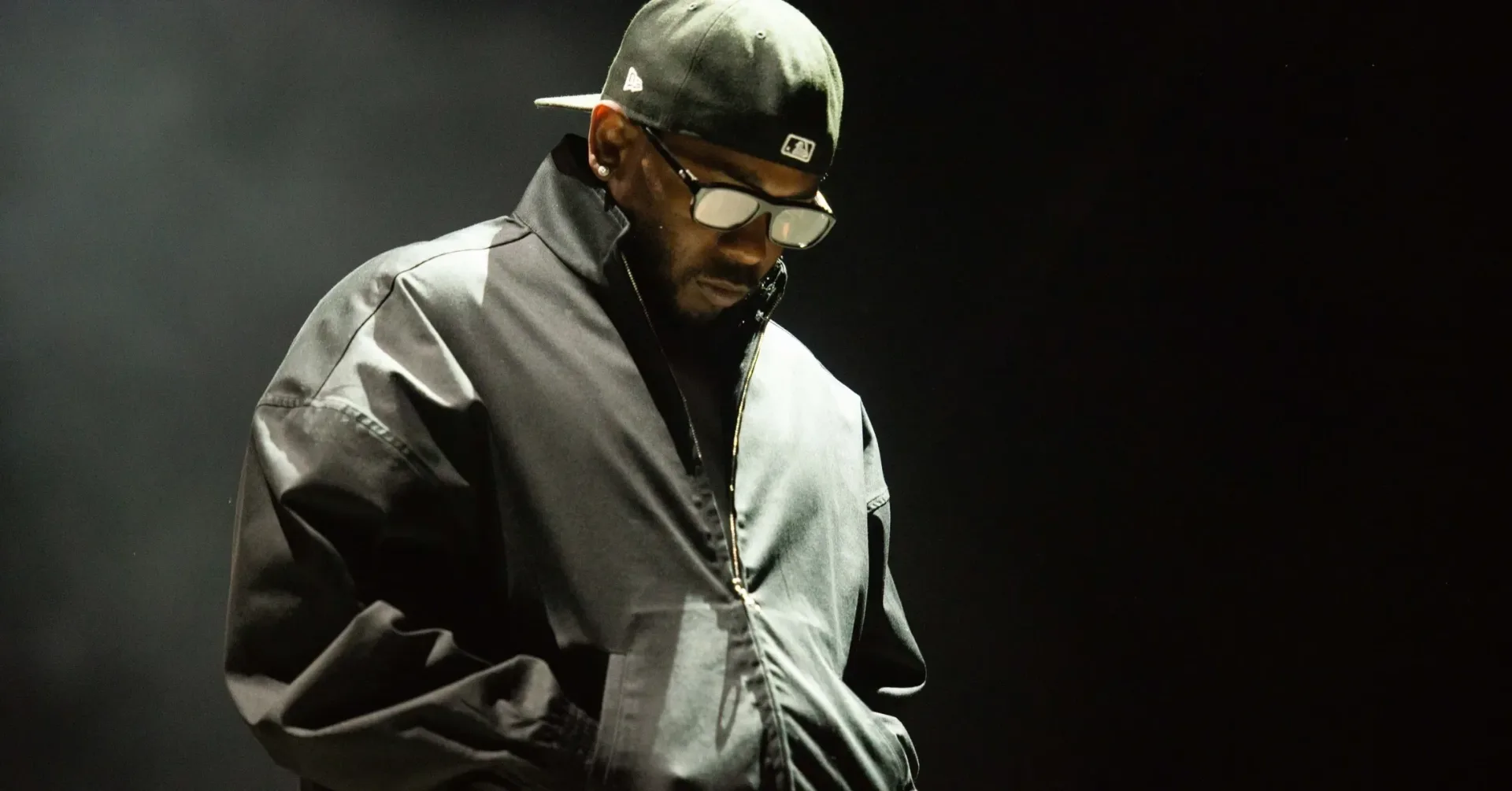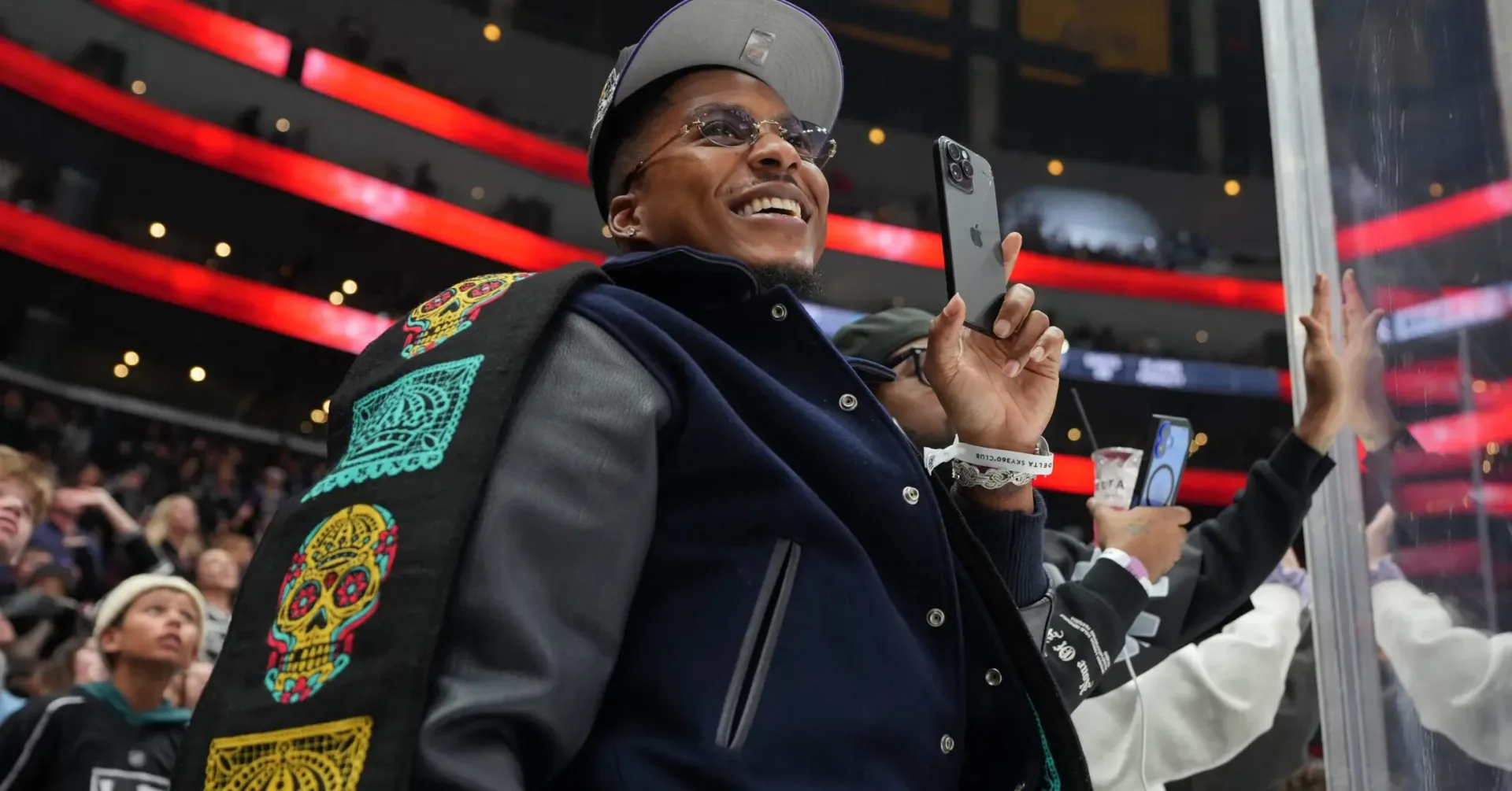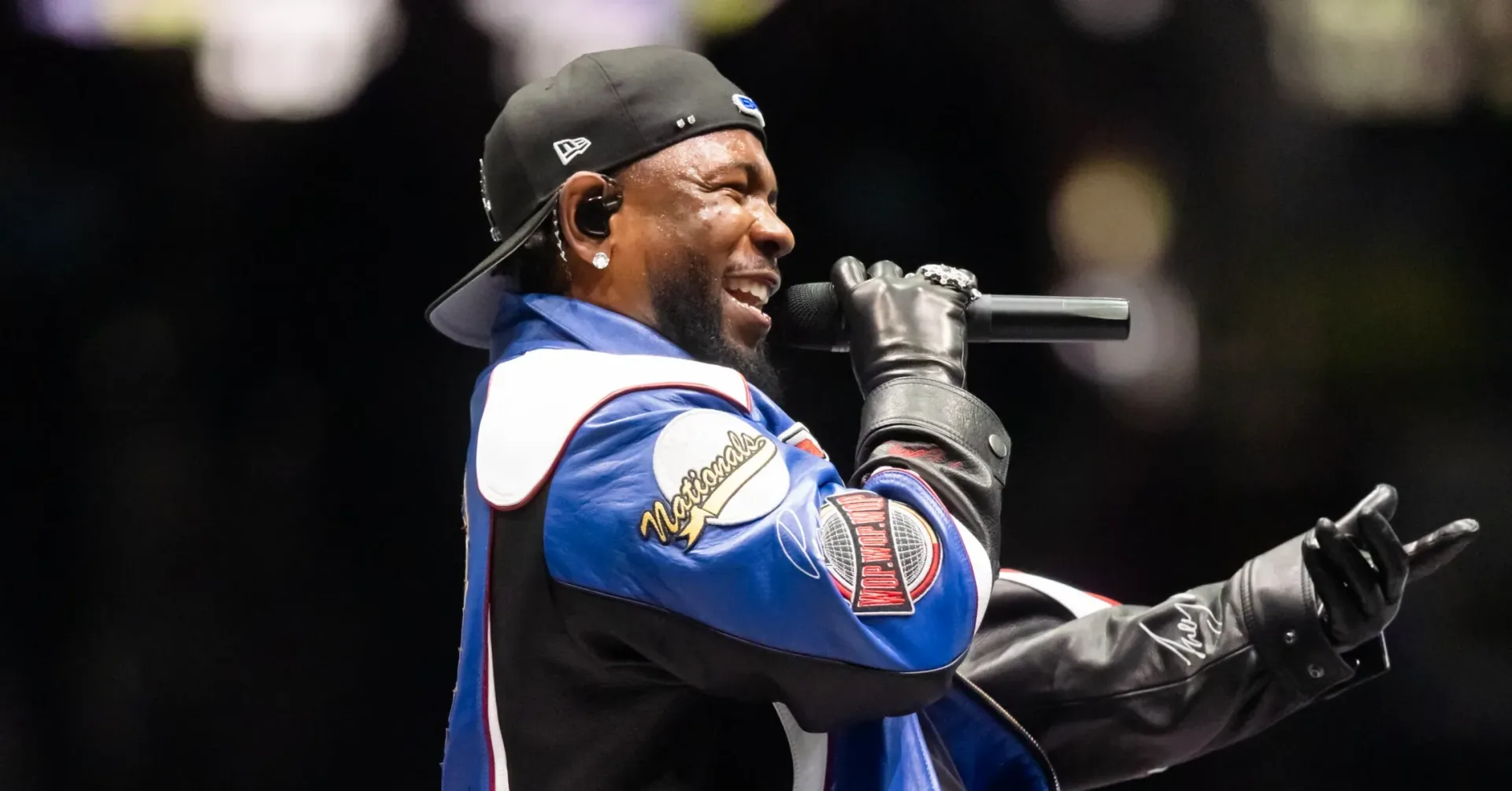
AZ Chike’s No Rest For The Wicked arrived with an unexpected second narrative attached: not simply what is on the album, but what some listeners believed might have been on it. Fans had anticipated a Kendrick Lamar feature. When no such collaboration appeared, online discussion quickly shifted toward the unverified idea that a planned verse had been removed.
There is no confirmation that Kendrick Lamar was ever scheduled to appear on the project, or that any contribution was pulled. That distinction matters. Still, the rumor has become a larger talking point around the rollout, prompting commentary from Adam22 and DJ Akademiks about whether the expectation of a marquee guest took attention away from AZ Chike and his album.
The situation is a useful reminder of how a modern release can be judged against a version that exists only in audience expectation. A high-profile feature can be a major discovery tool, but speculation about one can also change the terms on which a project is received. Instead of beginning with the music, fans may begin by looking for an absence.
The missing-feature conversation
Adam22 reacted to a reported first-week projection of 9,000 album-equivalent units for No Rest For The Wicked with an exaggerated joke that blamed Kendrick Lamar for damaging the rollout. The post was framed around the notion that fan anticipation for Kendrick had set up an awkward outcome once the album arrived without him.
Album-equivalent units are a measurement that combines traditional album sales with other forms of consumption into one chart-oriented total. The reported 9,000 figure was described as a projection, not a final result. It should not be treated as a confirmed final sales total, nor does it establish why listeners did or did not engage with the album.
That caveat is especially important because rollout performance is shaped by more than one social-media theory. The available information does not demonstrate that a Kendrick Lamar rumor caused any particular commercial outcome. It only shows that prominent commentators believe the discussion may have distracted from AZ Chike’s own campaign.
DJ Akademiks took a different but similarly speculative angle during livestream remarks circulated online. He suggested that Kendrick’s pgLang camp had pulled a verse, while also expressing approval of the supposed decision as a display of competitive control over the West Coast. Neither the alleged verse nor its removal has been verified.
“Just keep building the motherf***er. Knock them out, just go. Don’t even overthink it. Just go. Have fun with it...” — Kendrick Lamar in a clip shared by AZ Chike
The material that is publicly described here supports a more modest connection between the artists: Kendrick offered AZ Chike encouragement during the album-making process. That is meaningful creative support, but it is not evidence of a planned feature. Advice in a shared clip and a completed guest verse are fundamentally different things.
Why feature expectations can reshape a release
A guest appearance from a major artist is more than a name in track credits. It can influence pre-release conversation, social posts, fan searches and the first questions listeners ask after pressing play. In this case, the expectation itself appears to have become the event. The absence of a confirmed appearance encouraged people to debate a potential behind-the-scenes story instead of discussing the record on its own terms.
That dynamic can be difficult for the lead artist. A feature rumor may initially broaden attention, yet it can turn into a deficit narrative if the rumored guest is not on the finished release. The album is then discussed as though it failed to deliver a promise, even where no public promise was made.
There is another complication: rumors create false certainty easily. A listener may see a clipped reaction, a reposted claim or a fan theory and assume a collaboration was officially announced. But the facts presently available do not establish that Kendrick recorded a verse for No Rest For The Wicked, that pgLang made a decision about one, or that any planned collaboration was withdrawn. Those claims remain allegations and commentary.
For readers trying to separate the record from the noise, the clearest approach is simple:
- Recognize that Kendrick Lamar does not appear as a confirmed feature on the album described here.
- Do not treat an anticipated collaboration as proof that one was completed or canceled.
- Read first-week projections as estimates rather than final commercial results.
- Distinguish Kendrick’s documented encouragement to AZ Chike from claims about an unreleased verse.
DJ Akademiks’ stance is not just criticism
Akademiks’ comments are notable because they do not read as straightforward condemnation. He characterized the alleged move as cold and powerful, presenting it as an example of Kendrick protecting his standing and the West Coast’s hierarchy. At the same time, he argued that Kendrick did not provide public promotional support for AZ Chike’s album beyond a video that could be posted socially.
That framing is inherently interpretive. It places an unconfirmed creative decision inside a broader story about status, gatekeeping and regional influence. The available details do not show that Kendrick intended to withhold support or diminish AZ Chike. They show a public clip of encouragement and a separate set of commentators attempting to explain an album cycle through a rumored feature.
It is also worth noting that the debate has moved beyond the two artists. The story now includes fan expectations, livestream clips and personalities responding to reported sales projections. Each additional layer can make the original uncertainty harder to see. What begins as “Was Kendrick on the album?” can rapidly become “Why did Kendrick damage the album?” even though the premise has not been established.
The most grounded read of the situation
The grounded account is narrower than the viral one. AZ Chike released No Rest For The Wicked. Some Kendrick Lamar fans expected a feature that was not present. Online rumors then suggested a verse may have been removed, but that suggestion remains unconfirmed. Adam22 and DJ Akademiks each argued, in their own ways, that the surrounding speculation hurt or complicated the rollout.
That does not answer the central rumor, and it should not be presented as an answer. It does explain why the discussion has persisted: Kendrick’s name carries enough weight that even an unverified possibility of his involvement can dominate conversation around another artist’s release.
For AZ Chike, the practical implication is that the album faces a noisy opening in which attention is split between its actual contents and a hypothetical alternate tracklist. The positive counterpoint is that listeners are engaging with the project itself, with fan response described as favorable. Whether that conversation stays focused on the music will depend less on theories about a missing verse and more on how the songs continue to connect.
Kendrick’s involvement, as documented by AZ Chike’s shared clip, can be understood as creative encouragement: keep working, avoid overthinking, and enjoy the process. Everything beyond that — an intended feature, a removed verse, a deliberate refusal to promote the album — remains unproven. In a rollout shaped by speculation, that is the line worth keeping clear.
For more music coverage, see Jhené Aiko’s ‘Westside Whimsy’ debut at No. 1 on the Billboard 200.