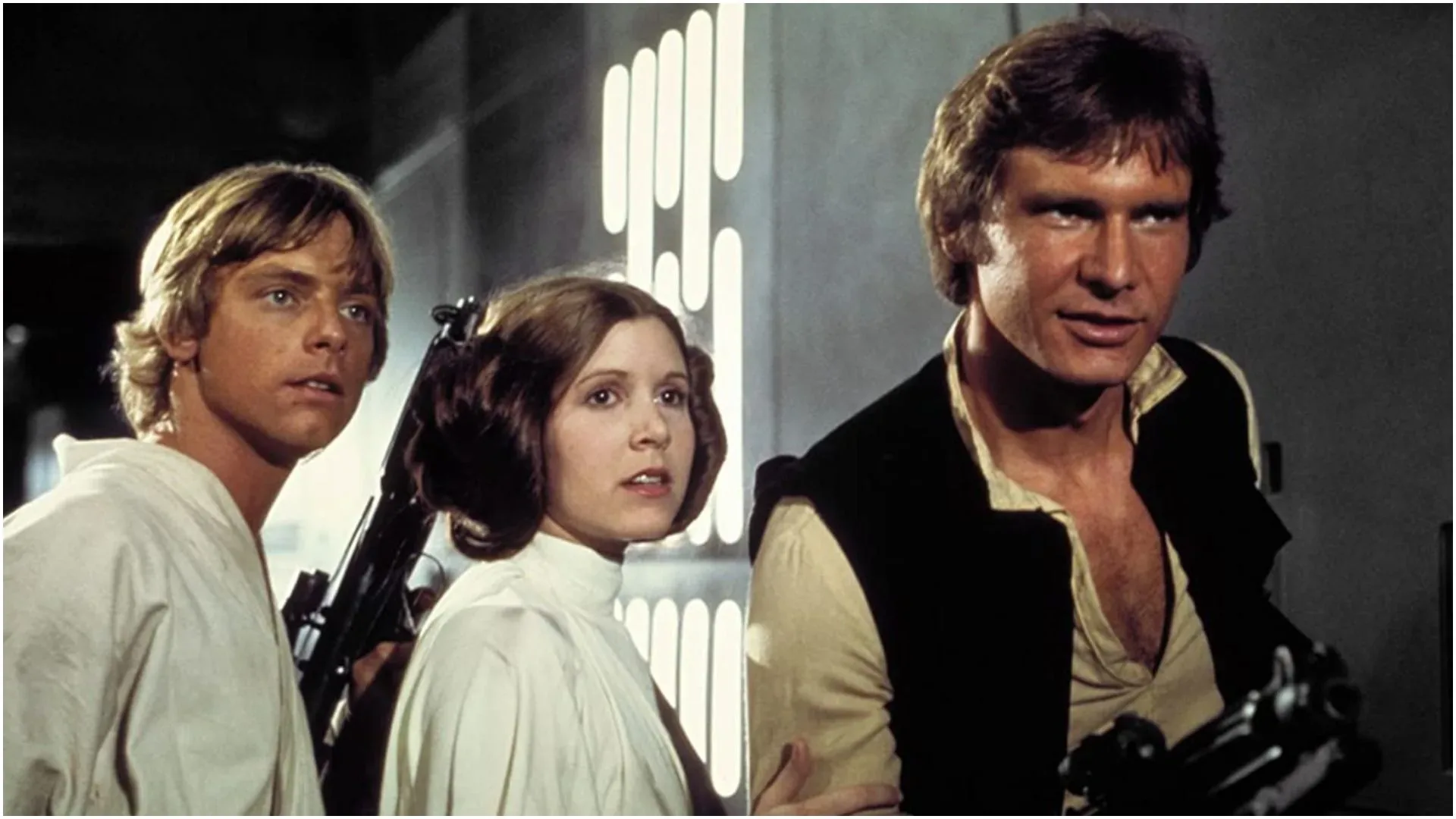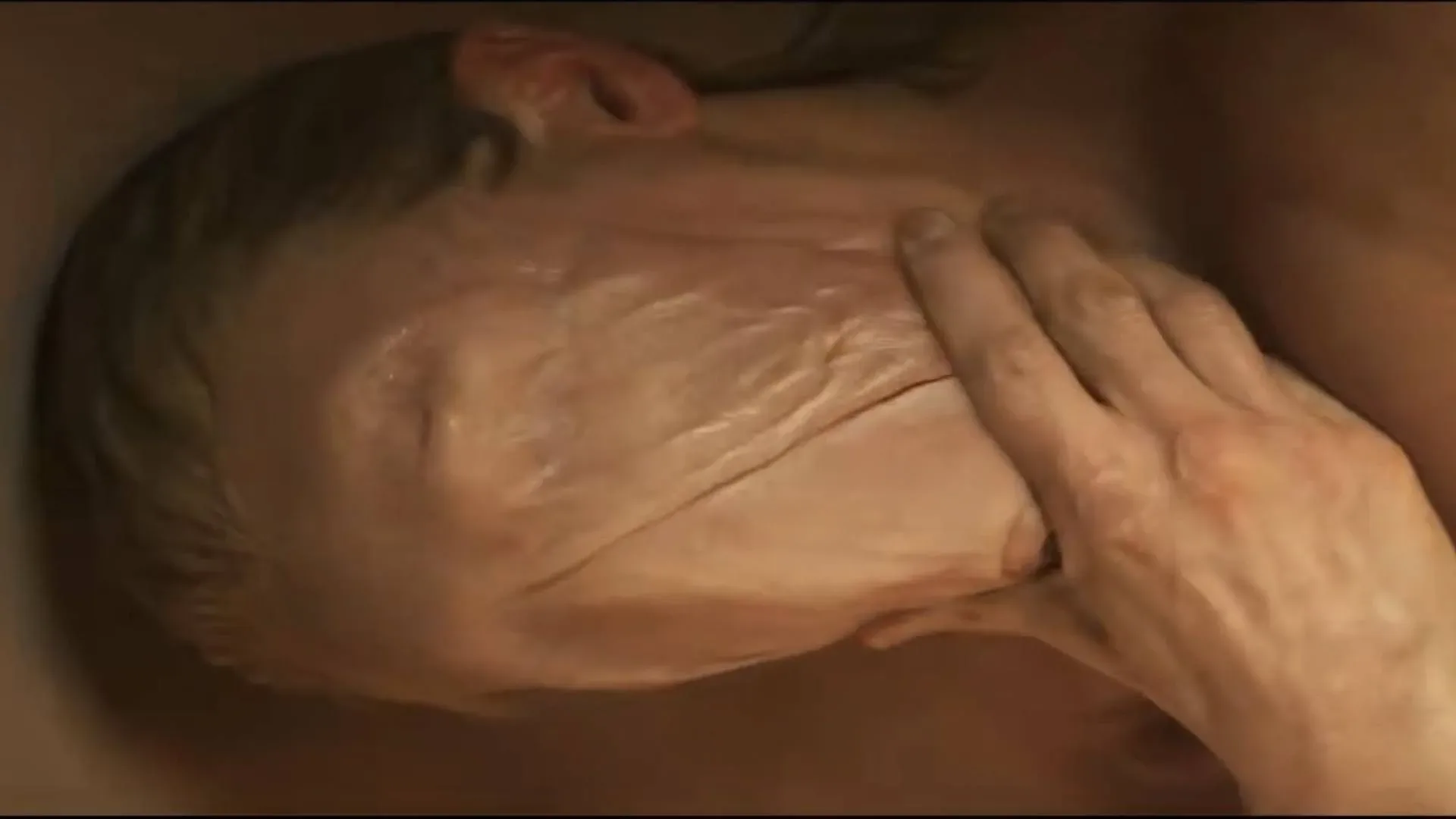
A collection of digitized discs tied to the closed Berkeley studio of effects artist Phil Tippett has surfaced online, offering a substantial new window into practical-effects work from Star Wars, RoboCop, Jurassic Park, Hellboy, Starship Troopers and other projects connected to his career.
The material reportedly came from a large CD binder purchased during the liquidation following Tippett’s studio closure. The buyer, who has not been identified, says they recognized that at least some of the contents were not readily available online and might not be preserved elsewhere in similarly high-resolution form. They then digitized the binder’s contents and made available what they describe as 90 key, non-duplicated disc images.
For fans of film craft, it is an unusually tangible reminder that screen history is not preserved solely in finished movies, glossy art books or sanctioned museum displays. It can also live on aging recordable discs, folders marked for internal use, reference photographs, model documentation and computer files that were never meant to become public-facing artifacts.
What the recovered material appears to include
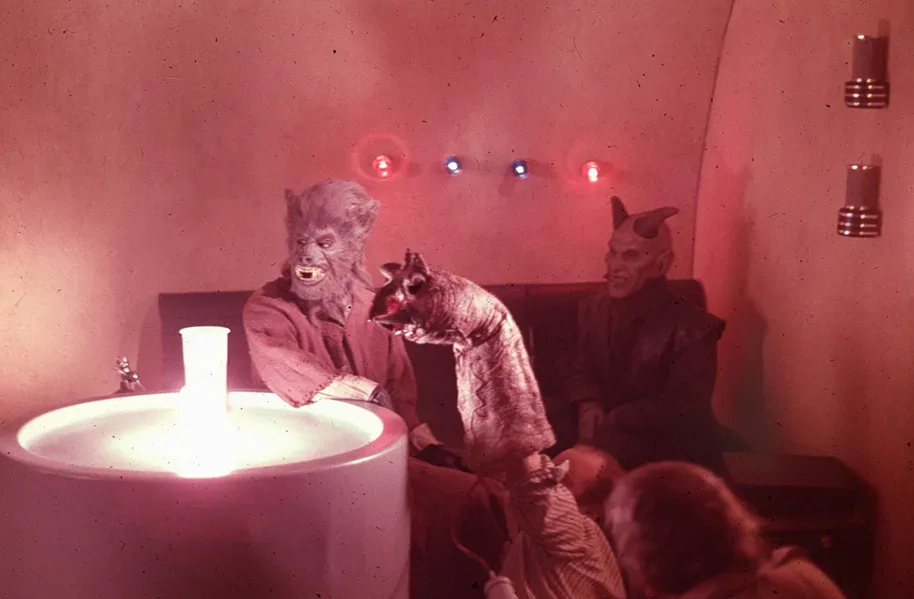
The collection is said to contain hundreds of high-resolution images and videos spanning a wide range of Tippett-associated productions. Among the most notable material are new behind-the-scenes looks at the Mos Eisley cantina in Star Wars: A New Hope, along with stills of miniature, stop-motion and puppet creatures.
Specific Star Wars subjects reportedly include the hologram chess pieces and the eyeball creature seen in the Death Star trash compactor sequence. These are the kinds of elements viewers may register for only seconds in the finished film, but which demanded physical fabrication, lighting, photography and animation work before they ever reached the screen.
The archive extends far beyond that galaxy. Other cited material includes documentation of ED-209’s construction for RoboCop, texture work connected to Abe Sapien from Hellboy, wireframe files from Jurassic Park, and photographs from Ray Harryhausen’s 90th birthday. That breadth is important: it frames the discs not as a single-franchise curiosity, but as a cross-section of an effects practice that moved between physical creatures, models, reference imagery and digital production assets.
It is also worth separating what is known from what remains unclear. The upload is described as containing disc images from Tippett’s archives, but the available details do not establish the original purpose, date or complete contents of every disc. Likewise, the presence of material related to a film does not by itself reveal whether an item represents an early design, a production reference, a final approved asset or an internal experiment. Those distinctions matter to researchers and collectors trying to understand how an image fits into a project’s production history.
Why ISO files matter here
The uploaded materials are described as .ISO image files. An ISO is a digital copy of an optical disc’s file system. Rather than simply extracting selected photographs or videos, a disc image can preserve the organization and contents of the original CD in a form that can be mounted or opened with compatible software.
Related coverage includes Phil Tippett Archive Discs Surface Online With Rare Star Wars Material.
That is a meaningful preservation choice. File names, folders and the relationships between assets can supply context that disappears when a batch of images is reposted individually. A disc image may also retain files that initially seem mundane but can be useful later: alternate versions, documentation, software-readable assets or accompanying notes.
Preservation does not automatically make every file easy to inspect. Older production materials may depend on outdated applications or use formats that need specialist knowledge to interpret. A wireframe, for example, is a structural 3D model view made of lines and points rather than a finished, textured render. Its immediate visual appeal may be limited, but it can show the underlying geometry and workflow behind a computer-generated creature or object.
For readers handling old optical media of their own, this story is a useful illustration of why preserving an entire disc image can be preferable to copying only the files that seem exciting at first glance. The technical routes used to move digital data between devices may evolve, but preserving original file structures can keep options open for future access and study.
A bittersweet survival story for physical-effects history
The discovery arrives after a difficult chapter for Tippett’s studio. The Berkeley operation closed after a Chapter 11 bankruptcy, leading to the liquidation of a substantial body of Hollywood history. Tippett and his team had worked across major productions including Jurassic Park, RoboCop and The Matrix, while his name is especially associated with the stop-motion creature work that helped give Star Wars its distinctive otherworldly life.
That background makes the binder more than a neat garage-sale discovery. Film effects are often treated as disposable infrastructure: crucial during production, then boxed away, reformatted, sold, discarded or separated from the people who understood their context. Practical effects are particularly vulnerable because their history includes not just final props and puppets, but molds, test photographs, armatures, animation charts, reference binders and production media.
The discs sit at the boundary between physical and digital preservation. They are physical objects, but their value lies partly in information that cannot be appreciated without migration to contemporary storage and software. A CD-R can be misplaced or degrade; a digital file can be copied widely, but it can also lose provenance, labels and its relationship to the original medium. Keeping both the physical object and an accurately documented digital representation is often the stronger archival outcome.
There is no indication here that the online collection is a formal studio archive or an official release. That distinction should not be blurred. The public availability of material does not settle questions of copyright, ownership or the rights connected to a particular film asset. It does, however, show how quickly historically interesting work can emerge from an ordinary-looking storage format once someone recognizes its significance.
From creature work to archival evidence
Tippett’s work is closely tied to techniques that required filmmakers to make the impossible physically present. Stop motion creates movement by photographing an object frame by frame while making small adjustments between exposures. In creature work, the result can make an articulated miniature feel alive, provided the animation, lighting, camera work and compositing all support the illusion.
That process leaves behind a particularly rich paper and image trail. A finished scene is one endpoint. Behind it can be model photographs, surface tests, scale references, animation poses and footage documenting how a creature was built or operated. The reported images of puppets and stop-motion figures therefore have value beyond novelty. They can reveal the material decisions behind a screen image: shape, texture, construction and the practical compromises involved in making a design work for the camera.
The material connected to digital work is equally revealing in a different way. Jurassic Park is represented here by wireframe files, which point toward the model-building side of visual effects rather than the final polished imagery audiences remember. Put alongside photographs of creature construction and texture development, the archive’s range reflects an era in which practical and computer-driven approaches overlapped rather than functioning as simple opposites.
That context complicates the familiar claim that modern filmmaking has simply abandoned practical effects. The reported archive itself includes evidence of both tactile fabrication and computer-based production. What makes the collection compelling is the chance to see pieces of that workflow rather than only the seamless result on screen.
What collectors and researchers can take from the find
For movie-memorabilia collectors, the story is a caution against judging archival material by packaging alone. A binder of unmarked or lightly labeled discs may look unremarkable next to a screen-used prop, yet it can contain a unique production record. Its historical importance depends on content, provenance and documentation, not on whether it was designed to be displayed.
For researchers, the strongest next step is careful description rather than instant mythology. Identifying filenames, media type, project associations and visible dates can help establish an item’s place in a production timeline. Retaining the original disc images, rather than only circulating standout screenshots, preserves a better chance that later viewers can verify those connections.
And for fans, the appeal is more direct. The material offers fresh chances to study familiar creatures, sets and effects processes from works that have been examined for decades. The cantina, ED-209, Abe Sapien and dinosaur-era digital assets are not merely reminders of famous films; they are records of people making decisions with tools, models, textures and storage media that were never intended to become a public exhibit.
Tippett has indicated that he is not ready to retire, despite the studio’s closure and the long journey behind his passion project Mad God. The newly surfaced discs cannot erase the loss of a working studio, but they underscore why the physical and digital remnants of effects work deserve attention before they become inaccessible. Sometimes a piece of film history survives not in a vault, but in a CD binder that someone had the sense to save.