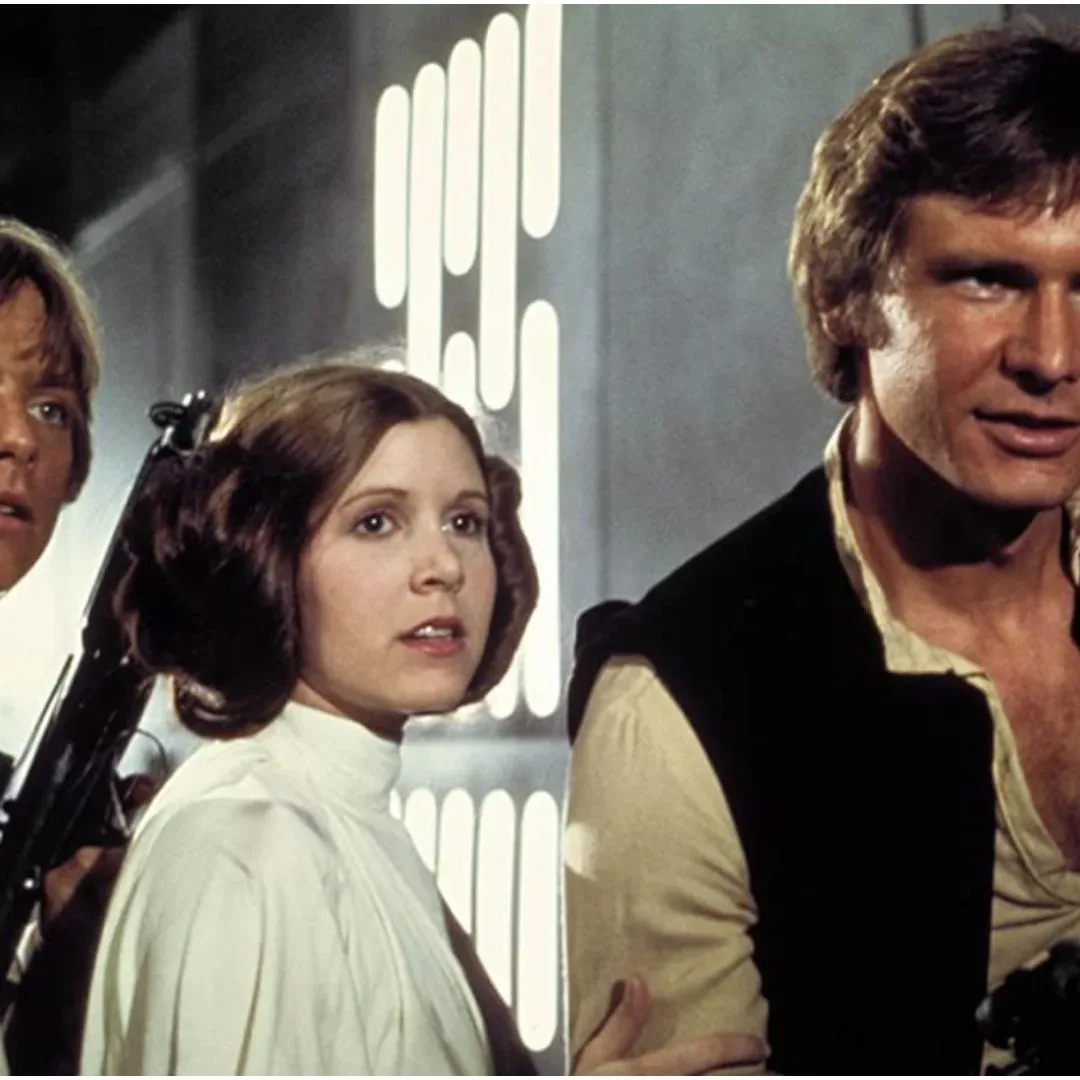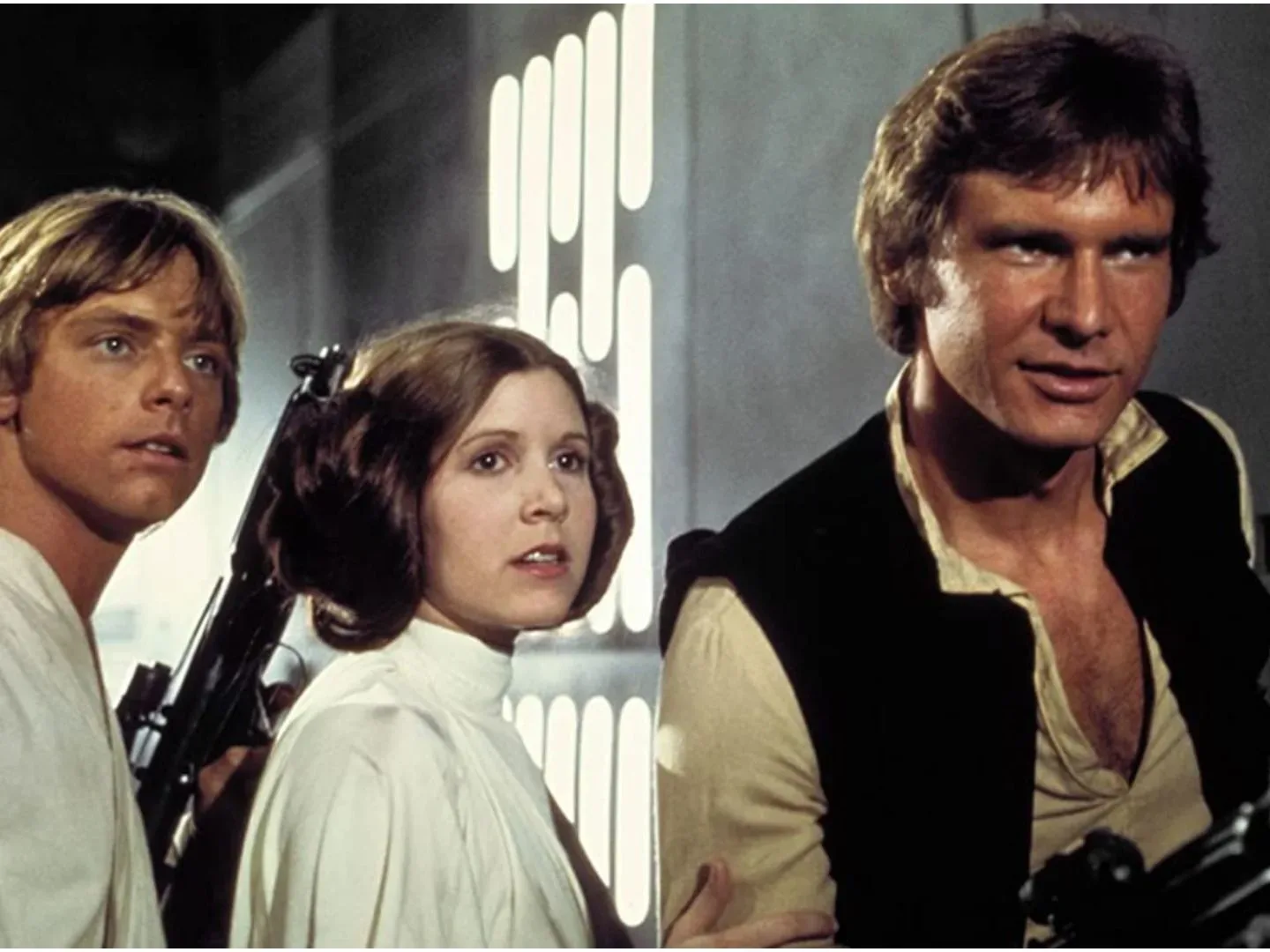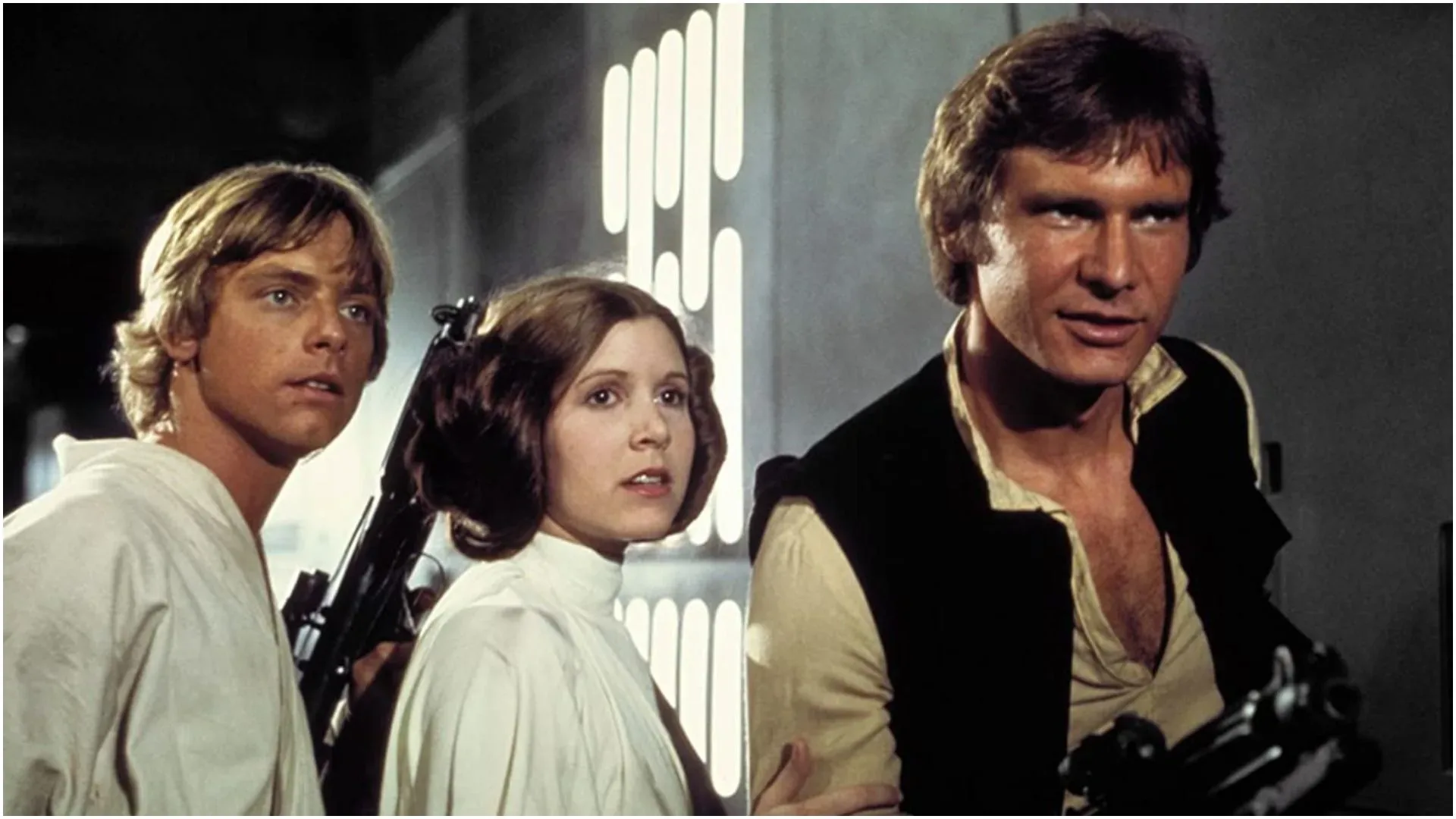
George Lucas has described the decision to step away from filmmaking as a major personal fork in the road: he says he still had “three more Star Wars” films to make when he chose retirement and committed his attention to the Lucas Museum of Narrative Art.
The museum has now opened in California, bringing together a broad collection that includes Star Wars memorabilia. For a creator whose best-known work became a permanent fixture of blockbuster cinema and pop culture, the shift from making new films to establishing a museum is more than a career footnote. It is a decision about where finite time, resources, and creative energy are best spent.
“When I did this, I decided to retire from making movies, which was a big deal because I had three more Star Wars to make,” Lucas said. “But, I realized that I was running out of time, and I did want to make this museum.”
A sequel trilogy that never became the Disney sequel trilogy
Lucas sold Lucasfilm to Disney in 2012. The sequel trilogy that reached theaters afterward took a different route from the continuation Lucas had envisioned. Disney’s three films were The Force Awakens in 2015, The Last Jedi in 2017, and The Rise of Skywalker in 2019.
Lucas’s own plans reportedly would have centered on Darth Maul as the head of a crime syndicate. That detail matters because it clarifies what he means by having three more films left to make: not merely a vague desire to revisit the galaxy, but a distinct possible trilogy with its own premise and antagonist.
It also underlines a useful distinction for fans discussing the franchise’s history. Lucas having ideas for further films does not mean those films entered production, nor does it make them an alternate released sequel trilogy. They remained plans that were not pursued after the sale. The Disney-era trilogy is the set of films that was made, while Lucas’s Maul-focused concept is part of the franchise’s extensive unrealized creative history.
Why the museum was worth the trade-off
Lucas framed his retirement in practical, rather than purely nostalgic, terms. At 82, he said, “there is a limit.” His comments suggest that the museum was not a side project he could simply fit around another demanding film slate. It was an undertaking important enough to take priority.
The Lucas Museum of Narrative Art gives that priority a public-facing form. Its collection includes Star Wars material, but the museum’s significance is broader than a single franchise display. The stated focus on narrative art places visual storytelling itself at the center: the images, objects, craft, and technologies used to carry stories from an artist or filmmaker to an audience.
That emphasis fits Lucas’s own description of his career. He noted that he had spent substantial time developing digital technology for moviemaking and offered a compact explanation of why that work matters: “all art depends on technology.”
What “digital technology” means in this context
In film, digital technology is not just a screen used to watch a movie. It can refer to the tools and processes that make images, sound, editing, effects, and presentation possible. Lucas’s point is broader still: creative work relies on the available means of making and sharing it. A story may begin with an idea, but it reaches an audience through materials, tools, and technical systems.
That is a particularly fitting perspective for a museum devoted to narrative art. A museum can preserve finished works and memorabilia, but it can also encourage visitors to think about process: how an image is designed, reproduced, adapted, and turned into a story people can experience. In that sense, the museum is not simply a place to look backward at famous artifacts. It is an institution built around the relationship between art and the technology that helps it exist.
What the opening means for Star Wars memorabilia
For collectors and fans, the presence of Star Wars memorabilia makes the museum’s opening notable even without a detailed inventory of particular pieces. Museum presentation changes the context of an object. A prop, costume, artwork, or other franchise artifact can be appreciated as a familiar fan item, but it can also be considered as part of visual storytelling and film production.
That distinction is worth keeping clear. A museum collection is not the same thing as the commercial collectibles market. Its purpose is public exhibition and preservation, not necessarily pricing, grading, resale, or scarcity-driven speculation. The draw is the opportunity to encounter material connected to a hugely influential fictional universe within a larger account of narrative art.
The timing also arrives amid continued attention on how major entertainment properties are owned, managed, and carried forward across decades. Corporate control and creative stewardship are related but different questions, as illustrated by the wider industry pressure explored in recent coverage of a major media deal and its debt implications. In Lucas’s case, the 2012 sale established one path for new Star Wars screen stories, while the museum represents a separate, personal legacy project.
The galaxy keeps moving
Lucas’s retirement did not end the flow of new stories set in the galaxy far, far away. The next identified release is Ahsoka season 2, due on Disney Plus on January 20. The upcoming season will include the Mortis gods, characters associated with the metaphysical side of the franchise.
Dave Filoni has characterized Lucas’s creation of those figures as surprising and archetypal, describing the underlying subject matter as an examination of power: what it is, what someone does with it, and how it is wielded. For Jedi characters, he sees that as a natural direction for the story.
“Archetype” is a useful word here. It refers to a recurring symbolic character type or narrative pattern. Filoni’s comments position the Mortis gods as more than plot devices; they are figures through which a story can explore large ideas, especially power and responsibility. Whether viewers interpret them literally within the fictional universe or primarily as metaphor, the creative interest lies in the questions they bring to the Jedi’s choices.
That continuity of themes makes Lucas’s museum decision feel less like an exit from storytelling than a change in how he wants to engage with it. The screen franchise will continue through work made under Disney’s ownership, including the next chapter of Ahsoka. Meanwhile, Lucas has chosen to invest his remaining time in an institution where objects, images, technology, and storytelling can be encountered together.
His remarks do not rewrite the sequel trilogy that audiences received, and they do not turn the Maul-centered concept into a lost set of completed films. They do provide a clear explanation for the choice: Lucas had more Star Wars in mind, but he believed the museum was the project he needed to make.