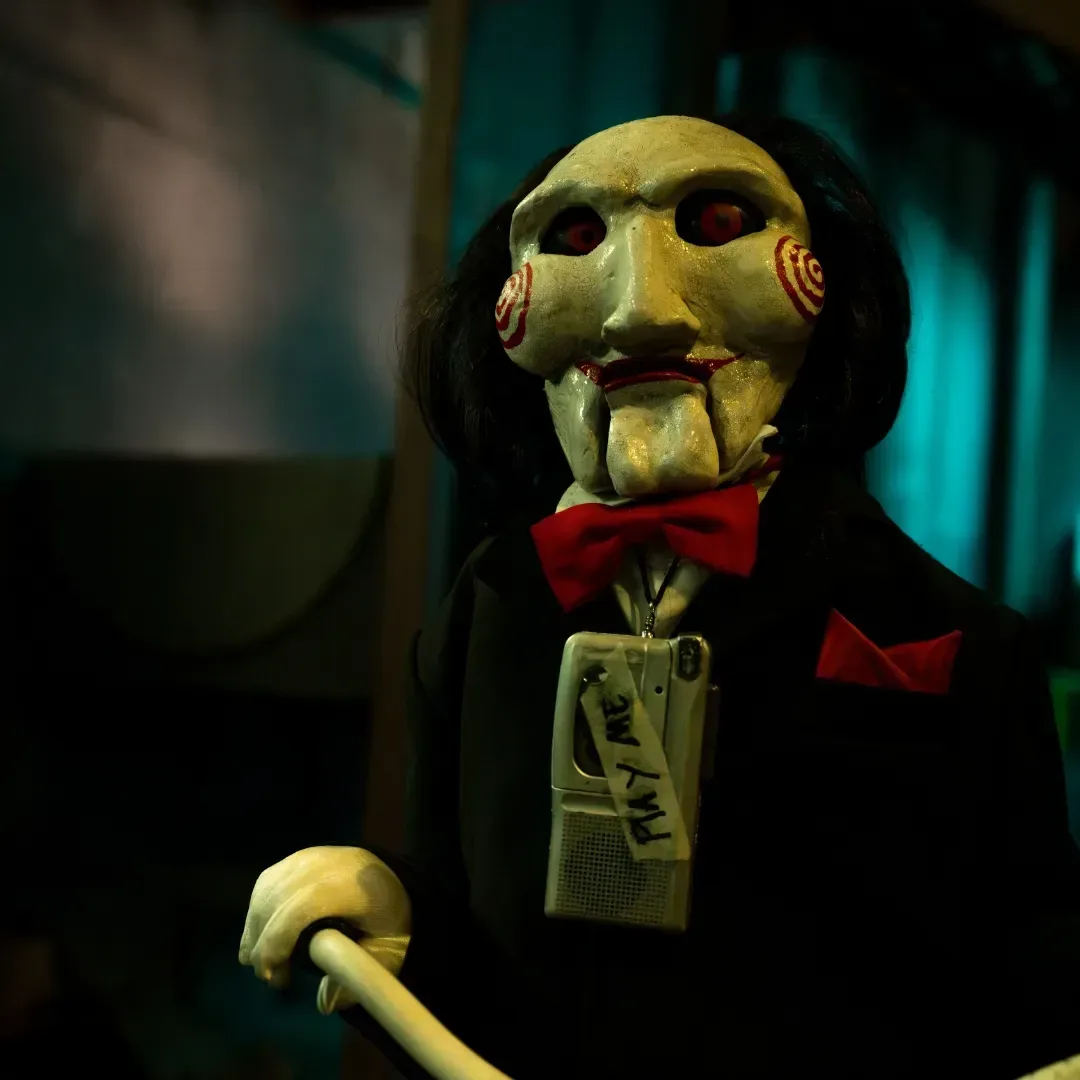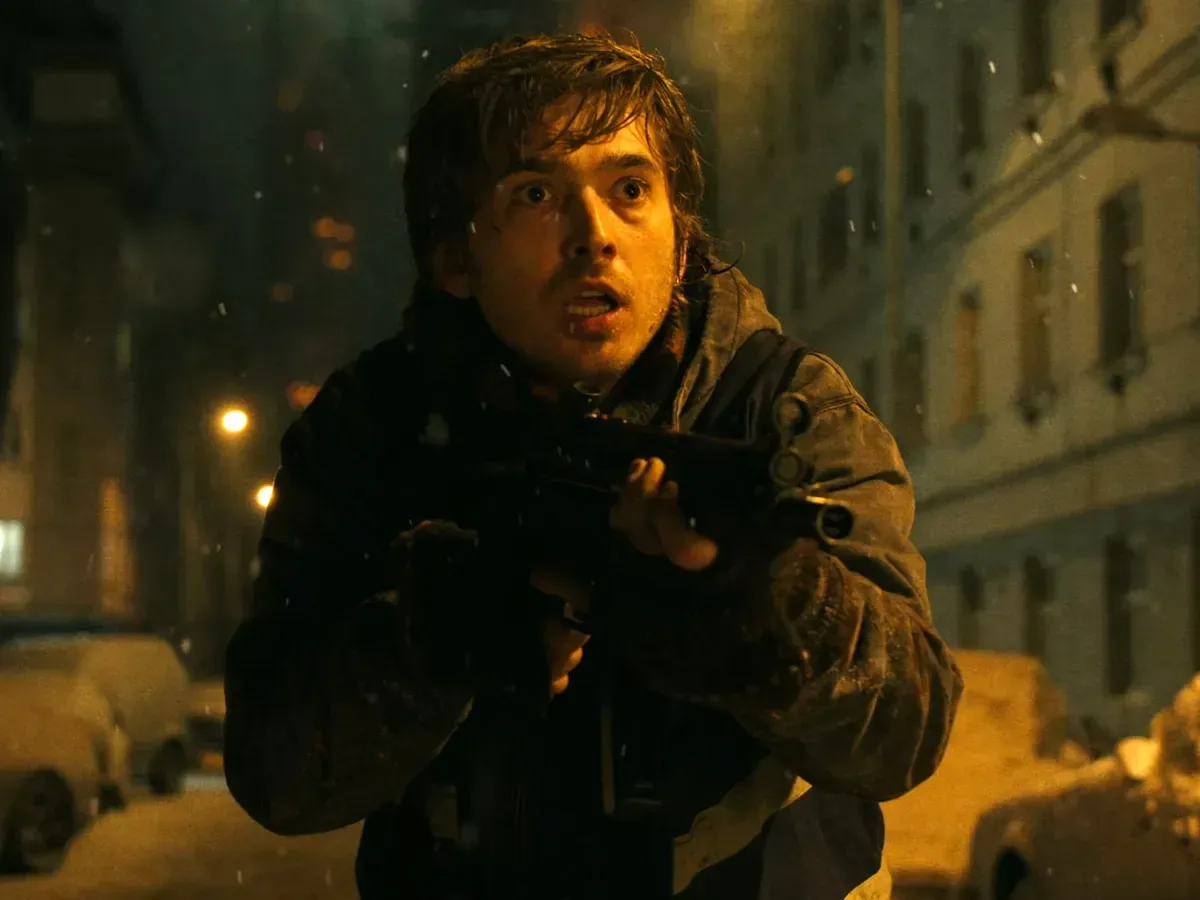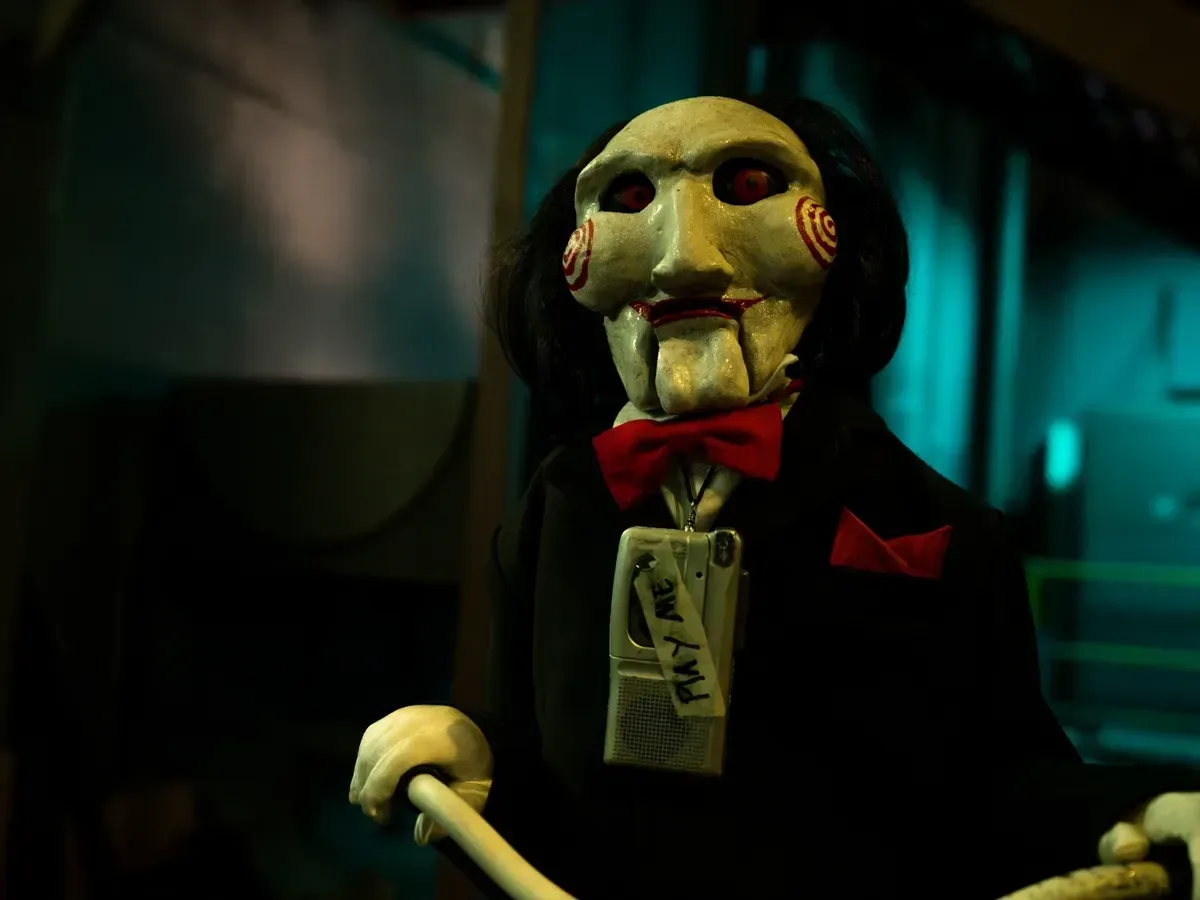
The next Saw film has found its director: Mike P. Nelson, whose previous horror work includes the Wrong Turn reboot and Silent Night, Deadly Night. Nelson will take the controls of a franchise built on elaborate traps, moral reckonings and timelines that have rarely regarded a character’s death as an insurmountable obstacle.
Gregory Weidman and Geoff Tock are writing the screenplay. James Wan, Jason Blum and Leigh Whannell are attached as producers, bringing together two of the people who created Saw and a major modern horror producer. No release date, cast or specific plot details have been provided.
The personnel alone suggests that the new chapter is intended as more than a routine continuation. Wan and Whannell began the property with a short film before expanding it into the low-budget feature that launched the series. Wan later moved away from the franchise after the third film, directing projects including Insidious, The Conjuring and Aquaman. His involvement is expected to be more substantial this time around.
What Nelson has said about the script
Nelson described joining the film as a dream opportunity and said the screenplay aims to combine the original film’s mystery with new, extremely bloody concepts. He also pointed to the series’ “brutal moral compass,” a useful description of the distinct element that separates Saw from a simple parade of mechanical horrors.
In this franchise, a trap is normally framed as a test. Victims are confronted with a terrible choice and a narrow, punishing route to survival. That setup is frequently tied to Jigsaw’s philosophy: he regards the ordeal as an opportunity for someone to confront perceived failures and prove a renewed will to live. Whether viewers accept that rationale is another matter, but the tension between his stated principles and his lethal methods is a defining piece of the series’ identity.
Wan praised Nelson’s “raw, distinctive filmmaking voice” and his inventive genre approach, saying it was important to find a filmmaker who would honor the world established by the original. That wording leaves room for a new perspective while emphasizing that the film is not being positioned as a clean break from the franchise’s foundation.
“We don’t think you can make a Saw movie without Jigsaw,” Wan and Whannell said earlier this year, while adding that they want to revisit the spirit of the first movie and the character’s philosophy.
Jigsaw is expected to matter, despite the series’ timeline problem
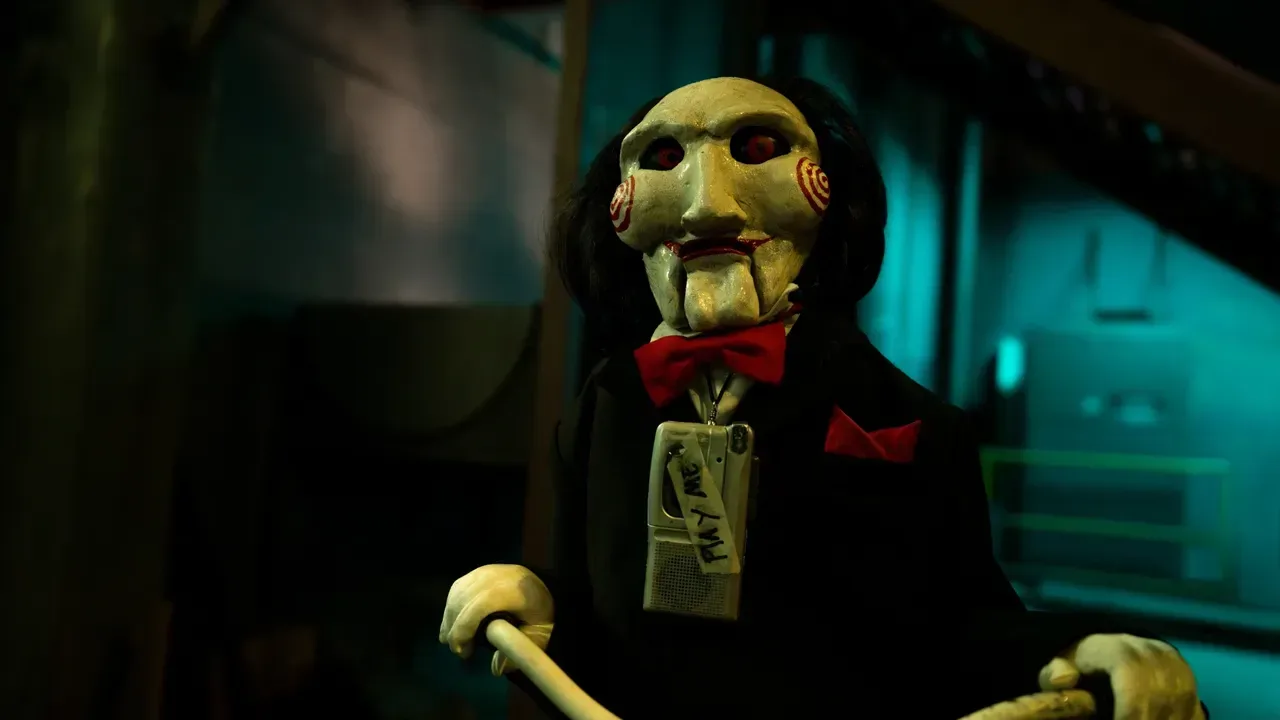
Jigsaw’s prominent place is the clearest story indication currently available. The character died in the third film, but Saw has long made use of nonlinear storytelling, flashbacks and stories set before that death. Saw X, for example, left room for additional prequel stories following Jigsaw earlier in his life.
That possibility apparently did not develop in a straightforward way. The expected continuation involving people who worked on Saw X stalled amid creative disagreements, and those creatives have since departed the franchise. With a new director and writers now attached, the next movie could take a notably different route. It is too early to say whether it will be a prequel, a sequel, another timeline-spanning puzzle, or something else entirely.
For fans, “Jigsaw will play a significant role” should not be read as confirmation of exactly how the story is structured. It does, however, establish a creative priority. The next film is expected to engage directly with John Kramer’s worldview rather than treating the character as distant franchise lore.
Why a return to the original’s mystery matters
Nelson’s reference to the “mystery of the original” is especially notable. Mystery in this context means more than concealing the identity of a killer. The first film’s tension came from limited information, uncertainty around motives, and the gradual recontextualization of events. The audience was asked to assemble the story alongside the people trapped inside it.
That is a different kind of suspense from simply waiting for a device to activate. A trap can provide shock, but a mystery gives the viewer a reason to interrogate every clue: who set the game, why these people were selected, whether the stated rules are trustworthy, and what detail has been misunderstood. Combining that investigative structure with the franchise’s characteristic practical brutality could be the script’s central challenge.
The phrase “new insane bloody ideas” likewise should not be mistaken for a list of confirmed set pieces. No traps have been revealed. It does establish that the production is not presenting the new film as a stripped-back, bloodless reinterpretation. The intended balance, based on what has been said so far, appears to be familiar Saw intensity paired with renewed attention to story mechanics.
A franchise return alongside a new game
The film is not the only forthcoming expansion of the property. Bloober Team is developing Saw: Genesis, a multiplayer game built around an asymmetrical format. Three players attempt to escape a sequence of deadly games, while a fourth player operates traps and seeks ways to kill the victims.
Asymmetrical multiplayer means the two sides do not have identical jobs, abilities or victory conditions. Here, the survivors’ role is escape, while the opposing player’s role is control and elimination. It is a natural fit for a fictional world where the difference between being caught in a trap and controlling it is central to the drama.
The game’s premise and the film’s newly confirmed creative team do not establish a shared story or any direct connection between their plots. What they do show is a broader effort to keep Saw active across film and games. Horror franchises have frequently traveled between formats, and the format question can shape what part of a property comes forward: a film can concentrate on reveals and character perspective, while a multiplayer game makes rules, timing and trap manipulation part of the player’s immediate responsibility.
Readers interested in the wider relationship between horror cinema and game-inspired storytelling can also explore why an original movie story can sometimes offer a stronger blueprint for game adaptations.
What is confirmed—and what is not
- Confirmed: Mike P. Nelson is directing the next Saw film.
- Confirmed: Gregory Weidman and Geoff Tock are writing it.
- Confirmed: James Wan, Jason Blum and Leigh Whannell are producing.
- Confirmed: Jigsaw is expected to have a significant role.
- Not confirmed: the film’s title, release date, cast, setting and exact place in the timeline.
- Not confirmed: whether the project will follow directly from Saw X, function as a prequel, or pursue another structure.
For now, the most meaningful takeaway is the creative direction: a new filmmaker has been selected, the original creators are materially involved, and the stated ambition is to reconnect with Jigsaw’s philosophy and the mystery-driven framework of the first film. In a series where every rule is worth scrutinizing, those are the clues available before the next game begins.