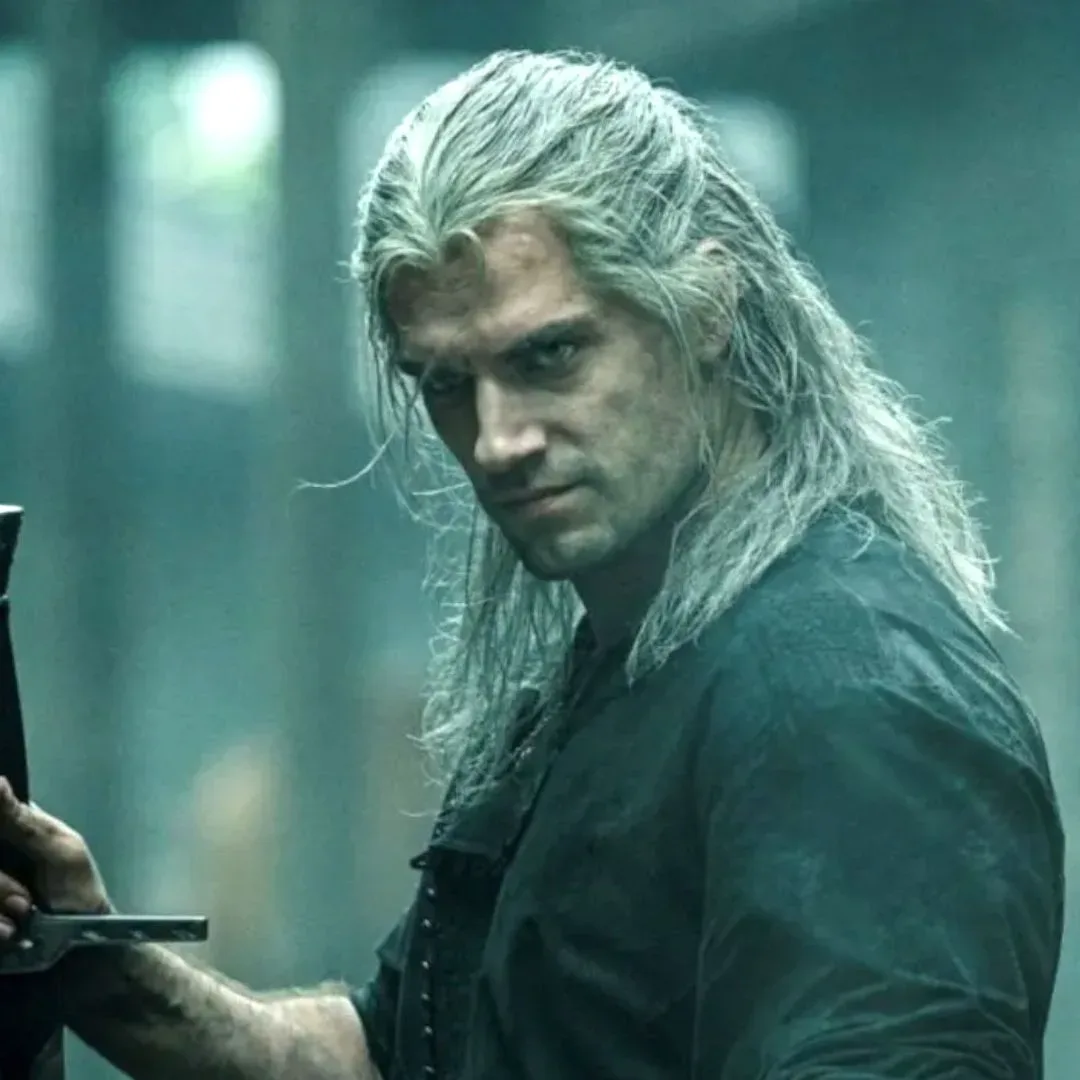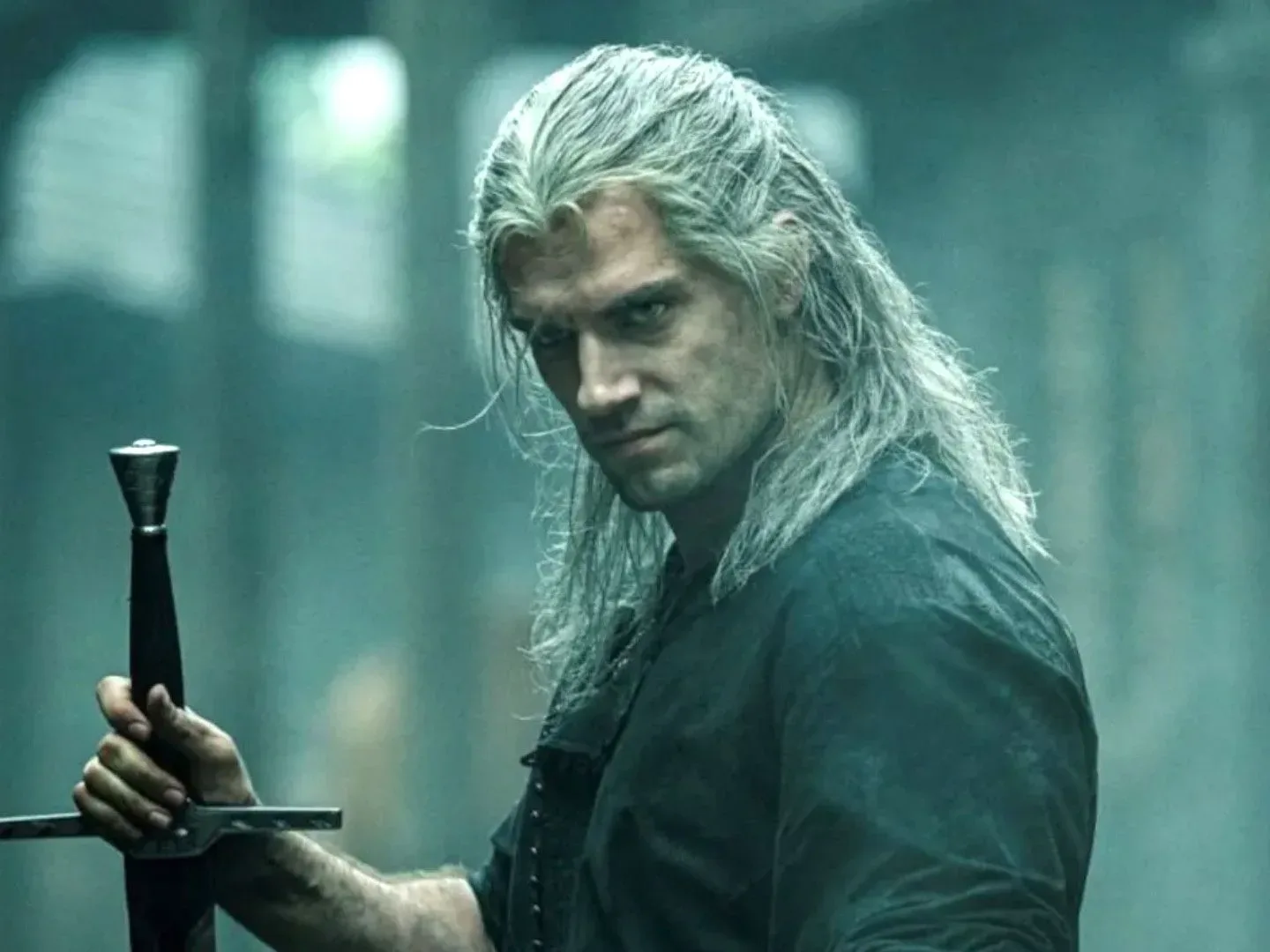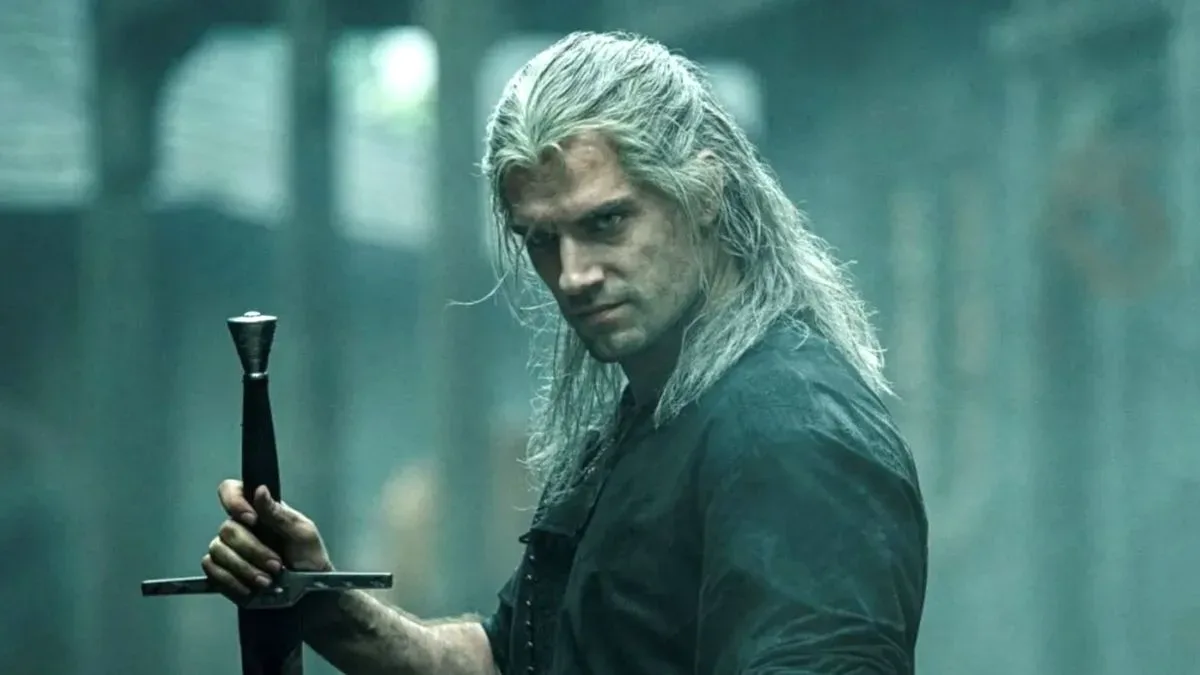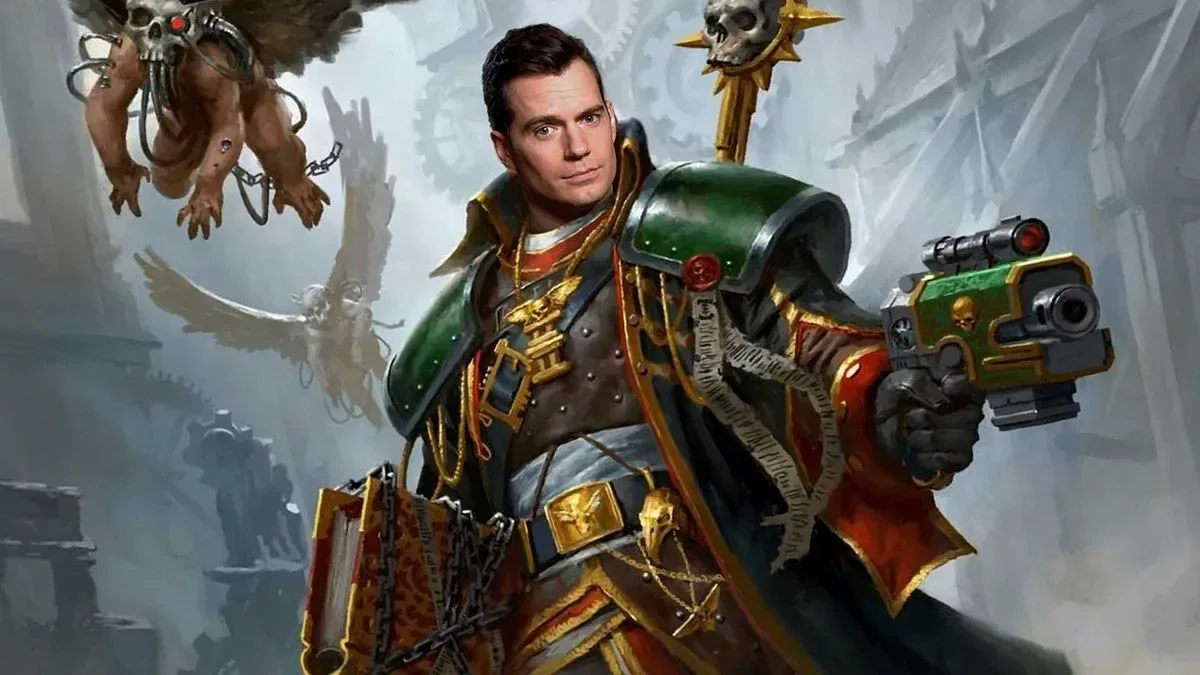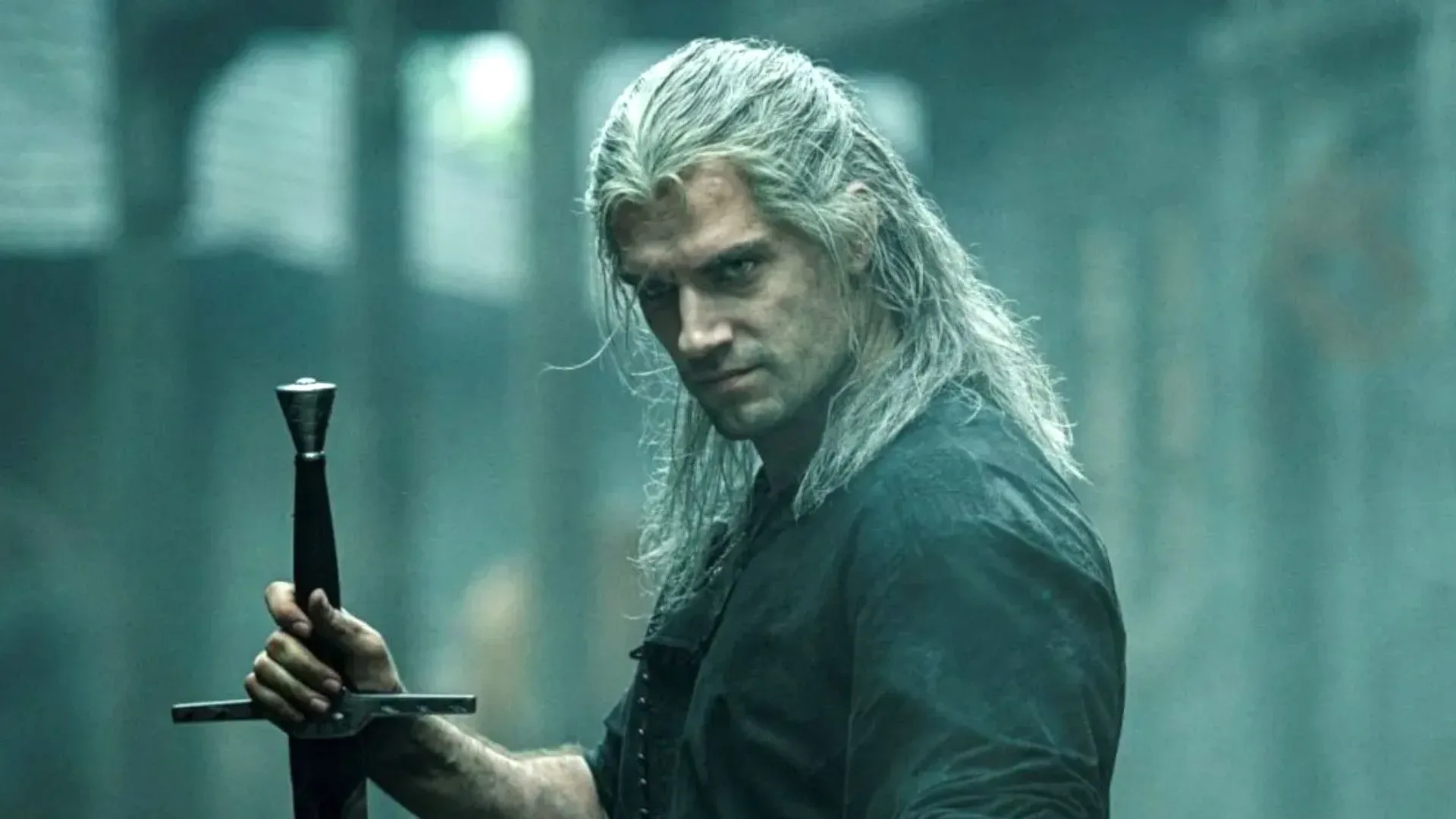
Mike Flanagan has offered a small but meaningful update on the developing Warhammer 40,000 television project being built with Henry Cavill. The key detail is not a character name, a setting, or a release window. It is the team’s apparent answer to the adaptation’s biggest question: where does a new viewer begin?
Flanagan says the show has found what he describes as a “very cool and unexpected” on-ramp into Warhammer 40,000. He has not disclosed what that on-ramp is, and he made clear that the material remains tightly guarded. Still, the phrasing matters. It suggests the creative team is concentrating on a deliberate point of entry rather than attempting to explain the entirety of a setting with a famously enormous amount of lore in its opening move.
The problem is not a lack of Warhammer stories
Warhammer 40,000 is not short on possible television material. Flanagan noted that there are 700 novels, before even accounting for the tabletop game, interactive material, and the rest of the setting’s accumulated lore. That scale is both the franchise’s strength and the challenge confronting any screen version.
For people who already know the universe, its density can be a feature: there are many stories, factions, characters, and corners to explore. For an adaptation, though, abundance creates a different practical problem. A series needs a viewpoint, a reason to follow particular characters, and rules that can be understood as the story moves. It cannot reasonably operate as a catalogue of everything that exists in the setting.
That is what an on-ramp means in this context. It is a storytelling route into an unfamiliar fictional world: a perspective, event, character group, or central conflict that gives audiences enough grounding to care about what is happening. An effective entry point does not require viewers to arrive with hundreds of books’ worth of prior knowledge. It gives them the information they need when they need it, while leaving room for the larger universe to feel expansive.
Flanagan’s comments therefore do not confirm a plot, protagonist, era, or connection to any particular Warhammer 40,000 book. They do indicate that choosing a starting point has been a major piece of the work. For a property this large, that is an important development even if the actual answer remains secret.
What “unexpected” does—and does not—tell us
It is tempting to treat the word “unexpected” as a clue toward a specific fan theory. At this stage, it is not. There is no disclosed premise to support claims about which characters, factions, or stories the show will use. The most accurate reading is simply that Flanagan believes the team’s entry point may differ from the one audiences would immediately predict.
That could be strategically valuable. A familiar adaptation route can be reassuring, but an unexpected one may offer a clearer emotional focus or more approachable stakes. It may also give the eventual series room to introduce the broader setting gradually instead of turning early episodes into an encyclopedia lesson.
Related coverage includes Warhammer 40,000 Series Has an 'Unexpected' Entry Point, Mike Flanagan Teases.
There is a useful distinction here between world-building and storytelling. World-building is the body of history, rules, institutions, imagery, and lore that makes a fictional universe feel large. Storytelling is the selection of the specific elements that serve a dramatic narrative. The former can be nearly limitless; the latter has to be selective. Flanagan’s remarks point to a team trying to make that selection carefully.
Cavill’s long-running involvement remains central
Cavill has been connected to the Warhammer 40,000 effort for years. His partnership with Games Workshop was announced three years ago, and he previously said the collaborators had spent time working through the setting’s large pool of characters and older texts before identifying a starting place for their shared universe. That starting place was kept secret then, and it remains secret now.
Flanagan joined the project earlier in 2026. His new comments describe a positive creative experience, but they do not alter the project’s overall status: details are still being withheld while the work is developed. The update is best understood as confirmation that the team has a direction, not as evidence that the series is near release or ready to reveal its cast and story.
Cavill’s sustained involvement is significant because the project has been framed from the beginning as a collaboration with Games Workshop rather than a quick attempt to lift a recognisable name into another medium. His earlier comments emphasized the work of finding an agreed place to begin. Flanagan’s remarks now reinforce that the task is still being approached through the question of access: how to bring an audience into a huge setting without losing what makes it distinctive.
Scripts have begun, but the project is explicitly long-term
Work on scripts began in July, when Flanagan came aboard. That is a tangible milestone, but it should not be confused with a finished production or a near-term premiere. Games Workshop chief executive Kevin Rountree has said the partnership with Amazon is long-term and that successful adaptations will take years to reach the market.
That caution is worth keeping in view. Script development is where a project’s broad creative promise has to become episodes, scenes, characters, and a sustainable narrative structure. It is also where an “unexpected” entry point has to prove it can carry a series rather than simply sound intriguing in a tease.
Large adaptations can invite constant speculation because fans want tangible answers: What will it adapt? Who will appear? When will it air? None of those answers have been supplied here. The available update is narrower, but it is also more useful than a vague statement of intent. It says the writers believe they have located a way into the universe—and that the process is moving through script work rather than standing still.
Why the slow approach may be the sensible one
Warhammer 40,000 has enough material to support many possible approaches, which makes early creative discipline particularly important. A rushed choice could leave new audiences excluded or longtime fans wondering why the adaptation ignored the setting’s potential. A focused opening, by contrast, can create a foundation from which a larger universe may eventually grow.
That does not guarantee the finished show will satisfy every portion of a fan base with many preferred stories and interpretations. No adaptation announcement can offer that guarantee. But the stated concern—finding a workable way in—is exactly the concern a project of this scale needs to confront.
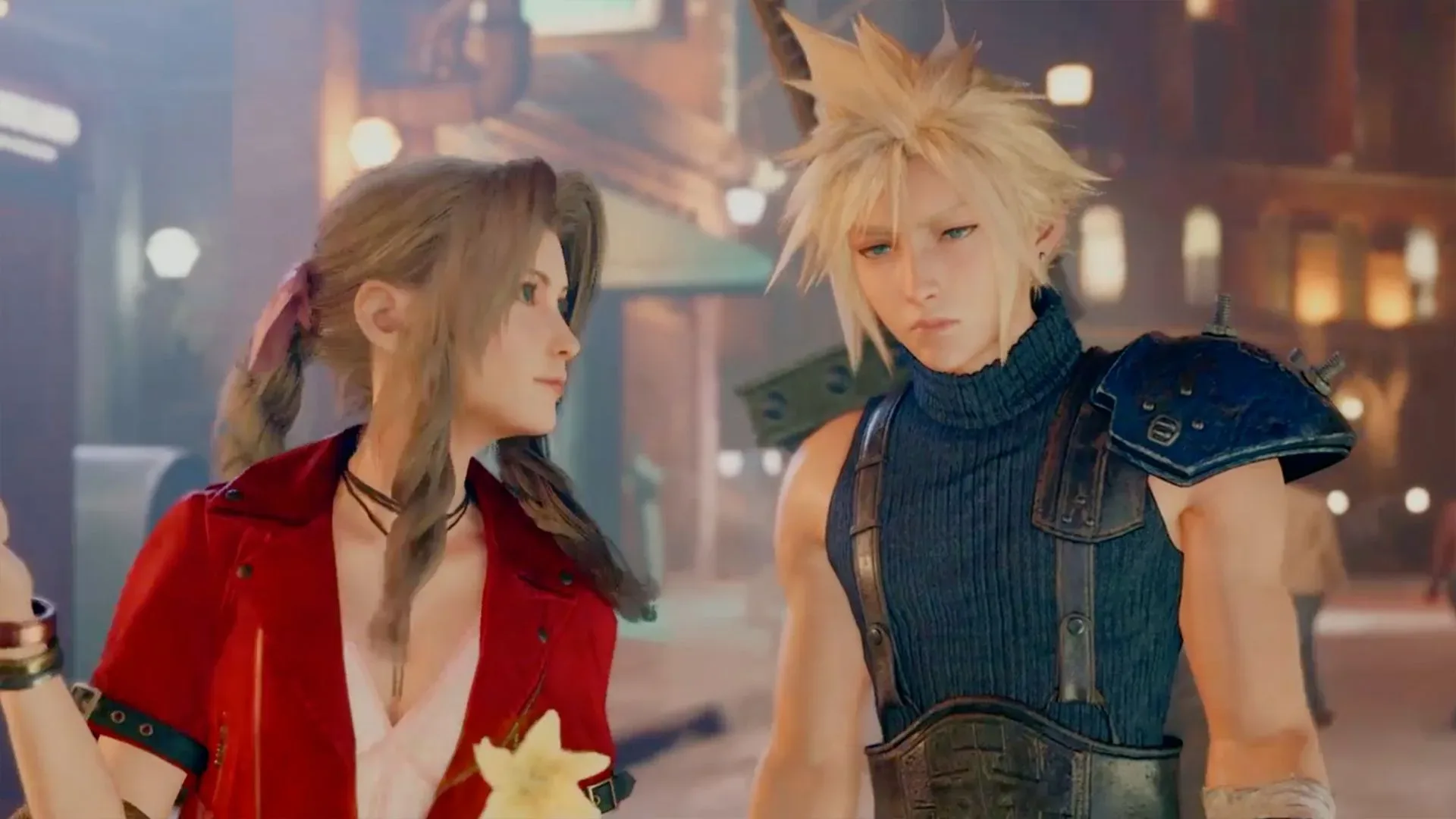
There is a parallel lesson in other ambitious game-related adaptations and remakes: defining the first instalment’s identity can be more difficult than expanding from an established base. Final Fantasy 7 Remake was described as the trilogy’s hardest build, a reminder that choosing what to establish first often determines what later chapters can do.
For now, the Warhammer 40,000 series has no disclosed premise, cast list, release date, or confirmed source story. What it does have is Cavill’s ongoing involvement, Flanagan’s participation, scripts underway, and an explicit acknowledgement that the path from an immense fictional universe to a television story requires patience. The promised “unexpected” on-ramp will remain the project’s biggest unanswered question until the team decides it is time to open the door.