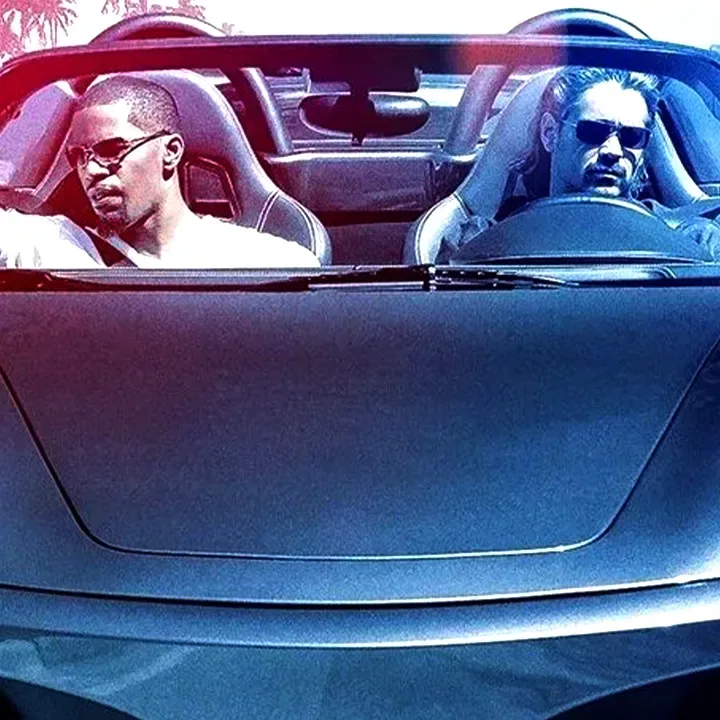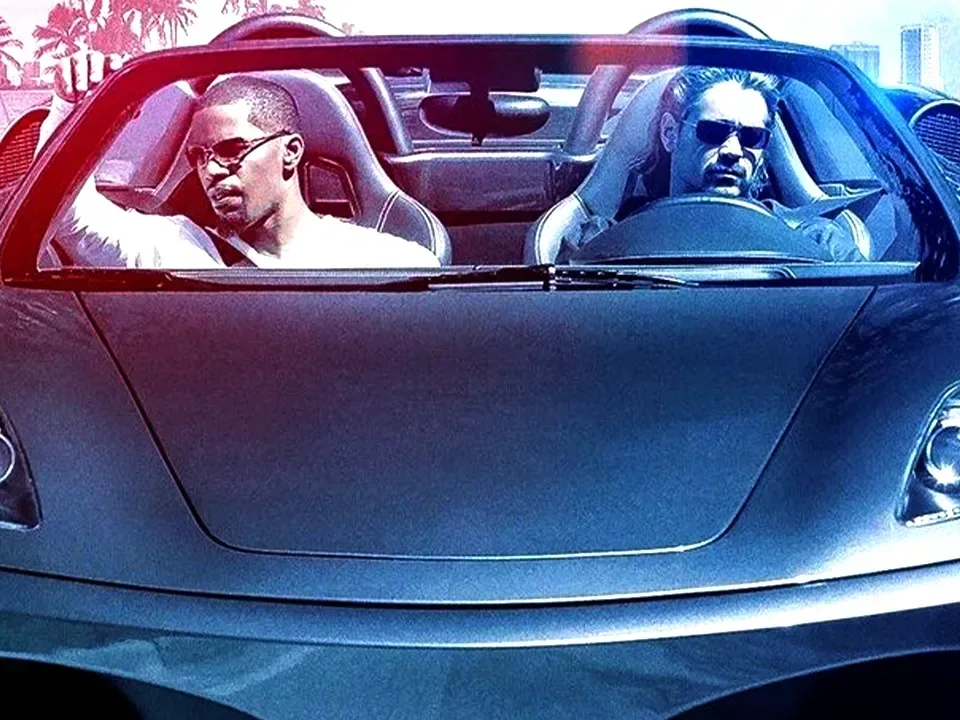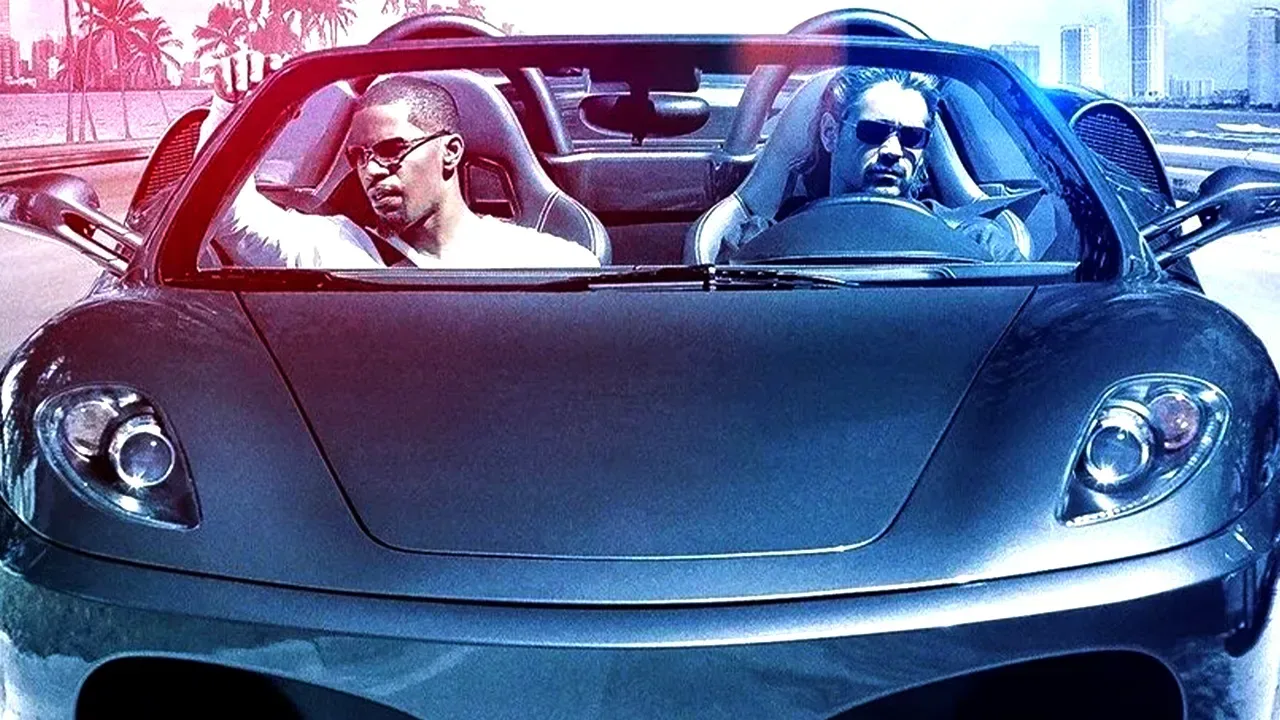
Michael Mann is returning to Miami Vice, the 2006 feature that turned the familiar television-property title into a sleek, digital-shot crime film starring Colin Farrell and Jamie Foxx. Miami Vice: Director’s Final Cut is scheduled to have its world premiere at Beyond Fest in Los Angeles on October 3, 2026. Mann is also set to take part in a Q&A after the screening.
The event listing describes the presentation as Michael Mann’s new cut of the film and confirms a 4K screening. Crucial particulars remain unlisted, however: there is no reported running time for the Final Cut, and there is no information here about a home-video edition, streaming release, theatrical rollout beyond the festival engagement, or the exact editorial changes Mann has made.
That ambiguity is part of what makes the screening notable. This is not simply a first-time 4K showing of the prior alternate version. The “new cut” description indicates that viewers may be seeing another distinct configuration of a movie whose shape has already changed once since its initial theatrical release. For a film associated with velocity, atmosphere, shifting allegiances and a famously unsettled road to completion, another pass at its construction feels unusually appropriate. Apparently, even a Miami night drive can get a patch note.
A third major version may be on the road
The original Miami Vice opened in theaters in 2006. In 2008, Blu-ray brought Miami Vice: Unrated Director’s Edition, a reworked edition that restored scenes omitted from the theatrical release and incorporated different music cues. Those changes made the Unrated Director’s Edition more than a simple content-expansion release: editing and music can substantially alter pacing, emphasis and mood, especially in a Mann film where sound, momentum and image are tightly interlocked.
That earlier Director’s Edition was often viewed as a version with a somewhat stronger connection to the sensibility people associate with the television series. Among its notable changes was an opening built around an offshore speedboat race, Miami’s bright skyline and electronic music. The combination evoked the show’s title-sequence energy more directly than the theatrical cut’s opening approach.
Still, “different” does not automatically mean that every question surrounding the 2006 movie disappears. The earlier re-edit was regarded as an improvement in certain respects while leaving core criticisms intact. That distinction matters when discussing the newly announced Final Cut. Until Mann or the festival details the revisions, it would be premature to assume this version restores specific footage, changes the ending again, uses the 2008 music selections, reverses any prior decisions, or represents a longer cut. The only firm event details are its October 3 world premiere, its 4K presentation and Mann’s planned Q&A.
Why the Final Cut carries weight
Director-approved alternate cuts can be a vital part of how a movie’s reputation develops over time. They invite audiences to reconsider not only what was removed or added, but what the filmmaker wants the rhythm of a scene, a relationship or an entire narrative to be. With Miami Vice, that process is especially relevant because the 2006 film arrived with expectations shaped by a beloved 1980s TV phenomenon, while Mann’s adaptation pursued a harder and more contemporary criminal-undercover atmosphere.
Mann was an executive producer on the original Miami Vice television series, though he did not create it. That connection gave the 2006 movie a direct lineage without requiring it to function as a nostalgic recreation. The film’s Crockett and Tubbs—Farrell as Detective Sonny Crockett and Foxx as Detective Ricardo Tubbs—were not merely being asked to wear the old names. They were part of a version designed around the filmmaker’s interest in risk, professionalism, criminal networks and the unstable boundary between an undercover identity and the person maintaining it.
The Final Cut’s title also suggests a degree of decisiveness, but it should not be read as a technical specification. “Final Cut” establishes the billing for this new presentation; it does not tell audiences how many minutes it runs or precisely how it differs from either the 2006 theatrical release or the 2008 Unrated Director’s Edition. Film fans who enjoy tracking multiple versions will have a fresh object of comparison once the screening takes place. For collectors, meanwhile, the immediate question is whether this festival version eventually receives a clearly identified physical release. No such release has been announced in the available information.
A movie shaped by a difficult production
The history behind Miami Vice has long been as discussed as the finished feature itself. Its production was difficult, and the reported turning point came when Jamie Foxx left during filming in the Dominican Republic. Foxx’s departure required Mann to revise the movie’s ending. That practical disruption gives later edits an added layer of interest: viewers are not just comparing preferences in scene order or soundtrack choices, but considering a movie that had already needed to adapt under intense production circumstances.
None of that means the Final Cut can be reduced to a repair job. Mann is presenting a new cut roughly two decades after the theatrical release, at a point when the film has undergone a meaningful reassessment. The passage of time can change the terms on which a work is evaluated. A feature dismissed for not delivering one kind of adaptation can later be appreciated for committing to another. In Miami Vice’s case, the movie’s cult standing has grown, while critical attention has increasingly found value in its tonal boldness and stylistic identity.
Its commercial record remains a mixed one. The film opened at number one at the domestic box office in 2006, but it ultimately did not land as the broad commercial or critical success its profile may have suggested. Yet its later reputation has not followed a simple failure narrative. It has drawn a cult audience and received substantial critical reappraisal in the years since, making a director-led revisit more culturally interesting than a routine anniversary screening.
A timely revisit before another reboot
The Final Cut also arrives ahead of another major screen attempt at the property. Joseph Kosinski, whose recent work includes F1, is set to direct Miami Vice ’85, a big-screen reboot starring Michael B. Jordan and Austin Butler. That film is dated for May 19, 2028.
The two projects are separate propositions. Mann’s Final Cut revisits his own 2006 feature, while Miami Vice ’85 is a forthcoming reboot with a different director and cast. But the timing creates an intriguing overlap: the franchise is preparing both to re-examine one of its most divisive modern incarnations and to launch a new cinematic version. Before Jordan and Butler take on the property, audiences at Beyond Fest will have an opportunity to see what Mann now considers the definitive shape of Farrell and Foxx’s film.
There is a broader pop-culture pattern here, too. Long-running screen properties are rarely fixed museum exhibits. Television shows receive marathons, revivals and reinterpretations, while films return in restorations, remasters and alternate edits. The continuing appetite for revisiting television history can be seen across current programming conversations, including this look at a major TV marathon and returning series. Miami Vice occupies its own distinctive corner of that cycle: a title whose TV legacy is inseparable from 1980s style, but whose 2006 feature revision pushed toward a different kind of immediacy.
What viewers know—and what they do not
For now, the practical rundown is short:
- What: Miami Vice: Director’s Final Cut
- Who: Writer-director Michael Mann’s new cut of his 2006 film
- Where: Beyond Fest in Los Angeles
- When: October 3, 2026
- Format: A 4K presentation
- Additional event: A Q&A with Mann is planned
Equally important are the unanswered questions. The Final Cut’s runtime has not been listed. Specific alterations have not been detailed. There is no confirmed distribution plan following the festival premiere. And, while it is reasonable to compare this announcement with the 2008 Unrated Director’s Edition, there is not yet enough information to map the Final Cut’s relationship to that release scene by scene.
That leaves the October screening as the first meaningful checkpoint. It will reveal whether Mann’s new assembly primarily refines the existing alternate version, radically redirects it, or finds an entirely new balance between the movie’s sunlit coastal iconography and its darker undercover-crime urgency. Whatever form it takes, the event confirms that Miami Vice is not merely being preserved as a 2006 artifact. Its director is still actively shaping how the film is meant to be seen.