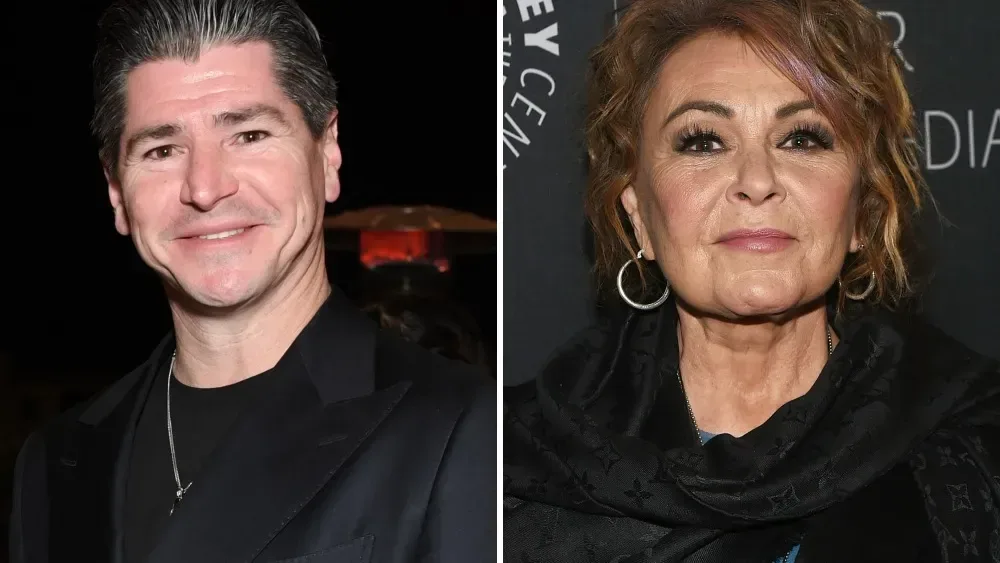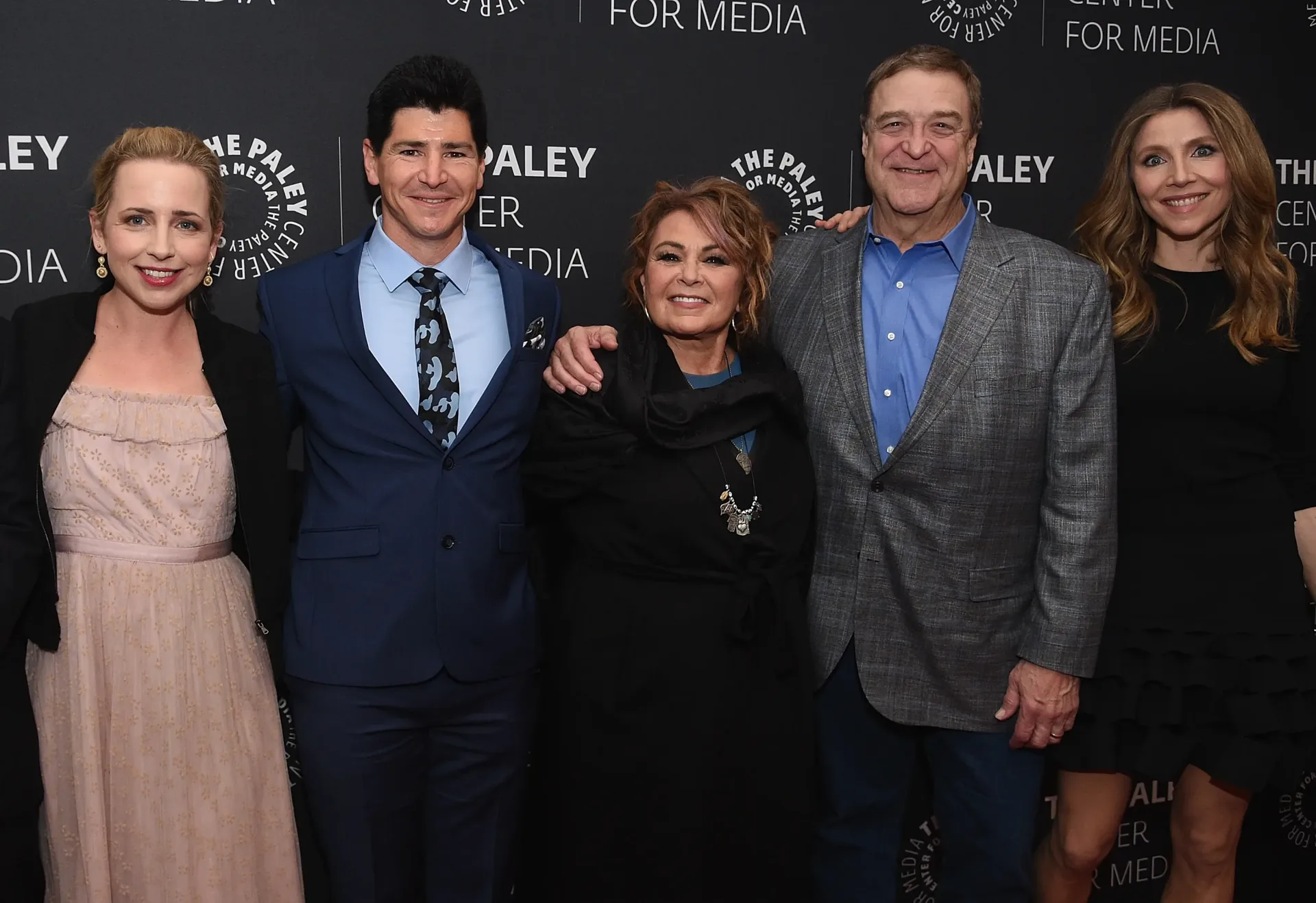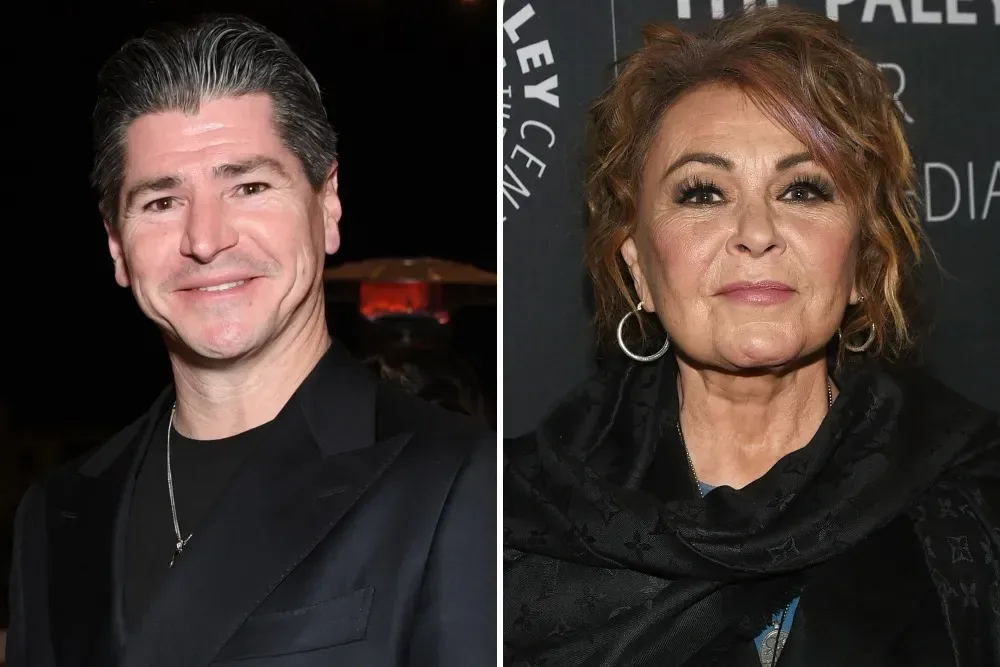
Michael Fishman has addressed viewers of Roseanne after a public disagreement with former co-star Roseanne Barr, offering an apology for the “chaos” around the situation and stressing that he does not want the dispute to diminish what the series has meant to its audience.
Fishman played D.J. Conner throughout the original run of the sitcom and returned for its 2018 revival. He later reprised the role in The Conners. In a video shared to Instagram, he spoke directly to people who regard the Conner family as a familiar television fixture, acknowledging that some fans felt as though their “TV family” was in conflict.
His central message was not an attempt to relitigate every point of the exchange. Instead, Fishman framed his response around the audience’s attachment to the program, saying he intends to continue choosing “love and light” and to preserve the show’s legacy for viewers who have treated it as a comfort watch.
What prompted Fishman’s message
The exchange follows comments Fishman made in August about the 2018 revival’s cancellation. He said the reboot was “rightfully canceled” after Barr posted a racist tweet. Barr subsequently responded to Fishman on an episode of the Can’t Be Censored podcast, using insulting language toward her former co-star.
Fishman’s new video does not add a fresh point-by-point response to those insults. That distinction matters. A public statement can be aimed at an opposing party, at a wider audience, or at both. Fishman’s remarks were overwhelmingly addressed to fans: people who may have watched the original series as it aired, found it later in reruns, returned for the revival, or followed the fictional family into The Conners.
That approach is also why the apology is narrowly framed. Fishman apologized for the turmoil surrounding the past week, rather than withdrawing his prior view of the cancellation. In practical terms, he is separating two ideas: his position on the events surrounding the revival and his concern that a real-world conflict could spoil viewers’ relationship with the show.
A show with several distinct eras
The history behind this reaction is unusually long. Roseanne originally ran for nine seasons from 1988 through 1997, with Fishman appearing across that entire run as D.J. Conner. The show then returned for a nine-episode revival season in 2018.
That revival quickly became a major ratings success. Its first season finished as the top scripted primetime television show among adults ages 18 to 49, a demographic commonly used in U.S. television advertising to measure a program’s appeal to a commercially valuable segment of viewers. The achievement underscores the size of the audience that had reconnected with the Conners decades after the original finale.
Related coverage includes Michael Fishman Addresses Roseanne Barr Feud, Apologizes to Fans.
After the revival ended, the franchise continued as The Conners, which ran from 2018 to 2025 for seven seasons. Fishman returned as D.J. for four of those seasons. The continuation is important context when discussing legacy: the fictional family’s story did not simply end with the cancellation of the 2018 revival, and the cast members’ relationships to the franchise are not limited to a single period of production.
For viewers, that multi-era history can make a cast dispute feel more personal than an ordinary celebrity argument. The characters occupied the same home, family routines and conflicts for years of television. When performers who helped create that dynamic clash in public, fans may understandably feel that a piece of their own entertainment history has become unsettled.
Why Fishman focused on “comfort” viewing
A comfort show is not a formal industry classification. It is a common description for a series people revisit because it feels familiar, emotionally reliable or tied to a particular period in their lives. The phrase does not mean a show is free of difficult subject matter. Rather, it describes the reassurance created by recognizable characters, settings and rhythms.
Fishman explicitly invoked that kind of connection. He said the program had been a comfort show for many viewers and promised to do what he could to uphold its legacy. He also reflected on the role’s personal importance, explaining that the show meant something to him as a child and became “even more real afterward.”
That is a meaningful perspective coming from an actor who grew up alongside the series. Fishman was not merely associated with the program for a short guest arc or a single revival appearance. His character was part of the Conner household from the original show through later continuations. His statement therefore treats the audience’s investment as something he shares, even if the experience of making the series and the experience of watching it are necessarily different.
Fans do not have to settle every disagreement among a cast in order to retain their own memories of a show. Fishman’s remarks ask for precisely that separation: leave room for viewers to value the work, the character dynamics and the role the series played in their lives without allowing the latest public exchange to define all of it.
What the statement does—and does not—say
Fishman’s video is a de-escalatory response, not evidence that the underlying disagreement has been resolved. He expresses regret over the effect the conflict has had on fans and says he will pursue a more positive path, but he does not announce a reconciliation with Barr, a joint statement, or any new project involving the two.
It also does not change the basic timeline of the franchise. The original series remains a nine-season sitcom from 1988 to 1997; the revival remains a nine-episode 2018 return; and The Conners remains the seven-season follow-up that concluded in 2025. Those are distinct chapters, even though they share characters, history and an audience.
Fishman captioned his post with a short appeal to “shine,” adding that people find their way home and back together. The wording matches the tone of the video: it is less an invitation to take sides than an effort to reassure fans that he recognizes the emotional weight they place on the Conner family.
For readers following other current entertainment developments, Joking Joystick’s pop-culture coverage of reports and what remains unconfirmed follows the same useful distinction between a public claim and a confirmed outcome.
Where viewers can see the message
Fishman shared the full video through his Instagram post. The clip is the clearest record of his direct appeal to fans: an acknowledgement of the recent strain, an emphasis on the series’ emotional value and a pledge to avoid letting the dispute ruin that connection.
In a situation defined by sharp public language, Fishman’s response is notably focused on stewardship. He is not claiming ownership of what the show means to its audience. Instead, he is recognizing that its legacy belongs, in part, to viewers who have carried it with them across its original run, revival and follow-up series.