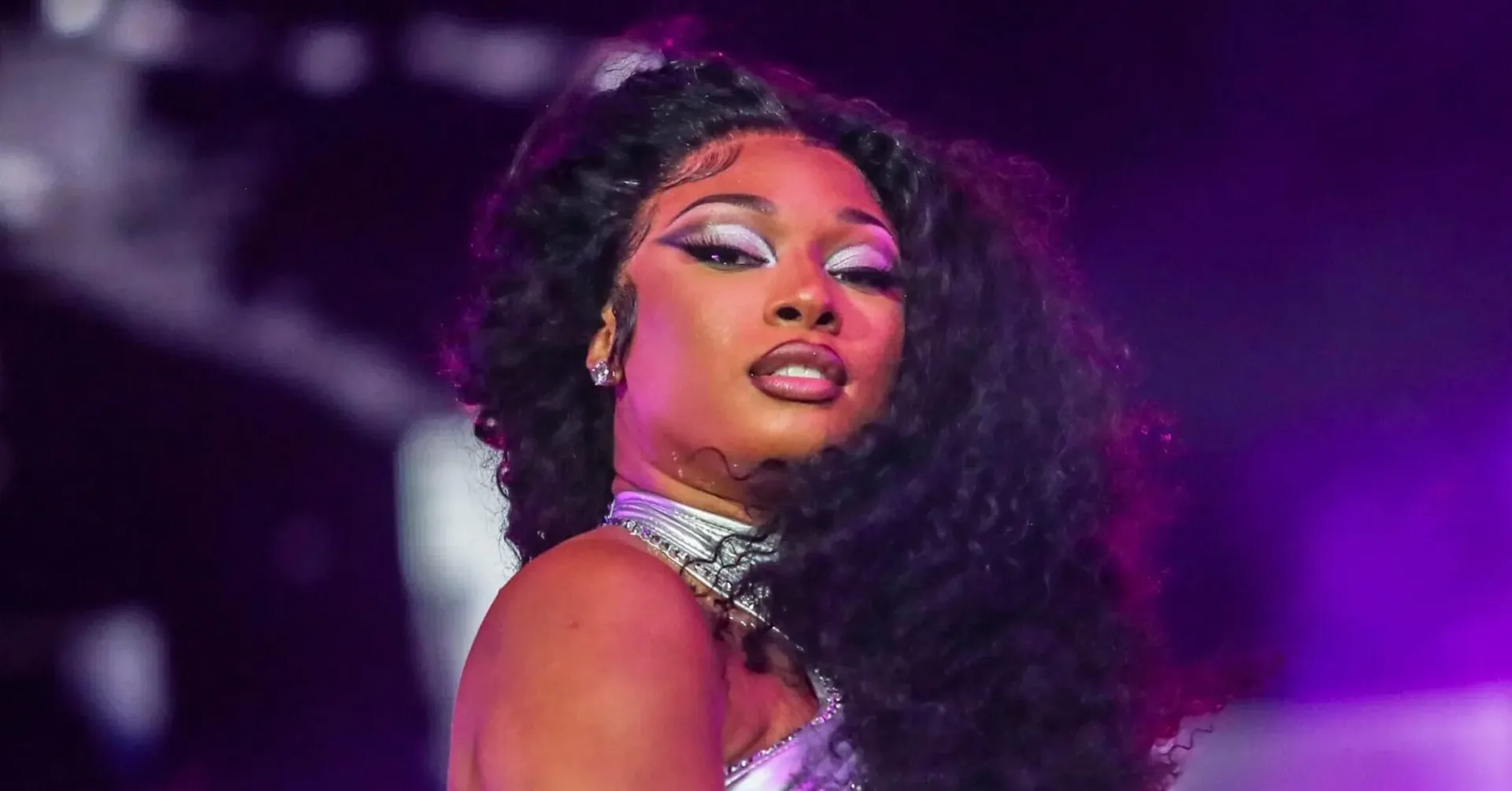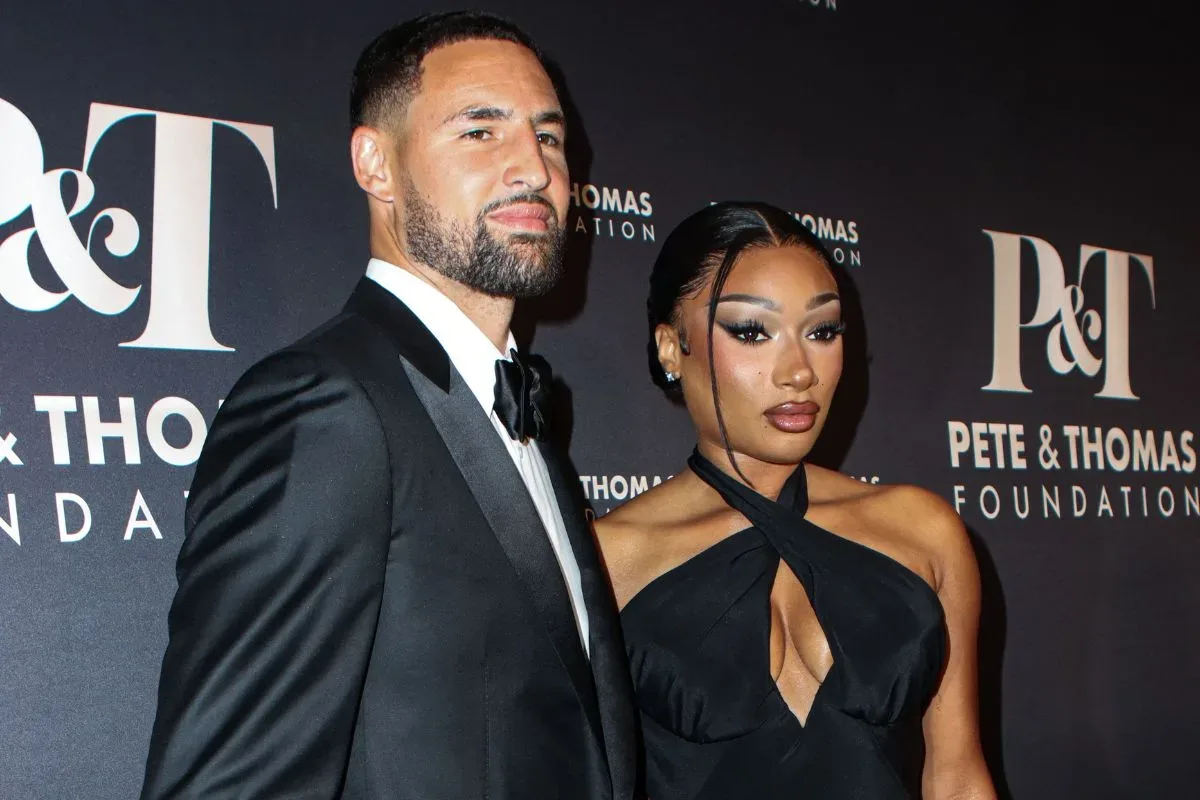
Megan Thee Stallion has spoken candidly about the emotional strain she says defined much of her nine-month relationship with basketball player Klay Thompson. In a September 2026 cover interview, the Grammy-winning rapper described the relationship as an intensely draining experience, using a deliberately chaotic washing-machine comparison to convey just how battered she felt by it.
The comments arrive after the pair’s reported April breakup, which became public amid Megan’s social-media accusation that Thompson had cheated. Her newer remarks place less emphasis on a single event and more on the longer emotional pattern she says preceded the split: persistent unease, anxiety and the feeling that she had begun compromising too much of herself to make a mismatched situation work.
That distinction matters. Public breakups often get reduced to one headline-ready allegation or one decisive date, particularly when two high-profile people come from worlds with enormous audiences. But Megan’s account frames the end of this relationship as a process of recognizing warning signs she had been attempting to explain away. Rather than presenting discomfort as a minor hurdle to overcome, she characterized it as information worth hearing.
A warning sign is not a side quest
In the interview, Megan said that what is intended for a person will work out, while a situation that repeatedly leaves someone uneasy or on edge may not be where they should remain. She also expressed her belief that discomfort can be a signal that something is not meant to be.
It is a direct, personal perspective rather than a universal rulebook, but the larger idea will be familiar to anyone who has watched a relationship slowly turn into an endurance challenge. There is a difference between navigating ordinary disagreements and living in a state of constant anticipation—waiting for the next conversation to go sideways, the next confusing moment, or the next reason to feel less secure.
Megan’s vivid description of being tossed through a washer and dryer with assorted objects and a cactus is, in its own way, a remarkably efficient metaphor. It is exaggerated because the point is emotional impact, not appliance mechanics. The image communicates motion without control, repeated collision, and the exhausting sense that the cycle keeps running even when a person would very much like to locate the stop button.
For a performer whose public career often projects confidence, agency and command, the interview also offers a reminder that self-possession is not a permanent power-up acquired once and kept forever. A person can know their worth and still find themselves in a situation that erodes their comfort or clarity over time. Recognizing that erosion is not a failure; in Megan’s telling, it became part of the route back to herself.
Trying to make the pieces fit
Megan said she had been trying to fit pieces together that did not belong and trying to fit herself into someone else’s life. She said she was losing herself somewhat, and that she is now focused on finding herself again.
That is the heart of what makes these comments more substantial than standard post-breakup phrasing. She is not merely saying the relationship ended badly. She is describing a mismatch between maintaining a connection and maintaining a sense of identity. When someone keeps adapting to preserve a relationship, there can be a point where compromise stops feeling mutual and begins to feel like self-erasure.
The public tends to talk about celebrity relationships in a way that resembles scorekeeping. Who unfollowed whom? Who posted first? Who looked happier at the next event? That framing can flatten a complicated experience into a series of spectator-friendly moves. Megan’s discussion shifts attention back toward the internal reality: what an ongoing atmosphere of tension can do to a person, regardless of how polished their public-facing life may appear.
It also avoids claiming that healing is instant. Saying she is in a space of finding herself again suggests recovery as active work, not a montage completed between one social-media post and the next. Rebuilding boundaries, confidence and routine may not make for dramatic headline copy, but it is usually more meaningful than the internet’s preferred version of a clean, immediate comeback.
Independence remains central
Megan emphasized that she is reclaiming her independence and will not accept disrespect going forward. She also made clear that any future partner would need to understand that she is her own person and her own boss.
That stance lands especially clearly in the context of a celebrity ecosystem that routinely rewards access, speculation and overinterpretation. Being recognizable does not mean every part of a person’s life belongs to public debate. A musician can share a hard lesson without opening an invitation for strangers to draft an entire unauthorized narrative around it.
There is also no need to treat the story as a competition between music and basketball audiences. Thompson’s career naturally makes him a major name in sports culture, while Megan’s work puts her at the center of music and broader pop culture. Their relationship drew crossover attention because those spheres are already deeply connected through broadcasts, social platforms, fashion and sponsorships. The continued evolution of sports coverage has helped make athletes recognizable well beyond the game itself, a history explored in this look at how sports broadcasting turned games into national events.
Still, audience interest does not transform a breakup into a public referendum. The material Megan shared is her own assessment of a relationship and its impact on her. It should be read with the proportion she appears to be asking for: as an account of discomfort, boundaries and a decision to stop forcing compatibility.
What the timeline establishes—and what it does not
The available account identifies the relationship as lasting nine months and says the breakup happened in April. It also notes that Megan publicly accused Thompson of cheating when the relationship ended. Those are the central reported details behind the renewed attention to the interview.
Beyond that, there is little reason to fill gaps with theories. The interview provides Megan’s view of her own emotional state and the lessons she is taking from the experience. It does not provide a comprehensive, independently verified accounting of every private interaction between the two people. Responsible reading means preserving that boundary instead of treating emotional language as a license to invent additional facts.
That restraint is especially important online, where the loudest response can sometimes become the one most detached from what was actually said. The clear takeaway from Megan’s comments is not a puzzle for outsiders to solve. It is that she recognized an environment making her feel perpetually uncomfortable, concluded that she had been trying to force a fit, and is prioritizing the return of her own identity.
There is a useful pop-culture lesson in that—not because famous people should serve as examples on demand, but because candid language can cut through the shallowest version of celebrity coverage. The striking metaphor may travel furthest, and it probably will. Yet the quieter point underneath it carries the actual weight: sometimes the strongest move is not finding a better way to endure an ill-fitting situation. It is choosing to leave it.
For Megan, the September interview presents that choice as part of a broader reset. She is describing a shift away from walking on eggshells and toward self-direction. The relationship may have occupied nine months, but her comments make clear that she does not intend for its aftermath to define the person she is becoming next.