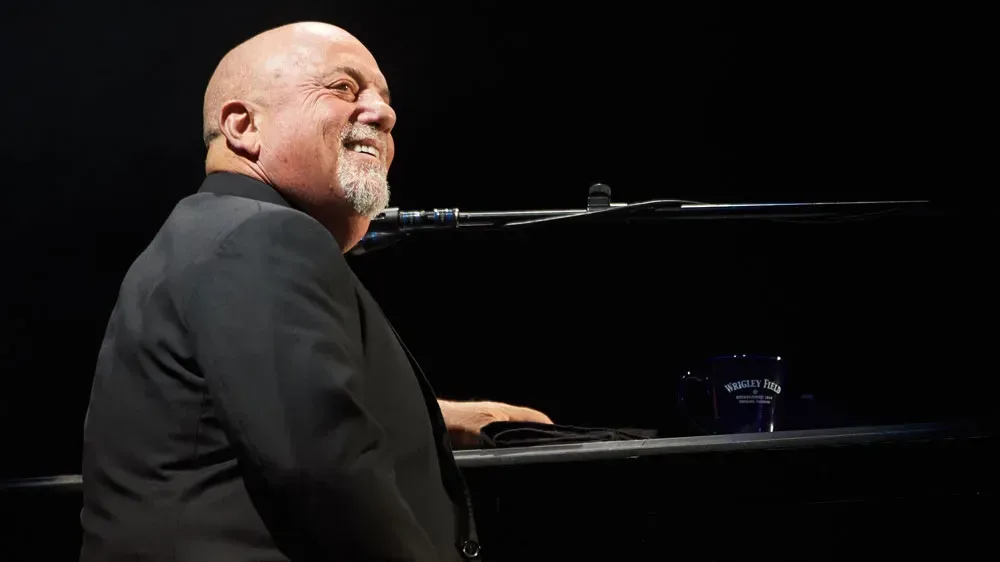
Billy Joel has offered fans a direct update on his health, saying he is doing well after undergoing brain surgery earlier this month to help relieve symptoms of normal pressure hydrocephalus.
The musician, 77, addressed concern during a fan call-in appearance on his SiriusXM channel. Joel stressed that the description of a brain disorder can sound more alarming than his current condition, telling listeners that he is okay and does not want people to worry. He said his balance is not as good as it used to be and that he has lost some hearing, adding that age, a life in rock and loud volumes could all be factors in the latter.
That reassurance is meaningful in context. Joel disclosed in May 2025 that he had been diagnosed with normal pressure hydrocephalus, or NPH, and subsequently canceled several concerts after being advised not to perform while recovering. His latest comments provide a clearer picture of how he is approaching recovery: he is positive about his condition, but he is also following doctors’ guidance to avoid excessive stress.
What Joel has said about recovery
Joel’s update did not present a timetable for a full return to concerts, nor did it promise any future dates. Instead, it was a measured statement focused on how he feels now. He acknowledged the ongoing balance issue and hearing loss, but repeatedly emphasized that he is fine.
The distinction matters. A public figure saying they are “okay” is not the same as announcing that treatment is over or that every symptom has disappeared. Joel’s own account includes continuing effects, alongside the fact that his doctors have asked him generally not to take on too much stress. For fans wondering about his performing future, that medical caution is the most concrete takeaway available.
He had already made a limited onstage return in January, performing two songs with a tribute band. That appearance demonstrated that he could take part in music again in some capacity, but it should not be treated as evidence of a wider touring plan. No new concert itinerary or expanded performance commitment was outlined in the update.
Normal pressure hydrocephalus, explained
Normal pressure hydrocephalus is the condition Joel said he was diagnosed with in 2025. As described in the information surrounding his diagnosis, it involves cerebrospinal fluid building up inside the skull and pressing on the brain.
Cerebrospinal fluid is the fluid found around the brain and spinal cord. In Joel’s case, the relevant point is that an excess build-up can create pressure on the brain and contribute to symptoms. His surgery was intended to relieve some of those symptoms.
It is important not to go beyond what Joel has publicly described. His update identifies balance difficulties and reduced hearing, but it does not set out a comprehensive medical assessment, disclose the precise surgical procedure, or establish whether either issue is solely attributable to NPH. Joel himself noted that his hearing change may also relate to age and years around loud music.
That nuance is especially useful when reading celebrity health updates. Headlines often compress a complicated situation into a single dramatic phrase. “Brain surgery” can understandably trigger fear, while “doing well” can lead to assumptions that recovery is complete. Joel’s comments sit between those extremes: he says the outlook is good, while also recognizing real limitations and continuing medical instructions.
A fan question also opened the door to “Captain Jack”
The health update arose during a call that began with a different topic: the origin of Joel’s 1973 song “Captain Jack.” The caller asked about the inspiration behind the track, and Joel described it as an observation drawn from his life in Oyster Bay, Long Island.
He said he was living across from a public-housing area and saw suburban young people coming to buy drugs from a dealer nearby. The contrast struck him as strange, and he characterized the song as a “look out the window” piece: an account shaped by watching activity across the street from his apartment rather than by a more abstract concept.
Joel also connected the song’s musical side to an existing idea for a bassline. He described it as having a somewhat symphonic quality, then said the subject matter fit the musical theme. In other words, the song came together through both observation and composition: a scene he saw outside and a musical idea he wanted to develop.
The exchange is a reminder of why call-in formats can yield more than a polished promotional answer. In the same conversation, Joel could offer reassurance about a deeply personal medical matter and revisit the origins of a song from early in his catalog. Neither topic was framed as a new release campaign; both were responses to what listeners wanted to ask.
What fans should and should not infer
There are several clear points in Joel’s update:
- He says he is doing well following surgery intended to relieve symptoms of NPH.
- He has ongoing balance problems and says he has lost some hearing.
- He is asking fans not to be overly worried about him.
- His doctors have advised him not to undergo too much stress.
- He has performed two songs with a tribute band this year, but no broader return-to-stage plan was announced.
There are also questions the update does not answer. It does not provide a target date for recovery, specify when he might resume a larger schedule, or offer a medical forecast. Respecting that gap is preferable to interpreting a reassuring health message as a promise of imminent shows.
For now, Joel’s message is deliberately simple: he appreciates the concern, he feels okay, and he is managing his recovery in line with his doctors’ advice. That is a more grounded update than speculation over what a limited January appearance might mean for future performances.
Fans following entertainment developments can also find a different kind of long-range schedule news in the planned release window for Game of Thrones: Aegon’s Conquest. Joel’s situation, however, is a reminder that a performer’s health and recovery should not be reduced to calendar predictions.