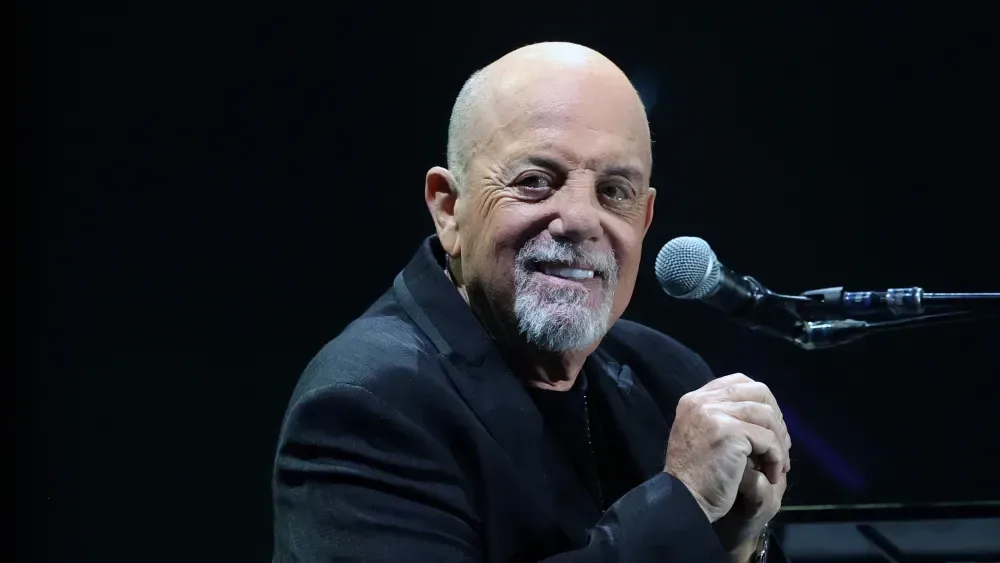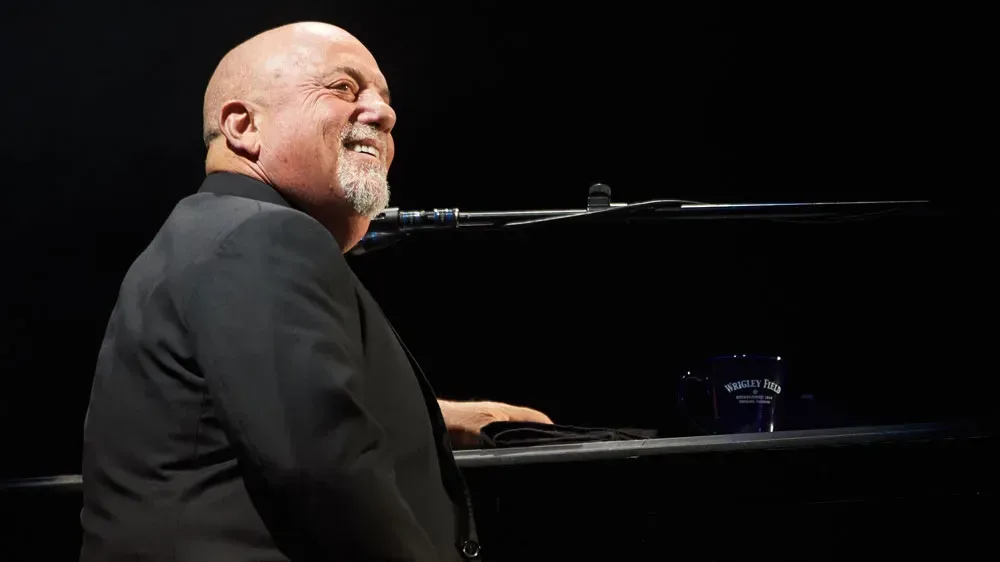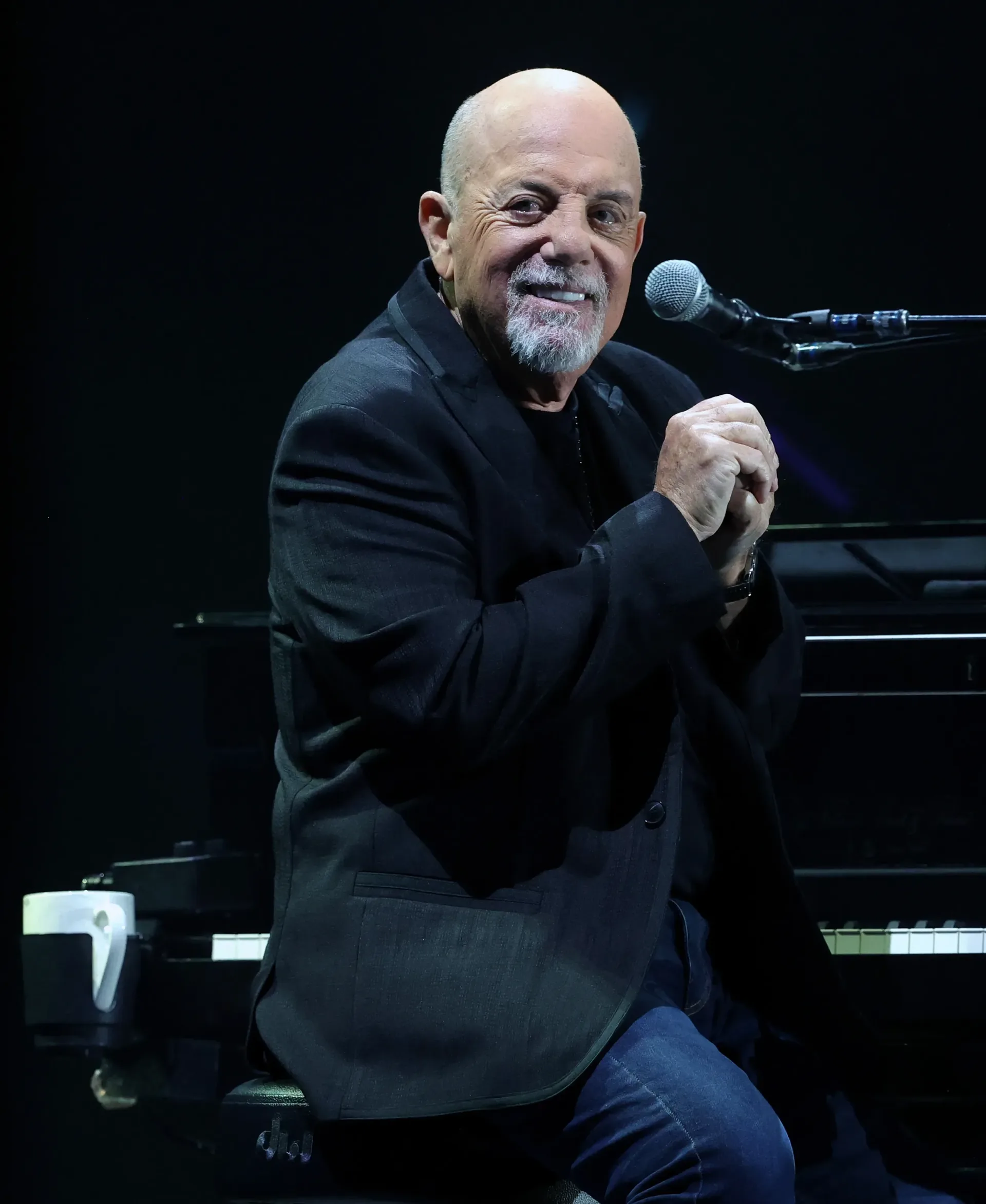
Billy Joel has shared a positive update on his recovery after undergoing brain surgery intended to address symptoms connected to normal pressure hydrocephalus (NPH), a condition he disclosed publicly in May 2025. The 77-year-old musician said a shunt implanted in his brain has brought improvement to his memory, balance and day-to-day functioning.
Speaking on his SiriusXM channel, Joel described the physical warning signs that led to further medical attention. His balance had become unreliable, he said, and he experienced a sensation akin to being on a rocking boat. Those symptoms became part of a larger health situation that forced him to step away from scheduled live performances while he recovered.
His update is reassuring in its plainest form: Joel said he is doing OK and wanted supporters to know that he remains here. At the same time, he made clear that the recovery process comes with limits. His doctors have advised him to avoid excessive stress, an especially consequential instruction for a performer whose career has long been tied to large, high-volume rock shows.
A diagnosis that changed the concert calendar
Joel announced in May 2025 that he had been diagnosed with normal pressure hydrocephalus. The disorder involves a buildup of cerebrospinal fluid inside the skull that places pressure on the brain. Following that diagnosis, he canceled several concerts and said he had been instructed not to perform until he had recovered.
For an artist so closely associated with the communal momentum of arena singalongs, that was substantial news. Joel’s catalog has a rare kind of public afterlife: songs such as Piano Man, New York State of Mind, Only the Good Die Young and We Didn’t Start the Fire move between radio staples, wedding playlists, family road trips and sports-arena sound systems. A Billy Joel concert is not merely an evening built around a set list. It is an event organized around recognition, memory and an audience reliably prepared to supply a second chorus.
But a live career, even one with decades of practice behind it, still depends on demanding physical and mental coordination. Joel’s comments connect the medical decision directly to the things that had become difficult: steady balance, memory and basic function. There is no indication in his remarks that he has been cleared to resume a full concert schedule. The important news is narrower, and meaningful on its own terms: the procedure appears to have relieved some of the symptoms that were troubling him.
Why Joel chose the shunt procedure
Joel said his neurologist recommended a shunt because the condition could potentially continue getting worse. He initially had understandable reservations about the idea of a procedure that required drilling into his skull. After doing research, however, he came to see the possible benefits for his balance and memory and elected to go ahead with it.
A shunt was then implanted. In his account, the difference afterward was noticeable. He said his memory improved, his balance got somewhat better and his ability to function improved. He also voiced a very human concern about the ambiguity of aging and illness, saying it can be difficult to know whether a change is attributable to age or to a medical condition. That uncertainty is a familiar part of navigating health problems, particularly when symptoms may emerge gradually rather than all at once.
“I don’t want to lose my marbles,” Joel said, explaining the personal stakes he associated with protecting his memory.
His candor matters because it avoids dressing up the situation as a triumphant instant return to normal. He is discussing progress, not promising a complete resolution. His doctors’ stress-related guidance remains part of the picture, and his earlier concert cancellations remain a reminder that recovery has practical consequences. Still, the update offers a clearer sense of why the operation was considered and what Joel believes it has changed.
The special strain of loud live performance
Joel also reflected on the relationship between his work and his health. He said he had come to believe that playing very loud rock music during a show was giving him something like a concussion each time. It is a striking observation from a musician whose public identity has been shaped by the high-energy demands of performance: the lights, sound, travel, crowds, rehearsal routines and pressure to deliver familiar songs at their biggest possible scale.
That does not amount to a medical finding or a new diagnosis beyond what Joel himself described. It does, however, illuminate why a physician’s instruction to reduce stress could carry particular weight for him. A concert is more than standing at a piano for a few minutes. It is a sustained professional undertaking, and audiences often see only the polished portion that begins when the stage lights go up.
Joel did make a limited return in January, appearing with a tribute band to perform two songs. That appearance should not be read as confirmation of a broader touring comeback, especially given his comments about his doctors’ guidance. Instead, it stands as a small, carefully bounded public moment following a period in which he had been told not to perform. The distinction between a guest appearance and the routine demands of a full-scale show is important.
A legacy built for the long pause between shows
Even while he steps back from the normal machinery of touring, Joel’s connection with listeners does not depend entirely on a fresh run of dates. His work has circulated for generations through records, broadcasts, playlists, covers and the kinds of shared rituals that turn popular songs into common language. That is part of why updates about his health travel so widely: fans are not responding only to a celebrity headline, but to the wellbeing of a performer whose music has accompanied many distinct chapters of their lives.
Collecting culture makes that relationship tangible. Concert programs, ticket stubs, posters, promotional items, albums and signed pieces can become memory objects, each attached to a particular show or era. Their emotional value is often rooted less in rarity than in association: a first concert, an album played endlessly in a childhood home, a song that belonged to someone who is no longer around. That same impulse to preserve a piece of cultural history is visible across pop culture, from music ephemera to film material and comics. For another example of how a major entertainment moment can bring nostalgia and physical media back into view, see the return of several Batman films to theaters for Batman Day.
Joel’s latest remarks place the focus firmly on health rather than memorabilia or legacy-building. Yet they also reinforce why legacy is never solely an archival concept. Songs remain alive because artists make them, audiences carry them forward, and communities gather around them. When an artist has to pause, the catalog continues to speak—but that does not eliminate the concern people feel for the person behind it.
What is known now
- Joel disclosed his normal pressure hydrocephalus diagnosis in May 2025.
- He canceled several concerts and said he had been told not to perform while recovering.
- He later underwent implantation of a brain shunt after his neurologist recommended the procedure.
- He says the surgery improved his memory, helped his balance and improved his ability to function.
- He performed two songs with a tribute band in January of this year.
- He says his doctors have generally instructed him not to take on too much stress.
Those points establish a cautious but encouraging picture. Joel has reported meaningful benefits from the procedure, while also acknowledging continued care and professional limitations. There is no need to turn that into speculation about future appearances or a timetable for concerts. His own message is more immediate: he is feeling better, and he wants people not to worry.
For fans, it is a welcome update from an artist who has spent much of his career turning private anxieties, city stories, relationships and generational memories into songs designed to be sung loudly in a room full of strangers. Right now, the relevant refrain is simpler than any encore: recovery is underway, the improvements are real in Joel’s telling, and the priority remains protecting his health.