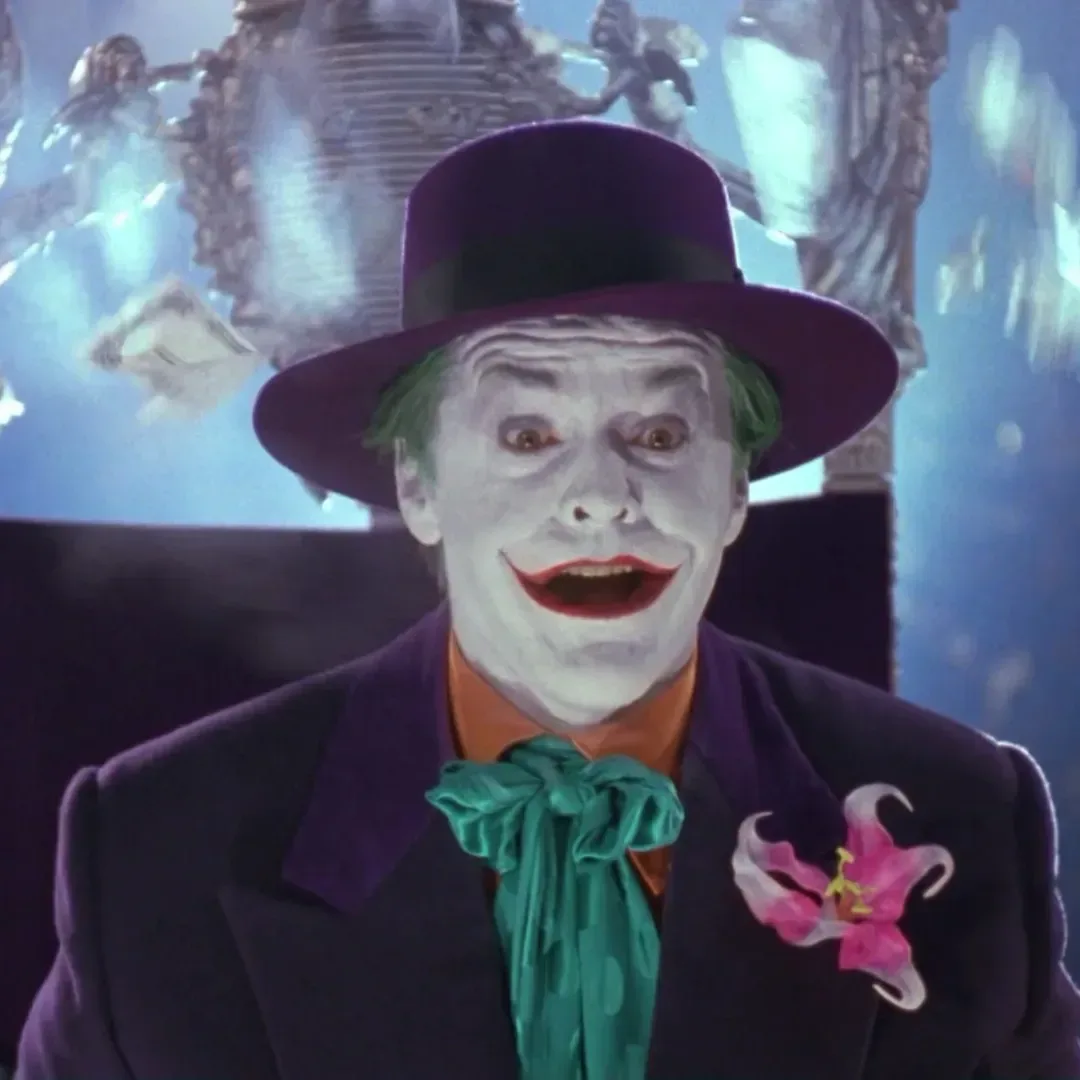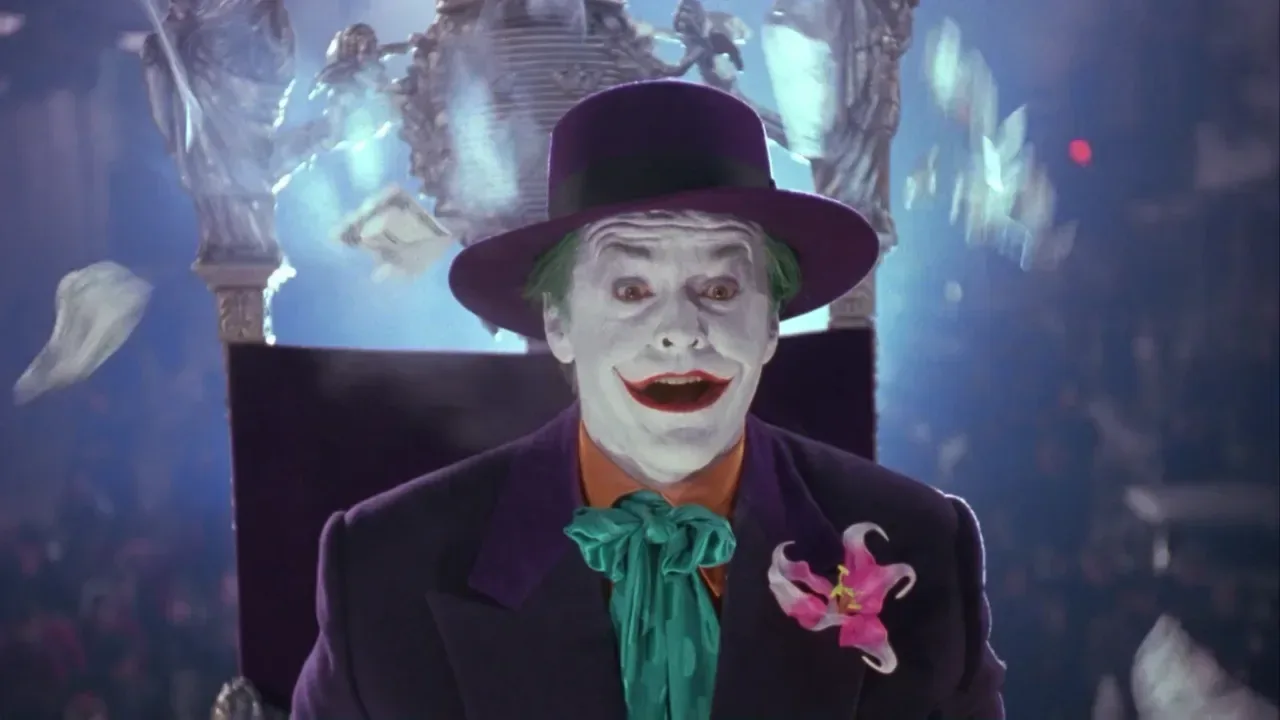
Batman Day is getting a properly theatrical celebration this September, with three sharply different versions of Gotham scheduled to return to participating cinemas over one compact, cape-shaped weekend. Tim Burton’s Batman, Batman: Mask of the Phantasm, and The LEGO Batman Movie are set for theatrical re-releases from Friday, September 18 through Sunday, September 20.
The plan is refreshingly simple: one film per night, one very famous vigilante, and several radically incompatible definitions of how much brooding can fit under a cowl. Participating AMC, Cinemark, and Regal locations are included in the rollout, though local listings at smaller theater chains may also turn up screenings. As with any limited return engagement, the sensible Bat-signal is checking a nearby theater’s schedule rather than assuming every multiplex has reserved a screen for Gotham.
The program begins with Burton’s Batman on September 18. Batman: Mask of the Phantasm follows on September 19, with The LEGO Batman Movie wrapping the series on September 20. It is an unusually broad trio: a landmark live-action superhero spectacle, an animated feature with an enduring reputation among Batman devotees, and a knowingly ridiculous brick-built comedy. The common denominator is Batman. Everything else—from mood to visual language to the acceptable number of jokes about emotional avoidance—changes dramatically.
The Batman Day screening schedule
- Friday, September 18: Batman
- Saturday, September 19: Batman: Mask of the Phantasm
- Sunday, September 20: The LEGO Batman Movie
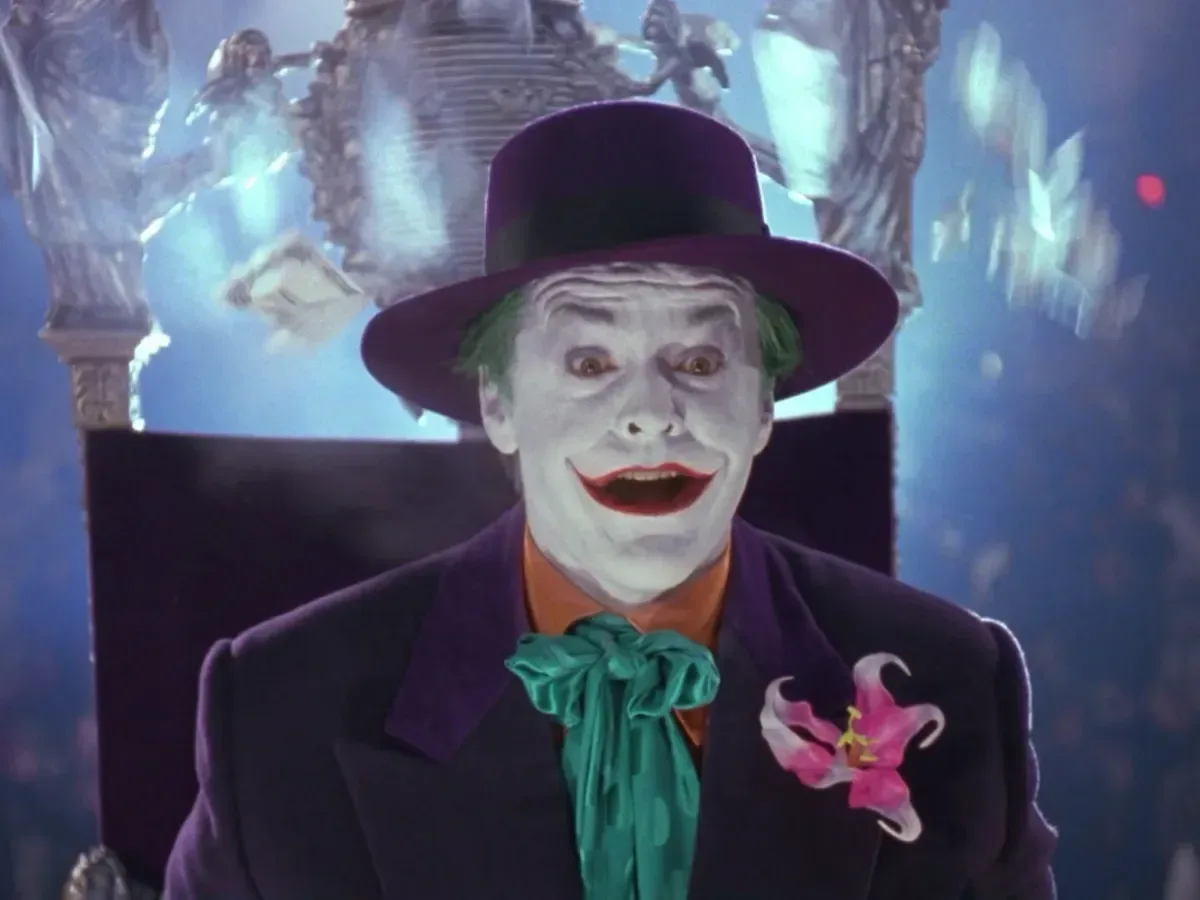
That order makes for a neat, accidental-looking tour through the character’s flexibility. Burton’s film offers the grand, gothic theatrical Batman: a hero built for huge silhouettes, shadowy cityscapes, and a score that seems designed to announce every entrance from several blocks away. Mask of the Phantasm shifts to animation while retaining the character’s darkness and emotional weight. Then The LEGO Batman Movie takes the mythology, recognizes every inch of its inherent absurdity, and builds a comedy out of the fact that Batman is still Batman even when everyone is made of plastic bricks.
For moviegoers who mostly know the character through current franchises, streaming libraries, games, or a shelf that is one limited-edition statue away from requiring structural engineering, it is a chance to see how much tonal territory the Batman name can cover. These are not three installments that merely vary in actor, villain, or sequel number. They are three distinct approaches to an icon who has spent decades surviving reinterpretation precisely because the central idea can stretch without snapping.
Why the Burton film remains a major big-screen draw
Many viewers have encountered Burton’s Batman before, whether through home viewing, repeat television airings, clips, or the cultural afterimage it has maintained for years. But a cinema presentation changes the scale of an older blockbuster. The architecture feels larger, the soundtrack gets room to fill, and the stylized Gotham atmosphere has a chance to do the work it was built to do: make the world feel slightly unreal, slightly menacing, and entirely unsuitable for a quiet walk home.
A re-release is not the same thing as discovering an unseen film, of course. It is closer to revisiting a familiar piece of pop culture in the format that gives its production design, sound, and larger-than-life mood the most space. That is part of the appeal of theatrical revivals generally. They turn an individual title into an event and give audiences a reason to share a movie that may otherwise live as a thumbnail between hundreds of other thumbnails.
That renewed interest in a physical, communal presentation has an obvious parallel with the broader pull of tangible media. As recent discussion around physical games, CDs, and vinyl shows, convenience has not erased the appeal of experiences and formats people can actively seek out, revisit, and share. A movie ticket is not a permanent collectible, but a revival screening can still make a familiar work feel newly situated in time and place.
Mask of the Phantasm is the weekend’s essential rediscovery
If there is one selection in this three-film run that may feel most like an opportunity, it is Batman: Mask of the Phantasm. The animated feature did receive a theatrical release in the 1990s, but it did not become the kind of theatrical touchstone that every audience member could reasonably be expected to have seen in a cinema. That makes this return especially notable for fans who know its reputation but have never had a chance to watch it on a large screen.
The film is regularly held in especially high regard within conversations about Batman on film. Its placement here also gives the weekend a real sense of range. Animation is sometimes wrongly treated as a side route or a smaller lane next to live-action superhero movies. Yet a Batman story does not need live performers to deliver mystery, melancholy, high stakes, or a formidable vision of Gotham. For viewers who have only absorbed the film through recommendations, rankings, or determined friends insisting that it absolutely belongs on the watchlist, this is a rare chance to take that recommendation somewhere with stadium seating.
There is also something fitting about Phantasm occupying Saturday, the central spot in the lineup. Burton’s Batman may be the immediately recognizable gateway for a wide audience, while The LEGO Batman Movie offers a buoyant final-night option. Between them sits a feature whose theatrical history was more limited, but whose standing with fans has only made the prospect of a big-screen revisit more appealing.
LEGO Batman closes the weekend in a very different key
The LEGO Batman Movie arrives Sunday with the impossible task of being a Batman movie that understands Batman intensely while also refusing to let him get away with taking himself too seriously. It brings a lighter, comic counterweight to the Friday and Saturday choices without stepping outside the character’s enormous cultural footprint.
That difference matters. A themed theatrical weekend can become repetitive if every entry is chasing the exact same atmosphere. This selection instead lets audiences move from Burton’s imposing live-action vision to an animated drama and then to a gleefully self-aware comedy. It is a miniature Batman syllabus, except nobody has assigned homework and the final unit is likely to be considerably louder.
Families, animation fans, and viewers looking for a more playful Gotham experience have a clear entry point on September 20. Meanwhile, longtime Batman followers can treat it as a reminder that the character is durable enough to support both operatic darkness and a story willing to poke fun at a billionaire who insists solitude is a personality.
No Dark Knight trilogy theatrical marathon this time
Past Batman Day periods have included theater playdates for Christopher Nolan’s Dark Knight trilogy, but that does not appear to be part of this year’s cinema schedule. Fans looking for those films are not entirely shut out: TNT is set to air the trilogy on September 19, and the movies are also available to stream on HBO Max.
The distinction is useful for anyone mapping out their Batman Day plans. The theatrical weekend is focused specifically on the Burton film, Mask of the Phantasm, and The LEGO Batman Movie. The Nolan trilogy remains part of the wider viewing conversation, just through television and streaming rather than this particular run of theater screenings.
What is next for Batman on the big screen
Batman’s next major theatrical adventure remains further down the road. The Batman Part 2, starring Robert Pattinson, is officially filming through the remainder of the year and is scheduled to reach theaters in February 2027 after a lengthy period of production delays.
Story specifics and the film’s villain lineup have not been revealed. Sebastian Stan has been widely rumored and speculated to be connected to Harvey Dent/Two-Face, but that remains unconfirmed. Until more concrete details emerge, the September program offers something more immediate: three existing versions of the character, each with its own claim on what a Batman movie can be.
For one weekend, audiences can choose their preferred Gotham—or make an extremely defensible case for seeing all three. Start with gothic spectacle, continue with animated noir, finish with plastic-brick therapy. Batman has faced worse schedules.