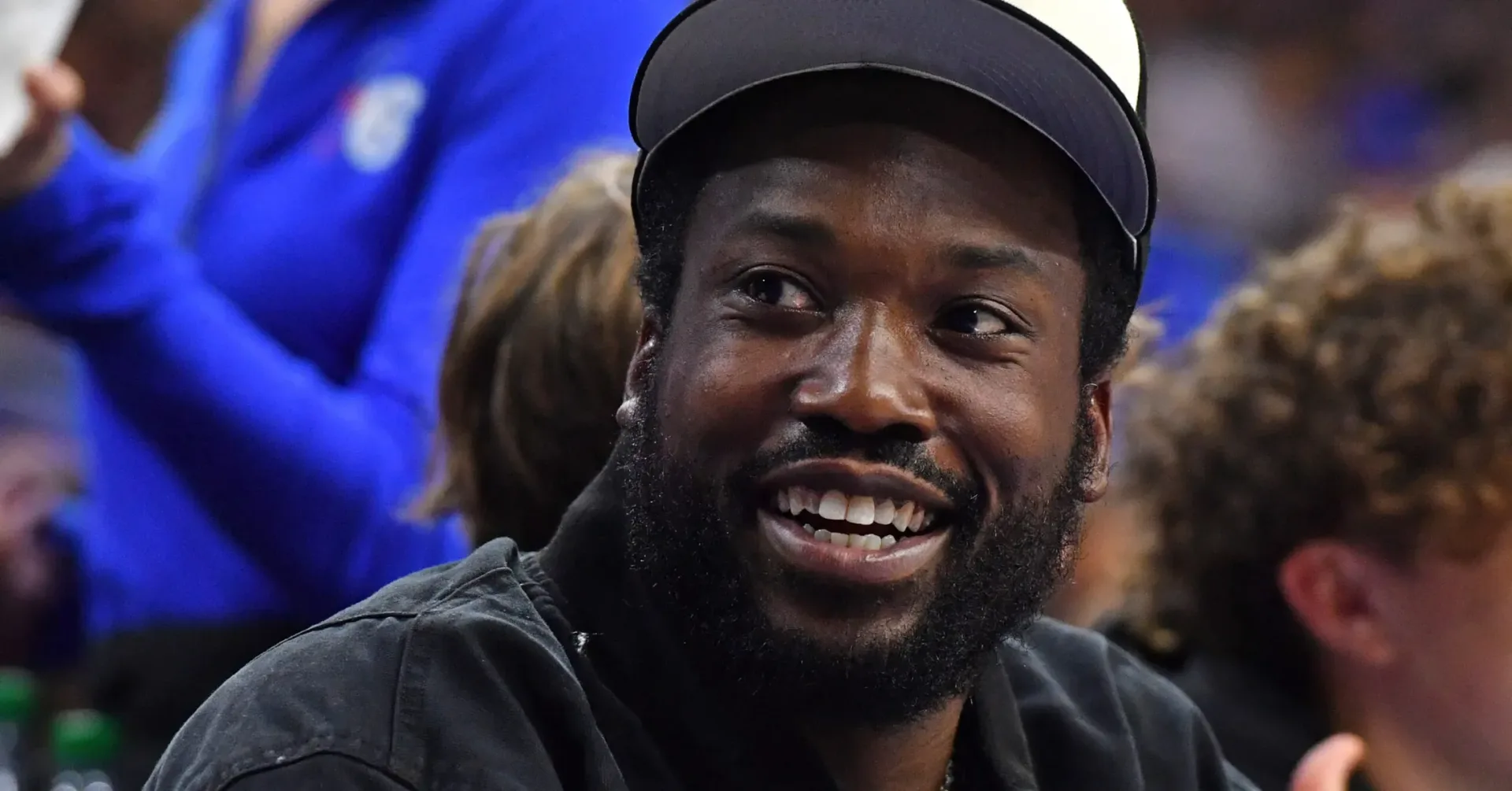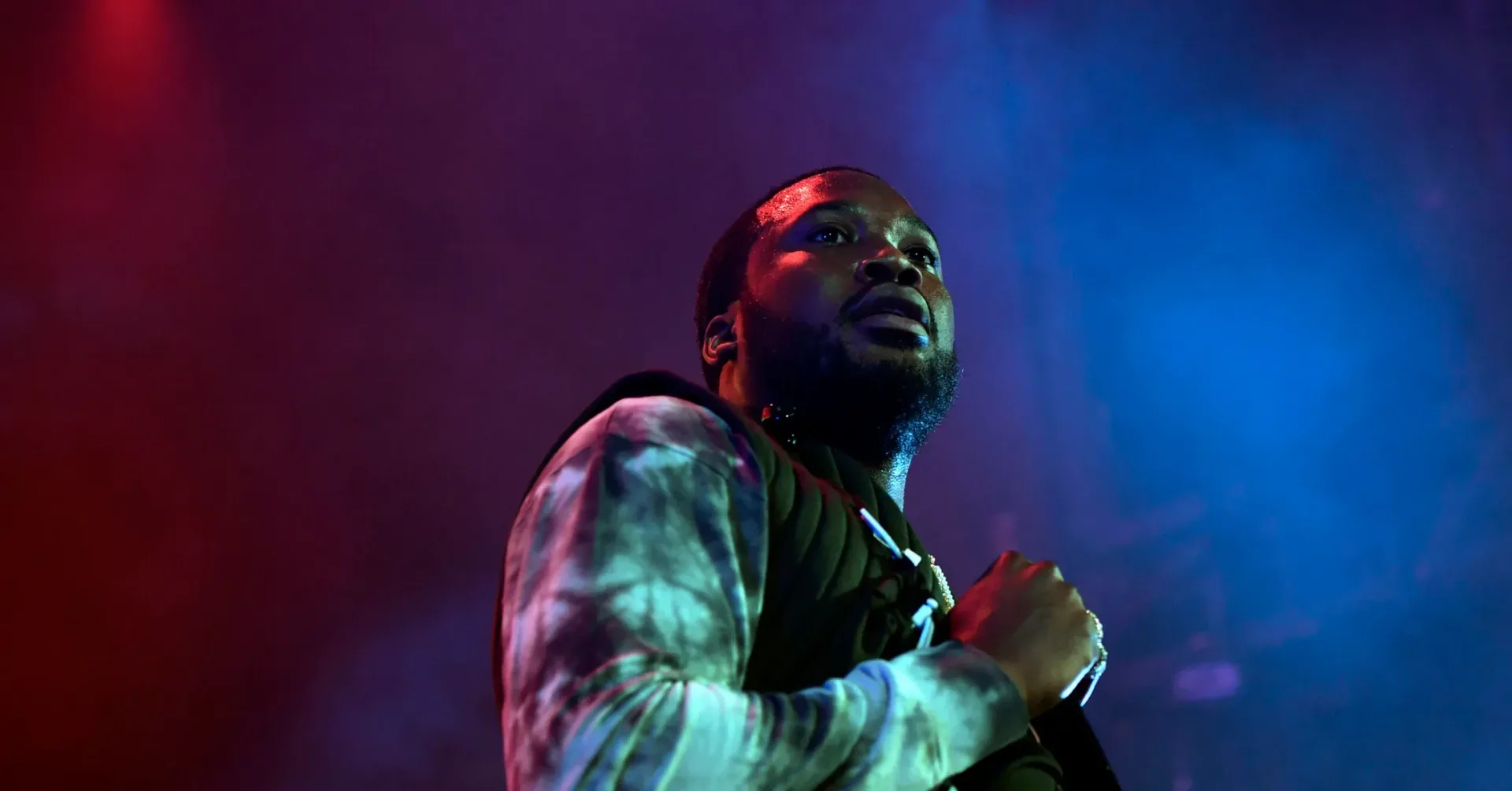
Meek Mill has put a precise timetable on a very large live-music claim: the Philadelphia rapper says 45 days of promotion would be enough for him to sell out either Madison Square Garden or Barclays Center.
Posted on X on October 15, the statement did not amount to a concert announcement, a ticket onsale, or a confirmed New York date. It was a declaration of confidence about what Meek believes his audience can do with a month and a half of advance buildup. That distinction matters. The question is not whether fans can buy tickets this week; it is whether a concentrated campaign could convert interest into a full arena crowd.
It is also the kind of claim guaranteed to draw a split response online. One reply questioned why Meek makes what it characterized as unprompted proclamations. Another pushed back, arguing that he has sold out both venues before. Neither reaction settles what would happen now, but together they capture the argument around the post: past accomplishments, present-day demand, and the limits of judging either one from social-media engagement.
Why these two rooms make the statement notable
Madison Square Garden is in Manhattan and Barclays Center is in Brooklyn. Both are prominent New York arena stops, so naming either venue turns a general boast about popularity into a concrete proposition. Meek did not frame the challenge as filling a smaller room or appearing as part of a multi-act event. He identified two major venues and attached a 45-day promotional window.
That makes the claim easier to understand, even if it cannot be verified unless a show is actually announced and put on sale. A sellout, in this context, means the available ticket inventory for a specific performance is exhausted. It is not simply a synonym for visibility, cultural relevance, streaming attention, or a loud online reaction. Those things can help bring people to a ticket page, but they do not themselves establish how many people will complete a purchase.
The difference is especially important because arenas are not abstract scoreboards. A live date is a package: a city, a room, a night, a price structure, a promotional plan and an artist’s current reason for asking fans to show up. A familiar name can be central to that package without being the only variable.
What “45 days of promotion” actually implies
Meek’s time frame is roughly a month and a half, not an overnight sellout claim. Promotion is the work of making potential buyers aware of a show and giving them reasons to act before the performance date. The supplied context identifies marketing as one factor in arena demand, alongside timing, ticket pricing, new music, guest appearances and local interest.
In practical terms, 45 days gives an artist and their team a defined period in which to build anticipation. But it does not erase the factors that determine whether anticipation becomes attendance. An attractive date can meet a crowded entertainment calendar; prices can affect which fans decide to purchase immediately; a new release can create fresh attention; and a special guest can change how audiences perceive the event. Each factor can matter without guaranteeing the outcome.
Related coverage includes Meek Mill Says He Can Sell Out MSG or Barclays With 45 Days of Promotion.
That is why a claim about promotion is different from a claim about automatic demand. Marketing may communicate the event, concentrate attention and remind listeners of an artist’s catalogue. It cannot be evaluated in isolation from the show being marketed. A 45-day campaign for one particular date, with one ticket setup and one lineup, would be a test of that specific proposition—not a permanent, universal ranking of an artist’s stature.
Promotion is not the same as proof
There is a temptation to treat a viral post as either decisive support or decisive refutation of Meek’s confidence. It is neither. The post tells us that he believes he could make the arena play work on that schedule. It does not establish an event, disclose a venue configuration, identify ticket prices, reveal a lineup, or provide sales data.
Likewise, debate in the replies offers a signal of fan investment, but it is not a box-office report. Supporters can cite prior sellouts as evidence of what Meek has achieved; skeptics can argue that a public declaration has not yet been matched by a newly announced date. Both positions concern different things. One looks backward at history as described by fans, while the other waits for a current, measurable outcome.
The cleanest reading is therefore a narrow one: Meek Mill has expressed confidence that he can sell out one of two major New York venues with 45 days of promotion. Whether that confidence is eventually tested remains unknown.
The booking-rate discussion around the post
The arena statement arrives after online back-and-forth involving DJ Akademiks. In that discussion, Akademiks alleged that he had inside information about Meek’s performance booking rate and claimed that festival organizers were unwilling to use him as a headliner because he was seeking $300,000 for appearances at festivals such as Rolling Loud.
Those are allegations and claims made in a public dispute, not independently established booking records. No confirmed festival offer, contract, fee agreement, or headlining decision is provided here. Treating the allegation as fact would overstate what is known.
Still, the dispute helps explain why Meek’s arena remark became a wider conversation about value. A booking rate is the amount an artist seeks or receives to perform. It is related to live-market demand, but it is not identical to ticket sales. Festivals and solo arena shows are different propositions. A festival booking places an artist inside a larger event with other performers, while a solo headline date puts the central responsibility for drawing an audience on the billed act and the event package around them.
That difference does not prove one format is easier or harder in every circumstance. It does mean that claims about a festival fee and claims about selling out an arena should not be collapsed into the same metric. They can contribute to the same public debate about stature, but they measure different business arrangements and different audience decisions.
Arena status is always tied to the moment
One useful takeaway from Meek’s post is that popularity is not static. The factors named in the discussion—tour timing, pricing, marketing, new music, guests and local interest—can shift during a year. A performer may attract a different response depending on what else is happening, what their audience is currently focused on, and how the date is presented.
That is why “could sell out” is inherently a conditional phrase. It implies a potential outcome, not a result already on the board. Meek has supplied one of the conditions he considers sufficient: 45 days of promotion. But a real-world test would require the remaining details that have not been announced.
For fans, the meaningful indicators would be straightforward if a date arrives: which venue is selected, when it takes place, how the show is billed, what the ticket offering looks like, and whether available inventory actually sells through. Until then, the public has an assertion rather than an event.
Meek’s confidence also fits an ongoing argument in rap and pop culture about how artists should be measured. Sales, streams, venue size, performance fees, festival placement and fan discourse are often thrown together as if they offer a single, simple answer. They do not. Each captures a different part of the relationship between an artist, a promoter and an audience.
For a related perspective on the pressures of chasing current signals in music, see Nas’ call to reject trend-chasing and remember music’s foundations.
What happens next is the real test
There is no confirmed Madison Square Garden or Barclays Center show attached to Meek Mill’s post at this point. As a result, it would be premature to call the prediction validated or disproven. The statement has succeeded at one immediate task, though: it has put a sharp, understandable benchmark into the conversation.
Rather than saying only that he remains a major draw, Meek gave fans a pair of venues and a promotional deadline. That specificity invites scrutiny, but it also gives the discussion useful boundaries. If an announcement follows, the focus can move from argument to observable details. If it does not, the post remains what it is now: a confident claim about Meek Mill’s ability to rally a New York crowd.