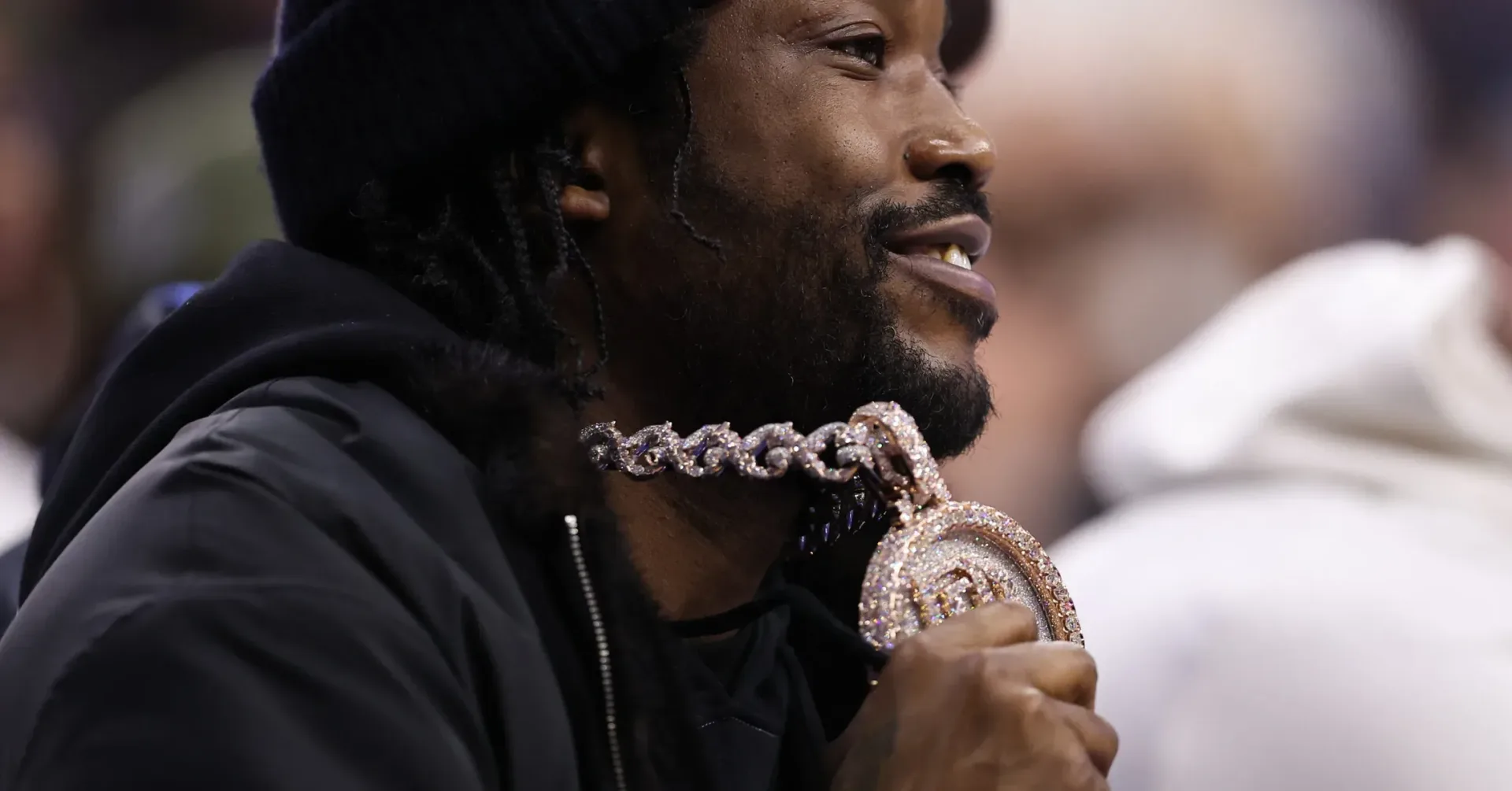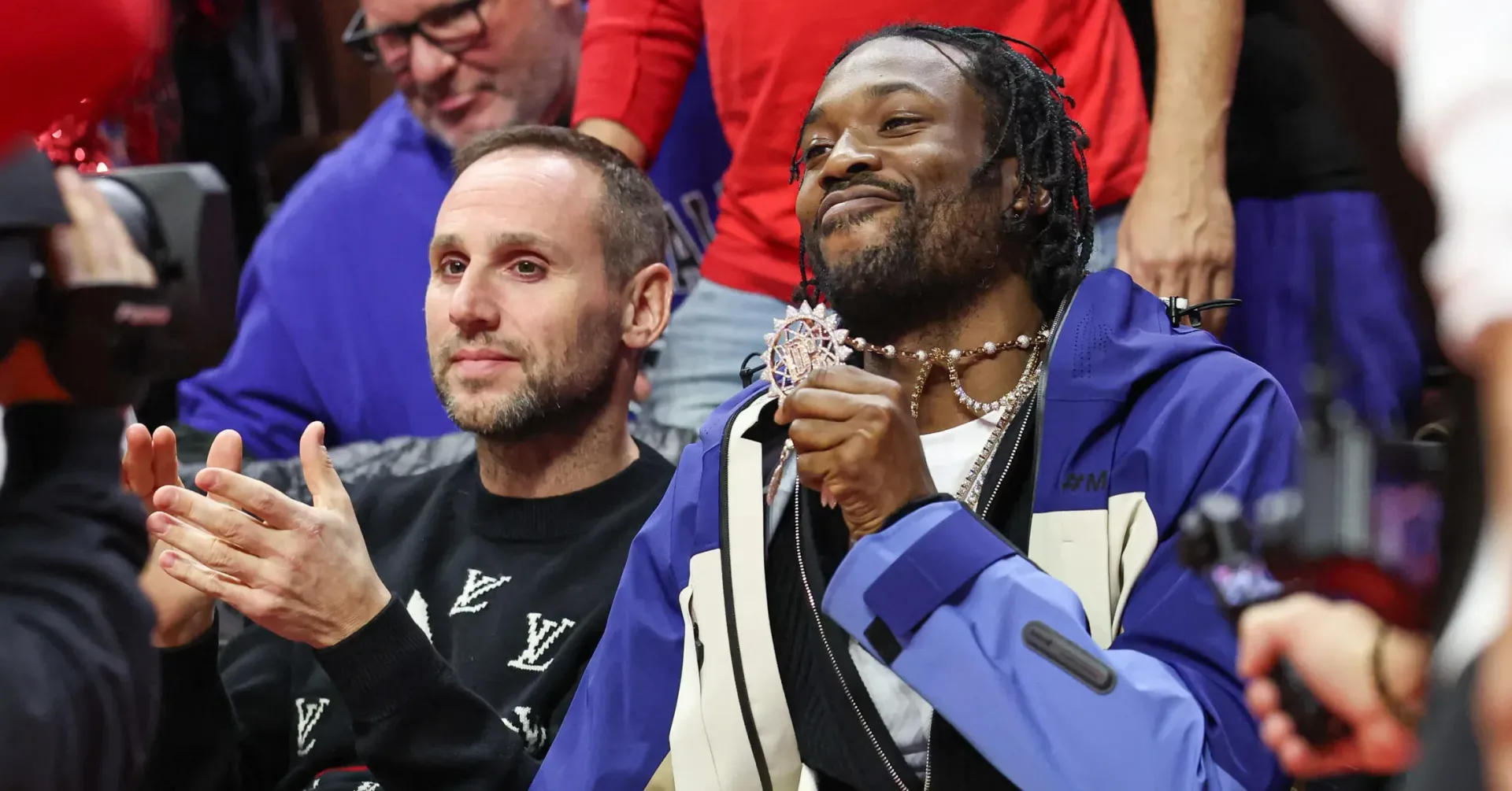
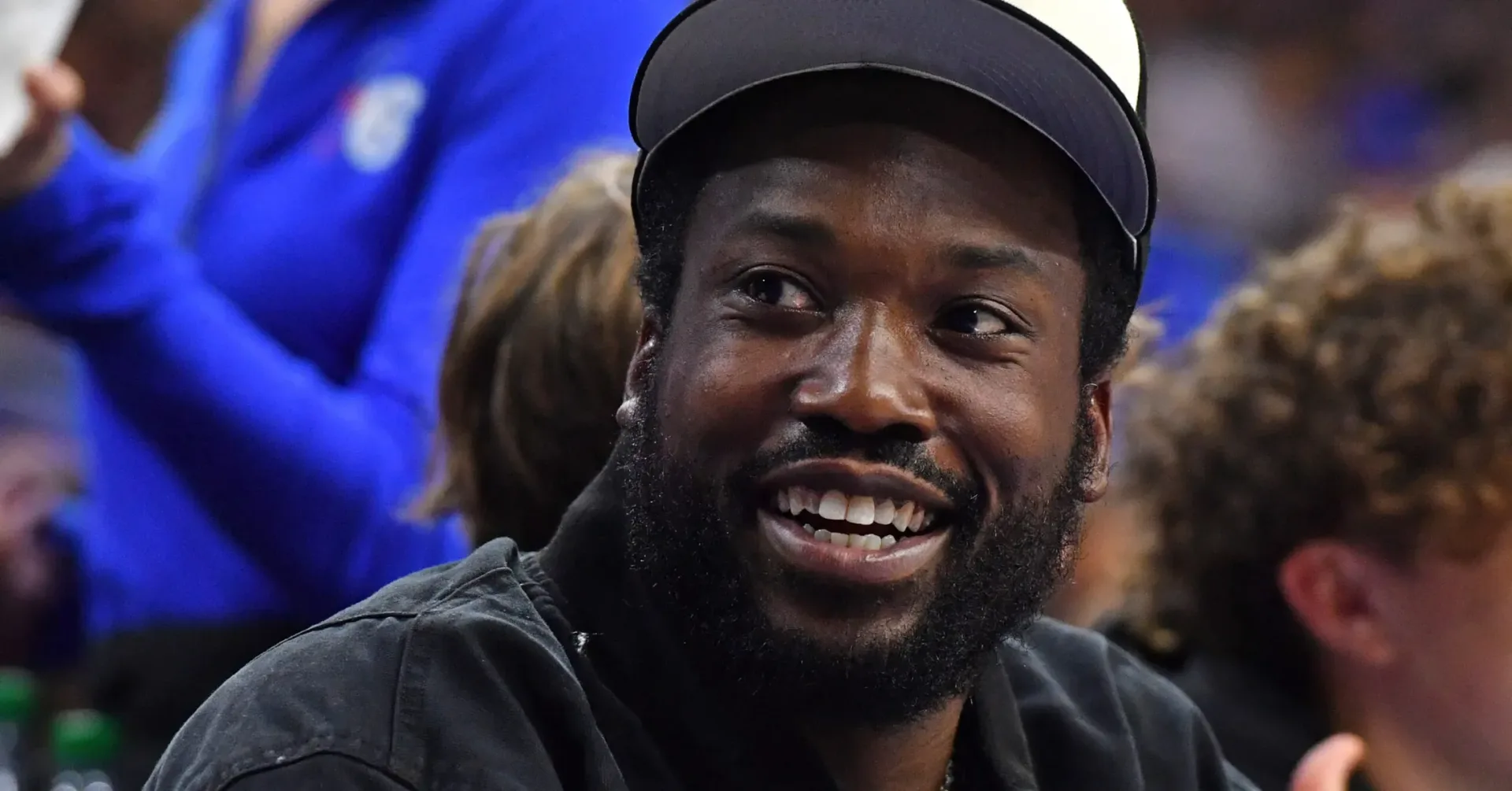
Meek Mill’s dissatisfaction with his Live Nation arrangement has turned into a wider public argument involving DJ Vlad and Adam22. The immediate dispute is not simply about a sharp exchange on social media: it centers on competing interpretations of why Meek says he wants out of his deal and why he believes his ability to tour has been limited.
Meek has said he wants to leave the Live Nation contract, arguing that the company has not taken him seriously and has held back his touring opportunities. Those are Meek’s assertions about the relationship; the available information does not establish the terms of the agreement or provide documentation resolving the disagreement.
DJ Akademiks publicly offered a different explanation, claiming that Meek accepted a tour advance during the COVID period and that Live Nation had not yet recouped that money. DJ Vlad expressed a similar view on X, characterizing the situation as someone borrowing money and then creating reasons not to repay it.
That framing drew an angry reply from Meek in a since-deleted post. He said he would spit in DJ Vlad’s face if they met and accused Vlad of playing with Black culture and Black trauma. The post used confrontational language and made the disagreement personal, moving it well beyond the underlying business question.
What the dispute is actually about
At its center, this is a disagreement over interpretation. Meek’s position, as presented publicly, is that a Live Nation contract has limited his ability to tour and that he wants a way out. The counterargument from Akademiks and DJ Vlad is built around an alleged unrecouped advance.
An advance is money paid to an artist before the business activity it is connected to generates its expected revenue. In a touring context, it can provide upfront funding or guaranteed compensation. Recoupment generally means the company seeks to recover that advance from later earnings under the terms of the deal. But that basic definition does not tell the public what Meek’s own agreement requires, whether the claim about an advance is accurate, or how any accounting would be calculated.
That distinction matters. An outside commentator’s explanation may sound straightforward, especially when reduced to a debt analogy, but contracts can contain specific conditions about performances, scheduling, expenses, promotion, cancellations and other obligations. None of those details have been made available here. As a result, it is more accurate to describe the advance-and-recoupment account as a public claim made by commentators, rather than a verified explanation of Meek’s contractual position.
A public business complaint becomes a personal exchange
DJ Vlad’s brief post supplied the spark for the escalation. Meek’s deleted response was not a direct contractual rebuttal with figures or deal language. Instead, it framed Vlad’s commentary as a form of cultural provocation and warned of consequences if the two met in person.
Related coverage includes Meek Mill Threatens to Spit on DJ Vlad, and Adam22 Weighs In.
Adam22 then entered the conversation to challenge Meek’s threat, writing that Meek would not act if he and Vlad encountered each other. DJ Vlad reposted Adam22’s message. That left the exchange circulating as a three-person social-media conflict rather than a discussion of the original touring dispute.
The split is worth recognizing because it changes what audiences are reacting to. One thread concerns artist independence, touring control and an entertainment-business agreement. The other is a personality-driven confrontation between an artist and media figures. The latter is more likely to travel quickly online, while the former cannot be meaningfully settled without facts that have not been presented publicly.
Why “independence” is part of the backdrop
Meek has been advocating for greater independence and has recently raised several ideas aimed at changing how parts of the music business operate. Alongside the Live Nation criticism, he has discussed a new Grammys concept and a DC Club app. Taken together, those comments suggest that his frustration is broader than one hostile post or one disagreement with a commentator.
Independence in this context should not be treated as a single, fixed business model. It can mean a desire for more control over releases, touring, technology, partnerships, promotion or the institutions that shape an artist’s career. The available material does not specify how Meek defines independence in contractual terms. What it does show is a recurring public emphasis on changing systems he believes are not serving artists properly.
That wider frustration helps explain why the DJ Vlad post landed so badly. To Meek, the remarks appeared to reduce a complicated dispute to a simple allegation that he was avoiding repayment. To his critics, the alleged advance was presented as a practical explanation for the impasse. Neither side’s social posts substitute for the deal itself.
What remains unverified
- The exact terms of Meek Mill’s Live Nation agreement have not been provided.
- The amount, structure or status of any alleged tour advance has not been established by the available information.
- There is no public accounting in the material that shows whether any money is owed, recouped or disputed.
- Meek’s claim that the arrangement has stymied his touring is his stated view of the situation.
These gaps are important because online disputes often reward the cleanest narrative, not the most complete one. “An artist wants out of a deal” and “an artist has not repaid an advance” are both easy ideas to repeat, but they leave out the contract language and financial records needed to judge the conflict responsibly.
The broader cultural angle
Music, media personalities and online platforms increasingly share the same rapid-response ecosystem: a complaint becomes a post, a post becomes a reaction, and a reaction can become the headline. That dynamic can make a legitimate business dispute harder to parse. The most provocative wording becomes the focus, while the original question—what deal was made and how it has affected touring—can fade into the background.
There is also a familiar overlap between hip-hop discussion and gaming culture, where personalities, platforms and audiences frequently cross over. For a separate, deliberately playful look at how quickly chaotic decisions can reshape a story, see GTA 6’s worst getaway lesson. The difference here is that Meek’s situation concerns a real professional dispute, where speculation and threats do not clarify the underlying business facts.
For now, the clearest reading is limited: Meek Mill has voiced strong dissatisfaction with his Live Nation arrangement; Akademiks and DJ Vlad have offered an unverified financial explanation; Meek answered Vlad with a hostile deleted post; and Adam22 publicly doubted that Meek would follow through on the threat. The actual status of the contract remains unresolved in the information available.