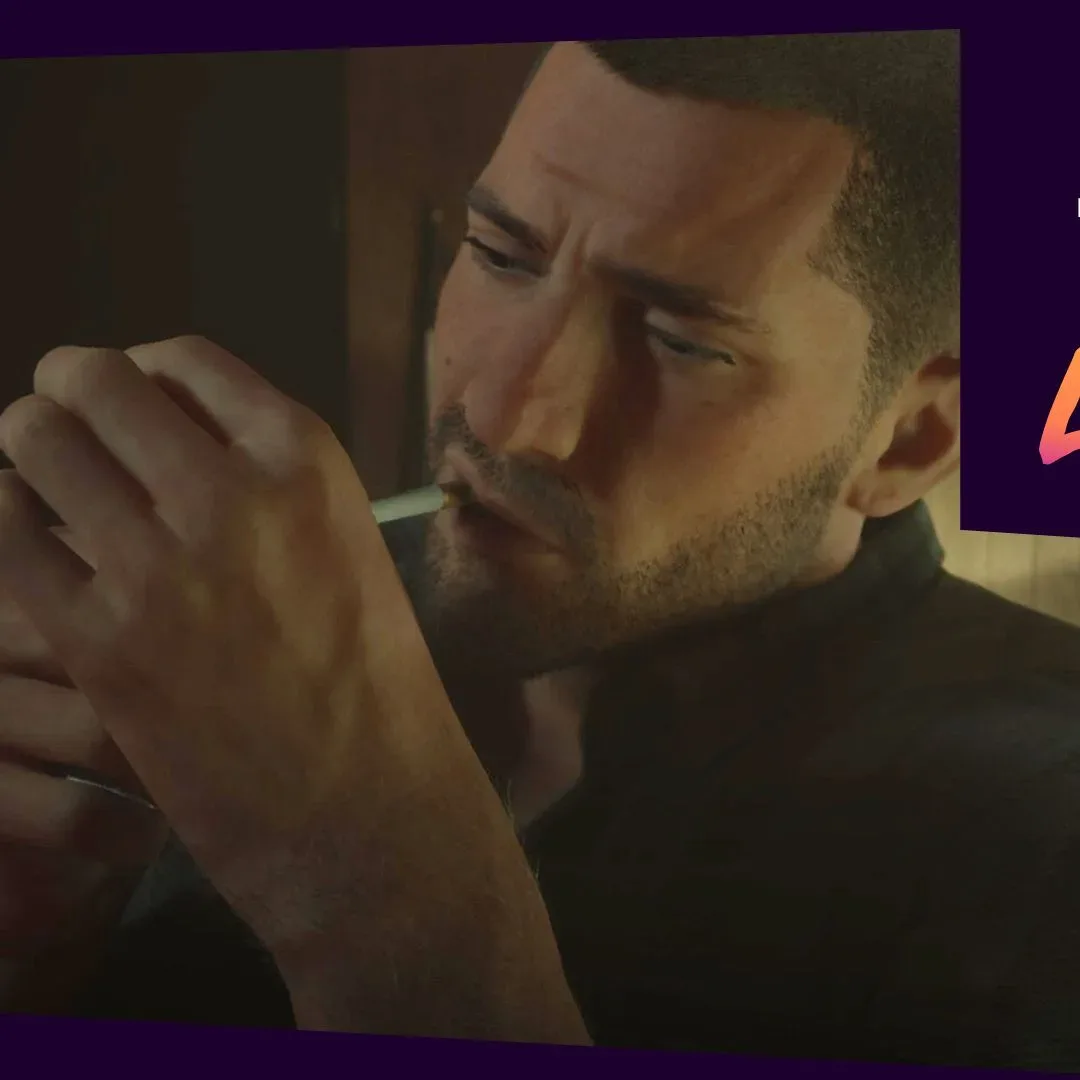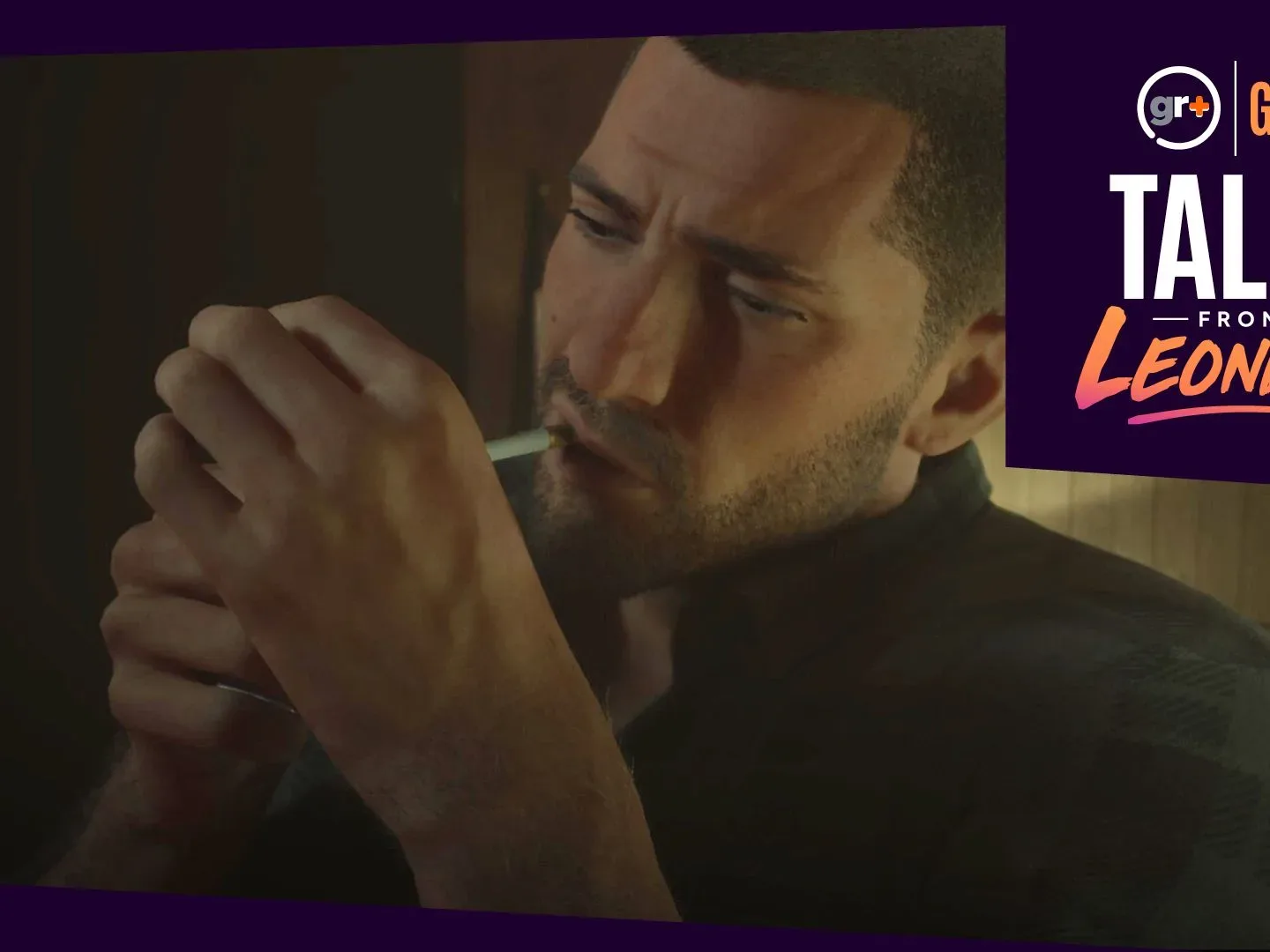
There is a familiar open-world action-game instinct: see a tidy cluster of hostile vehicles, shoot the most flammable-looking part, and enjoy the consequences. In one reported Grand Theft Auto 6 mission sequence, that instinct delivered the immediate result anyone could want—an explosion that cleared out a group of biker gang attackers—but also removed every obvious vehicle needed for the next step of the escape.
The end of the story was less triumphant. With the bikes wrecked or unusable, the player fled toward open water while more enemies arrived, attempted to swim to safety, and was killed by an alligator in Leonida’s murky swamp water. It is an unusually neat demonstration of a basic GTA rule: the thing that wins the firefight is not always the thing that wins the getaway.
A clean explosion can make a messy exit
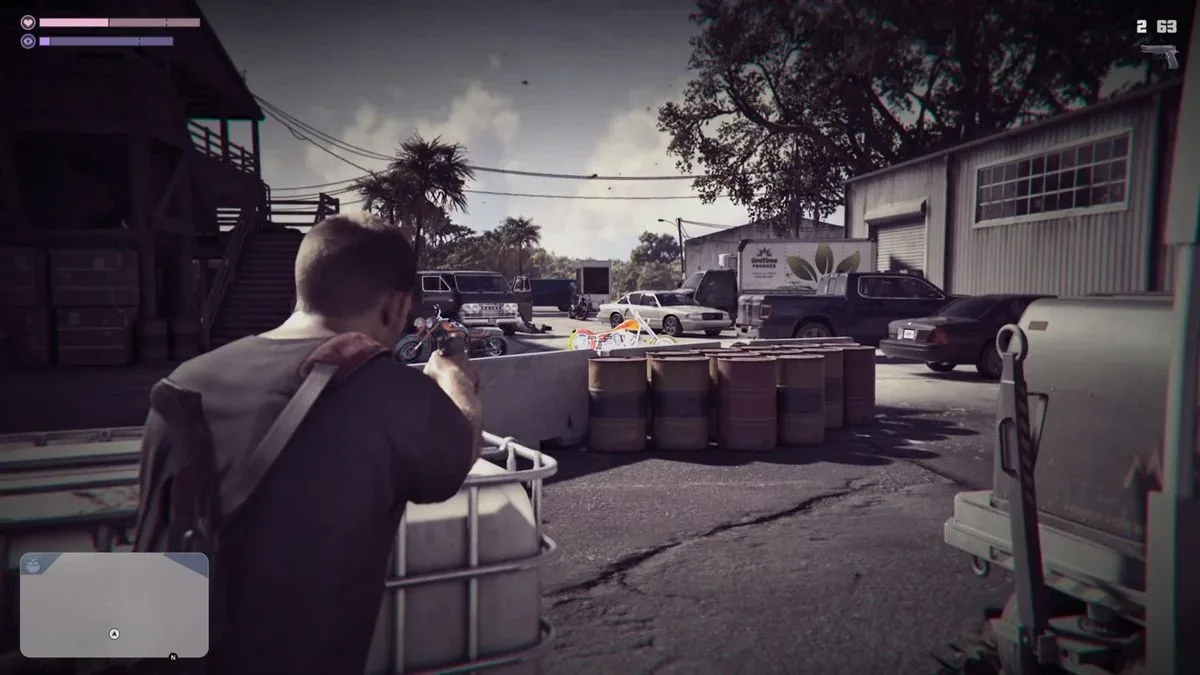
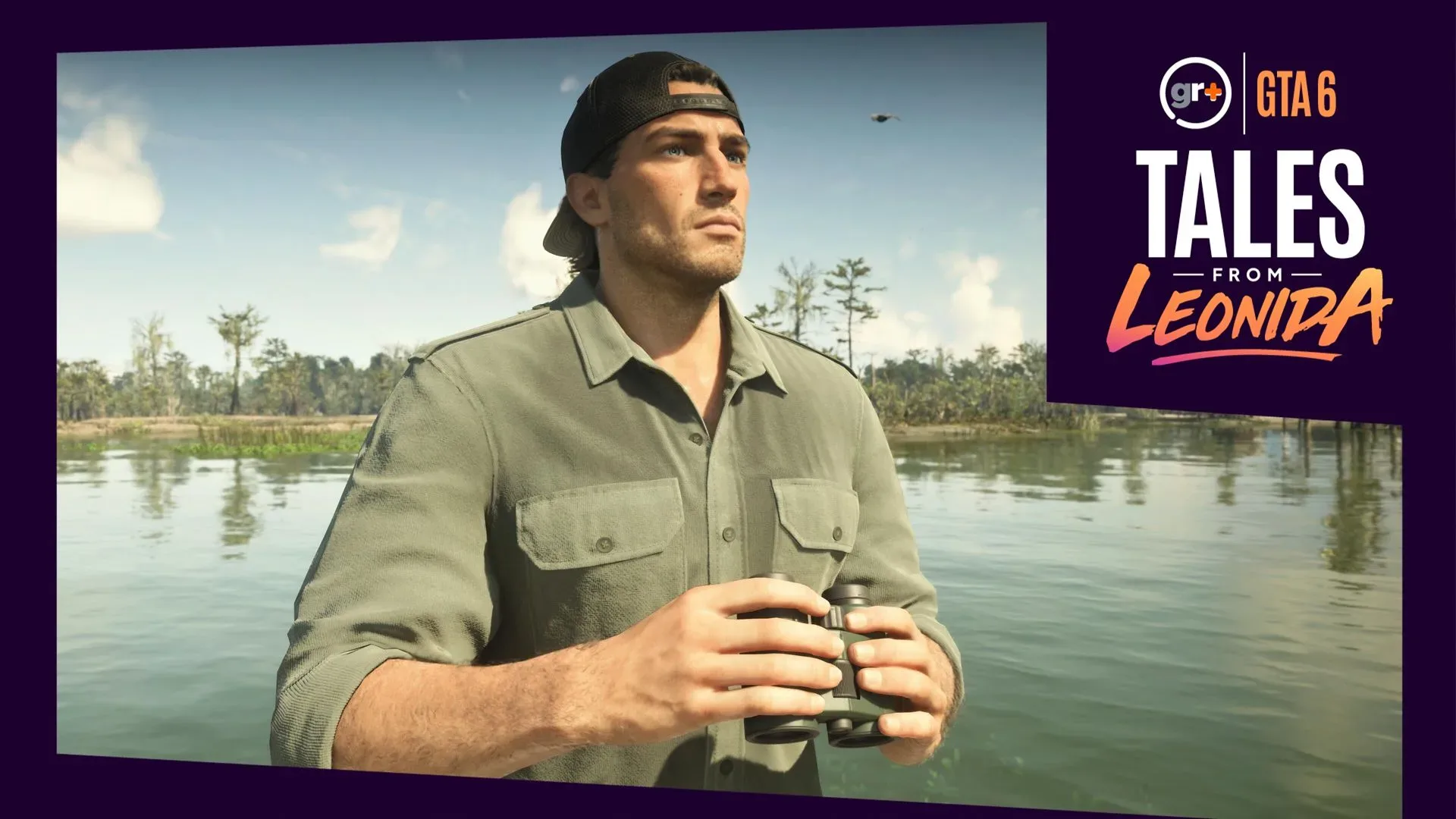
The scenario takes place during a main mission in which Jason is defending Donnie against repeated biker gang attacks. Donnie is bringing a plane around for an escape, while the player holds the ground position under pressure. When another pack of bikers pulls up together, the player uses Focus Mode to target a motorcycle’s engine area and fires until the bikes erupt.
Focus Mode, as described in the account, is used here to concentrate aim on a specific target rather than simply firing into the crowd. That distinction matters. Shooting at an engine is not just an attempt to damage an enemy; it turns the vehicle itself into an area-of-effect hazard. An area-of-effect attack is an action whose result extends beyond one directly targeted enemy—in this case, the blast, fire, and destruction surrounding the bike.
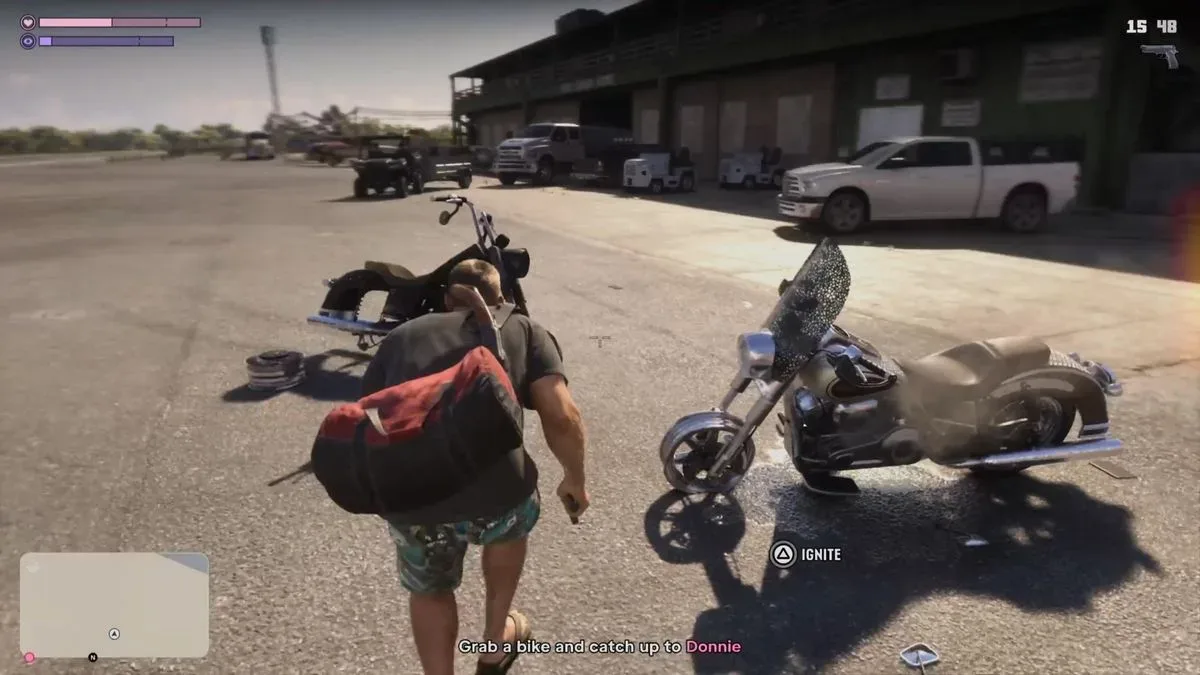
For the moment, the approach works. The blast disperses the immediate threat. But Donnie then calls for the player to take a bike and rendezvous with him on the plane. The available motorcycles have become wreckage: one has a dead engine and another is out of fuel. The player has cleared the path by destroying the transport needed to travel it.
That is the key practical lesson, especially in a mission where combat and extraction happen in the same small area. Vehicles can function as enemy cover, hazards, weapons, or transport. Their role can change in seconds. Before turning a parking lot into a flaming sculpture garden, it may be worth asking which vehicle is most likely to be needed when the objective updates.
Mission survival is more than winning the gunfight
This particular mishap is funny because every decision has a recognizable logic. A crowded enemy approach is dangerous. An explosive chain reaction is fast. A plane is leaving. Reinforcements are coming. Water looks like distance from the fight. Yet the combined decisions leave the character stranded with no ride and no verified route to safety.
The useful takeaway is not “never use explosions.” It is that players may need to preserve an exit option. In practical terms, that means keeping at least one usable vehicle in mind when a mission involves waves of enemies, a moving ally, or a retreat instruction. The report specifically notes destroyed and fuel-less bikes after the blast, which suggests a simple priority order for such moments:
Related coverage includes GTA 6’s worst getaway starts with blowing up the getaway bikes.
- Identify the direction an objective or partner is likely to move.
- Leave one working vehicle between the player and that route.
- Use explosive shots on enemies or vehicles that are not the only remaining transport.
- If the escape plan changes, check available transport before committing to a long run.
None of that guarantees a smooth departure. GTA missions are designed to create escalating chaos, and an ally taking off in a plane while enemies return is precisely the sort of pressure that produces rushed decisions. Still, the difference between “spectacular ambush” and “frantic swim under gunfire” can be one intact motorbike.
Leonida’s water is not automatically a safe route
With the roads no longer offering a solution, the player heads for the nearest waterway. There is no boat, canoe, or other apparent means of crossing. A map check makes Donnie’s position appear close enough to attempt a swim, and bullets strike the water as the character heads out.
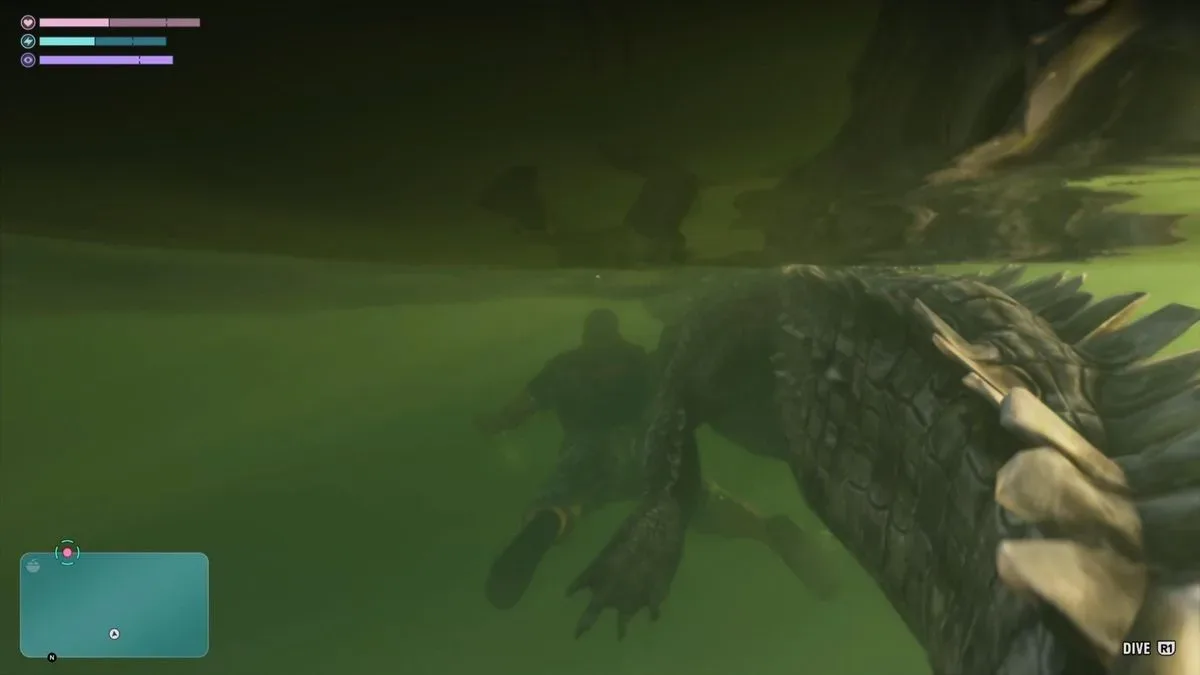
The gunfire eventually fades, seemingly creating a moment of relief. Then an alligator appears and attacks. The attempted response—punching the animal in the face while in the water—does not work. The gator grabs the character and kills him with a spinning attack.
The incident is a reminder that environmental threats can remain active after the immediate combat encounter has ended. Losing enemy attention is not synonymous with reaching safety. In this case, the water solves one problem: it creates separation from pursuing bikers. It immediately introduces another: the possibility of hostile wildlife in a swamp environment.
That matters for route planning. A body of water can look like an elegant improvised shortcut on the map, but its real value depends on what is available at the shoreline and what dangers occupy the route. The reported escape attempt did not include a boat or flotation option, and the swimmer was exposed to both gunfire and an alligator. The shortest visible line to an ally was not the safest route in practice.
What the gator encounter suggests
The account offers a specific caution rather than a complete wildlife guide: do not assume Jason can defeat an alligator in open swamp water, even when he is presented as physically strong. It also shows that the threat can emerge with little warning in low-visibility water.
There is no basis here to claim that every Leonida waterway is equally dangerous, that all alligator encounters work identically, or that swimming is always a losing strategy. This is one player’s outcome in one mission situation. But it is enough to support a conservative approach: if a road vehicle, solid cover, or a confirmed boat is available, it is likely preferable to a blind emergency swim during an active escape.
Why the anecdote is useful beyond one failed mission
Stories of accidental GTA disasters are often entertaining precisely because they expose how several systems collide. Here, the chain starts with targeted gunfire and vehicle explosions, shifts into transportation management, then turns into navigation and animal danger. No individual choice is absurd on its own. The catastrophe comes from treating each immediate problem as if it were the only one.
For players, the broader tactical point is to separate combat efficiency from mission efficiency. Combat efficiency is eliminating the present threat as quickly as possible. Mission efficiency is accomplishing the full objective, including the escape, rendezvous, and survival stages. Blowing up a cluster of bikes can be excellent combat efficiency and terrible mission efficiency if those bikes are the next required tools.
It is also a useful argument for taking a half-second to read the scene. Is an ally waiting in a car, on a boat, or in this case approaching in a plane? Are there hostile vehicles that can be spared? Is the nearby water open and empty, or is it actually a swamp with unknown risk? Those questions are less glamorous than a fuel-tank shot, but they reduce the odds of becoming a cautionary tale.
Players looking for other mission-specific GTA 6 help can also consult our GTA 6 Freddie’s Bunker guide.
The only rule worth taking into the next firefight
Explosions remain useful when enemies arrive grouped around vehicles. They can buy room, reduce pressure, and turn an overwhelming scene into a manageable one. The reported sequence does not disprove that. It simply demonstrates the price of treating every ride as disposable before the mission has confirmed that it is disposable.
So, when the biker gang rolls in, consider saving one bike. If the plan collapses, do not assume the swamp is a harmless shortcut. And if an alligator emerges from the water, it may be wiser to regret the lost motorcycle than to test whether a mid-swim punch can solve the problem.