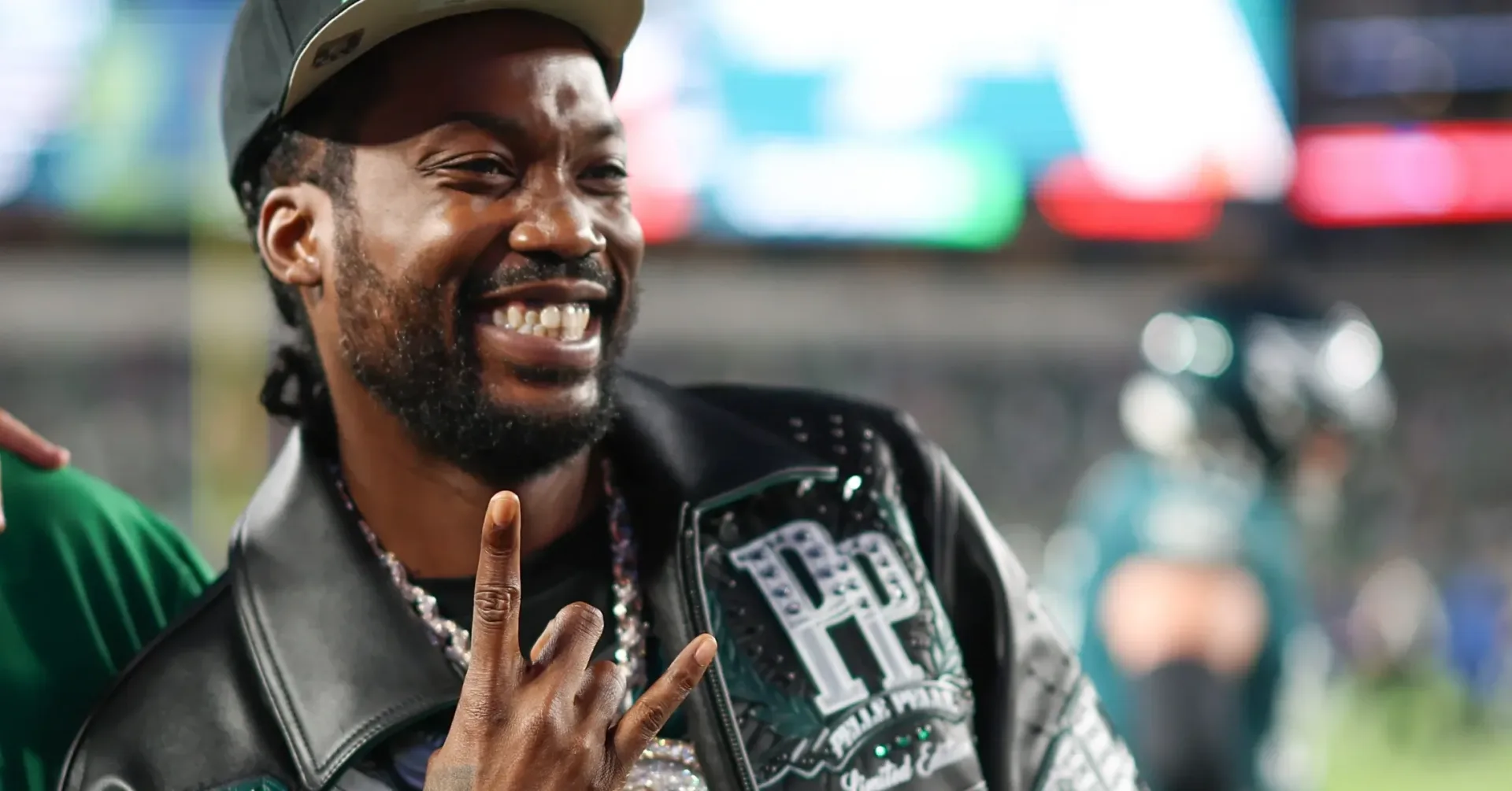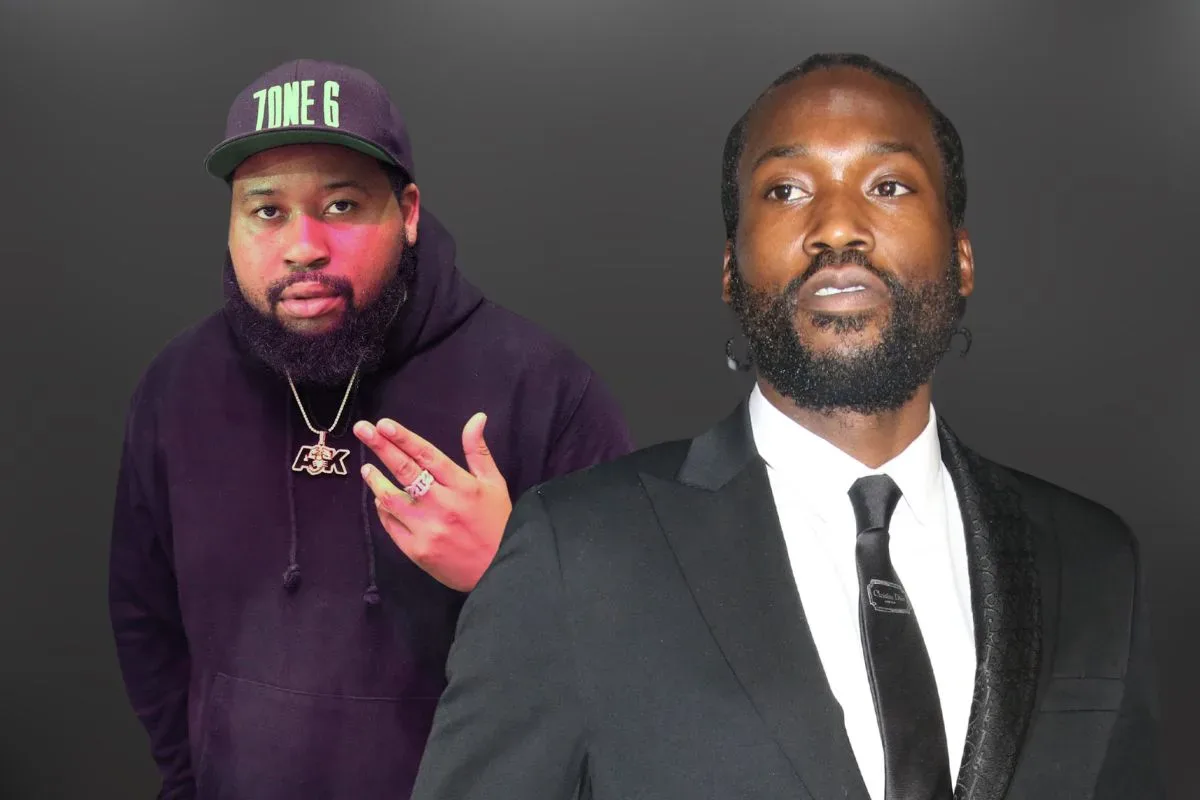
Meek Mill has responded to a weekend leak by putting two tracks on YouTube as music videos: “Philly Heathens” and “Am I Wrong.” He has acknowledged that both songs are leaks, an important detail for anyone trying to read them as a polished statement of his current direction rather than material that may have been left behind for a reason.
The two uploads have produced sharply different reactions. “Philly Heathens” has drawn praise for its focus on street culture and young people being pulled into violence. The greater friction surrounds “Am I Wrong,” a drill-oriented interpolation of Nico & Vinz’s hit of the same name. For listeners attached to the original, Meek’s new version has landed less like an adventurous reworking and more like an awkward collision between a familiar pop refrain and a harder rap framework.
The loudest criticism has been aimed at the hook, where Meek sings. Some listeners have also called the instrumental dated, though reactions suggest the chorus is the main obstacle. That distinction matters: a song can have a workable verse or concept and still lose listeners if its repeated centerpiece feels unconvincing.
What an interpolation means here
An interpolation is a new performance or recreation of identifiable musical material from an earlier song. It is different from simply dropping a piece of the old master recording into a new track, which is commonly called a sample. In this case, the key point for listeners is the recognizable connection to Nico & Vinz’s “Am I Wrong,” not the technical mechanics behind how the track was made.
That familiarity raises the stakes. An interpolation does not arrive with a blank slate: it brings a listener’s memory of the earlier song into every new section. A successful reinterpretation can use that memory as a shortcut to emotion, nostalgia, or contrast. A less successful one can make the gap between the remembered melody and the new performance impossible to ignore.
That appears to be the fault line in the reaction to Meek’s version. The drill framing is not automatically the issue. Drill is a rap style often defined by tense rhythms and a severe, percussive feel; placing a bright, recognizable pop idea over that kind of production can create deliberate tension. But the execution of the sung hook has become the element listeners keep returning to, overshadowing much of what happens elsewhere on the track.
Why the chorus is taking the heat
Hooks do an outsized share of the work in a song. They recur, they tend to carry the title or central melodic motif, and they are often what people remember after one listen. When the source material itself is already widely known, the hook is judged twice: once as its own performance, and again against the listener’s memory of the earlier record.
Several reactions reflect that split. One longtime listener said it was difficult to root against Meek despite following him since the Flammerz and Off The Muscle days, arguing that he can make baffling creative choices. Another said the chorus made them rush to lower the volume. Those comments are harsh, but they are specific: the resistance is not solely to Meek rapping over a recognizable idea. It is primarily about how the refrain is delivered.
There is also a more charitable read. A commenter said the criticism did not fully make sense until the chorus arrived, adding that Meek was otherwise doing his thing. That view treats the song as a track with a discrete weak spot rather than a total misfire. Another group heard a kind of blog-era throwback in the record, suggesting that its rough edges may register as nostalgic rather than purely dated for some listeners.
Those positions can coexist. The verses may connect with fans who want Meek’s forceful rapping and familiar energy, while the chorus asks them to accept a vocal approach they do not find persuasive. Because the chorus returns, it has more power to shape the overall verdict than a solid verse does to rescue it.
Leak status changes the context, not the reaction
Calling a release a leak can explain why it sounds unfinished, old, or unlike a performer’s usual standards. It does not automatically neutralize the response once the track is posted publicly. By uploading both songs as music videos, Meek made them available for listeners to assess as actual pieces of music, even if they were not initially intended to be presented this way.
That is especially relevant for a track built around a famous melodic reference. Listeners generally do not separate every technical question of a track’s history from the immediate experience of hearing it. They respond to whether the beat works, whether the vocal is convincing, and whether the familiar musical idea has been transformed into something worth revisiting.
The available reaction suggests that “Am I Wrong” is being heard as a curious experiment rather than an obvious addition to Meek’s strongest material. The possibility that it is older leaked material provides context for the dated-production complaints, but it does not erase them. Nor does it make the hook’s reception any less central.
‘Philly Heathens’ shows the contrast
The differing response to “Philly Heathens” helps clarify why “Am I Wrong” has become the conversation piece. The former has been praised for lyrics dealing with street culture and the young people who lose themselves to violence. That places attention on Meek’s established strengths as a rapper and storyteller.
“Am I Wrong” instead invites scrutiny of a more melodic decision: adapting a pop hit into a drill song and taking on the hook himself. It is a bigger stylistic swing, and audiences are often least forgiving when a new approach touches a song they already know well. The comparison is not simply between two Meek Mill uploads. It is between what many listeners expect from him and what they believe a beloved prior song requires from anyone reworking it.
For listeners interested in how music nostalgia can shape reception, this is a useful example. A recognizable interpolation can make a new song instantly legible, but it also gives audiences an instant benchmark. The familiar title and melodic association do promotional work before a listener presses play; they also ensure that every perceived mismatch will be noticed quickly.
It remains unclear whether “Am I Wrong” will receive an official streaming release. Its status as leaked material makes that uncertain. For now, it is best understood as a publicly posted leak that has generated a divided response: some hear a throwback-minded oddity with decent rapping away from the refrain, while many others cannot get past the chorus. For more music-and-pop-culture coverage, see Drake’s first live performance of “Ahi” with Karol G in Houston.