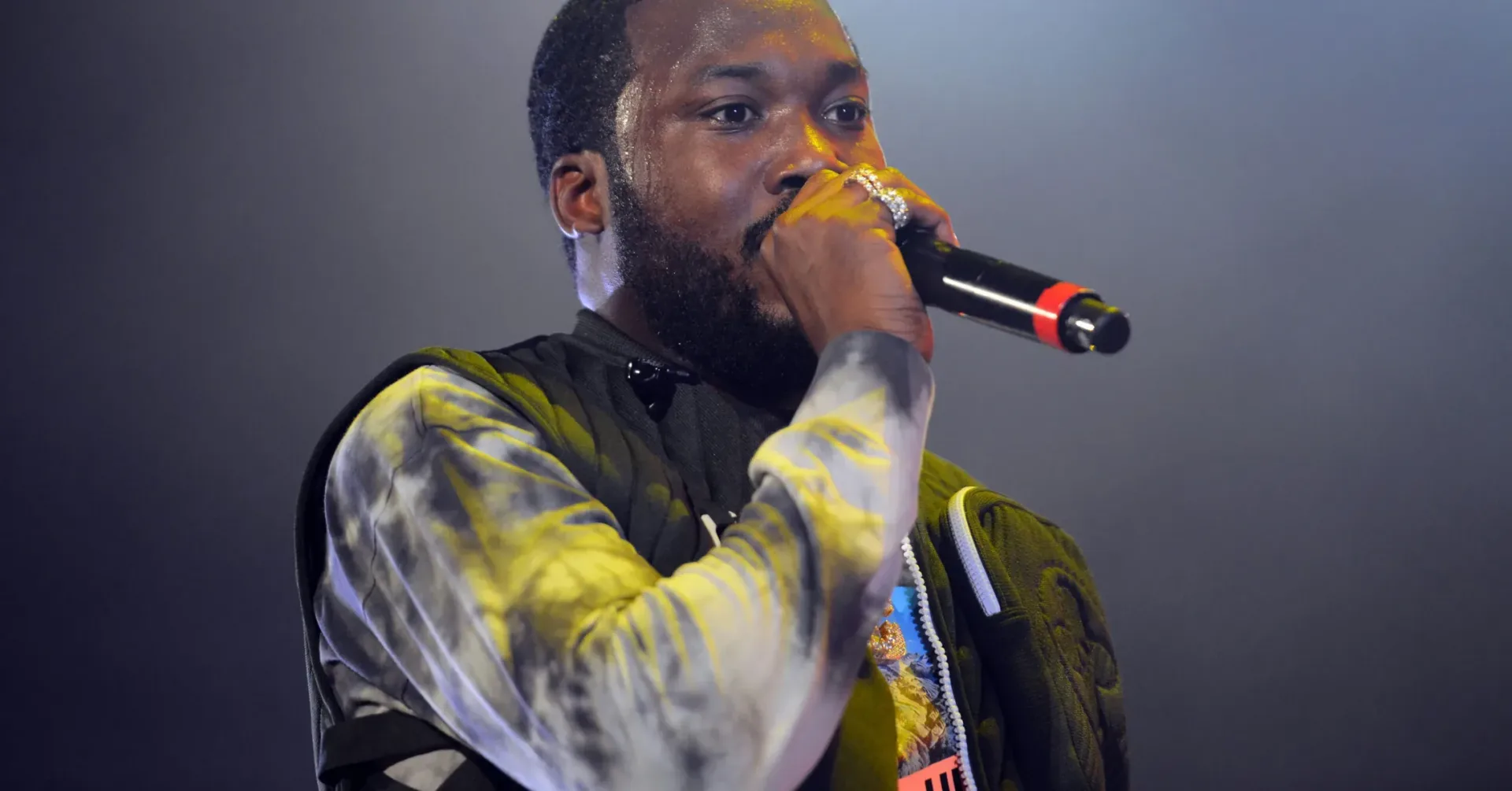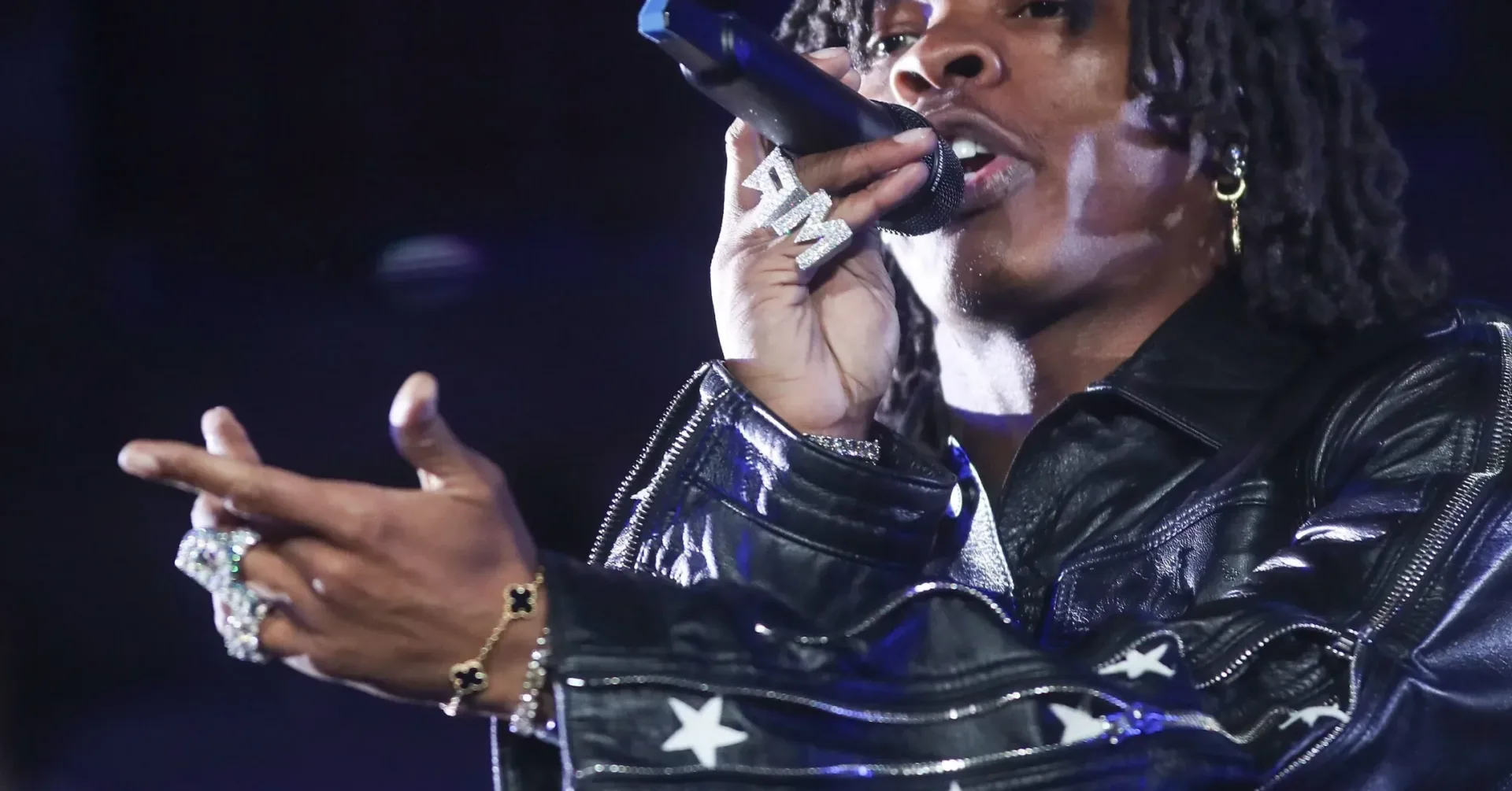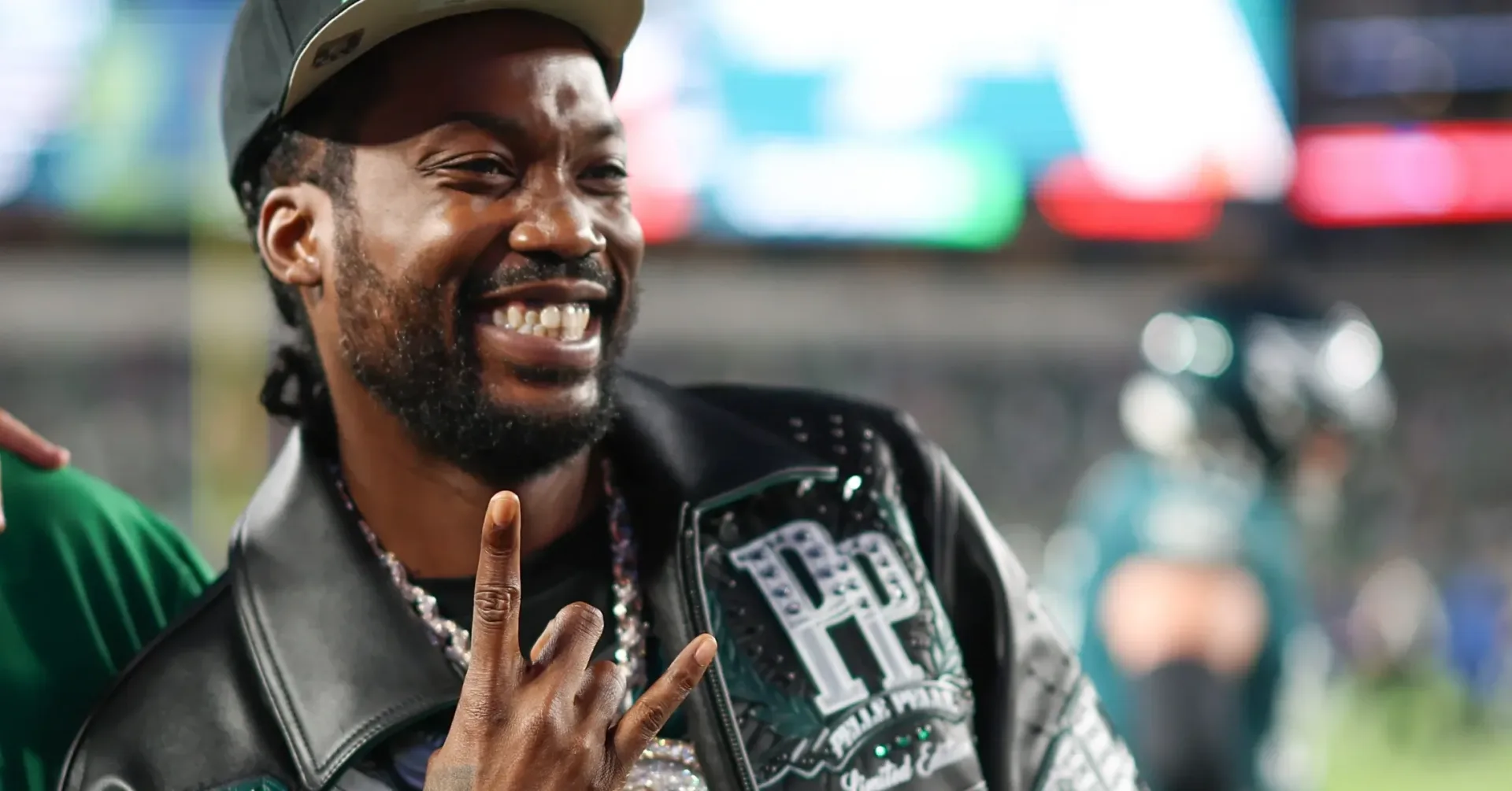
The Voice of the Heroes may have arrived as a Lil Baby and Lil Durk collaboration, but Lil Baby says its earliest sessions were built around a larger idea. In a recent conversation looking back on the 2021 album, he described Meek Mill as an intended third participant in what was initially conceived as a three-artist tape.
The account reframes the album’s origin in a meaningful way. Rather than beginning with two frequent studio partners deciding to formalize an already-established working relationship, Lil Baby says the project grew out of a circle that included Meek Mill. When Meek opted against continuing with the idea, Lil Baby and Durk carried on with the material and the rapport the sessions had created.
“So at first, we was making a joint tape, us three,” Lil Baby said. He recalled that the artists were regularly meeting to record in several places, including Atlanta and New York, and that roughly six songs had been made during that period. Meek, he said, was ultimately not feeling the project and encouraged the other two artists to proceed without him.
A collaboration that apparently was not pre-planned
What makes the story more interesting is Lil Baby’s description of his relationship with Lil Durk before those sessions. The two were cool, he explained, but they were not especially regular collaborators or studio partners. In other words, the eventual duo album was not presented as the result of a calculated search for a collaborator or a pre-existing pair ready to make a full-length statement.
Instead, the prospective three-way project appears to have supplied the setting where the Baby-and-Durk creative partnership took shape. Lil Baby said that he and Durk were “really only” participating in the original effort because of Meek. Once Meek removed himself from the process, the work already done did not disappear; it became a foundation for a different album.
That distinction matters because a collaborative album is more than a collection of guest appearances. A feature normally places an invited artist on one song belonging primarily to another performer. A joint album asks its credited artists to sustain a shared identity across an entire release: matching moods, deciding whose voice carries each record, and turning individual sessions into a coherent body of work. Lil Baby’s recollection suggests that The Voice of the Heroes developed organically as those decisions began to happen between him and Durk.
The original possibility also connected three major rap voices associated with Atlanta, Chicago and Philadelphia. Those geographic labels should not be treated as a substitute for each artist’s individual approach, but they help illustrate why the concept had obvious appeal. A three-artist project could have made room for a broader rotation of perspectives and delivery styles. It also would have required a different balance: three central voices must share more space than two, and songs have to make the trio feel necessary rather than simply crowded.
None of that means the released version should be viewed as incomplete. The key takeaway from Lil Baby’s comments is not that an established album was missing a promised appearance. It is that the album’s path changed early, before its eventual two-artist identity had solidified. Meek Mill stepping away was, by Lil Baby’s telling, a turning point that gave the other two artists a reason to become genuine collaborators.
Related coverage includes Lil Baby Says Meek Mill Was Initially Part of The Voice Of The Heroes Plan.
From informal sessions to a defined duo
Lil Baby’s recollection places ordinary studio momentum at the center of the story. He described artists pulling up to record, including sessions at James Harden’s house and in New York. That kind of loose, location-to-location process can produce a surprising amount of music, but it does not automatically produce an album. Someone still has to decide that the recordings belong together, determine who the project represents, and keep making music after the first burst of activity.
Here, the shift seems to have been simple but consequential. Meek no longer wanted to pursue the collective tape. Lil Baby and Lil Durk were already making records in the process. Their next move was not to discard the idea, but to recast it as a duo release.
It is tempting to turn every unreleased configuration into a fantasy tracklist, especially when well-known artists are involved. But there is little evidence here to support claims about which songs might have changed, whether the six records were ever finished, or whether any would have made the final version in the same form. The reliable point is narrower: Lil Baby says there were several recordings and an early three-person plan, followed by Meek’s decision to bow out.
That restraint is important for fans. “We had got, like, six different records” is not the same thing as confirmation of six unreleased songs ready for release. In recording language, a “record” can describe a song or work in progress, but the conversation does not establish titles, completion status, ownership, future plans or whether anyone intends to share the material. Treating the revelation as proof of an imminent vault release would go beyond what Lil Baby actually said.
Why Meek Mill’s absence is still part of the album’s story
Meek Mill did not become part of the final credited pairing, yet his role in the origin story remains substantial. Lil Baby’s explanation positions him as the person whose initial invitation or gathering created a new working relationship between Lil Baby and Durk. That is a different kind of contribution from a verse, a production credit or a formal executive role, and it should not be confused with any of those. Still, it helps explain why two artists who were friendly but not habitual studio collaborators ended up making an album together.
The timeline also adds context to the project’s legacy. The Voice of the Heroes made a major impact when it was released in 2021, and it stands as the documented result of this creative detour. The alternate trio concept is interesting precisely because it did not become the public version—not because there is a confirmed replacement album waiting in the wings.
Meek has remained active beyond that abandoned configuration. He has released new singles this year and is set for a short, six-city tour. Separately, Lil Baby is discussing the past while looking toward Fresh, his new album. Those facts make the old collaboration story feel less like a closed footnote and more like a reminder of how recording plans can evolve around changing priorities.
For Lil Durk, the context is more complicated. Lil Baby and Meek Mill have both supported him through legal troubles during the decade. The current situation described around Durk includes an acquittal by a jury on murder-for-hire charges and a racketeering case expected next year. Those legal matters are separate from the music-making story, and the comments about the early Voice of the Heroes sessions do not provide new information about either case.
What the revelation does—and does not—change
For listeners, the practical implication is primarily historical. The Voice of the Heroes can now be understood not only as a Lil Baby/Lil Durk team-up, but as an album whose partnership was accelerated by an earlier, unrealized trio. It provides a clearer explanation for why the two artists moved from being acquaintances to building a sustained project together.
It does not confirm a reunion, a sequel, a deluxe edition, newly uncovered recordings or an eventual three-way album. It also does not establish that Meek’s departure involved a dispute. Lil Baby characterized it as Meek simply not feeling the project at that time and telling the others to continue. Creative decisions often change as songs take shape, schedules shift and artists decide where they want their energy to go; this account offers no basis for adding drama beyond that decision.
There is a useful parallel in the wider entertainment conversation: audiences often see only the finished work, while the choices that made it possible remain invisible until years later. That gap between development and the public result is part of what makes retrospective comments valuable. In a very different medium, stories about media spectacle and public interpretation likewise underline how much meaning is shaped by what reaches the audience versus what happens before it.
Lil Baby’s story does not diminish the duo that listeners received. If anything, it identifies the accidental chemistry behind it. A proposed Lil Baby, Lil Durk and Meek Mill tape became a Lil Baby and Lil Durk album because the process brought the two remaining artists into a new creative rhythm. The unrealized trio will naturally invite curiosity, but the more concrete legacy is the partnership it unexpectedly set in motion.