Marvel’s current movie cycle is reportedly delivering a substantial streaming ripple effect. Disney said Marvel programming accumulated more than 420 million hours watched on Disney+ during August, a monthly high for the franchise on the service. The reported milestone arrives amid two unusually loud moments for the superhero brand: Spider-Man: Brand New Day is in theaters, while Avengers: Doomsday is approaching its December 18 release date.
That figure is worth treating carefully for what it is. It represents total Marvel viewing hours on Disney+ for the month, rather than a view count for one individual film or series. It also does not show how those hours break down among the vast Marvel library, which ranges from recent theatrical features to television series, animated projects, older films, and catalog material. Still, 420 million-plus hours is a meaningful reported number because it indicates that a theatrical event and a future release can send audiences back into a shared streaming library at the same time.
In other words, the Marvel machine appears to be doing what cinematic universes are built to do: turn one big release into an excuse to revisit dozens of other stories. For viewers, that might mean catching up on Spider-Man-adjacent material, revisiting previous Avengers installments, or following character histories before the next crossover. For Disney+, it turns an upcoming ticketed movie into ongoing engagement with programming already available to subscribers.
A streaming lift built around two different kinds of anticipation
Spider-Man: Brand New Day is the immediate half of that equation. The film is currently reported to have earned $2.4 billion worldwide, a massive global box-office total. Alongside those theatrical receipts, it has apparently helped renew attention around Marvel’s broader screen universe.
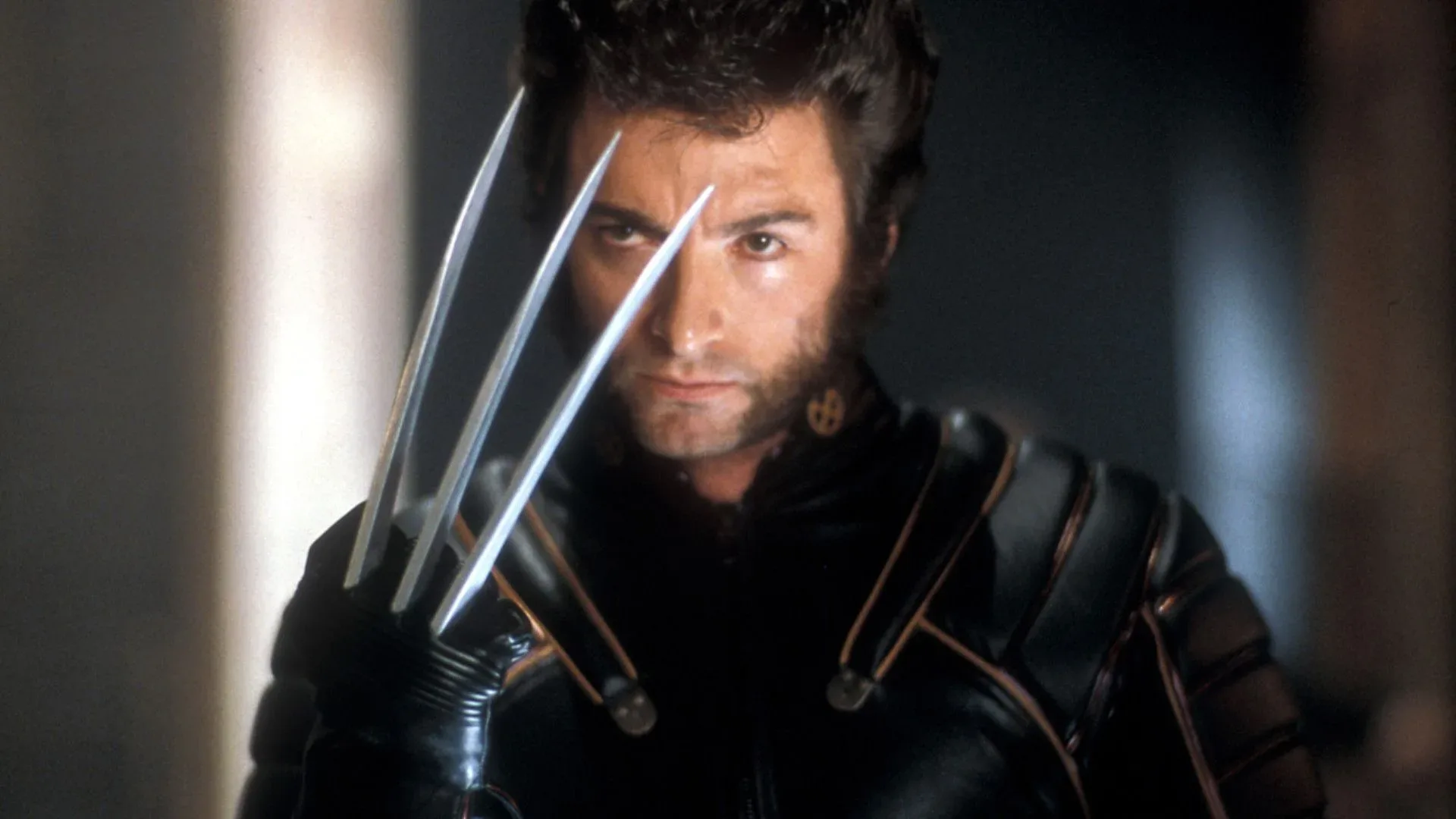
The film also has important franchise-building implications. Sadie Sink’s Jean Grey is introduced in Brand New Day, a development that appears to point toward the eventual X-Men movie. Additional X-Men-related casting revealed at this year’s D23 included Adam Driver as Mr. Sinister and Inde Navarette as Rogue. Those character additions give audiences plenty of reason to look backward as well as ahead: Jean Grey, Rogue, and Mr. Sinister each carry decades of comic-book history and strong associations with earlier screen versions of the X-Men world.
Marvel’s Disney+ catalog is especially useful in that environment. A viewer who sees a new character debut on the big screen can immediately seek related stories, key team-up entries, or background on the wider universe. Even when a catalog title does not directly connect to a new plot, the act of revisiting it can become part of the event. The streaming service functions less like a simple archive and more like a massive recap room with no obvious closing time.
That is also why broad monthly-hours data can be more revealing than a single title’s popularity. A major theatrical release does not need to send every subscriber to the same movie or show. Some people will watch the newest related series. Some will return to an Avengers film. Others may start from the beginning, work through a favorite character’s appearances, or simply put on a familiar adventure while deciding whether to buy another theater ticket. The result can be a large cumulative bump across an entire brand.
Avengers: Doomsday is the looming crossover event
If Brand New Day provides the present-tense spark, Avengers: Doomsday supplies the looming sense of scale. The film is scheduled to arrive on December 18, and reported domestic advance ticket sales have already exceeded $50 million with more than three months remaining before release. Advance-sales totals do not automatically predict a finished box-office result, but they do indicate unusually strong early demand.
The cast list helps explain why the film is being positioned as a major Marvel event. Anthony Mackie is set to appear as Captain America, Chris Hemsworth as Thor, Chris Evans as Steve Rogers, and Robert Downey Jr. as Doctor Doom. That combination brings together central figures from different eras of Marvel’s movie history while placing a new version of a famous comic-book villain at the center of attention.
Evans has expressed a personal attachment to Steve Rogers and the character’s journey, saying that he felt at home with the role and that the team would not return to it without an interesting situation for the character. The sentiment is notable because it frames Steve’s involvement as more than a nostalgia button. The crucial question for audiences will be what exactly the story asks of him, especially when the movie’s announced ensemble already promises a crowded field of heroes and villains.
It is also important not to confuse attention with answers. Marvel has revealed prominent cast names and a release date, but anticipation can create its own cloud of speculation. A reported streaming surge tells us viewers are revisiting Marvel material; it does not confirm fan theories, reveal story details, or establish how every character fits into Doomsday. With a crossover of this size, restrained expectations are probably as valuable as a well-organized watchlist.
Why the 420 million-hour mark matters
Streaming totals are often difficult to compare cleanly. Services use different reporting periods, definitions, and levels of detail. A monthly-hours figure cannot by itself tell us how many unique households participated, whether viewers finished what they started, or which specific Marvel title carried the most weight. Those omissions matter, particularly when fans want to use a big number as proof that one character or project “won.”
But the reported August result does communicate something useful: Marvel’s library is behaving like connected event programming. Theatrical momentum for Brand New Day and promotional momentum for Doomsday seem to be strengthening one another rather than competing for attention. That is a valuable pattern for a franchise with a deep back catalog, because it means current releases can reactivate older stories.
- New releases create entry points: A fresh Spider-Man film can bring casual viewers toward Marvel material they skipped.
- Crossovers encourage homework: A large Avengers cast makes audiences more likely to revisit earlier character appearances.
- New mutants invite exploration: Jean Grey, Rogue, and Mr. Sinister bring comic-book history that can trigger interest beyond a single movie.
- A single subscription contains the back catalog: The simpler the path from curiosity to playback, the easier it is for hype to become viewing time.
There is a broader entertainment lesson here as well. Streaming is not only a destination for projects after their theatrical window. In a franchise ecosystem, it can be part of the active marketing and fandom cycle. A new film sends people toward older content; revisited older content builds excitement for the next film; the next film gives viewers another reason to stay engaged with the library. The cape may fly in theaters, but the aftershock has plenty of places to land.
What Marvel viewers may revisit next
The approach to December is likely to keep attention on the biggest recurring Marvel figures. Captain America, Thor, Steve Rogers, and Doctor Doom all offer obvious pathways into comics history and prior screen stories, while the X-Men setup creates a second track of anticipation around mutant characters. That breadth is a considerable advantage: not every viewer has to care about the same hero for the overall brand to benefit.
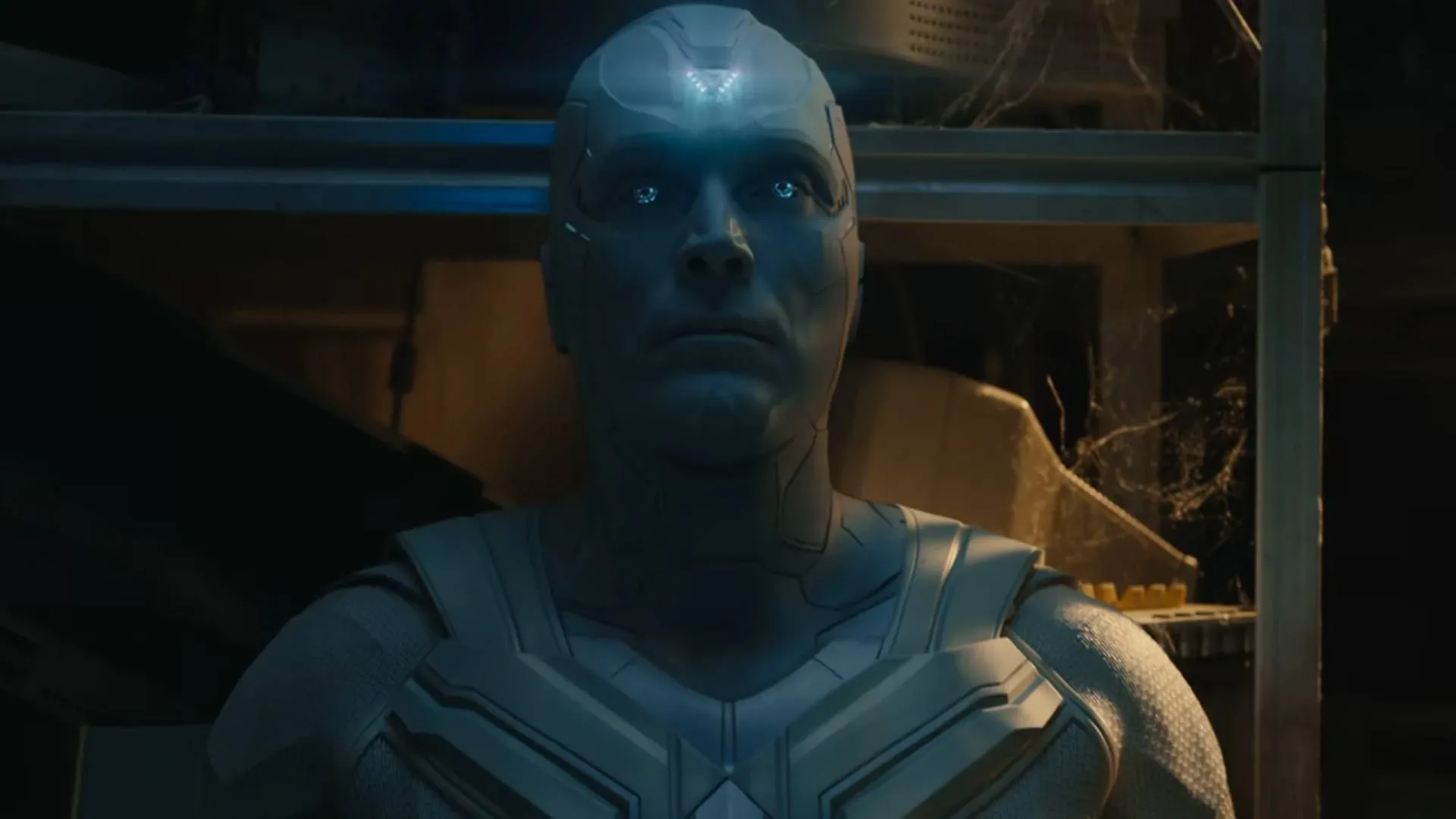
For fans tracking the wider television side of the universe, there is also continuing interest in how familiar characters’ stories are being extended. VisionQuest’s connection to Vision’s final Ultron scene and the identity questions raised in WandaVision is one example of the way older Marvel entries can remain relevant when new projects revisit their ideas.
For now, the clearest facts are the reported August total of more than 420 million Marvel viewing hours on Disney+, the reported $50 million-plus in domestic Avengers: Doomsday pre-sales, Spider-Man: Brand New Day’s reported $2.4 billion worldwide haul, and the December 18 date on the calendar. Those numbers do not settle every argument about Marvel’s future, nor do they reveal the full shape of the coming films. They do show a franchise with an enormous amount of audience attention concentrated around a major theatrical hit and an even larger crossover still waiting in the wings.