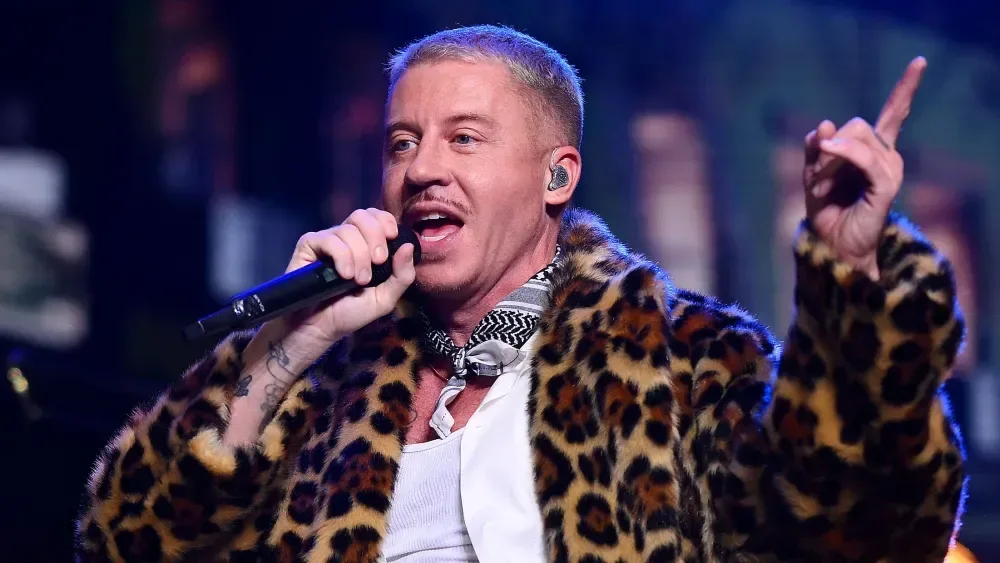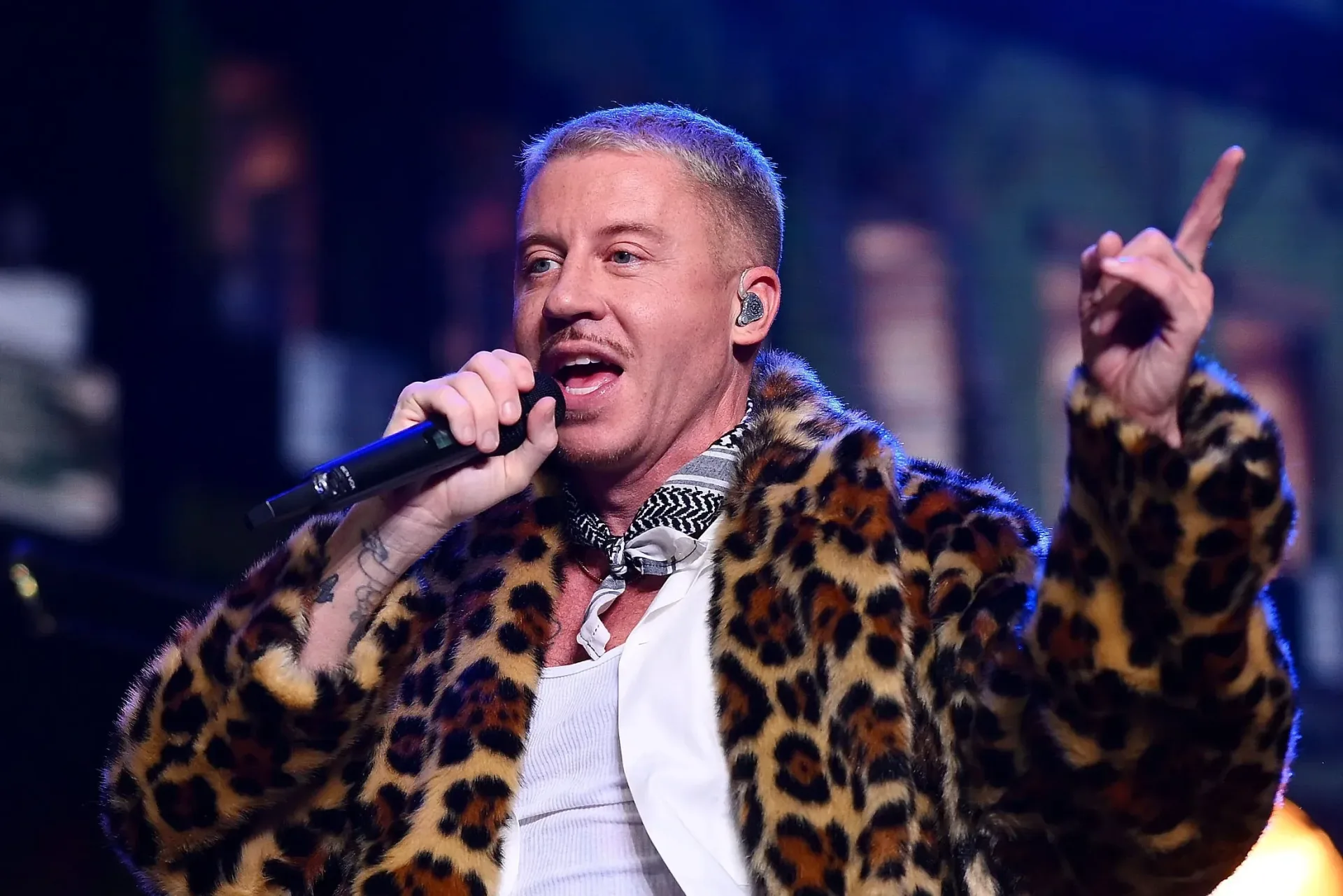
Macklemore has announced the “Free Palestine” tour, a three-date European run scheduled for Dublin on October 26, Paris on October 29 and London on October 30.
The rapper says the concerts will bring him together with other artists and friends for performances centered on Palestine and Palestinians, while providing humanitarian aid and support for the movement. The announcement says all proceeds from the shows will go to a group of listed humanitarian, medical, community and advocacy organizations.
The announced dates
- Dublin: October 26
- Paris: October 29
- London: October 30
No further venue, ticketing or lineup details were included in the supplied announcement. That distinction matters: the three cities and dates are confirmed by the announcement, but audiences should not infer additional performers, specific event formats or access information that has not been provided.
Where the proceeds are intended to go
The announcement identifies the following beneficiaries:
- Anera
- Glia
- Gaza Soup Kitchen
- Taawon
- HEAL Palestine
- Palestinian Youth Movement
- Middle East Children’s Alliance
- Jewish Voice for Peace
- Medical Aid for Palestinians
- Institute for Middle East Understanding
- Palestine Children’s Relief Fund
- UNRWA USA
The breadth of that list is significant because it frames the dates as more than conventional touring stops. It includes organizations associated with humanitarian and medical assistance alongside groups focused on public advocacy, community organizing and communications. In practical terms, the stated purpose joins fundraising with a public platform for Palestinian voices and political expression.
“All proceeds” is the key commitment attached to the shows. It means the announcement presents the concerts as a benefit effort rather than merely a tour carrying a charitable association. It does not, however, provide a financial breakdown, projected fundraising total or allocation among the named groups. Those details should not be assumed from the pledge alone.
The context: speeches and a lost opening slot
The announcement follows Macklemore being removed as an opening act from Ed Sheeran’s U.S. tour after he delivered “Free Palestine” speeches during two concerts at MetLife Stadium in New Jersey.
That recent dispute is central to how Macklemore has characterized the new tour. In an Instagram statement, he argued that public expectations of artists have shifted in recent years, specifically around Palestinian liberation and the influence wealthy figures can have over which messages appear on major stages.
“Being apolitical during a genocide doesn’t work anymore,” Macklemore wrote, saying that people are asking artists to educate themselves, participate in community and use their stages for more than entertainment.
He also described the loss of the opening slot as larger than a conflict involving one performer or one set of concerts. His argument is that decisions about who gets access to a stage can shape the limits of public speech—particularly when artists use live appearances to take a position on an active humanitarian and political crisis.
What this kind of tour represents
A benefit tour is a live-music series designed to raise money for a stated cause. In this case, Macklemore’s announcement gives the concept an additional function: the concerts are also intended to “center Palestine and Palestinians.” That language suggests representation is part of the event’s purpose, not simply the destination for the revenue.
For performers, taking a position onstage can create tension with promoters, tour partners and other commercial relationships. Macklemore’s statement directly addresses that pressure, presenting the tour as a response to what he calls attempts to silence calls for a free Palestine. The announced dates therefore place the political message in the title and organizing premise of the shows rather than treating it as an unscheduled moment during a standard set.
There is an important difference between advocacy, humanitarian aid and political neutrality. Advocacy uses public visibility to argue for a cause or policy position. Humanitarian aid concerns material support for people affected by crisis, such as medical relief or food assistance. Neutrality, meanwhile, is often understood as declining to endorse a position publicly. Macklemore rejects that last approach in his statement, saying artists should not remain apolitical in this context.
That does not mean every artist or audience member will approach political speech in music the same way. But the announced run makes Macklemore’s own position unambiguous: he is using a limited series of concerts to raise funds and elevate Palestinian-centered programming after facing professional consequences tied to similar remarks.
Why the beneficiary list is worth reading closely
Benefit-event announcements can sometimes leave the actual recipients vague. Here, the named organizations give attendees a clearer account of the intended scope of support. The inclusion of medical and relief groups points toward humanitarian needs, while advocacy and youth organizations indicate that the effort is also meant to support political education, public communication and organizing.
Readers should still separate what has been announced from what has not. The available information confirms the beneficiaries named above and the pledge that all proceeds will benefit them. It does not explain whether proceeds will be divided evenly, whether allocations will vary by city or whether the participating artists will be announced later.
The use of a concert series also shows how a touring artist can turn an existing professional platform into a fundraising mechanism. Audiences are not only being invited to see a performance; they are being asked to participate in an event whose stated identity, fundraising purpose and political message are inseparable.
A high-profile decision to keep speaking
Macklemore’s announcement arrives after a visible example of the career risk that can accompany onstage political speech. Rather than step back from the message that preceded his removal from the Ed Sheeran dates, he has made it the explicit focus of a new run of shows.
His statement describes a “collective awakening” around Palestinian liberation and says artists are being pressed to show up, learn and act in community. Whether one views entertainers as political participants, cultural commentators or both, the tour is a clear example of a performer defining live music as a place for advocacy as well as entertainment.
For another recent example of music being positioned as an experience beyond a conventional release cycle, see Pokémon Pokopia’s hour-long music video project.
For Macklemore’s three newly announced dates, the concrete details currently available are the October itinerary, the stated Palestine-centered mission and the beneficiary roster. Further practical information—including venues, tickets and any additional guests—was not included in the announcement.