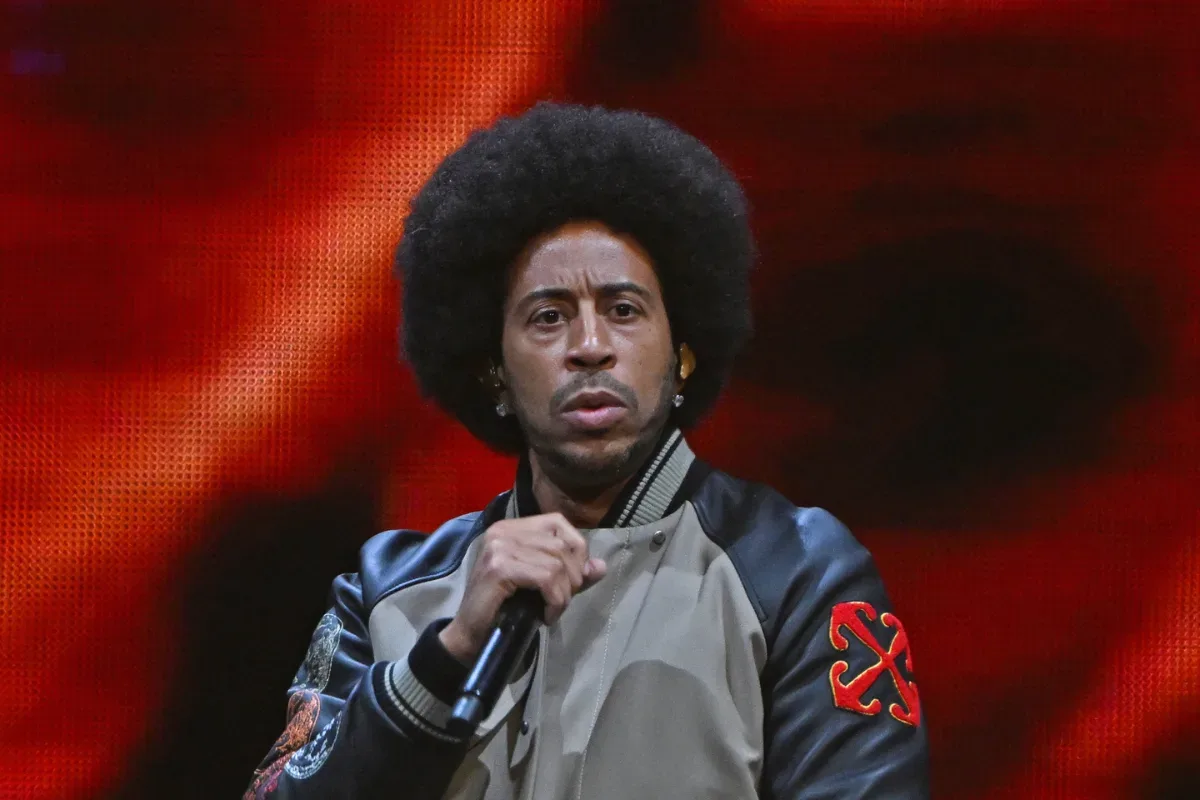
Ludacris has described a touring fitness routine built less around a perfect gym setup than around solving the very unglamorous problems of life on the road: planes, cars, hotel rooms, limited privacy and the temptation to take whatever food is closest when hunger hits.
One part of that solution is unexpectedly low-tech. He sometimes wears a disguise so he can go for a walk without drawing attention. For an artist who spends long stretches moving between venues, travel and hotel stays, the goal is not merely exercise. It is the chance to get outside and breathe fresh air.
“Even if I am somehow kind of blending in and hiding in plain sight, just being able to breathe fresh air is very important to me since I’m trapped in so many planes, cars and hotels without balconies,” Ludacris said.
That is a useful framing of the challenge. Touring can make a routine difficult not because an athlete or performer does not understand the value of training, but because the normal supports of a routine disappear. A home gym may be unavailable. A hotel may have no usable fitness room. Travel can fragment a day into transit windows and short periods in a room. And public recognition can make a casual outdoor walk feel less casual.
His approach appears to be flexibility with a few fixed priorities. He said he trains five to seven days a week, uses hotel gyms when they are available and adapts when they are not. In those cases, he has relied on outdoor bodyweight work or brought free weights into his hotel room. When he is home in Atlanta, he has converted a garage into a gym.
A routine designed for imperfect conditions
The practical idea behind Ludacris’ road setup is not that every workout must look identical. It is that the habit can continue even as the setting changes. A hotel gym, a room with weights and outdoor bodyweight exercises are different environments, but each can make room for purposeful movement.
Bodyweight exercise simply means training with one’s own body mass rather than relying on machines or external weights. In this case, its role is logistical: it gives him an option when a gym is absent. Free weights provide another portable alternative, while a hotel gym can offer the most conventional arrangement when one is available.
His description also suggests that walking serves a separate purpose from a workout. The disguised walks are about getting outdoors and reclaiming a bit of ordinary space while traveling. That distinction matters. Exercise can be planned and structured; a walk can additionally break up the enclosed rhythm of flights, car rides and rooms without balconies.
For a touring performer, maintaining physical capacity is also part of maintaining a stage career. Ludacris has connected his health goals to being able to give fans a full show for years to come. He said he is aware of aging but is willing to meet that challenge, calling himself “a warrior.”
His training is not limited to lifting or hotel-room sessions. He has also said it includes martial arts and 52 Blocks, a street-fighting style. The available details do not set out a complete program, so it would be a mistake to treat these elements as a prescribed plan for others. What they do show is a preference for variety alongside basic, repeatable training options.
Planning food before travel makes the decision earlier
The physical plan extends beyond finding a place to work out. Ludacris previously said he maps meals in advance so that hunger does not make the decision for him. “You got to plan out the workouts and plan out the meals,” he said.
That is a straightforward response to a touring schedule. The relevant choice is often made before hunger arrives: deciding what meals will be available, rather than waiting until the nearest option becomes the default. No specific diet, food list or calorie target has been detailed, and none should be inferred. The point he has emphasized is preparation.
He also described working different muscle groups on different days and making room for rest. In simple terms, that means not treating every session as the same full-body task, and not treating recovery as a failure to train. His off days can include relaxing, recovering and allowing a cheat day.
Recovery, in this context, means time intentionally left for rest after exercise rather than stacking hard sessions without pause. Ludacris’ account is notable for placing it inside the plan, not outside it. That perspective fits the broader theme of sustainability: travel already adds strain and unpredictability, so a routine that allows rest has a better chance of surviving a long run of dates than one dependent on flawless discipline every day.
The personal motivation behind the schedule
Ludacris has tied this commitment to a deeply personal loss. In 2023, he said the death of his father from alcoholism pushed him to care for himself more seriously. His father died at 52, when Ludacris was 29.
He has connected his fitness goals to spending time with his children and future grandchildren, as well as preserving the strength needed to perform. Those motivations give the hotel-room details more context. The workouts are not presented as a stunt of celebrity optimization; they are part of a long-term effort to remain healthy, present and professionally capable.
That context also helps explain why the plan is built around what can be done amid disruption. A garage gym at home is useful, but travel has required separate answers: Zoom sessions with his trainer when the trainer cannot be there in person, hotel gyms when possible, weights in the room or outdoor bodyweight work when they are not, plus walks for fresh air.
The structure is modestly repeatable because it does not depend on a single product or location. That does not turn it into universal fitness advice—individual goals, health circumstances and professional guidance differ—but it does make the underlying lesson clear. Preparing multiple workable options can be more valuable than waiting for ideal conditions.
Sleep comes before the elaborate stuff
For all of the moving parts, Ludacris puts one daily habit above the rest: sleep. “Get enough sleep…that’s the number one priority,” he said.
That priority aligns with the tone of his current partnership with One A Day. The company’s “Health Doesn’t Need to Be Ludacris” campaign plays on his name while pushing back against overly elaborate wellness fads in favor of a simpler routine. The campaign is a commercial partnership, but his stated habits themselves remain practical: plan the workout, plan meals, leave room for recovery, find a way to move during travel and get enough sleep.
There is an entertainment-world contrast here. Tour life can look glamorous from the audience side, yet the routine Ludacris describes is largely about managing limitations: no balcony, no trainer in the room, no gym on site, little privacy outside and the endless enclosure of transit. His answers are not especially flashy. They are disguises for walks, video-call workouts, portable weights, bodyweight training and planned meals.
That kind of adaptability is likely the key takeaway from his account. Consistency does not mean repeating one exact workout in one exact place. In his version, it means keeping the priorities intact while the setting keeps changing. The gym may be a hotel facility one day and a garage the next; the workout may happen with a trainer through Zoom or outdoors; the most important session may give way to recovery. The one non-negotiable he named is sleep.
For more music-adjacent pop-culture coverage, see the Nashville museum’s D’Angelo tribute film opening.