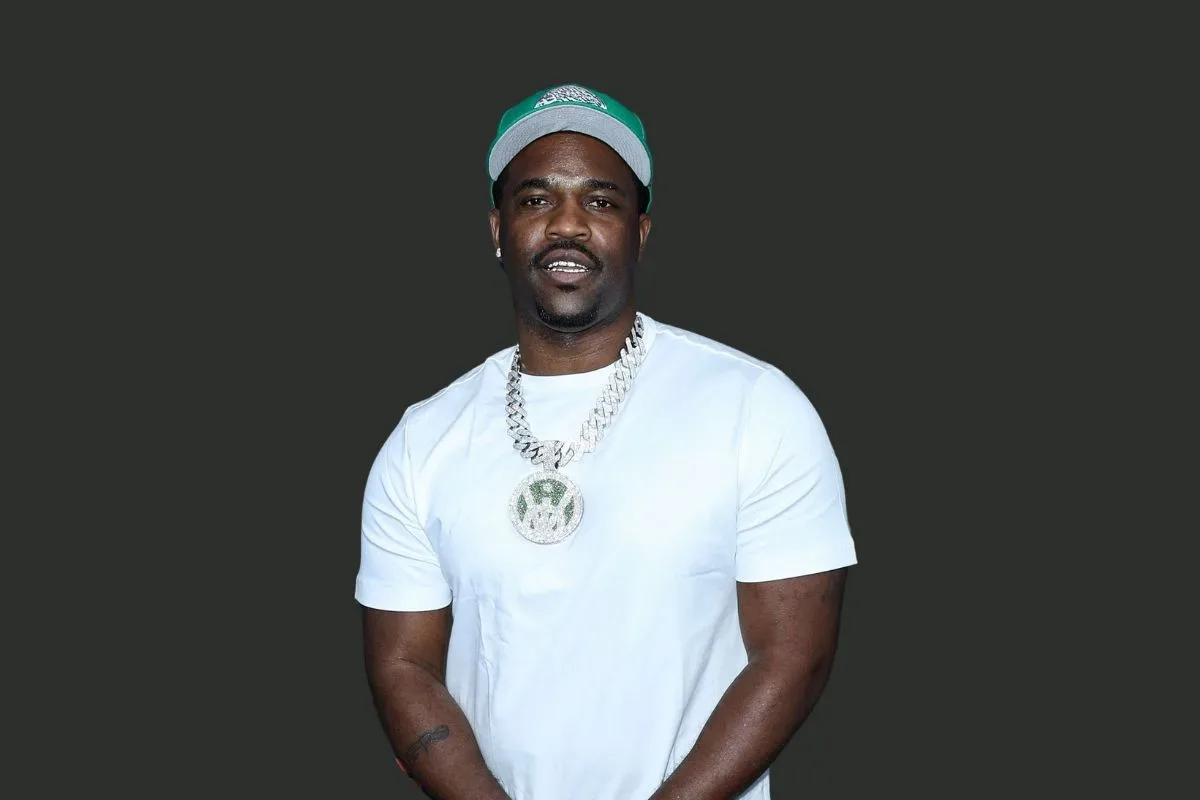
Ferg is making a straightforward argument with “Cycle”: hip-hop does not have to leave dancing, movement or uncomplicated enjoyment at the door. The Harlem artist’s new song emerged from his own introduction to cycling classes at AARMY, but the idea reaching beyond a fitness setting is central to its point. For Ferg, regular activity, skating, time outdoors and meditation are parts of a broader effort to feel focused and balanced—and music can make that effort communal rather than solitary.
That position is deliberately cultural as well as personal. Ferg has said he wants fun and dance to occupy more space in hip-hop, pushing against the idea that an audience must perform toughness at every moment. His point is not that identity vanishes when the beat becomes lighter or the room becomes more physical. It is that people can retain who they are while also enjoying themselves. As he put it, “We don’t gotta be thugging all the time.”
“We can have fun. Like, thugs have fun too…thugs dance.”
“Cycle” provides a compact example of how that outlook can move from routine to record. After Ferg began attending cycling classes, producer NEZ sent him beats. Ferg recorded “Cycle” on the same day, then gave the track to two coaches; it was playing in class the following day. That quick route matters because it frames the song less as an abstract attempt to chase a fitness trend and more as music made for an environment he was already participating in.
From a class soundtrack to a wider wellness message
A cycling class is an especially clear setting for the kind of connection Ferg is describing. Participants move in time with music, but they also share a room, an instructor and a common tempo. In that sense, the song’s function is social as much as musical: it can support physical exertion while giving people a reason to move together. The immediate classroom use of “Cycle” also suggests why its title is fitting. Cycling refers literally to the workout, but it can also evoke a repeatable routine—showing up, moving, resetting and returning.
Ferg’s reported habits make that routine bigger than one class. Running, skating and spending time outside sit alongside his cycling, while a renewed meditation practice supplies a quieter counterweight. He has described reserving 15 to 20 minutes in the morning before looking at his phone. That is a specific boundary rather than a vague statement about “wellness”: the aim, in his account, is to begin the day more balanced before the demands and distractions of a screen arrive.
It is worth separating the terms here. Wellness, as used around Ferg’s work, is not presented merely as athletic performance or a promise of transformation. The supplied details point to a mix of physical activity, mental reset, access to health-related services and community gathering. Meditation in this context is a short, intentional period of stillness before phone use. Community wellness is the wider idea that better health can be encouraged through shared events, useful resources and welcoming spaces—not only through an individual workout plan.
Music is the bridge among those pieces. A song can supply rhythm for movement, but Ferg’s larger emphasis is on permission: permission to dance, to be outside, to skate, and to make room for one another. That makes “Cycle” a natural companion to other recent conversations about club-facing records and their connection to shared physical energy, including the renewed focus on club-record roots in hip-hop.
A Harlem-rooted effort with a personal origin
Ferg’s interest in health has a serious personal background. He has connected it to the death of his father from kidney failure. He has also spoken about growing up among relatives who made space for other people, a lesson he has carried into projects in Harlem. Those details help explain why his current framing is not limited to exercise as lifestyle branding. It is tied to grief, care and a learned sense of responsibility to a neighborhood.
The clearest early example is the first Ferg Health Fair in 2015. The event offered health care vouchers, physical exams and DJ lessons to local children. Combining those services is notable. Vouchers and examinations address direct health needs, while DJ instruction brings music and creative participation into the same setting. The format mirrors the philosophy behind “Cycle”: health does not need to be detached from culture or joy to be meaningful.
At the time of that first fair, Ferg credited his father with teaching him to give back and encouraging children in the area to pursue their ambitions. That legacy remains visible in the scope of the work now associated with him. The initiatives named include Ferg Strong, Flo Fair and weekly Flo Fridays sessions with AARMY. Community runs, roller-skating events and his involvement with the Percy Sutton Harlem 5K have also been listed as part of the effort.
These are different kinds of activity, but they share a practical advantage: they lower the barrier to imagining movement as something social. Someone who does not identify with a gym may connect with skating. Someone who is not interested in a race may be willing to walk or run with a community group. Someone who comes for music or friends may still encounter an environment that makes a healthy routine feel more approachable. None of that guarantees an outcome, and Ferg has not presented it as a medical solution. But it explains the value of multiple entry points.
Skating is part of the musical picture, too
The relationship between motion and music is not confined to “Cycle.” Ferg has said that regular workouts improve his energy and focus. He has also said his next album draws on the skating culture he knew while growing up in Harlem. That detail gives the movement theme a musical direction beyond a single release. Skating is both an activity he continues to embrace and a formative cultural reference point for the record to come.
There is an important distinction between claiming an album is a “fitness project” and recognizing that lived routines can shape its atmosphere. The available details support the latter. Ferg has linked the next album to skating culture, not outlined its track list, sound or specific production choices. Likewise, workouts help his energy and focus, but no wider creative claim needs to be assumed. What is clear is that he views music and exercise as mutually reinforcing parts of his day.
That perspective also broadens what dance-oriented hip-hop can mean. It need not be confined to a nightclub, nor does a dance track need to abandon the identity and history of the person making it. A cycling room, a skate event, a run or a neighborhood gathering can all become settings where rap functions as motivation, rhythm and social glue. Ferg’s comments argue for more of those settings without treating them as substitutes for the genre’s other moods.
What “Cycle” may signal ahead of Uptown Baby
“Cycle” leads into Uptown Baby, Ferg’s next album. In September, he said the project was roughly 95% complete and was planned for early 2027. That remains the stated plan rather than a confirmed release date, and no further album details are established here. Still, the placement of “Cycle” makes it a useful indicator of the themes Ferg is publicly emphasizing: Harlem, skating, activity, clarity and the right to have a good time.
The song’s unusually fast path from NEZ’s beats to a cycling-class playlist captures the appeal of that message. It was made within the flow of a real routine and returned to that routine almost immediately. The result is a record with an obvious practical home, while its broader message is more expansive. Ferg is not asking listeners to adopt one workout or one definition of well-being. He is arguing that movement and celebration can be part of hip-hop’s daily life—and that dancing is not a contradiction of authenticity.
For listeners, the most grounded takeaway is simply the one Ferg has modeled: a routine can be built from accessible pieces. A short phone-free pause in the morning, time outdoors, skating, running, music in a class, or participation in a local event can each be a starting point. His community work adds a further dimension by connecting those personal choices to collective care. “Cycle” may begin in a gym, but Ferg’s intended destination is broader: more room for people to move, connect and enjoy themselves on their own terms.