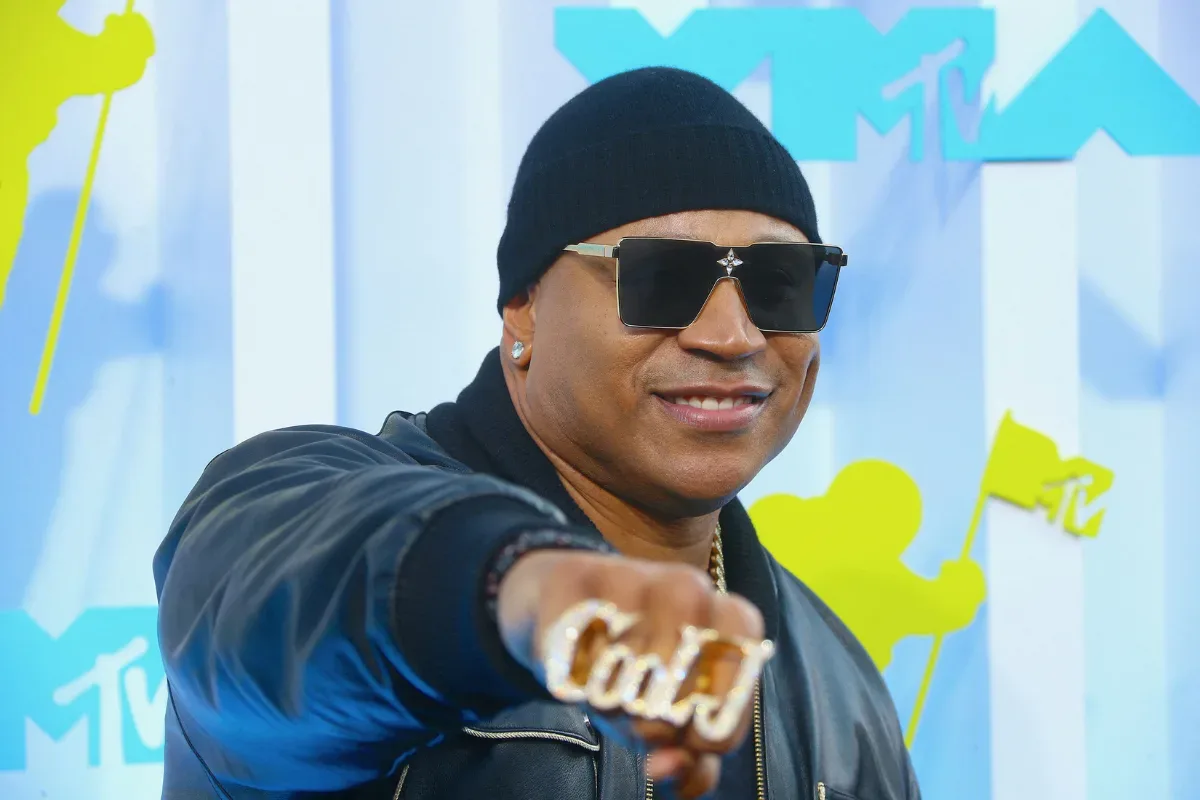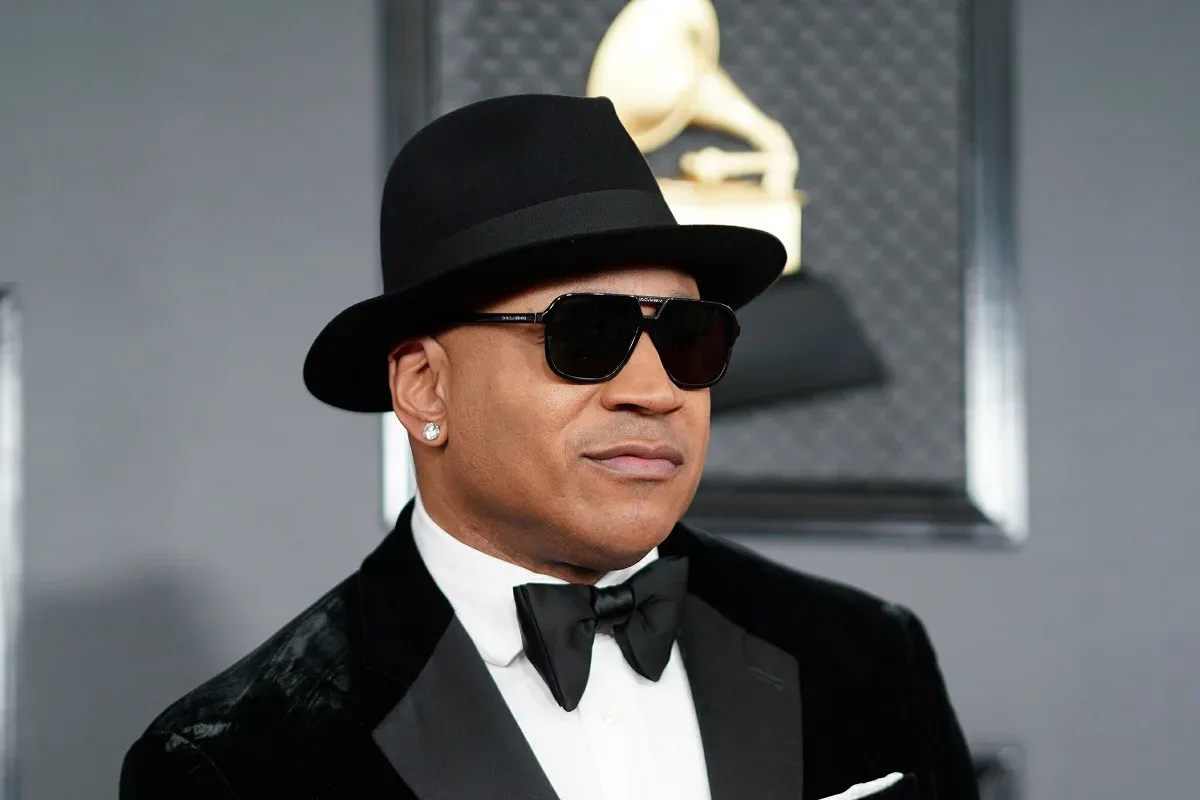
Before Radio became the title of LL Cool J’s 1985 debut album, it was a deeply personal idea tied to a hospital room, a family ritual and one grandfather’s total confidence in a future that had not yet arrived.
LL Cool J recently explained that the name came from his grandfather, Eugene, a jazz musician from Barbados who was receiving care at a VA hospital. Eugene would sit by a window with a radio nearby and tell people that the voice coming from it belonged to his grandson. LL Cool J was still known to his family by his birth name, Todd, and his grandmother would gently challenge the claim. Eugene, however, did not budge: he believed Todd was on the radio.
That belief mattered enormously to the future rapper. In recalling the memory, LL Cool J said he sat with his grandfather and believed him, too. The eventual title of Radio was therefore not simply a neat match for an aspiring recording artist. It was a tribute to Eugene’s certainty that his grandson would find an audience.
A title that existed before the career did
The story carries a striking distinction: LL Cool J became a professional after Eugene had died. His grandfather was not reacting to a hit record or hearing confirmation that the dream had worked out. He was voicing faith in an outcome that, at the time, had not happened.
That is what gives the album title its unusual emotional force. “Radio” can sound like an obvious choice for a music release, especially one made by an artist seeking to establish a voice in hip-hop. But in this case it refers first to an intimate family memory. The radio was a physical object in Eugene’s hospital room and a symbol of what he imagined was possible for his grandson.
LL Cool J has framed the experience in spiritual terms, describing moments that can feel connected to something difficult to fully explain and perhaps prophetic. That is his personal interpretation of the memory, not a claim that Eugene literally heard unreleased music. The lasting fact is simpler and just as powerful: a grandfather kept insisting on his grandson’s future at a moment when others could not yet see it.
Why the story changes how the album title reads
Album titles often become shorthand. Once a record is established, a single word can summon its songs, its era and the artist’s place in music. Radio carries that kind of recognition as LL Cool J’s debut, but the story behind it adds a second meaning that is easy to miss when the title is treated only as branding.
In this context, the word represents several things at once:
Related coverage includes LL Cool J Says ‘Radio’ Was Inspired by His Grandfather’s Faith.
- Recognition: Eugene imagined LL Cool J’s voice reaching listeners through the speakers.
- Conviction: His confidence held even when the people around him disagreed.
- Inheritance: Eugene was a musician himself, making the connection to his grandson’s artistic ambitions especially personal.
- Memorial: LL Cool J retained the title after his grandfather’s death, turning the finished album into a lasting tribute.
It also offers a clearer view of what encouragement can mean before success supplies evidence. Eugene’s faith was not praise offered after a career-defining record had arrived. It was belief offered beforehand. LL Cool J has said that it shaped more than the name of the album; it informed the conviction with which he pursued his goals.
Radio as a landmark debut
Radio debuted in 1985 and established LL Cool J as a major force in hip-hop. The album includes “Radio,” “I Need Love” and “Rock the Bells,” songs identified with the record’s enduring legacy.
That later significance makes the origin story feel almost circular. Eugene envisioned his grandson on the radio. LL Cool J went on to make an album called Radio, one that became a landmark release and helped introduce him as an artist of major consequence. The title did not document a completed triumph when it was chosen; it preserved the belief that preceded it.
There is an important difference between saying a person inspired a record and saying they inspired its name. A musical influence can affect sound, style or performance. Here, Eugene’s influence was conceptual and emotional. He supplied the image that LL Cool J carried forward: a young artist’s voice already occupying the public space of the airwaves.
The story also avoids reducing ambition to individual will alone. LL Cool J’s career is his own achievement, but his recollection identifies a family member whose support helped make the aspiration feel real. It is a reminder that an artist’s public mythology may begin in a private conversation—or, in this instance, with a radio beside a hospital window.
Faith, memory and a public name
For listeners, it can be tempting to look backward from a famous career and treat early belief as inevitable. Eugene’s insistence can sound destined because audiences now know who LL Cool J became. But the significance of the memory lies in the uncertainty that existed at the time. The future artist had not yet turned professional, and the grandfather who envisioned that future would not be there to see its public realization.
That tension is why the name remains more than a historical footnote. It is a compact act of remembrance. Every reference to Radio also points back to Eugene’s confidence, his musical background and a family exchange LL Cool J has continued to carry with him.
The anecdote is also careful not to demand a universal explanation. LL Cool J’s spiritual reading belongs to his own experience. Whether listeners understand the moment as prophecy, intuition, love or determined encouragement, the practical effect is clear from his account: he internalized the confidence his grandfather expressed. It helped reinforce the mindset with which he chased a music career.
A small object with a much larger meaning
The radio in this story was not merely background scenery. It became the object around which aspiration, family memory and musical possibility converged. Eugene looked at it and heard an outcome he expected. His grandson later used that same word to name the album that announced him to the world.
There is a humility in that origin story, too. Rather than presenting the debut title as a piece of calculated image-making, LL Cool J traces it to a loved one’s belief. The title is memorable because it is direct, but its real durability comes from what it holds: a grandfather’s voice insisting that the future was already audible.
For more entertainment coverage centered on the people and stories behind popular culture, see our look at the Naruto x NINKŪ anime crossover and Shadow Rising manga reveal.