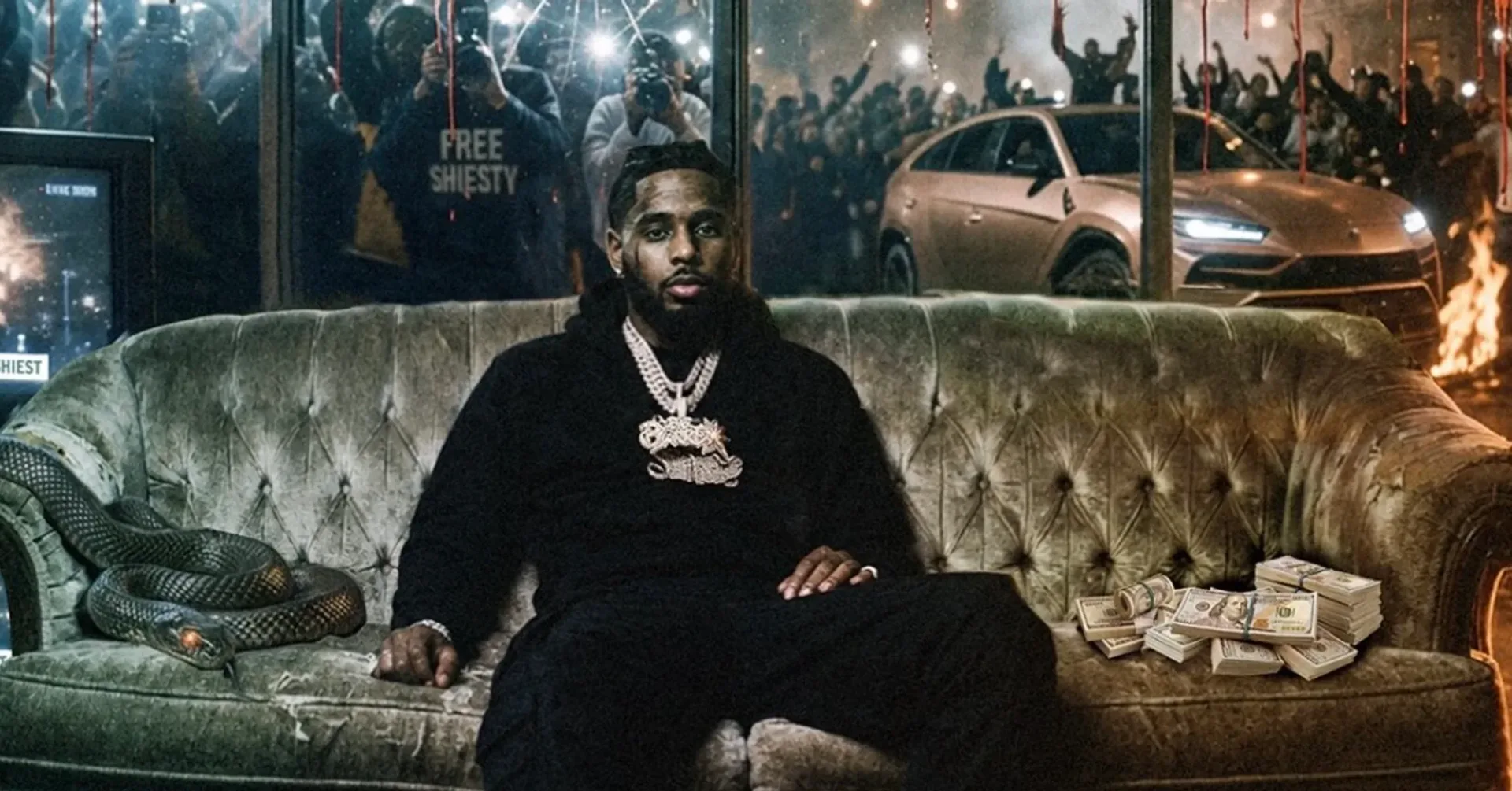
Big30 has posted a public message backing fellow Memphis rapper Pooh Shiesty as the two remain entangled in a federal robbery and kidnapping case scheduled for trial in February 2027.
In the message, Big30 framed their legal situation alongside the continued visibility of their music, writing that venues and arenas are still responding to their work. He also contrasted their current circumstances: Big30 said he is on house arrest, while Pooh Shiesty is in a cell, and urged supporters not to give up on them.
“As we fight this case together we still got all the club venues and arenas going crazy,” Big30 wrote. “I’m on house arrest you in a cell they going crazy like we present... NEVER GIVE UP ON US WE GOD FAVORITE.”
The post is a personal show of solidarity, but it also puts a spotlight on the sharply different pretrial conditions described in the case. Big30 remains free under house-arrest restrictions. Pooh Shiesty was denied bond and remains incarcerated ahead of trial. Neither man has been found guilty of the pending accusations; the defendants have pleaded not guilty.
What the pending charges allege
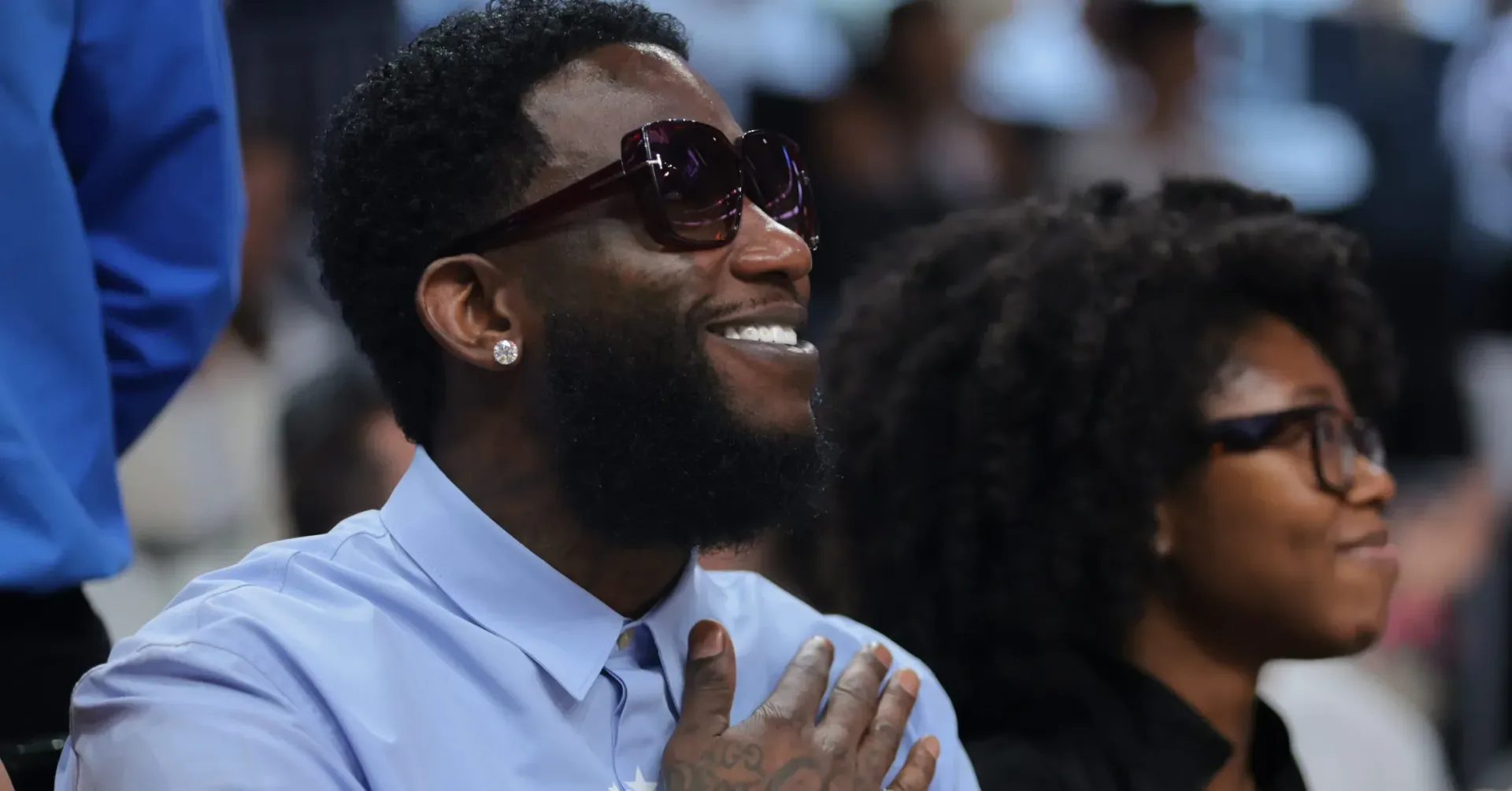
The case involves Pooh Shiesty, Big30, Pooh Shiesty’s father and six other codefendants. Federal authorities allege that the group held Gucci Mane, also known as Guwop, at a Dallas studio, extorted him and took personal items. The allegations further contend that the actions were intended to get Pooh Shiesty released from his contract with 1017 Records.
Those are accusations, not established findings. That distinction is central at this stage: a criminal indictment or charge begins the court process, while a trial is where the government must attempt to prove its case. A not-guilty plea is the defendants’ formal position that the allegations must be tested in court rather than accepted as true.
The current schedule calls for a February 2027 trial on robbery and kidnapping charges. Court schedules can change, so that date should be understood as the listed timetable rather than a guarantee that proceedings will begin on that precise day.
Why the custody dispute matters
Big30’s post arrives amid claims from Pooh Shiesty’s legal team about the conditions of his pretrial confinement. His lawyers say authorities are keeping him in his cell for 23 hours a day and are not providing the minimum number of visitation hours each month. They argue that the alleged restrictions are affecting his mental health and are unlawful.
Related coverage includes Big30 Backs Pooh Shiesty as 2027 Robbery and Kidnapping Trial Nears.
Those claims are allegations from the defense and are separate from the underlying robbery and kidnapping case. No response from authorities is included here, and the available information does not establish whether a court has ruled on the conditions described by his lawyers.
Still, the contrast Big30 drew is easy to understand. House arrest generally means a person is allowed to live outside jail but must comply with court-ordered limits on movement or activity. Bond is the mechanism through which a defendant may be released before trial, often subject to conditions. Pooh Shiesty’s reported bond denial means he is awaiting the case from custody instead of from the community.
Pretrial status is not a measure of guilt. It is a decision about whether release is permitted while a case moves forward and under what terms. For artists whose public work depends on recording, travel, appearances and direct fan contact, the practical difference between house arrest and jail custody can be especially pronounced. It affects not only personal freedom, but the ability to participate in ordinary career activity.
Music continues to carry the public connection
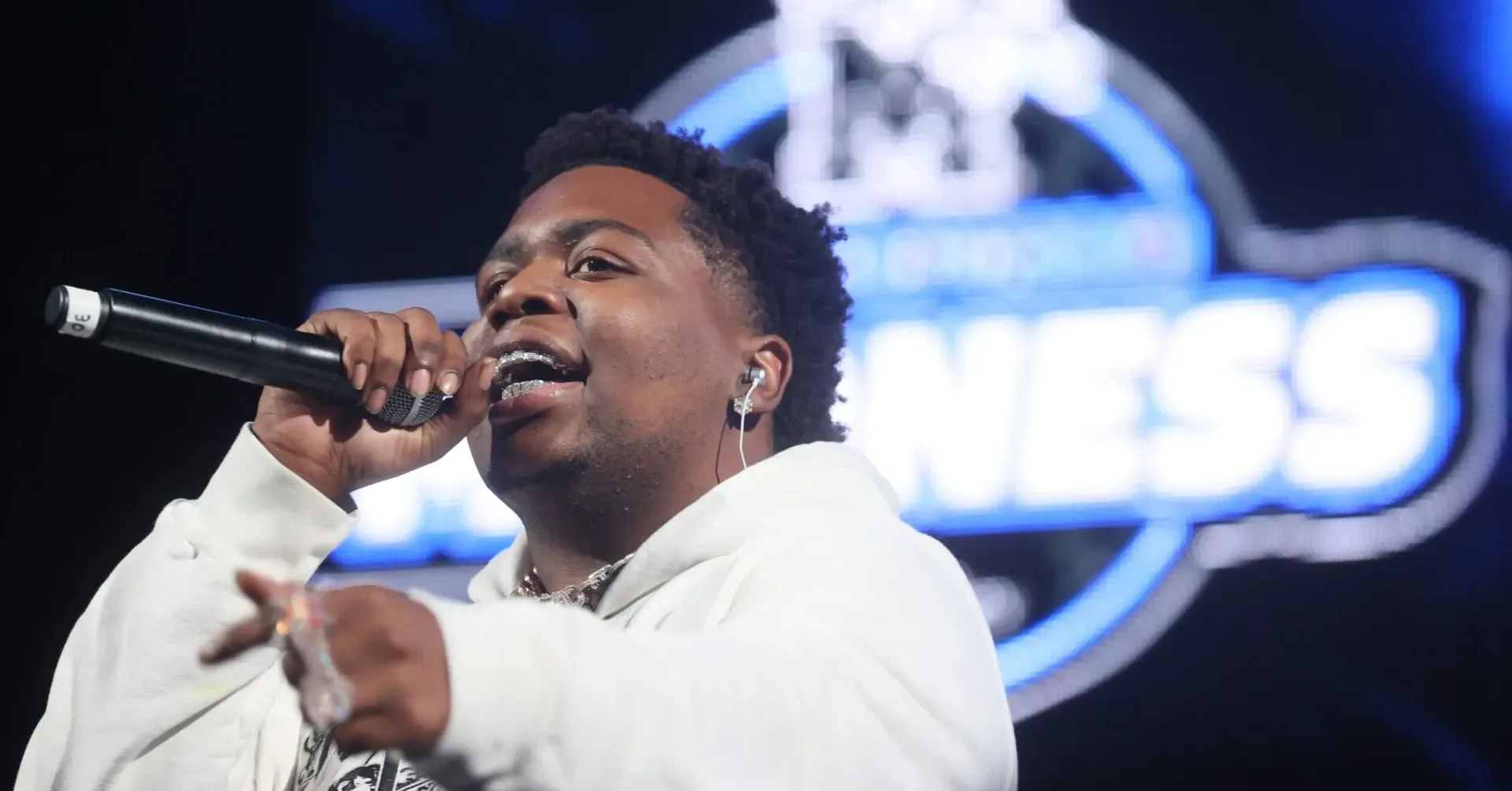
Big30 has indicated that the audience remains engaged with Pooh Shiesty’s music even while the legal case continues. About a month and a half before his supportive post, Big30 performed Pooh Shiesty’s “FDO” for high school students. That appearance gave Big30 a direct look at the audience response he later referenced.
It is important not to overstate what one performance can prove. A crowd response does not answer the legal allegations, and it does not forecast the trial result. It does, however, help explain the message’s emphasis on cultural presence: Big30 is pointing to songs continuing to circulate in public spaces while one of the artists associated with them is unable to appear freely.
That separation between a performer’s catalog and a performer’s immediate circumstances is common in entertainment, particularly when a legal process moves slowly. Fans may encounter a song at a school event, club or arena without any corresponding new appearance from the artist whose name is on the track. The ongoing life of the music can therefore become a form of public visibility when normal promotion and performance are limited.
Live music remains one of the clearest ways audiences turn songs into a communal experience. That wider relationship between performance and fandom was also visible when Chappell Roan brought Charli xcx’s “Boom Clap” to the Kia Forum stage, illustrating how a song can take on another public life through a different performer and setting.
Support does not resolve the case
Social-media messages from collaborators can be meaningful to artists and their fan communities, but they do not alter the legal standard. Big30’s remarks are a statement of loyalty and encouragement, not evidence about what occurred in Dallas or a ruling on the defendants’ arguments.
The case has also generated public discussion and conflict in hip-hop circles, including snitching allegations. The available details do not establish the factual basis of those side disputes, nor do they identify a legal outcome. The clearer picture is simply that multiple defendants are contesting serious charges, one is on house arrest, one remains jailed after being denied bond, and a trial is currently expected in 2027.
For Pooh Shiesty, the immediate issue has two tracks. One is the criminal case itself, which will proceed through the pretrial process toward a scheduled February trial. The other is the defense’s challenge to his reported conditions in custody, including the claims concerning time out of the cell and visitation. Those matters may overlap in public conversation, but they are not the same question: one concerns the accusations that will be tried, while the other concerns how a defendant is held while awaiting that process.
For Big30, the message makes his position plain. Despite his own restrictions, he is publicly affirming support for Pooh Shiesty and emphasizing the reach of the music associated with both artists. The outcome of the case, as well as any resolution of the incarceration concerns raised by Pooh Shiesty’s legal team, remains unresolved.